








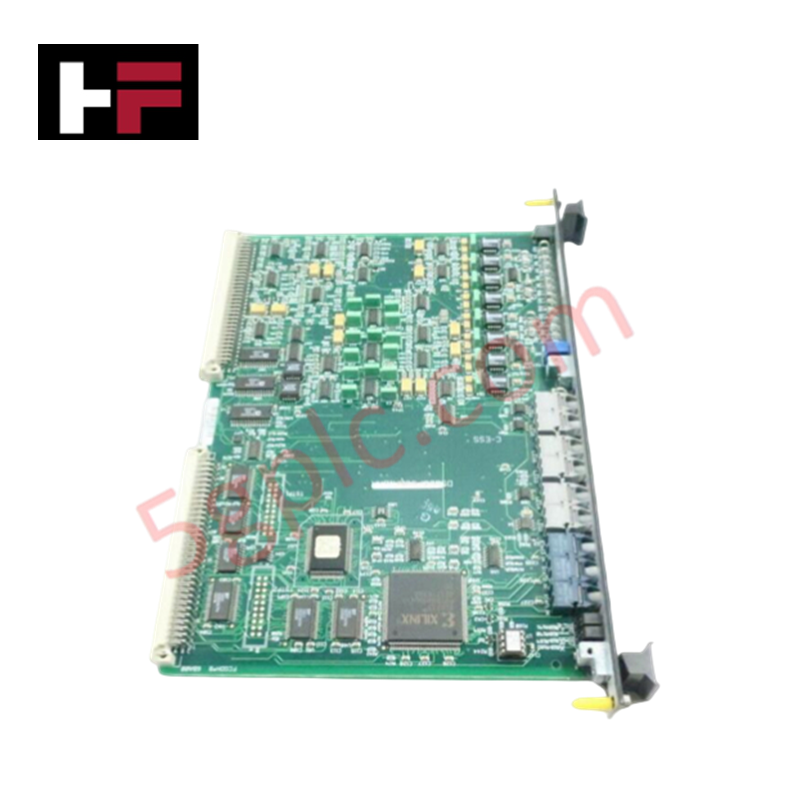
Product Details
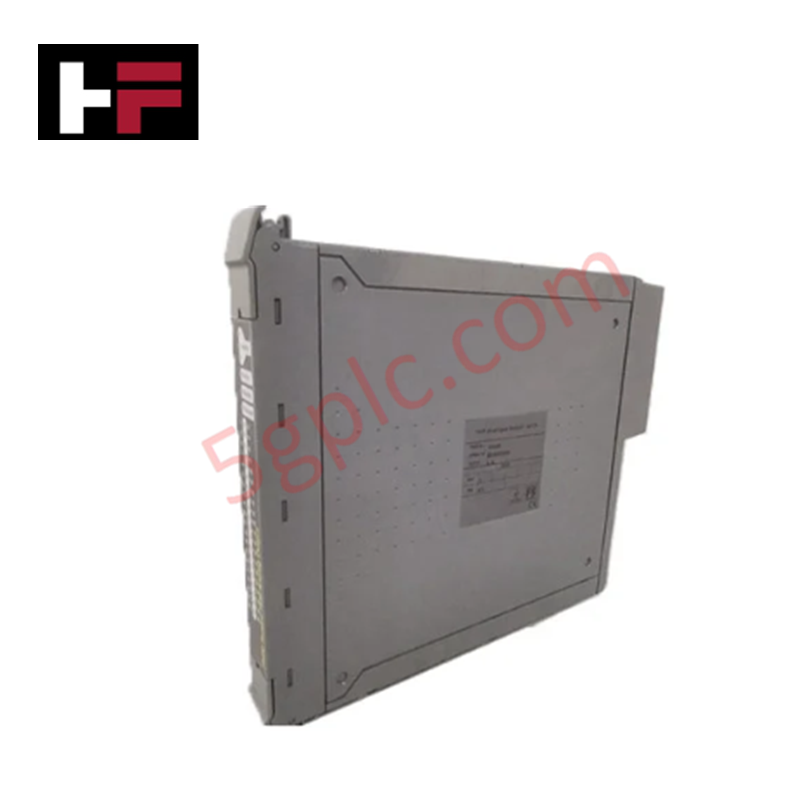
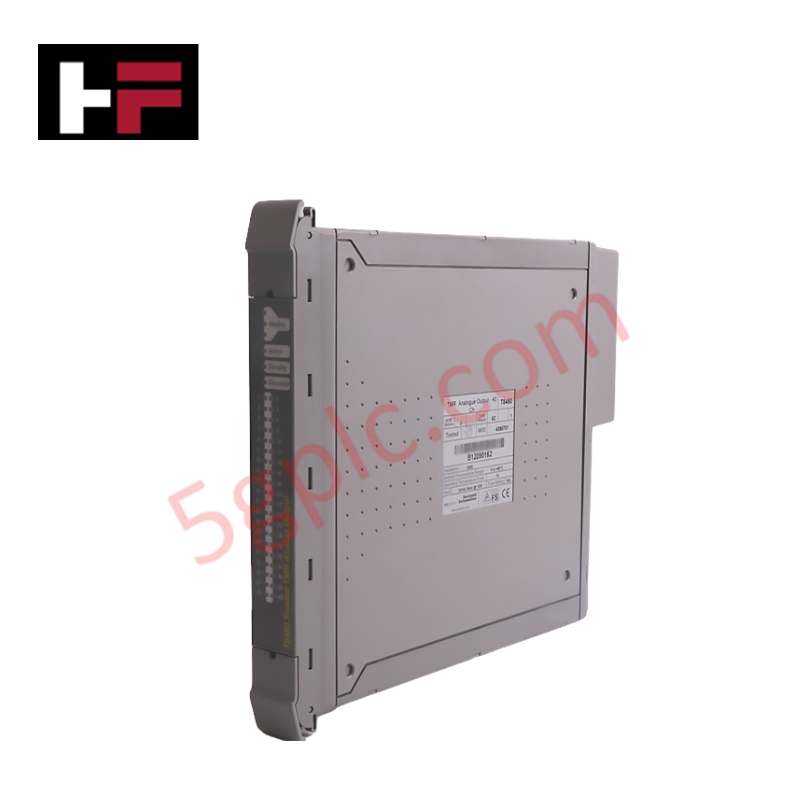
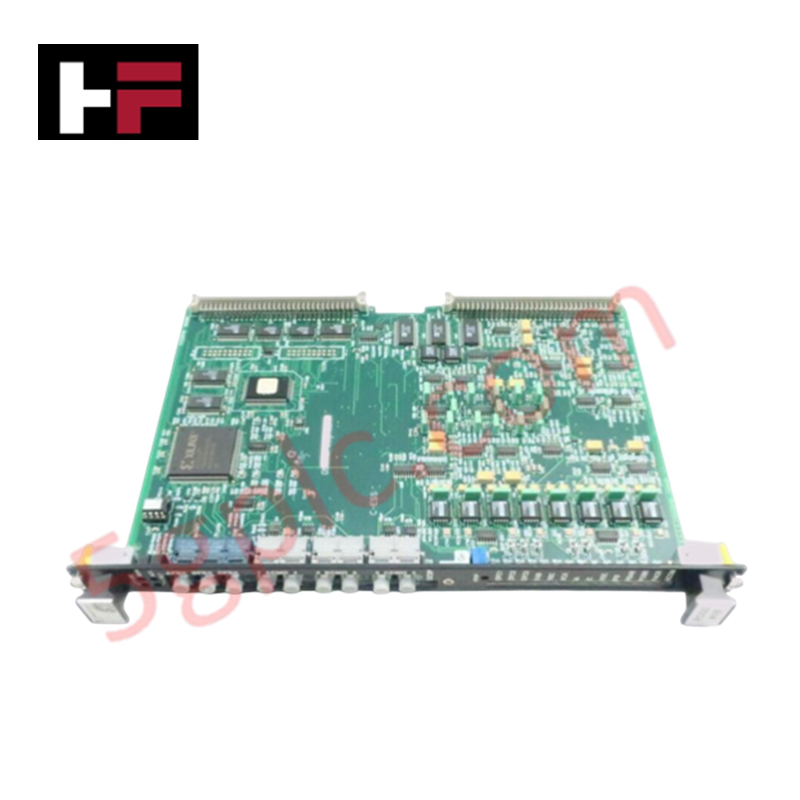
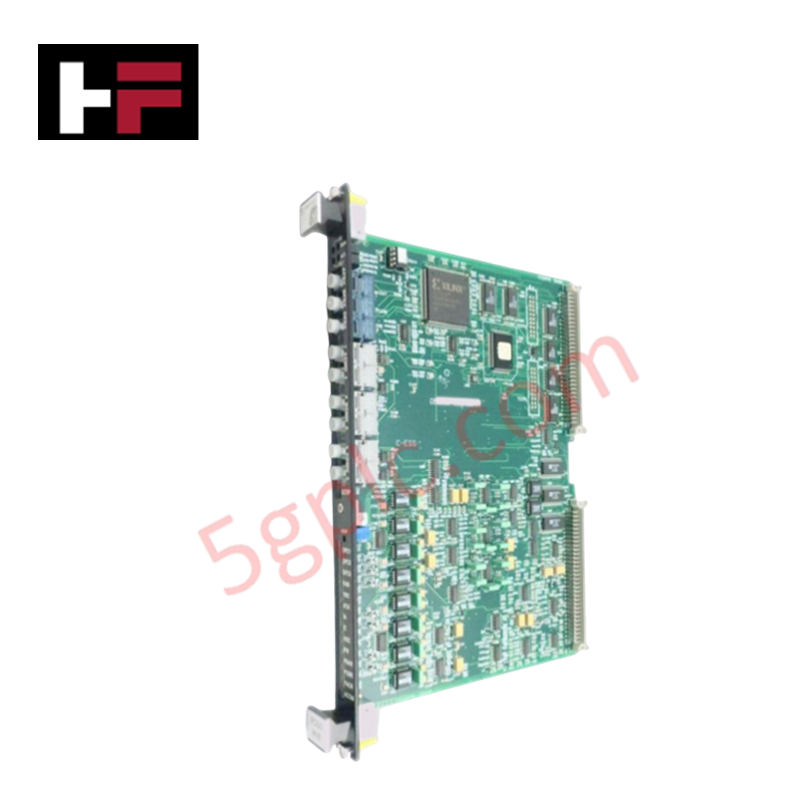
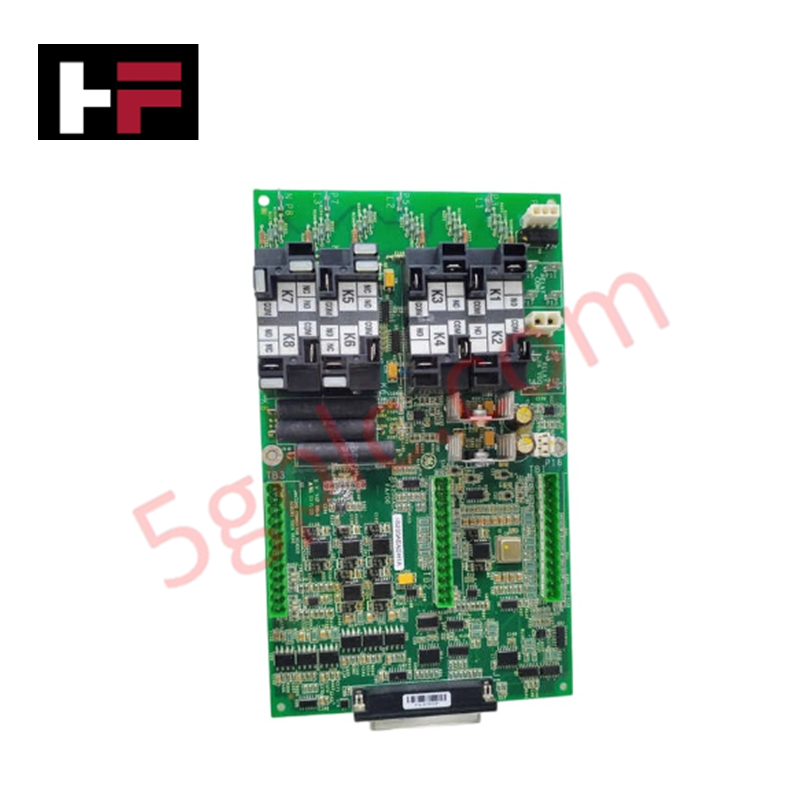
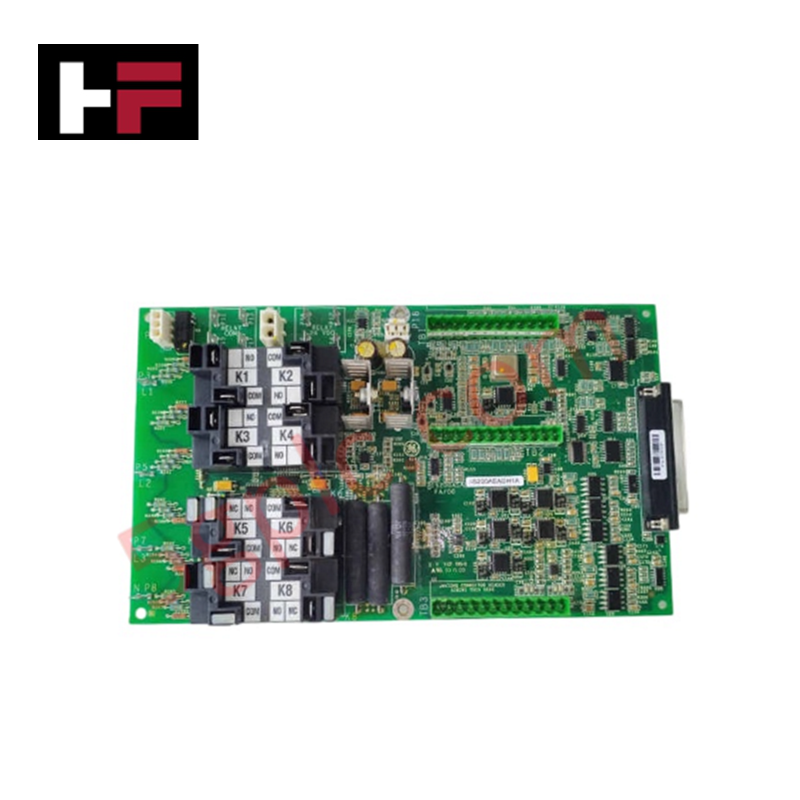
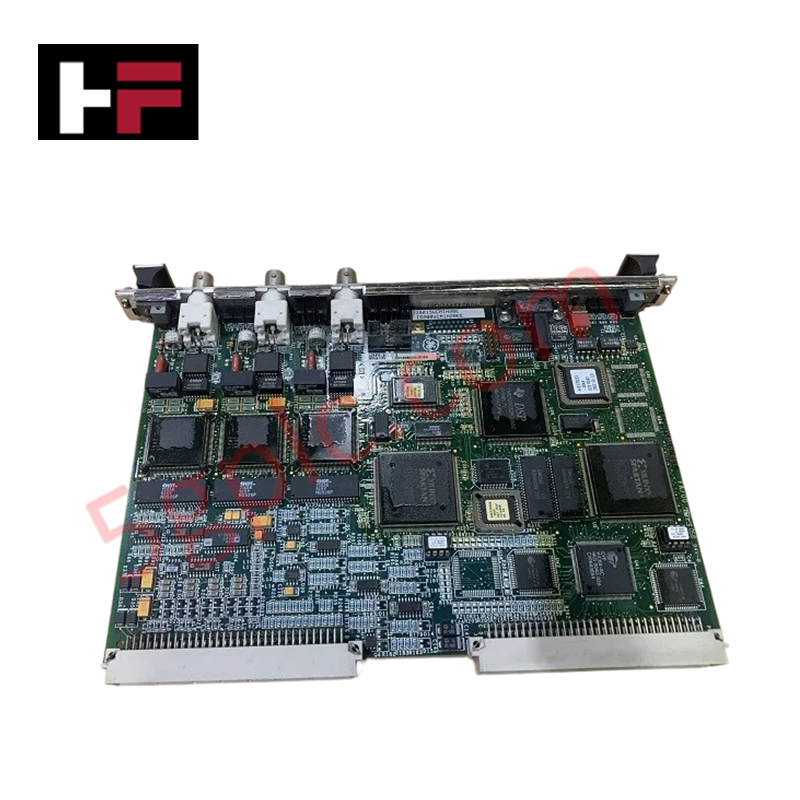
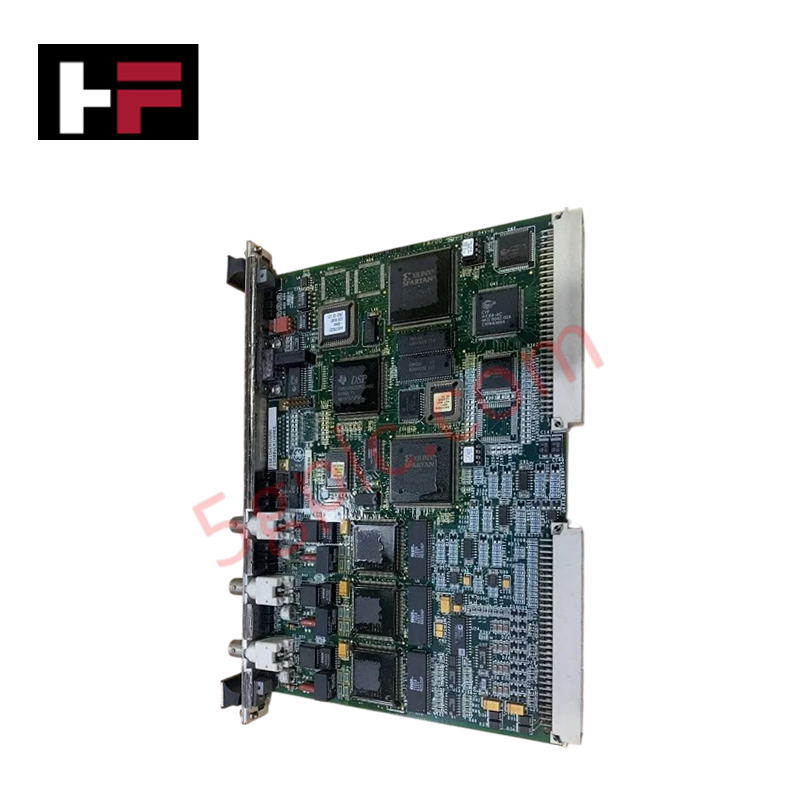
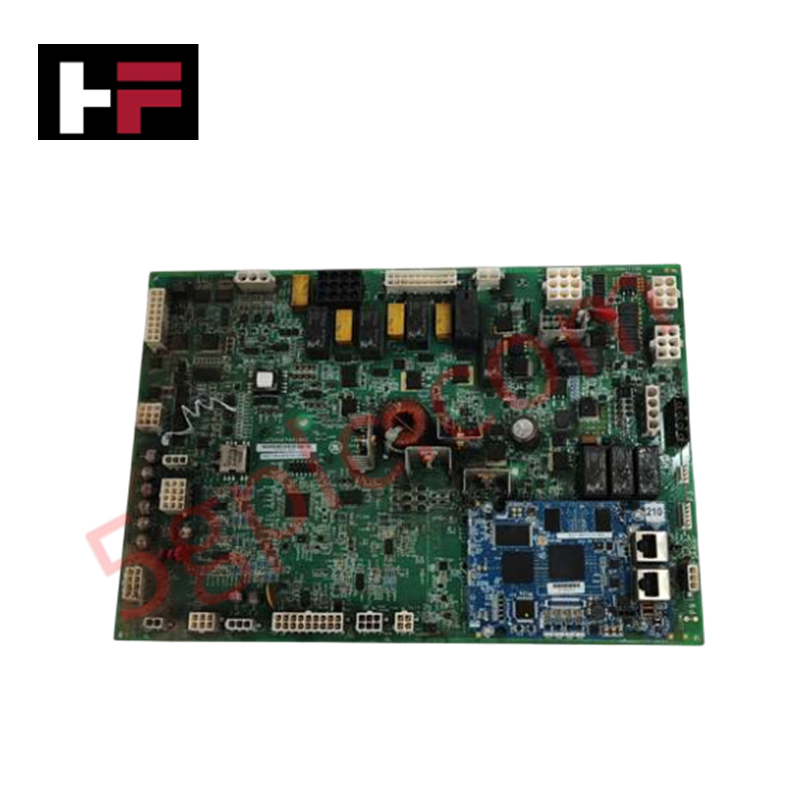
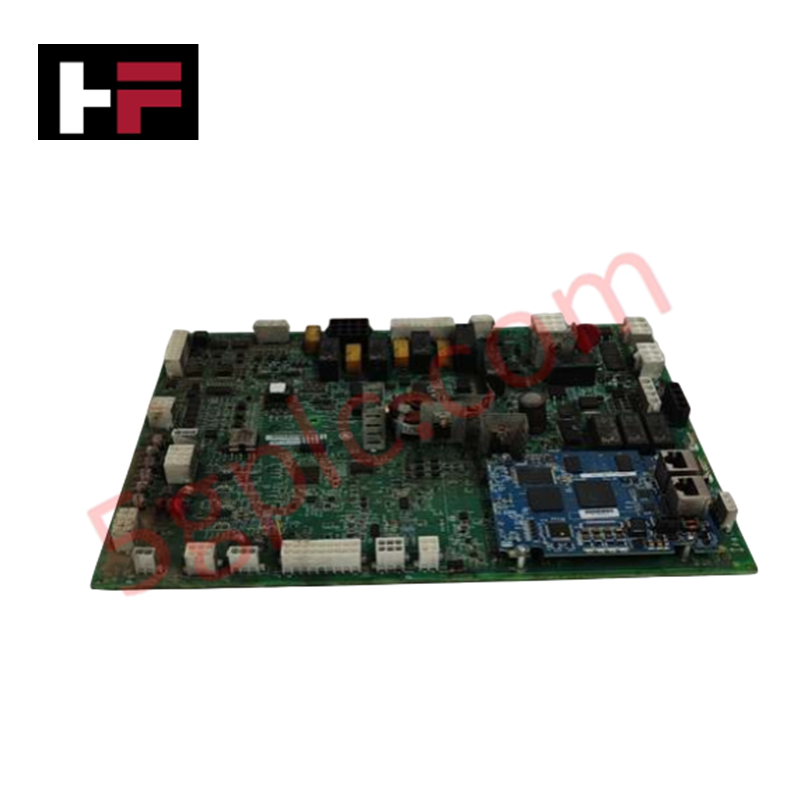
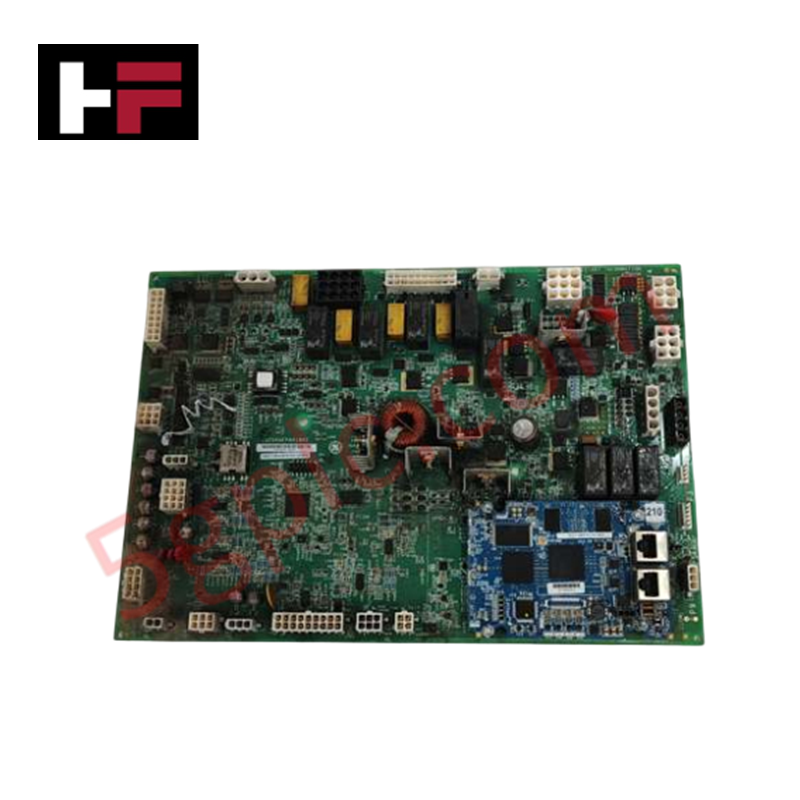
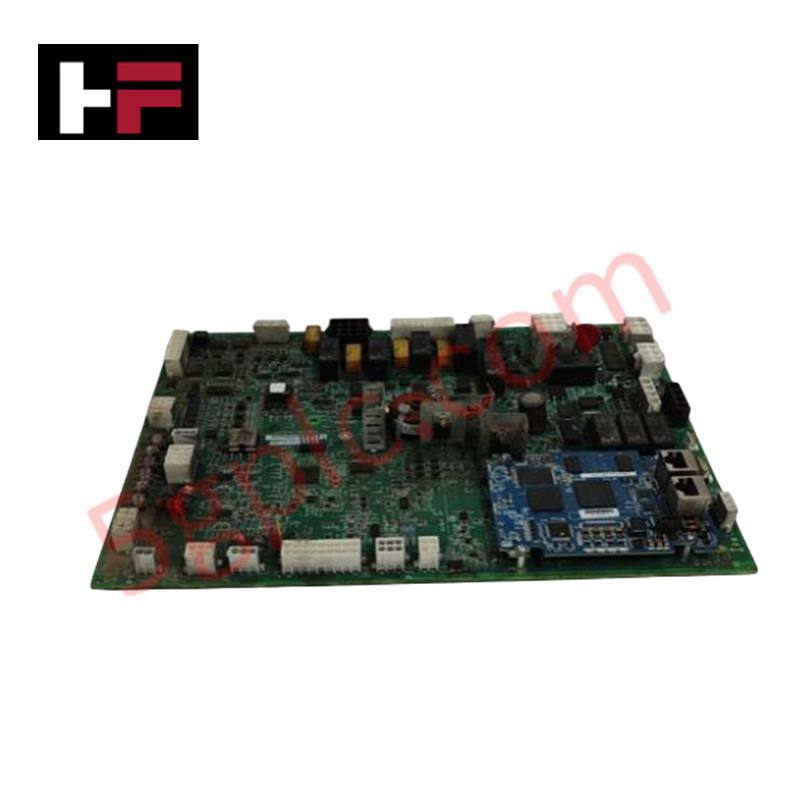
Configured for 6-pulse phase-controlled bridge management in Mark VI turbine control systems, the GE DS200FCGDH1B (DS200FCGD Gate Distribution and Status Card) provides direct physical/electrical execution of SCR firing command distribution and bridge feedback processing.
Hardware Specifications
| Parameter | Specification |
|---|---|
| Model | DS200FCGDH1B |
| Brand | GE (General Electric) |
| Origin | USA |
| Weight | 0.45 kg |
| Dimensions | 9.2 inch x 6.3 inch |
| Operating Temp | -30 to 65 deg C |
| Power Consumption | 24 VDC |
| Channels | 12 |
| Span | -8 mV to +45 mV |
PLC/DCS Deterministic Network Integration
The DS200FCGDH1B maintains deterministic timing within the Mark VI architecture by interfacing directly with the DSPC VME processor. The module decodes multiplexed cell status signals and distributes gating commands across the bridge legs, ensuring synchronized power conversion. Integration is contingent upon precise backplane bus communication velocity settings, which facilitate the high-speed transfer of feedback data including voltage, frequency, and current status. Firmware flash compatibility is governed by the host VME processor; users must verify that the FCGD register structure is recognized by the active control software to ensure accurate pulse-width modulation and timestamping of firing commands.
Frequently Asked Questions
Q: What is the significance of the "IMOK" LED indicator on the board front?
A: The IMOK LED confirms the integrity of the board-level system heartbeat. This indicator only illuminates after the VME host CPU has successfully initialized the heartbeat register, verifying that the board is communicating correctly with the processor and performing its diagnostic functions.
Q: Can the board be configured for different bridge pulse variations?
A: The FCGD is designed specifically for 6-pulse phase-controlled, non-reversing bridge interfaces. It handles gating signals by decoding multiplexed inputs; modifications to the bridge topology or pulse requirements are not supported via jumpers and would require a hardware revision or a system-level logic change within the DSPC processor.
Field Installation Guidelines
- Mounting: The board is designed for DIN-rail mounting. Ensure the rail is securely fastened to the cabinet backplane and provides a solid earth-ground connection to mitigate transient voltage interference.
- VME Backplane Insertion: When inserting the card into the VME slot, ensure the ejector levers are fully retracted. Ensure the connectors are properly aligned to prevent pin damage during insertion, as the high density of the VME bus requires precise seating.
- Signal Grounding: Because the board operates with a sensitive span of -8 mV to +45 mV, maintain physical separation between signal inputs and high-power AC lines to prevent induced noise and potential signal clipping.
- Reset Protocols: During system power-up or following a hard reset, allow the board to cycle through its internal diagnostic routine, confirmed by the illumination of the IMOK LED, before enabling high-voltage firing sequences.
Additional Information
- 100% Genuine Parts: All products are original and authentic, ensuring reliable industrial performance.
- 30-Day Refund Guarantee: Return any in-stock item within 30 days in original, unopened packaging for a full refund (excluding shipping and fees).
- 12-Month Warranty: Covers defects in materials or workmanship; excludes misuse, normal wear, or unauthorized modifications.
- Worldwide Shipping: We ship via USPS, UPS, FedEx, and DHL. Delivery times vary by country and may be subject to customs or import fees.
- Support & Contact: Technical and warranty assistance is available anytime. Contact us here: Contact.
- Purchase Guidance: Check product specifications and compatibility carefully before ordering to ensure proper application.
Tech & Buying Guide

Batch vs Continuous Processing in Industrial Automation: Architectural Strategies for Control Engineers
Selecting the proper control architecture remains a pivotal decision when designing industrial automation systems. Automation engineers must evaluate whether a batch or continuous process model best fits their production requirements. This fundamental choice influences PLC and DCS programming, hardware redundancy, sensor selection, and overall factory automation layouts.

Demystifying Signal Isolators: Operating Principles, Architectural Types, and Industrial Applications
Industrial automation systems rely on pristine analog signal transmission across complex control loops. Instrument technicians and system integrators frequently deploy signal isolators to maintain signal integrity between field sensors and control platforms. Eliminating electrical noise, ground loops, and high-voltage transients protects delicate PLC, DCS, and SCADA input channels from permanent damage.
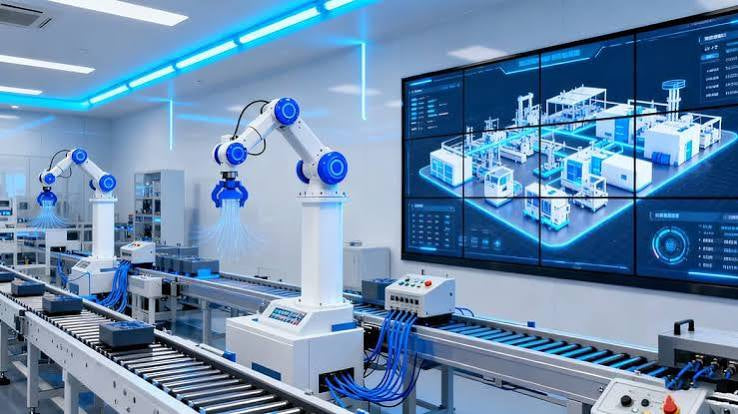
Demystifying Industrial Control Systems: Comparing PLC, DCS, RTU, SCADA, and PAC
Modern factory automation relies on distinct control architectures to manage complex process environments efficiently. Control engineers often evaluate PLC, DCS, RTU, SCADA, and PAC platforms when designing industrial infrastructure. Understanding the functional boundaries of each technology ensures optimal system performance, high availability, and long-term cost efficiency.