










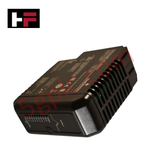
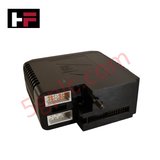
Product Details
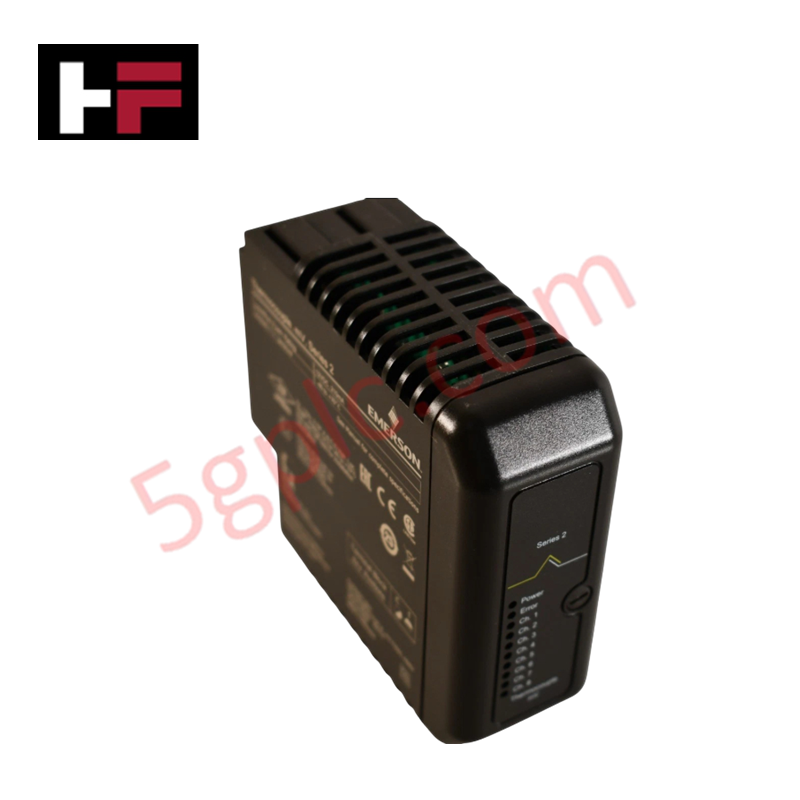
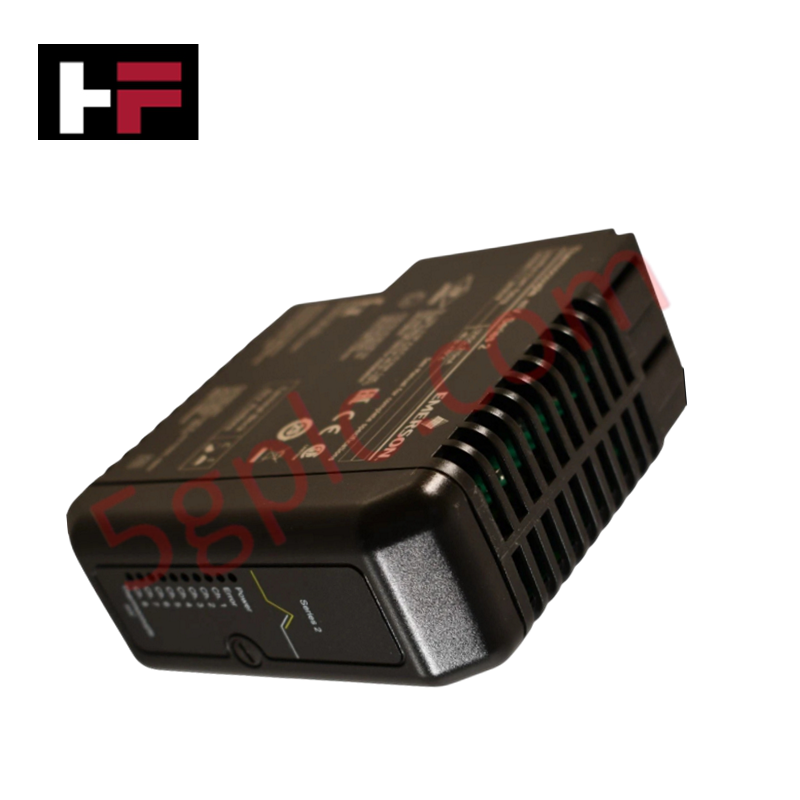
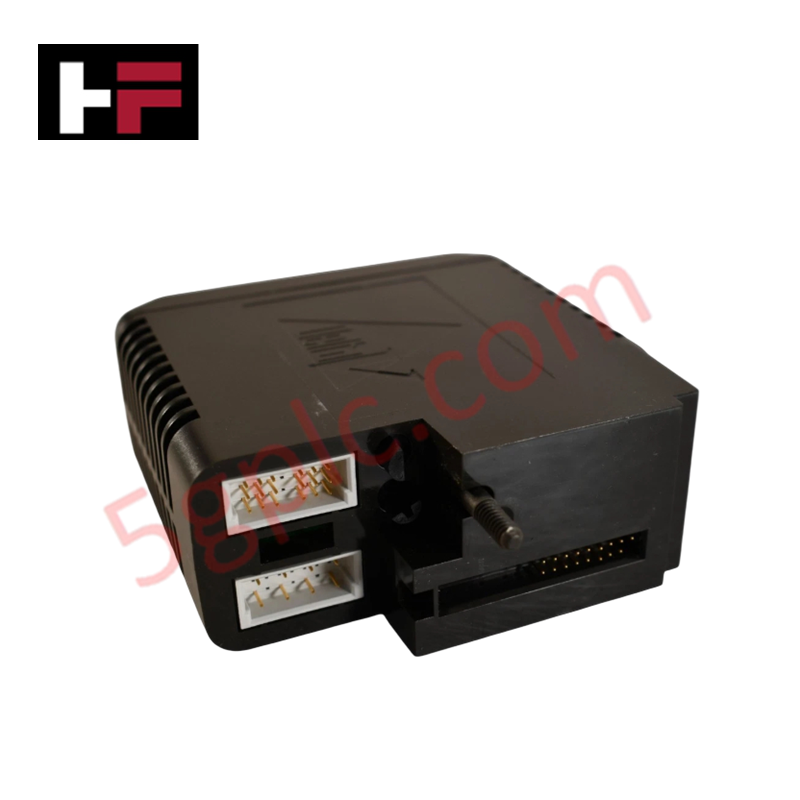
Configured for signal distribution in DeltaV DCS platforms, the Emerson KJ3102X1-BE1 (KJ3102X1-BE1 I/O Module) provides direct physical and electrical execution of localized bus communication. This hardware component serves as a terminal interface to facilitate data exchange within the process control environment.
Hardware Specifications
| Parameter | Specification |
|---|---|
| Model | KJ3102X1-BE1 |
| Brand | Emerson |
| Origin | USA |
| Weight | 0.1 kg |
| Dimensions | 2.2 cm x 12.4 cm x 12.6 cm |
| Operating Temp | -40 deg C to 70 deg C |
| Power Consumption | 150 mA at 12 VDC |
| Bus Interface | LocalBus |
Signal Integrity and Loop Isolation
The module architecture supports channel-to-channel isolation to minimize electromagnetic interference (EMI) within the control cabinet. During operation, the system monitors loop continuity to ensure signal stability. Cold junction compensation (CJC) is managed via integrated circuitry to maintain measurement precision for temperature inputs. The design ensures consistent 4-20 mA HART loop protocol handling, permitting bi-directional digital communication over existing analog wiring without interrupting process variable transmission.
Frequently Asked Questions
Q: Can this module be hot-swapped while the system is powered?
A: Yes, this hardware supports hot-swapping within the DeltaV I/O subsystem. Ensure the corresponding slot is configured for hot-swap operations in the control software before physical removal to prevent backplane communication errors.
Q: What is the maximum load capacity for the LocalBus connection?
A: The module is rated for a power consumption of 150 mA at 12 VDC. Ensure that the total current draw of all modules on the segment does not exceed the power supply capacity of the carrier assembly.
Field Installation Guidelines
- Mounting: Secure the module onto the designated carrier assembly until the locking mechanism engages. Ensure the module is seated flush against the backplane to establish a proper electrical connection.
- Grounding: Maintain a low-impedance connection between the carrier chassis and the cabinet ground bus. All cable shields should be terminated at the designated shield terminals to reduce induced noise.
- Wiring: Use twisted-pair, shielded cabling for all analog signals. Observe local electrical codes for wire sizing and routing, keeping signal lines separated from high-voltage power conduits to prevent crosstalk.
- Thermal Management: Verify that the cabinet ventilation systems are operational. Maintain a clearance of at least 5 cm above and below the module to allow for adequate airflow and heat dissipation.
Additional Information
- 100% Genuine Parts: All products are original and authentic, ensuring reliable industrial performance.
- 30-Day Refund Guarantee: Return any in-stock item within 30 days in original, unopened packaging for a full refund (excluding shipping and fees).
- 12-Month Warranty: Covers defects in materials or workmanship; excludes misuse, normal wear, or unauthorized modifications.
- Worldwide Shipping: We ship via USPS, UPS, FedEx, and DHL. Delivery times vary by country and may be subject to customs or import fees.
- Support & Contact: Technical and warranty assistance is available anytime. Contact us here: Contact.
- Purchase Guidance: Check product specifications and compatibility carefully before ordering to ensure proper application.




Tech & Buying Guide
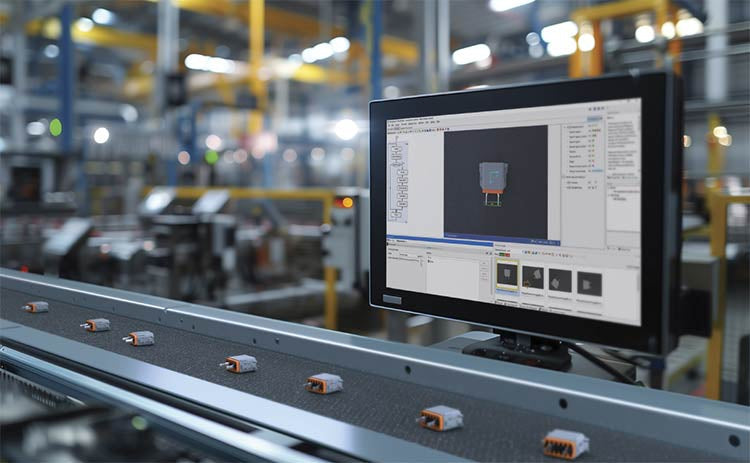
Modern Industrial Automation: Transforming Safety and Efficiency in Mining Operations
Industrial automation has evolved from a simple manufacturing tool into the operational backbone of high-risk sectors. Modern mining operations increasingly rely on advanced control systems, programmable logic controllers (PLCs), distributed control systems (DCS), and artificial intelligence to address deep-underground hazards. By replacing manual labor in high-risk zones, factory automation technologies protect personnel while significantly boosting operational throughput.

Step-by-Step System Cabinet Health Check Guide for PLC and DCS Infrastructure
