










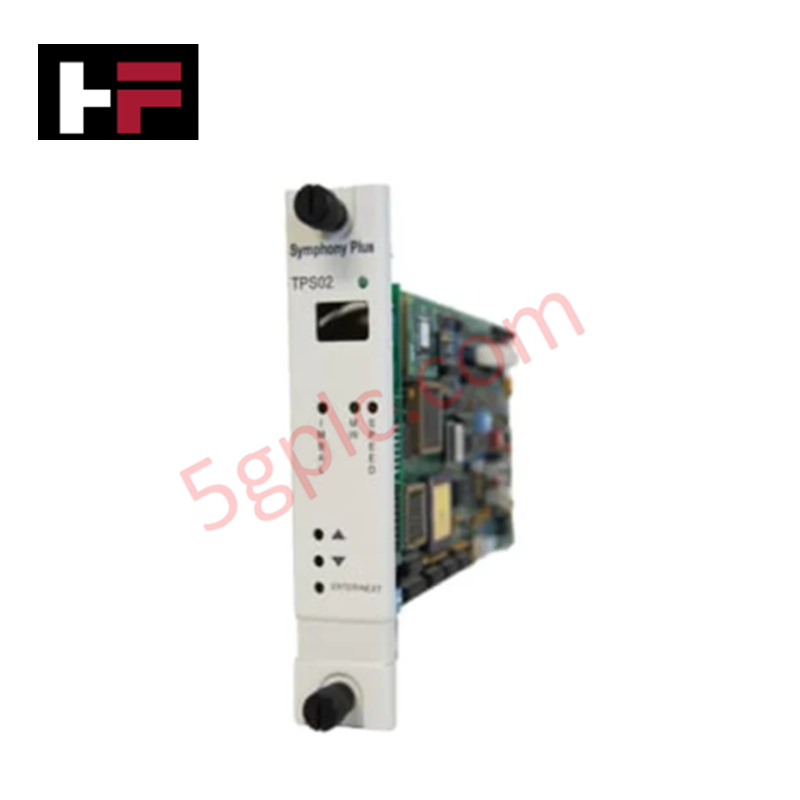
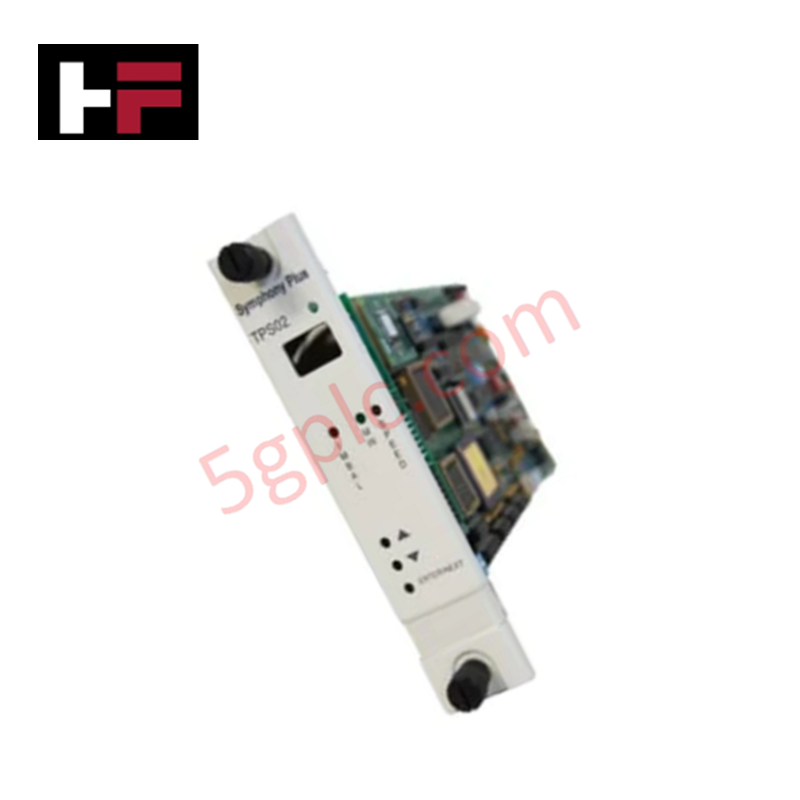
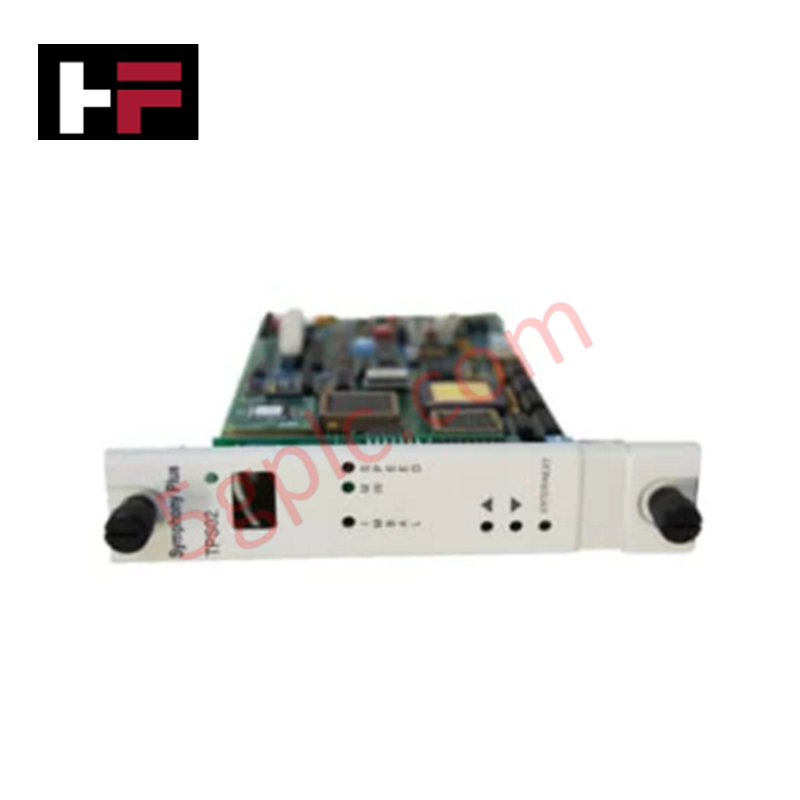
Product Details
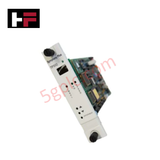
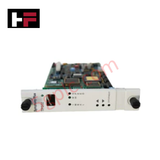
The ABB TPSTU02, also cataloged as the TPSTU02 Turbine Protection Module, serves as the primary TPSTU02 Termination Unit utilized to execute turbine safety trip loop routing across Harmony Rack platforms.
Hardware Specifications
| Parameter | Specification |
|---|---|
| Model | TPSTU02 |
| Brand | ABB |
| Origin | USA |
| Weight | 4.332 kg |
| Dimensions | 69.85 mm x 355.6 mm x 482.6 mm |
| Operating Temp | 0 to +60 deg C (Standard industrial parameters) |
| Power Consumption | Passive base structure (Dependent on hosted module load) |
| Product Type | Module Termination Units |
| Compatibility | SPTPS02 and SPTPS13TPS protection modules |
| Rack Subsystem | Harmony Rack slot allocation |
Firmware Flash Compatibility and I/O Density Scaling
The circuit trace matrix of the TPSTU02 is engineered to route high-integrity trip signals between the protection modules and the terminal blocks without causing degradation to the backplane bus communication velocity. The passive pathing maintains timing synchronization during processing cycles, enabling integration alongside Profinet / EtherNet/IP deterministic networks via bridge modules. This termination assembly ensures absolute firmware flash compatibility between the safety processor cards and the physical tripping relays, supporting structured I/O density scaling across the sub-rack interface layout.
Frequently Asked Questions
Q: Does the TPSTU02 termination unit support live hot-swap insertion of the attached protection modules?
A: Yes. The hardware configuration allows online insertion and extraction of individual SPTPS02 or SPTPS13TPS modules hosted on the unit. However, the termination framework itself cannot be unmounted or disconnected from the Harmony rack backplane while the power distribution rails are live.
Q: What defines the active power draw metrics of this termination unit?
A: The TPSTU02 is a passive termination interface board containing no internal processing components. The total power draw is determined by the specific consumption curves of the active safety trip modules inserted into its physical card slots.
Field Installation Guidelines
- Rack Assembly Alignment: Slide the termination unit framework into the designated section of the standard 19-inch Harmony Rack chassis. Secure the mounting ears using standard metric fasteners to ensure mechanical stability.
- Shield Grounding Protocol: Terminate all external turbine protection field sensor and actuator shields to a single, dedicated copper master ground rail inside the enclosure. Do not daisy-chain ground circuits to prevent parasitic noise loops.
- Terminal Torque Metrics: Tighten all field wiring termination screws to standard factory specification limits. Loose connections vary line impedance and can induce false trip faults in the safety logic.
- Separation of Cables: Route the critical emergency trip relay lines through separate wire ways isolated from high-voltage AC power wiring to block inductive transient coupling into the safety circuits.
Additional Information
- 100% Genuine Parts: All products are original and authentic, ensuring reliable industrial performance.
- 30-Day Refund Guarantee: Return any in-stock item within 30 days in original, unopened packaging for a full refund (excluding shipping and fees).
- 12-Month Warranty: Covers defects in materials or workmanship; excludes misuse, normal wear, or unauthorized modifications.
- Worldwide Shipping: We ship via USPS, UPS, FedEx, and DHL. Delivery times vary by country and may be subject to customs or import fees.
- Support & Contact: Technical and warranty assistance is available anytime. Contact us here: Contact.
- Purchase Guidance: Check product specifications and compatibility carefully before ordering to ensure proper application.









Tech & Buying Guide

Demystifying the DDE Protocol in Legacy Industrial Automation Systems
Modern control systems rely heavily on seamless interprocess communication to exchange operational data between software programs. Microsoft first introduced the Dynamic Data Exchange (DDE) protocol in 1987 to enable real-time data sharing. In factory automation, DDE served as an early bridge between control software and Windows desktop applications. Therefore, understanding DDE mechanics provides crucial insights into how legacy industrial networks established software-level connectivity.

Demystifying CPU Communication Ports in Siemens PLC Architectures
Industrial automation relies heavily on robust data exchange between devices. Without seamless connectivity, field instruments, network switches, human-machine interfaces, and programmable logic controllers cannot coordinate effectively. Therefore, understanding the various CPU communication ports available in Siemens hardware ensures efficient factory automation design and seamless system integration.

Mastering the Siemens PLC Scan Cycle: How the CPU Executes Automation Programs
Industrial automation relies heavily on programmable logic controllers (PLCs) to manage complex manufacturing processes. Many engineers dive straight into programming without mastering the underlying architecture. However, understanding how a PLC CPU executes a program ensures reliable system design. Therefore, mastering the scan cycle optimizes both performance and troubleshooting in modern control systems.