
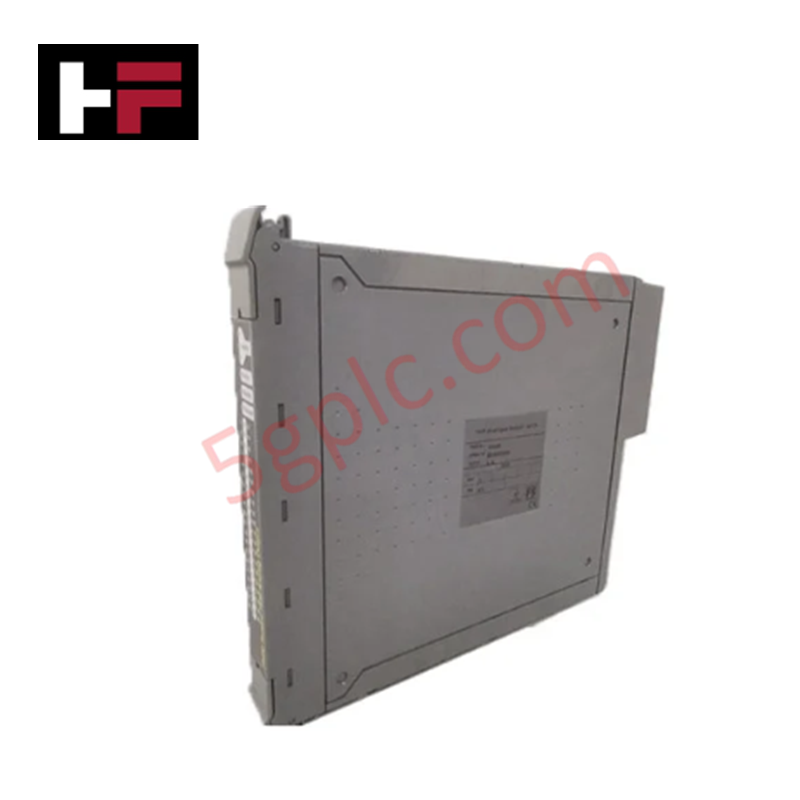
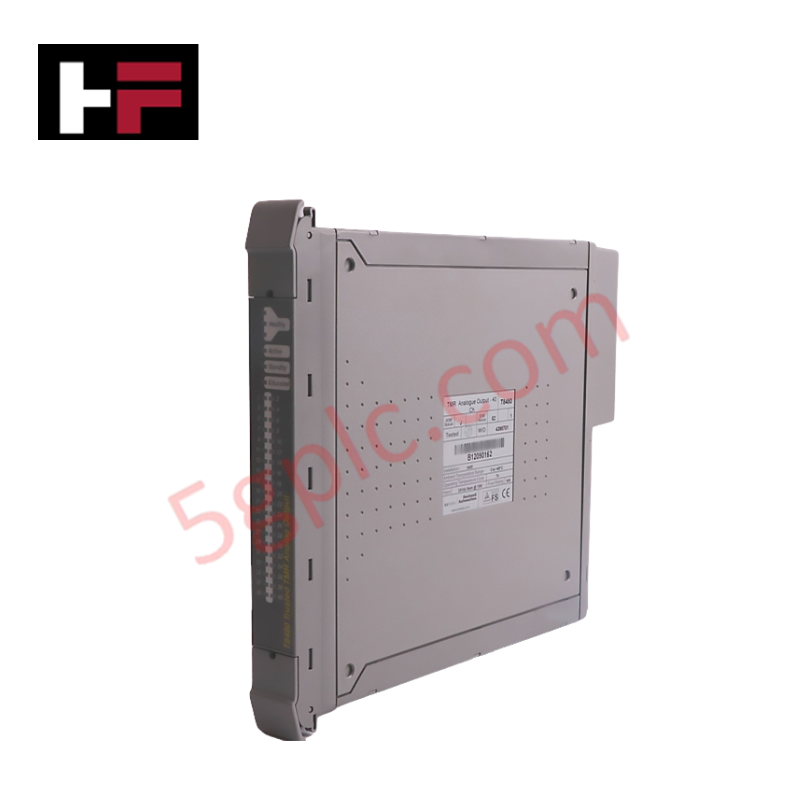
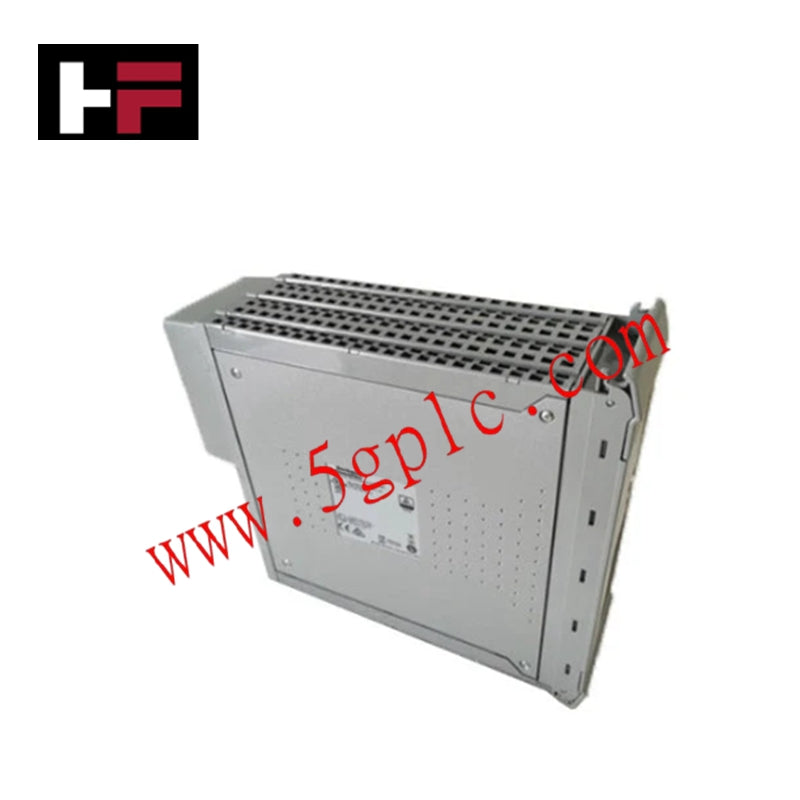
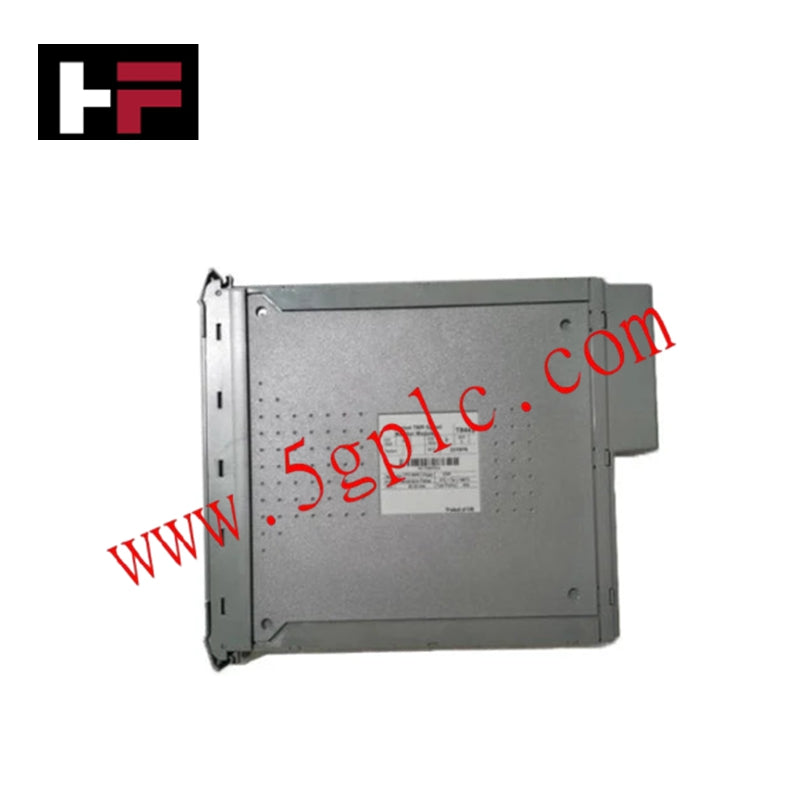
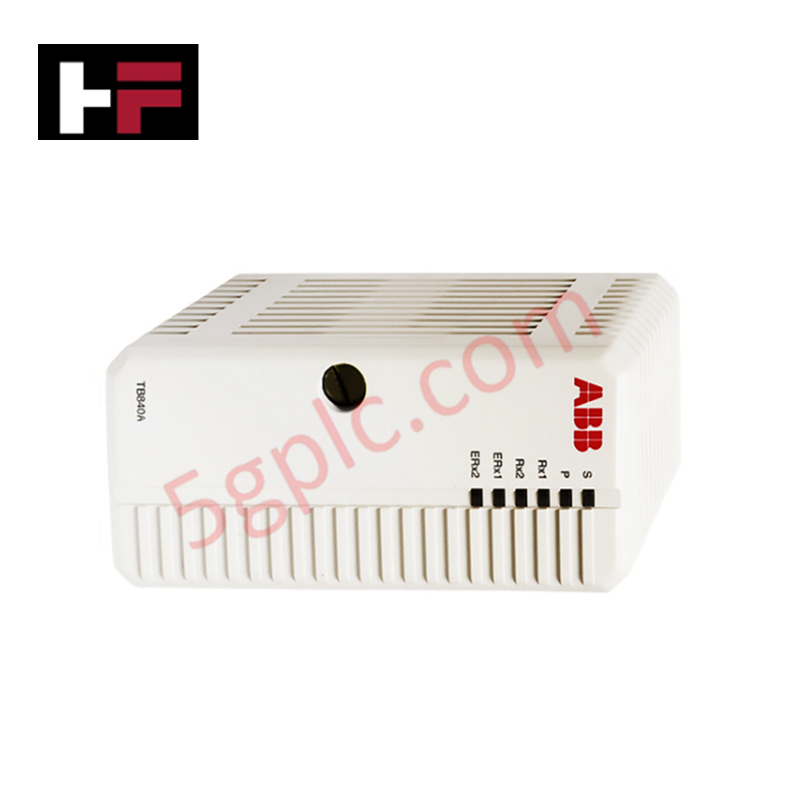
Product Details
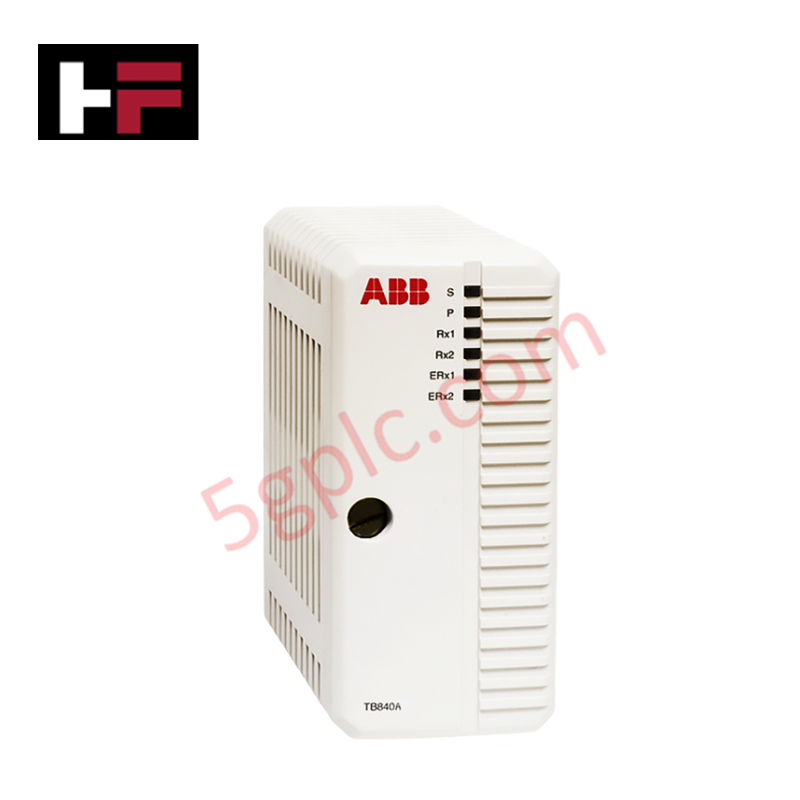
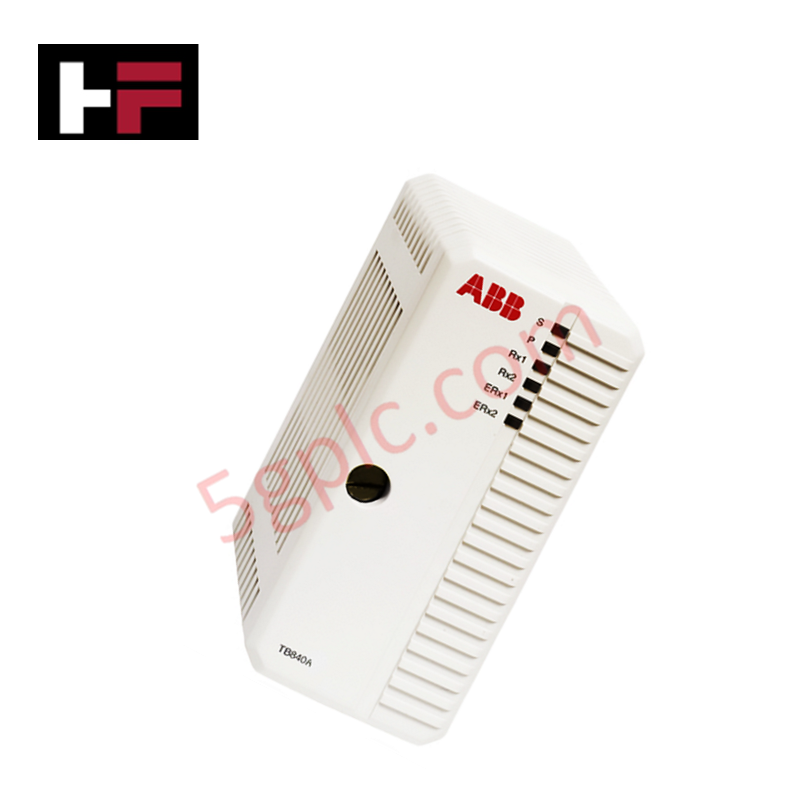
The ABB TB840A 3BSE037760R1, also cataloged as the TB840A Modulebus Cluster Modem, operates as a dedicated hardware component for optical-to-electrical signal conversion and I/O bus expansion within System 800xA and S800 I/O platforms. The module interfaces two optical ModuleBus fiber ports directly with electrical ModuleBus I/O backplane lines, managing supervisory power and redundant bus topology execution. It incorporates galvanic power isolation to protect downstream I/O clusters from line-side electrical transients.
Hardware Specifications
| Parameter | Specification |
|---|---|
| Model | TB840A 3BSE037760R1 |
| Brand | ABB |
| Origin | Sweden |
| Weight | 0.2 kg (0.44 lbs) |
| Dimensions | 54 mm x 119 mm x 96 mm (2.13 in x 4.69 in x 3.78 in) |
| Operating Temp | 0 to +55 deg C |
| Power Consumption | 120 mA at 24 VDC (typical) |
| Communication Protocol | Modulebus (Optical and Electrical) |
| Operating Mode | Slave |
| Line Redundancy | Supported |
| Module Redundancy | Supported |
| Hot Swap | Supported |
| HI Controller Compatibility | Yes (Used with High Integrity Controllers) |
| Compatible MTUs | TU840 (Redundant TB840A, Dual ModuleBus), TU841 (Redundant TB840A, Single ModuleBus) |
Backplane Bus Communication Velocity and Deterministic Network Redundancy
The TB840A modem maintains deterministic signal propagation across optical and electrical ModuleBus segments, enabling high-density I/O expansion without introducing communication delays. Firmware flash compatibility ensures smooth integration across S800 I/O clusters and High Integrity (HI) safety controllers. When deployed on dual ModuleBus terminal units (TU840/TU841), the module continuously monitors link integrity and optical power levels, executing seamless bumpless failover between primary and secondary lines if signal degradation occurs.
Frequently Asked Questions
Q: Does the TB840A support hot-swapping under live operating conditions?
A: Yes. The TB840A allows live replacement on a powered ModuleBus terminal unit (such as TU840 or TU841) without disrupting communication on adjacent active modules.
Q: What power input protection features are built into the TB840A modem?
A: The module contains internal power input fuses along with isolated power supply circuitry that delivers regulated, surge-protected DC power to connected I/O module backplanes.
Field Installation Guidelines
- Mount the matching ModuleBus Terminal Unit (TU840 for dual ModuleBus or TU841 for single ModuleBus) onto the DIN rail before module insertion.
- Ensure optical fiber connectors (ST type) are clean and free of dust contamination before inserting into the optical ModuleBus ports.
- Observe ESD precautions by wearing an earth-grounded wrist strap prior to unboxing and inserting the unit into its terminal unit slot.
- Push the TB840A firmly into the MTU slot until the mechanical locking latch fully engages the base assembly.
- Connect external 24 VDC power through fused terminal blocks and verify that field cabling shields terminate at a single chassis ground lug.
Additional Information
- 100% Genuine Parts: All products are original and authentic, ensuring reliable industrial performance.
- 30-Day Refund Guarantee: Return any in-stock item within 30 days in original, unopened packaging for a full refund (excluding shipping and fees).
- 12-Month Warranty: Covers defects in materials or workmanship; excludes misuse, normal wear, or unauthorized modifications.
- Worldwide Shipping: We ship via USPS, UPS, FedEx, and DHL. Delivery times vary by country and may be subject to customs or import fees.
- Support & Contact: Technical and warranty assistance is available anytime. Contact us here: Contact.
- Purchase Guidance: Check product specifications and compatibility carefully before ordering to ensure proper application.






Tech & Buying Guide

Understanding VFD Mechanical Brake Logic and Control in Industrial Automation
Variable Frequency Drives (VFDs) play a crucial role in modern industrial automation by controlling motor speed, torque, and acceleration. However, high-inertia loads and vertical lifting systems require precise mechanical braking logic to ensure operational safety and prevent equipment damage.

Why Programmable Logic Controllers Drop into Stop Mode: An Expert Analysis
Industrial automation systems rely heavily on Programmable Logic Controllers (PLCs) to maintain uninterrupted production. When a PLC unexpectedly shifts from Run to Stop mode, whole manufacturing lines stall.
As control systems evolve across modern factory automation, understanding the root causes of these interruptions helps engineers minimize costly downtime. This technical guide breaks down why PLCs trip into Stop mode and provides practical strategies to mitigate system faults.

Understanding Root Causes of Unplanned PLC Stop Mode in Industrial Automation
Modern Programmable Logic Controllers manage execution through distinct operational states: Run, Stop, Start-Up, and Hold. During power-up, a controller initializes memory registers within Stop mode before briefly transitioning to Start-Up mode. During this phase, internal self-diagnostics evaluate system integrity across hardware and user programs. If the controller detects no critical faults, it enters Run mode to execute the control program continuously. However, any severe system anomaly forces the CPU back into Stop mode immediately to prevent erratic machine behavior across the plant floor.