










Product Details
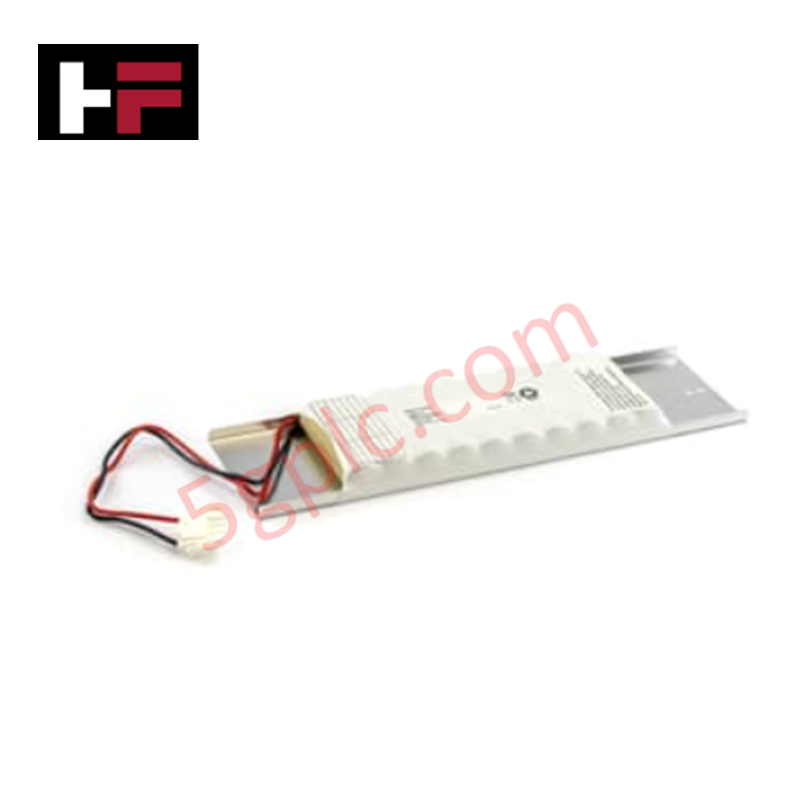
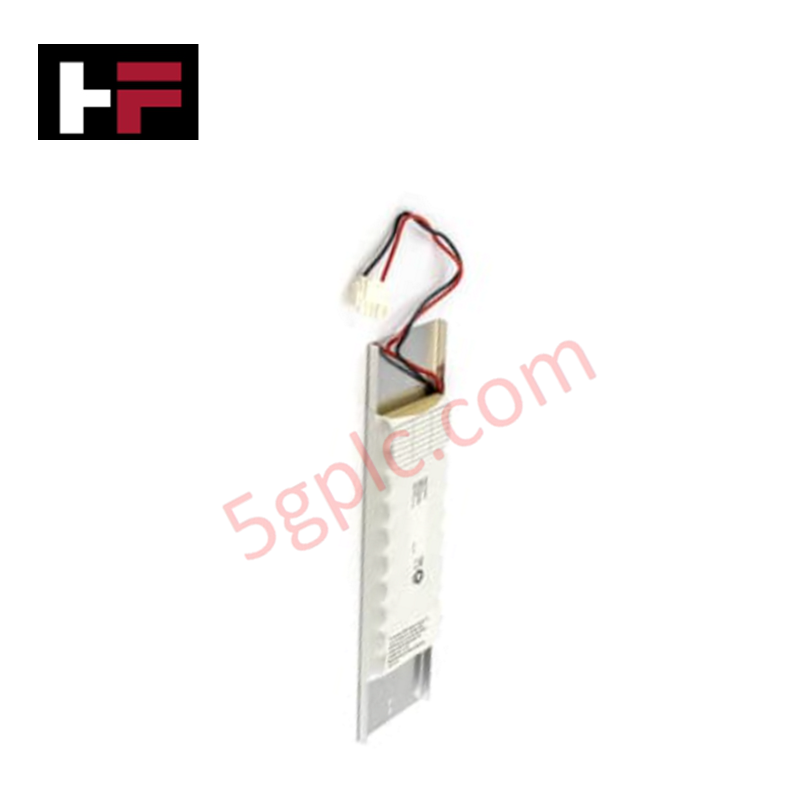
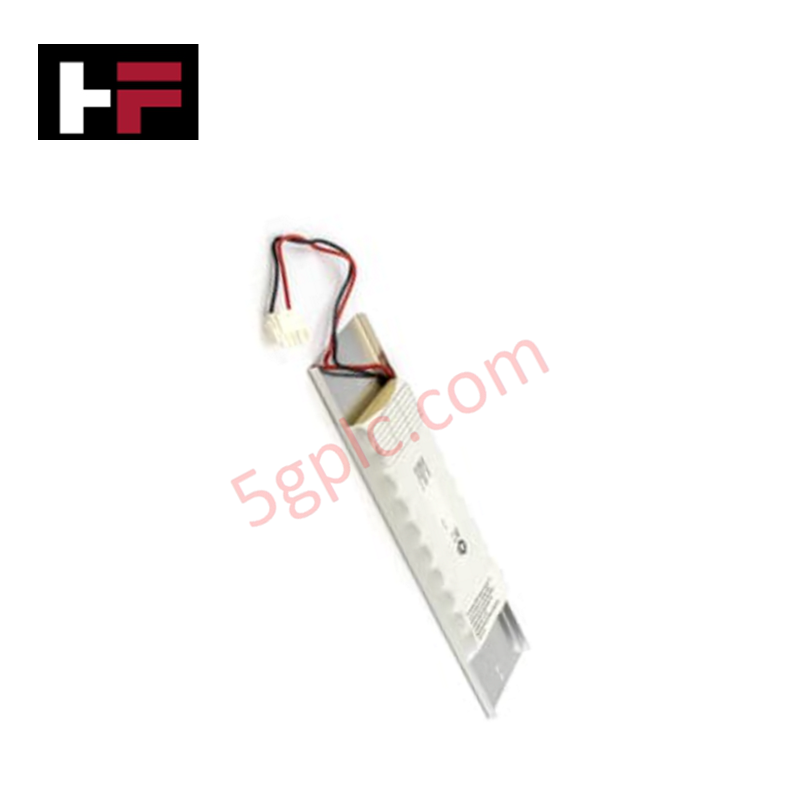
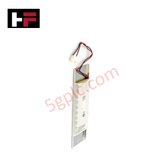
Configured for RAM data retention and backup current supply in Advant Controller 400 systems, the ABB SB522V1 3BSC760015R1 (SB522V1) Battery Unit provides direct physical/electrical execution to maintain continuous memory power.
Hardware Specifications
| Parameter | Specification |
|---|---|
| Model | SB522V1 |
| Part Number | 3BSC760015R1 |
| Brand | ABB |
| Origin | Sweden |
| Weight | 1.205 kg |
| Dimensions | Standard battery unit footprint (no dimension greater than 50 cm) |
| Operating Temp | 0 to 55 deg C |
| Power Consumption | 12 VDC, 4 Ah nominal output |
| Battery Chemistry | Rechargeable Nickel-Metal Hydride (NiMH) |
| Internal Protection | Internal Fuse 3.4 A |
| Compatible Chargers | SB510, SB511, SB518 (3BSC610071R1) |
| Primary Application | Backup current supply for volatile RAM memory retention |
Backplane Bus Communication Velocity & Firmware Flash Compatibility
The SB522V1 3BSC760015R1 interface manages DC bus voltage regulation during primary AC supply interruptions. By providing steady 12 VDC auxiliary current through the memory backplane contacts, it prevents volatile RAM state loss and system restart faults. Internal firmware flash compatibility in the host controller enables diagnostic monitoring of battery charge state across the backplane bus, maintaining deterministic system recovery without interrupting controller execution loops.
Frequently Asked Questions
Q: What is the rating and purpose of the internal fuse in the SB522V1 battery unit?
A: The module contains an integrated 3.4 A internal fuse designed to provide overcurrent protection during direct backup discharge to the RAM power bus.
Q: How often should spare SB522V1 units held in stock be recharged?
A: Spare SB522V1 batteries in stock must be recharged every six months using an approved battery charger, such as the SB518 (3BSC610071R1), to maintain cell capacity.
Field Installation Guidelines
- Power Off Verification: Isolate main power feeds to the battery module bay or charger interface before inserting or disconnecting battery connections.
- Connector Alignment: Ensure positive engagement and proper polarity when connecting the battery terminal harness to the SB510/SB511/SB518 charger assembly.
- Overcurrent Fuse Inspection: Verify the 3.4 A internal fuse integrity prior to field commissioning to ensure continuous RAM power takeover upon AC utility failure.
- Maintenance Schedule: Log the installation date directly on the battery housing and adhere to the scheduled preventive maintenance intervals (e.g., PM3YAC450-1 kit procedures).
Additional Information
- 100% Genuine Parts: All products are original and authentic, ensuring reliable industrial performance.
- 30-Day Refund Guarantee: Return any in-stock item within 30 days in original, unopened packaging for a full refund (excluding shipping and fees).
- 12-Month Warranty: Covers defects in materials or workmanship; excludes misuse, normal wear, or unauthorized modifications.
- Worldwide Shipping: We ship via USPS, UPS, FedEx, and DHL. Delivery times vary by country and may be subject to customs or import fees.
- Support & Contact: Technical and warranty assistance is available anytime. Contact us here: Contact.
- Purchase Guidance: Check product specifications and compatibility carefully before ordering to ensure proper application.






Tech & Buying Guide

Understanding PLC Digital Output Types: Relay, Transistor, and Triac Explained
Programmable Logic Controllers (PLCs) form the backbone of modern industrial automation systems. They interface directly with field devices such as solenoid valves, indicator lights, motor starters, and interposing relays. Selecting the correct digital output module ensures high system availability and long hardware service life.

Understanding VFD Mechanical Brake Logic and Control in Industrial Automation
Variable Frequency Drives (VFDs) play a crucial role in modern industrial automation by controlling motor speed, torque, and acceleration. However, high-inertia loads and vertical lifting systems require precise mechanical braking logic to ensure operational safety and prevent equipment damage.

Why Programmable Logic Controllers Drop into Stop Mode: An Expert Analysis
Industrial automation systems rely heavily on Programmable Logic Controllers (PLCs) to maintain uninterrupted production. When a PLC unexpectedly shifts from Run to Stop mode, whole manufacturing lines stall.
As control systems evolve across modern factory automation, understanding the root causes of these interruptions helps engineers minimize costly downtime. This technical guide breaks down why PLCs trip into Stop mode and provides practical strategies to mitigate system faults.