










Product Details
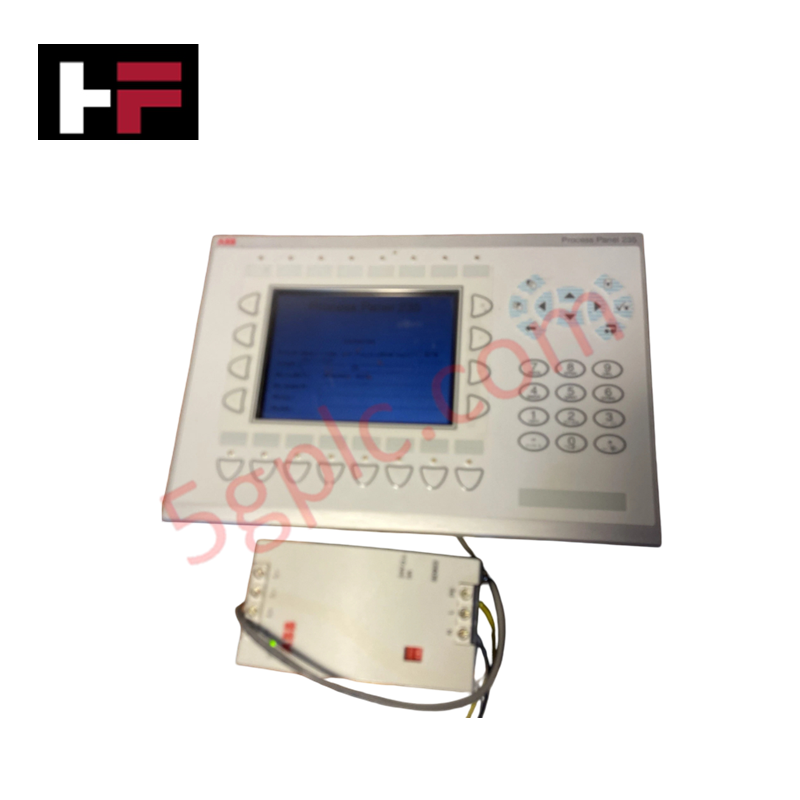
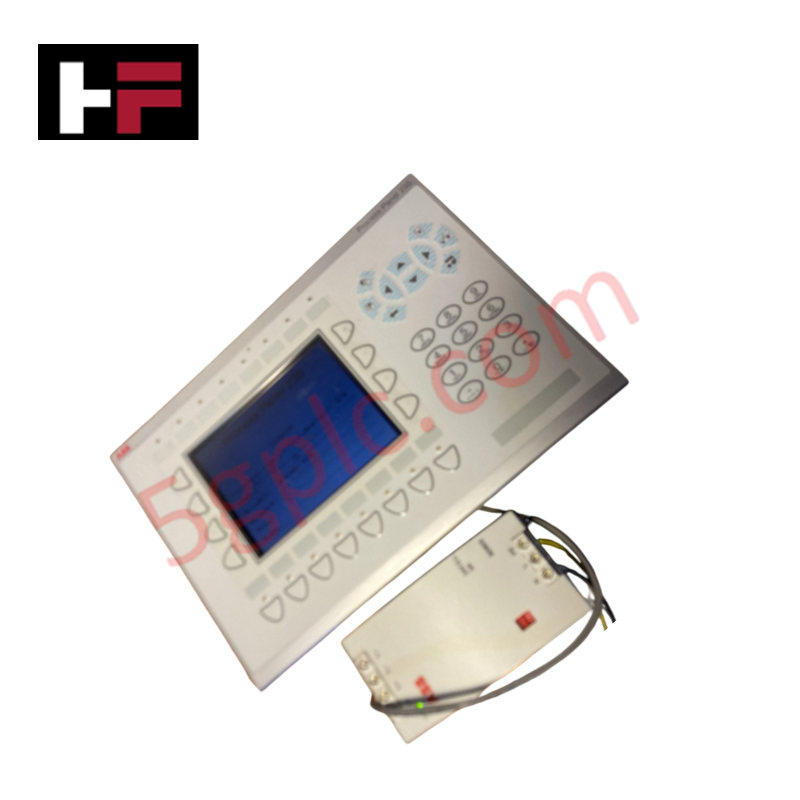
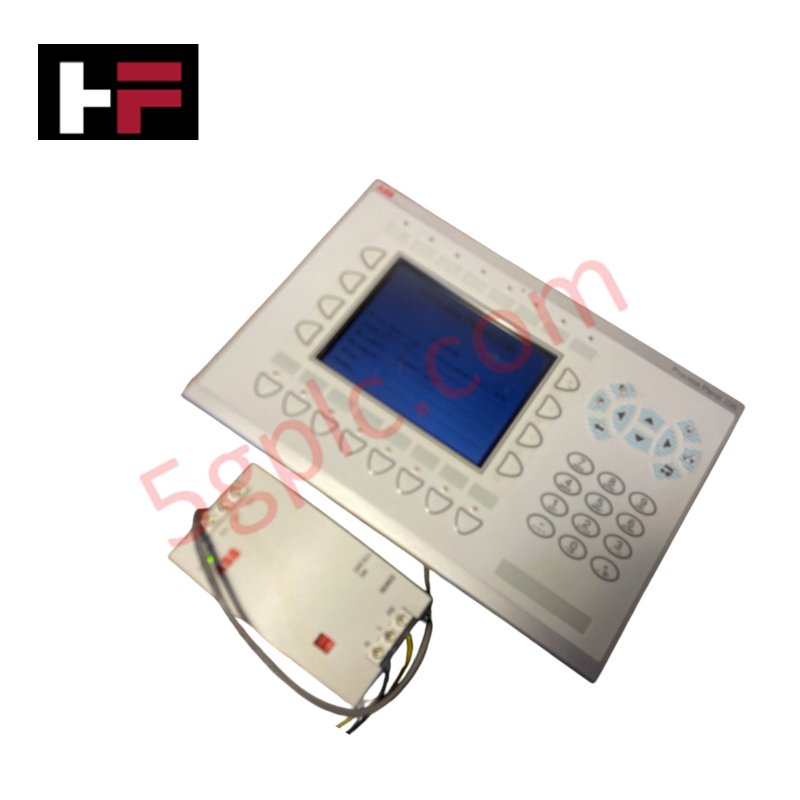
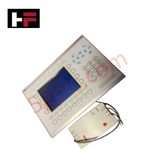
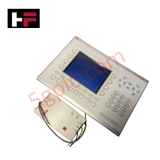
The ABB PP235 3BSC690102R2, also cataloged as the PP235 Process Panel, operates as a dedicated hardware component for high-density binary signal acquisition and interface execution within Panel 800 networks. The physical unit provides functional keypad monitoring and parameter distribution directly through an integrated 5.7 inch display assembly. Functioning as a non-volatile system control accessory, the hardware interfaces with master logic devices over localized bus architectures to translate structural operator commands into deterministic field register updates.
Hardware Specifications
| Parameter | Specification |
|---|---|
| Model | PP235 3BSC690102R2 |
| Brand | ABB |
| Origin | Sweden (Standard manufacturing location applies) |
| Weight | 0.002 kg |
| Dimensions | Integrated 5.7 inch panel frame size |
| Operating Temp | 0 to +50 deg C (Standard industrial parameters apply) |
| Power Consumption | System link loop dependent |
| Product Type | Control System Accessory |
| Interface Mechanism | Physical Function Keys |
| Environmental Compliance | Not RoHS 2 2011/65/EU compliant |
| Lifecycle Restriction | Spare part exclusively for systems deployed before July 22, 2017 |
Firmware Flash Compatibility
The PP235 hardware module maintains structural configuration parity with connected controllers via hardcoded firmware flash compatibility tables. Because this terminal operates within specific legacy frameworks, memory allocation maps and variable polling sequences must match the designated system bus speed without causing data collision. Unsynchronized version parameters drop network processing rates, meaning structural migration paths require dedicated hardware updates, such as transitioning to the downstream panel profile defined for this interface structure.
Frequently Asked Questions
Q: What are the restrictions regarding the deployment of the PP235 hardware within European regions?
A: This component is not RoHS 2 2011/65/EU compliant. It functions strictly as a replacement assembly intended for the repair, reuse, operational modification, or capacity expansion of pre-existing industrial control architectures commissioned before July 22, 2017.
Q: Is hot-swapping or on-line connection of the module bus cable permitted while the system is under load?
A: No. Connecting or breaking the power and communication cables while the central data line is energized risks generating high-voltage transients. This will disrupt adjacent node polling and can lead to immediate electrical degradation of the local processor lines.
Q: What specific hardware unit is designated to replace this 5.7 inch terminal configuration during an active upgrade path?
A: Active structural migration requires replacing this unit with a modern equivalent assembly. The standard functional successor is specified under physical allocation references matching alternative module variants that feature slightly larger layout configurations.
Field Installation Guidelines
The PP235 device must be mounted flat into a precise rectangular cutout on a rigid industrial enclosure panel door. Ensure that the sealing gasket is evenly compressed along the perimeter of the bezel to prevent moisture or dust ingress from breaching the interior electronics. All communications wiring must use high-grade shielded twisted-pair cables, and the structural chassis grounding stud on the rear of the panel frame must connect directly to the central panel earth bar via a thick copper strap. Route low-voltage signal cables away from AC power lines or high-frequency drive loops to suppress electromagnetic induction.
Additional Information
- 100% Genuine Parts: All products are original and authentic, ensuring reliable industrial performance.
- 30-Day Refund Guarantee: Return any in-stock item within 30 days in original, unopened packaging for a full refund (excluding shipping and fees).
- 12-Month Warranty: Covers defects in materials or workmanship; excludes misuse, normal wear, or unauthorized modifications.
- Worldwide Shipping: We ship via USPS, UPS, FedEx, and DHL. Delivery times vary by country and may be subject to customs or import fees.
- Support & Contact: Technical and warranty assistance is available anytime. Contact us here: Contact.
- Purchase Guidance: Check product specifications and compatibility carefully before ordering to ensure proper application.






Tech & Buying Guide

Demystifying Open Platform Communication (OPC): The Backbone of Industrial Interoperability
Interoperability remains a cornerstone requirement for modern smart factories and process automation. Open Platform Communication (OPC) bridges the gap between disparate hardware platforms, control systems, and visualization software. By establishing a universal communication standard, OPC allows field controllers, SCADA platforms, and enterprise software from different vendors to exchange real-time data seamlessly.

Understanding Siemens PLC Memory Cards: MMC, SMC, and SD Solutions in Industrial Automation
Memory management plays a pivotal role in maintaining control system reliability across modern manufacturing plants. Industrial control systems rely on specialized memory cards to store project logic, firmware updates, and retentive system data. Siemens uses several memory architectures, including Micro Memory Cards (MMC) and SIMATIC Memory Cards (SMC). Engineers must understand these hardware variations to ensure zero data loss and minimize downtime during maintenance routines.

Redefining Control Systems: The Rise of Flexible I/O Modules in Industrial Automation
Conventional input-output architectures often limit engineering agility and inflate long-term inventory costs. Today, Flexible Input/Output Modules (FIOM) are transforming how control system engineers design, commission, and maintain automation infrastructure. By allowing individual channel software configuration, FIOM technology bridges the gap between rigid hardware design and dynamic plant requirements.