










Product Details
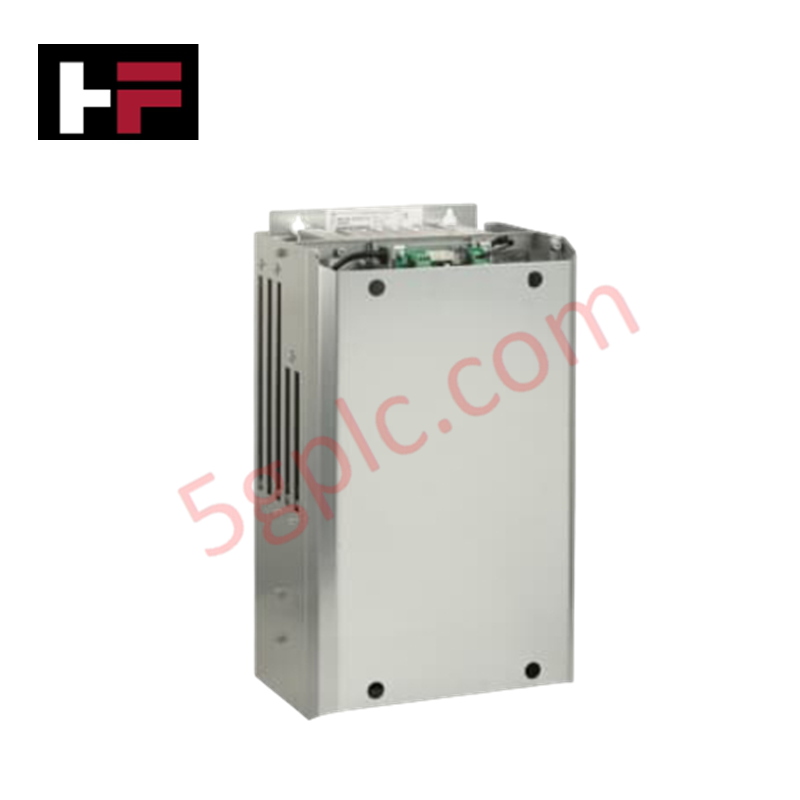
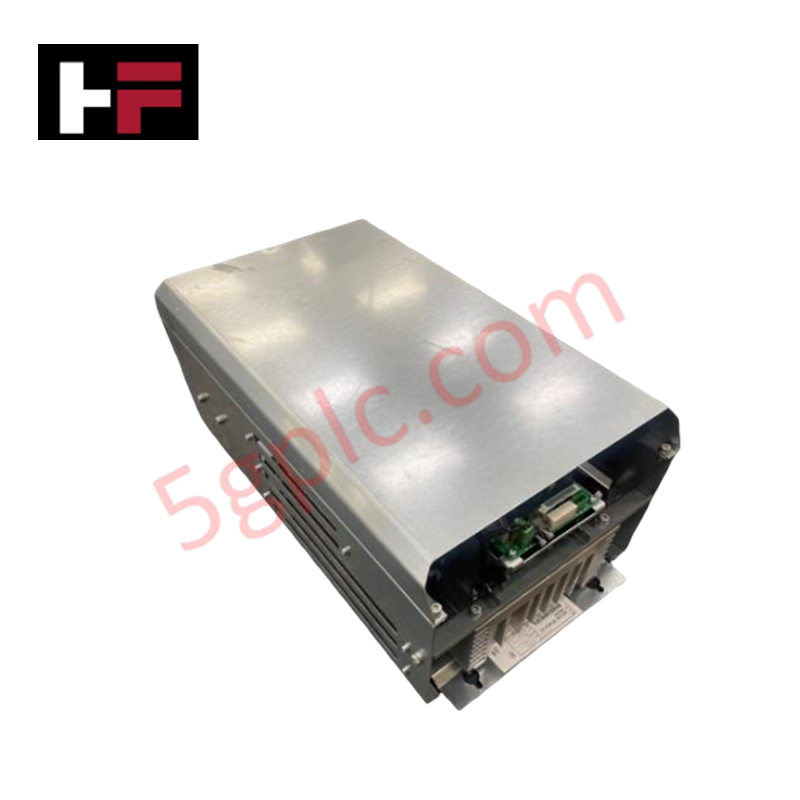
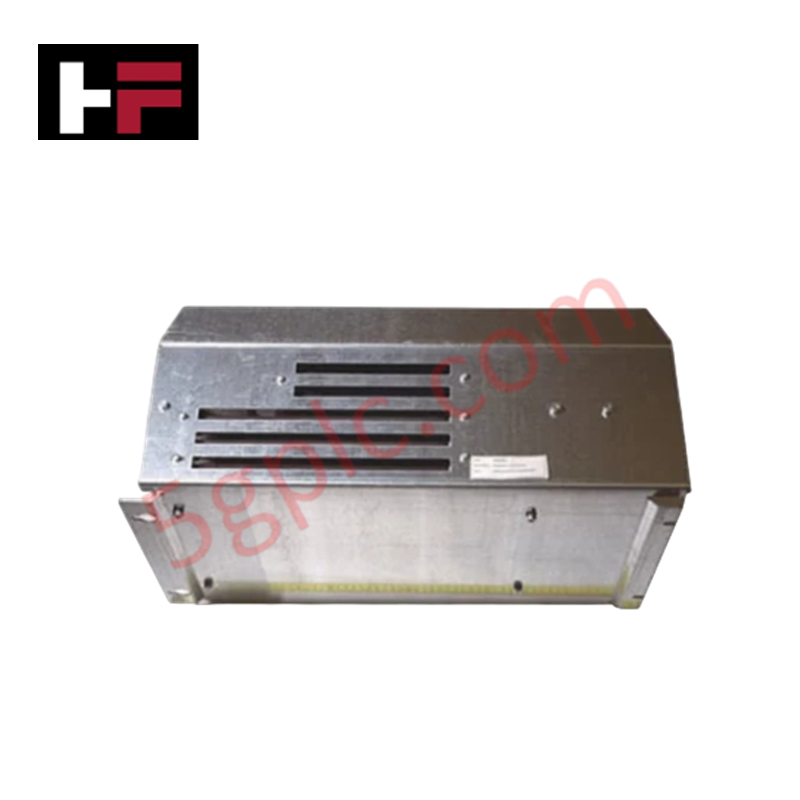
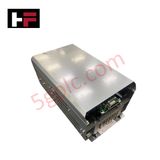
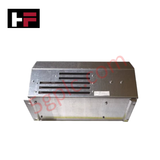
The ABB NBRA-659C, also cataloged as the NBRA-659C Braking Chopper, operates as a dedicated hardware component for overvoltage protection and dynamic braking energy dissipation within ACS600 drive networks.
Hardware Specifications
| Parameter | Specification |
| Model | NBRA-659C |
| Brand | ABB |
| Product ID | 59006436 |
| Origin | Finland |
| Weight | 24 kg |
| Dimensions | 58.4 cm x 33.4 cm x 24 cm |
| Operating Temp | 0 to +50 deg C (Standard drive option limits) |
| Power Consumption | Dependent on braking duty cycle and DC bus voltage |
| Frame Size | ACS600_option |
| EAN | 6438177017059 |
Firmware Flash Compatibility and Drive Integration
The hardware module is designed for direct integration with standard drive infrastructure, maintaining strict firmware flash compatibility across the ACS600 option control boards. The unit interfaces directly with the DC bus via dedicated hardware terminals to monitor voltage thresholds. When the DC bus voltage exceeds predetermined execution limits, the chopper initiates current redirection to an external resistor bank without inducing bus communication latencies or network interruptions. Internal tracking logic ensures that synchronization with the primary inverter switching frequency is maintained under dynamic load profiles.
Frequently Asked Questions
Q: How is firmware flash compatibility verified for this hardware option?
A: Compatibility is determined by the main application program version of the host drive. The module configuration parameters must match the designated slot allocation in the drive firmware table during commissioning.
Q: What are the primary grounding requirements for the chassis assembly?
A: The module weighs 24 kg and requires direct metal-to-metal contact with the protective earth (PE) bus of the enclosure via the specified chassis grounding points to mitigate high-frequency switching noise.
Q: Does this chopper unit include integrated short-circuit protection?
A: The unit relies on the primary DC link semiconductor fuses or external branch circuit protection specified for the ACS600 option frame size to execute isolation during catastrophic faults.
Field Installation Guidelines
-
Mechanical Mounting: Due to the physical weight of 24 kg, ensure the enclosure backplane supports the static load. Secure the module vertically using standard hardware fasteners.
-
Clearance and Airflow: Maintain the specified physical clearance profiles at the top and bottom of the unit to permit unrestricted convection or forced-air cooling across the internal heat sinks.
-
DC Bus Cabling: Route the DC positive and negative power connections using parallel, low-inductance cabling or busbars to reduce transient voltage spikes during high-current switching events.
-
Shielding Integrity: All control and interlocking signals must utilize twisted-pair, shielded cables terminated at the drive chassis ground to prevent EMI injection into neighboring control networks.
Additional Information
- 100% Genuine Parts: All products are original and authentic, ensuring reliable industrial performance.
- 30-Day Refund Guarantee: Return any in-stock item within 30 days in original, unopened packaging for a full refund (excluding shipping and fees).
- 12-Month Warranty: Covers defects in materials or workmanship; excludes misuse, normal wear, or unauthorized modifications.
- Worldwide Shipping: We ship via USPS, UPS, FedEx, and DHL. Delivery times vary by country and may be subject to customs or import fees.
- Support & Contact: Technical and warranty assistance is available anytime. Contact us here: Contact.
- Purchase Guidance: Check product specifications and compatibility carefully before ordering to ensure proper application.






Tech & Buying Guide

Demystifying CPU Communication Ports in Siemens PLC Architectures
Industrial automation relies heavily on robust data exchange between devices. Without seamless connectivity, field instruments, network switches, human-machine interfaces, and programmable logic controllers cannot coordinate effectively. Therefore, understanding the various CPU communication ports available in Siemens hardware ensures efficient factory automation design and seamless system integration.

Mastering the Siemens PLC Scan Cycle: How the CPU Executes Automation Programs
Industrial automation relies heavily on programmable logic controllers (PLCs) to manage complex manufacturing processes. Many engineers dive straight into programming without mastering the underlying architecture. However, understanding how a PLC CPU executes a program ensures reliable system design. Therefore, mastering the scan cycle optimizes both performance and troubleshooting in modern control systems.

How to Connect to Siemens S7 PLCs: 5 Essential Communication Methods
Establishing a reliable hardware link between a programming terminal and a Siemens SIMATIC controller is essential for engineering workflows. Field engineers rely on distinct physical layers, ranging from legacy serial connections to high-speed Industrial Ethernet protocols. Modern factory automation environments prioritize fast data transfer and seamless driver integration. Selecting the correct connection method simplifies program downloads, online monitoring, and system troubleshooting in complex control systems.