Product Details
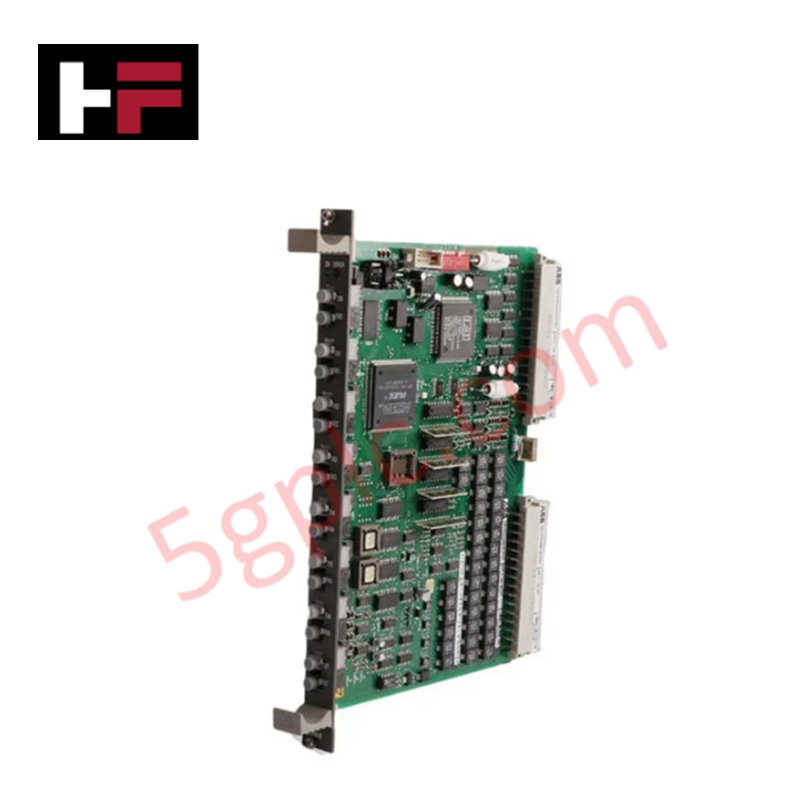
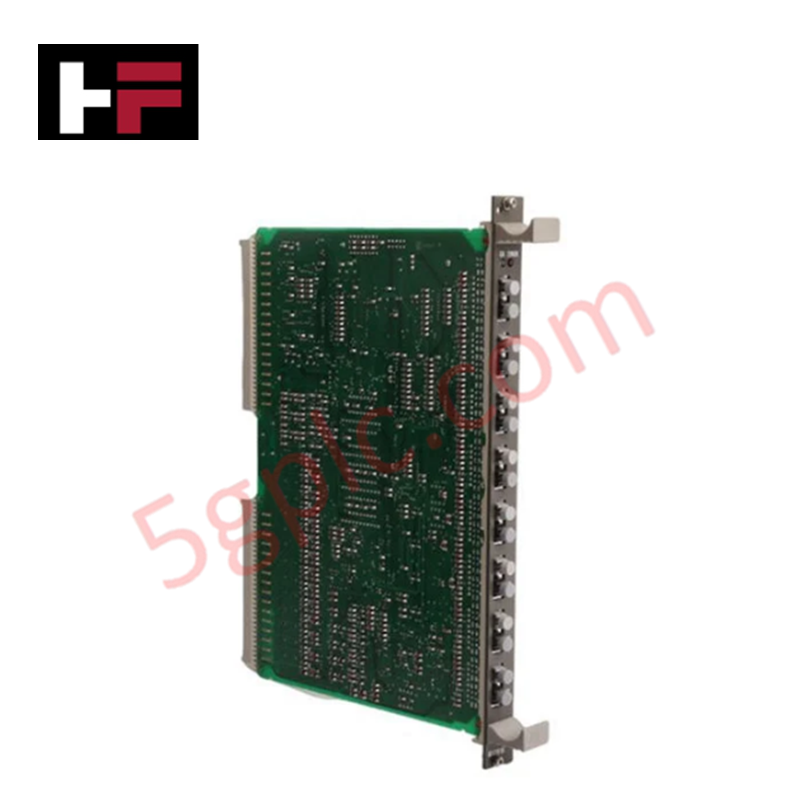
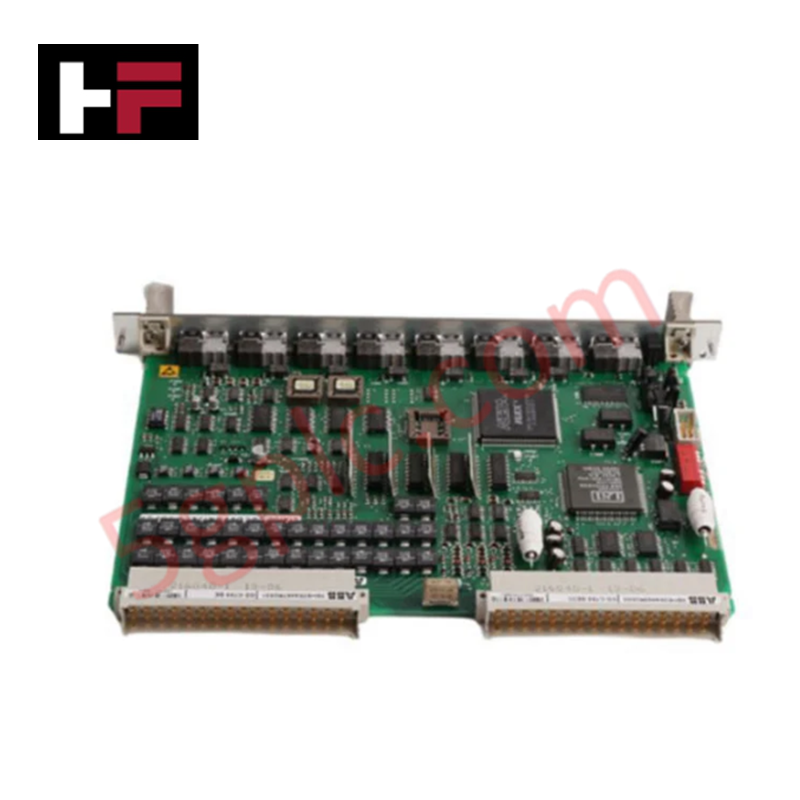
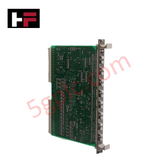
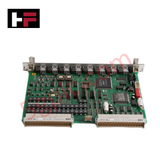
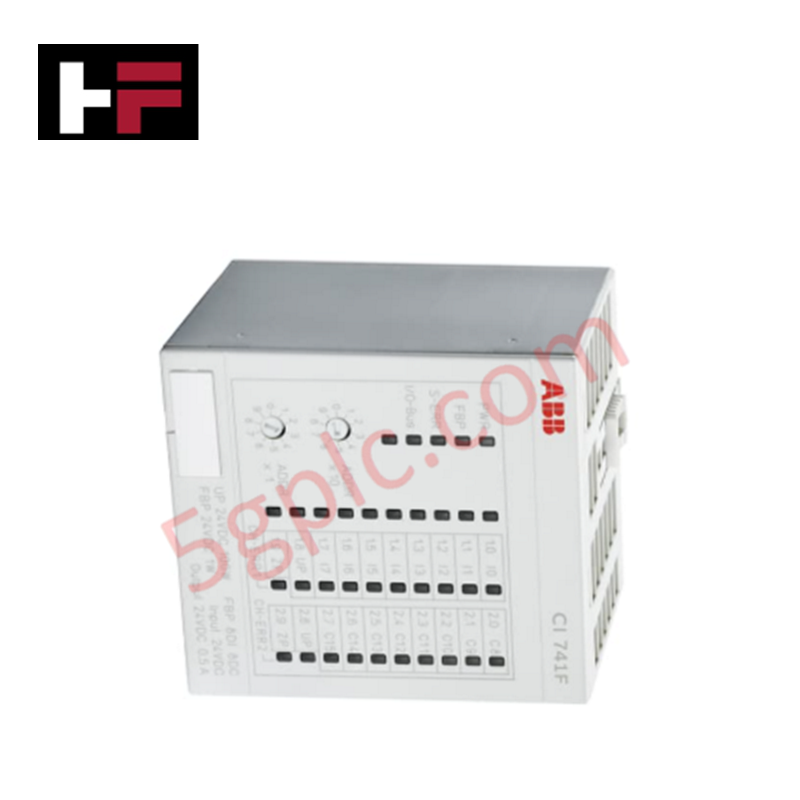
Configured for signal interface management in industrial control platforms, the ABB GD C780 BE21 (3BHE004573R0021 PCB Circuit Board) provides direct physical signal processing and voltage regulation within the controller backplane environment.
Hardware Specifications
| Parameter | Specification |
|---|---|
| Model | GD C780 BE21 |
| Brand | ABB |
| Part Number | 3BHE004468R0021 |
| Origin | Sweden |
| Weight | 0.34 kg |
| Dimensions | 20 mm x 196 mm x 260 mm |
| Operating Temp | Standard industrial ambient |
| Power Consumption | System backplane dependent |
| Rated Input Voltage | 24 V DC |
| Overload Current | 8 mA |
Backplane bus communication velocity and firmware compatibility
The GD C780 BE21 interfaces with the controller backplane to facilitate data exchange and signal conditioning. The board operates within a deterministic bus architecture, requiring consistent backplane bus communication velocity to maintain I/O scan timing accuracy. Firmware flash compatibility is dictated by the host controller's software revision; installers must verify that the specific module hardware revision is supported by the installed RobotWare or control platform version to avoid communication faults or register mapping errors. The module includes internal monitoring to detect signal overloads exceeding the 8 mA threshold, triggering diagnostic flags within the controller status registry.
Frequently Asked Questions
Q: Can the GD C780 BE21 circuit board be replaced while the system is powered?
A: No. The board must be installed or removed only when the control system is fully de-energized to prevent damage to the backplane communication pins and internal electronic components.
Q: What are the primary diagnostic indicators for a module communication failure?
A: Communication failure is typically indicated by a "Module Missing" or "Bus Timeout" error in the controller diagnostic log, often resulting from incomplete seating on the backplane or a firmware version mismatch.
Field Installation Guidelines
- ESD Protection: Use a grounded antistatic wrist strap during handling. The PCB contains sensitive components prone to failure from electrostatic discharge.
- Mechanical Seating: Insert the module into the backplane guide rails and apply even pressure to ensure the connector is fully seated. Verify the locking tabs are engaged.
- Grounding: Ensure the control rack chassis is effectively connected to the facility protective earth (PE) to minimize common-mode noise and protect the circuit from voltage surges.
- Signal Integrity: Route signal wiring away from high-current power cables and motor drives to maintain the integrity of the 24 V DC supply and the low-level signal inputs.
- Inspection: Regularly inspect the backplane connectors for signs of oxidation, dust, or moisture. Keep the control cabinet sealed and maintained within specified industrial environmental parameters to ensure long-term stability.
Additional Information
- 100% Genuine Parts: All products are original and authentic, ensuring reliable industrial performance.
- 30-Day Refund Guarantee: Return any in-stock item within 30 days in original, unopened packaging for a full refund (excluding shipping and fees).
- 12-Month Warranty: Covers defects in materials or workmanship; excludes misuse, normal wear, or unauthorized modifications.
- Worldwide Shipping: We ship via USPS, UPS, FedEx, and DHL. Delivery times vary by country and may be subject to customs or import fees.
- Support & Contact: Technical and warranty assistance is available anytime. Contact us here: Contact.
- Purchase Guidance: Check product specifications and compatibility carefully before ordering to ensure proper application.






Tech & Buying Guide

Importance of Safety Barriers in PLC and DCS Control Systems

Static UPS vs. Rotary UPS: Technical Evaluation for Industrial Automation