












Product Details
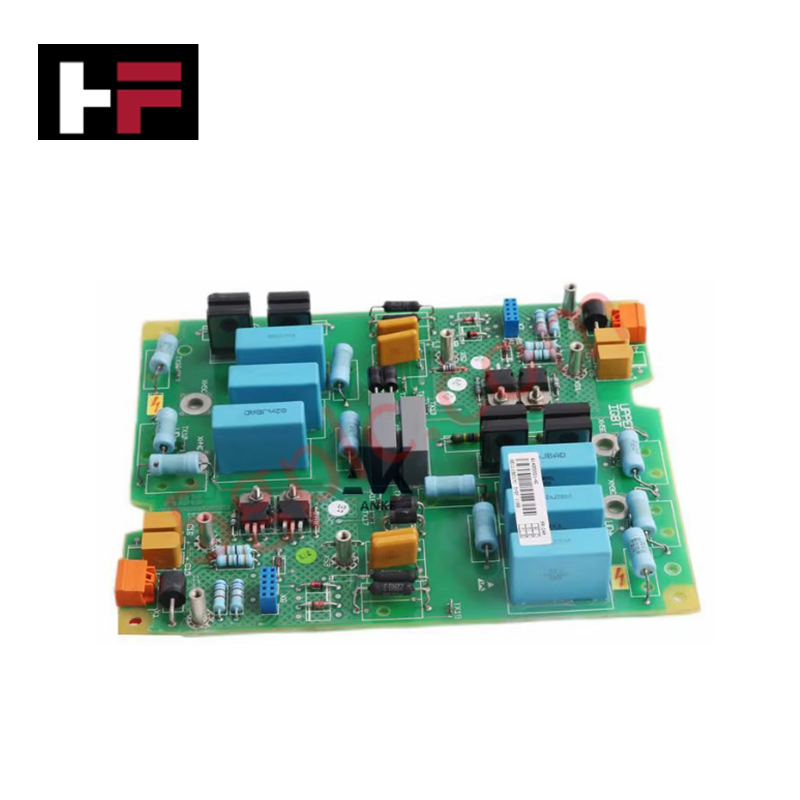
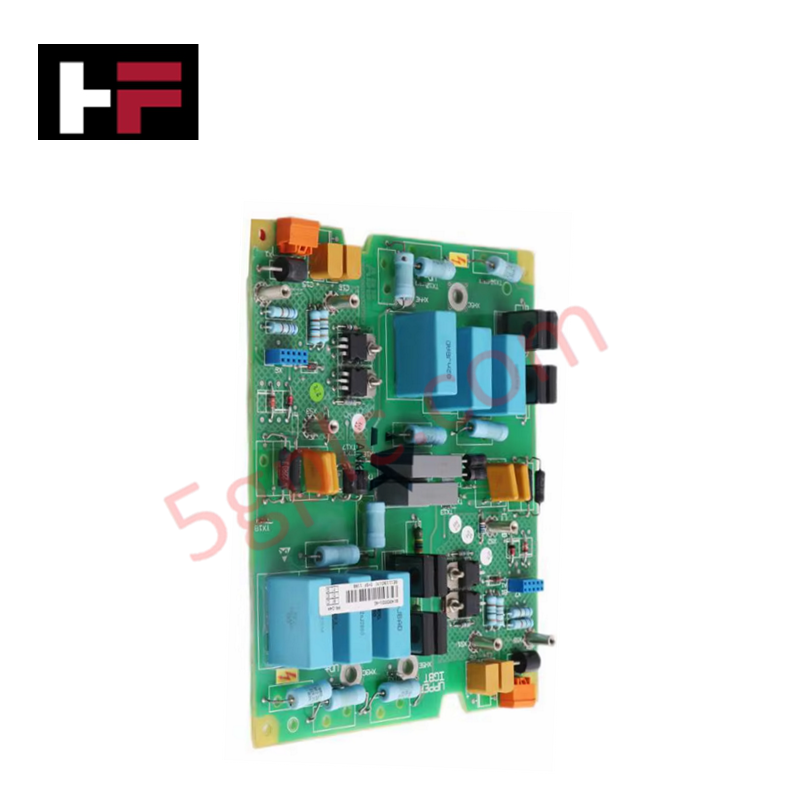
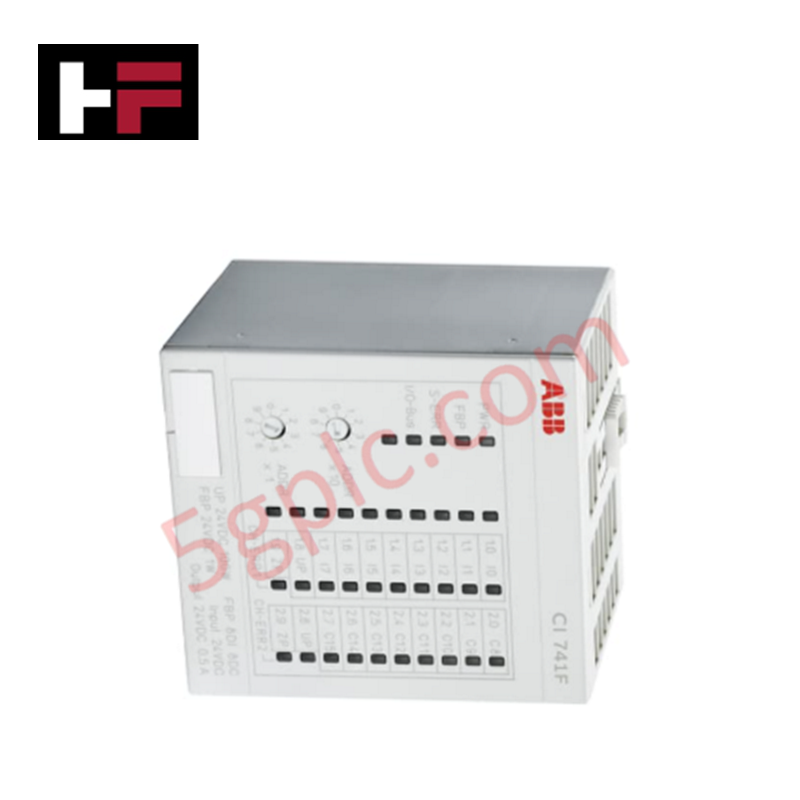
The ABB 61430001-XG, also cataloged as the DYSF118B Communication Module, operates as a dedicated hardware component for localized control logic execution within ABB control system networks. Configured for real-time data frame transmission and serial packet sequencing, this assembly establishes low-latency interface links across internal processing nodes to provide direct physical/electrical execution of communication commands.
Hardware Specifications
| Parameter | Specification |
|---|---|
| Model | DYSF118B (61430001-XG) |
| Brand | ABB |
| Origin | Sweden / Germany (Standard series production baseline) |
| Weight | Standard rack module baseline weight (approx. 0.5 kg) |
| Dimensions | Slotted circuit card form factor for chassis mounting |
| Operating Temp | 0 to +55 deg C (Nominal industrial standard limits) |
| Power Consumption | System rack backplane bus driven |
| Product Type | Communication Modules |
Backplane Bus Communication Velocity and Firmware Flash Compatibility
The multi-channel protocol stack configured within the ABB DYSF118B 61430001-XG is engineered to remain synchronous with specified backplane bus communication velocity constraints. When distributing real-time field parameters to upper-level management layers over Profinet or EtherNet/IP deterministic networks, the hardware isolates local packet queues to prevent datagram collision or cycle latency extension. During periods of rapid system growth involving significant I/O density scaling, the card coordinates incoming and outgoing register mappings accurately, provided all adjacent node slots are verified against the host controller firmware flash compatibility parameters.
Frequently Asked Questions
Q: Can the DYSF118B communication module be extracted or hot-swapped while the system chassis power is active?
A: No. The board architecture lacks active electrical isolation switches for hot-swap operations. Extracting or seating the module while the backplane bus is energized can induce localized voltage transients, causing immediate disruption of token-passing sequences, main processor faults, or permanent data link transceiver damage.
Q: How should a network communication timeout on this module be investigated?
A: System engineers must extract the diagnostic error registers from the central master controller. If a link degradation status is logged, verify the impedance limits of the physical bus termination, check for induced electromagnetic noise on the transmission lines, and ensure the module revision adheres to the node firmware flash compatibility rules.
Field Installation Guidelines
- Electrostatic Discharge Precautions: Service personnel must wear a properly connected and grounded electrostatic discharge (ESD) wrist strap before removing the communication board from its static-shielded packaging to prevent latent trace damage.
- Chassis Alignment and Fastening: Insert the circuit board smoothly into the designated card guide channels of the rack enclosure. Push the unit until the rear pin headers seat fully into the backplane receptacles, then secure all faceplate retention screws to ensure ground path continuity.
- Data Line Routing Controls: Route all network and serial communication lines through dedicated low-voltage wireways. Maintain a physical clearance of at least 100 mm from high-voltage AC conductors, motor cables, and variable speed drive outputs to prevent inductive noise coupling.
- Enclosure Conditioning: Verify that the host sub-rack is installed inside an IP 54 or better industrial enclosure that prevents moisture condensation, corrosive gases, and conductive particulate soot from settling on the exposed circuit components.
Additional Information
- 100% Genuine Parts: All products are original and authentic, ensuring reliable industrial performance.
- 30-Day Refund Guarantee: Return any in-stock item within 30 days in original, unopened packaging for a full refund (excluding shipping and fees).
- 12-Month Warranty: Covers defects in materials or workmanship; excludes misuse, normal wear, or unauthorized modifications.
- Worldwide Shipping: We ship via USPS, UPS, FedEx, and DHL. Delivery times vary by country and may be subject to customs or import fees.
- Support & Contact: Technical and warranty assistance is available anytime. Contact us here: Contact.
- Purchase Guidance: Check product specifications and compatibility carefully before ordering to ensure proper application.






Tech & Buying Guide

Demystifying CPU Communication Ports in Siemens PLC Architectures
Industrial automation relies heavily on robust data exchange between devices. Without seamless connectivity, field instruments, network switches, human-machine interfaces, and programmable logic controllers cannot coordinate effectively. Therefore, understanding the various CPU communication ports available in Siemens hardware ensures efficient factory automation design and seamless system integration.

Mastering the Siemens PLC Scan Cycle: How the CPU Executes Automation Programs
Industrial automation relies heavily on programmable logic controllers (PLCs) to manage complex manufacturing processes. Many engineers dive straight into programming without mastering the underlying architecture. However, understanding how a PLC CPU executes a program ensures reliable system design. Therefore, mastering the scan cycle optimizes both performance and troubleshooting in modern control systems.

How to Connect to Siemens S7 PLCs: 5 Essential Communication Methods
Establishing a reliable hardware link between a programming terminal and a Siemens SIMATIC controller is essential for engineering workflows. Field engineers rely on distinct physical layers, ranging from legacy serial connections to high-speed Industrial Ethernet protocols. Modern factory automation environments prioritize fast data transfer and seamless driver integration. Selecting the correct connection method simplifies program downloads, online monitoring, and system troubleshooting in complex control systems.