










Product Details
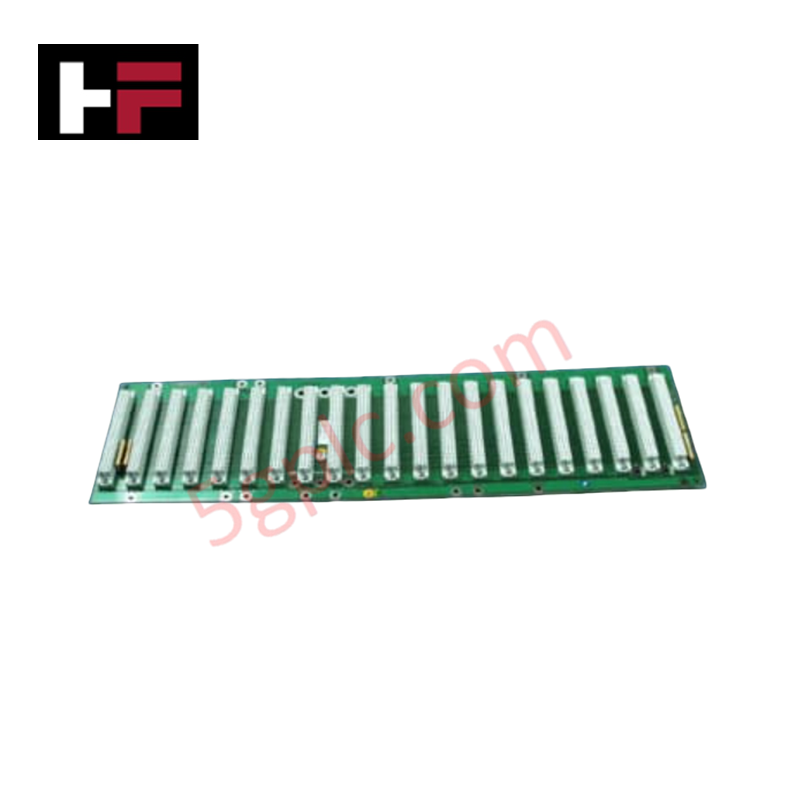
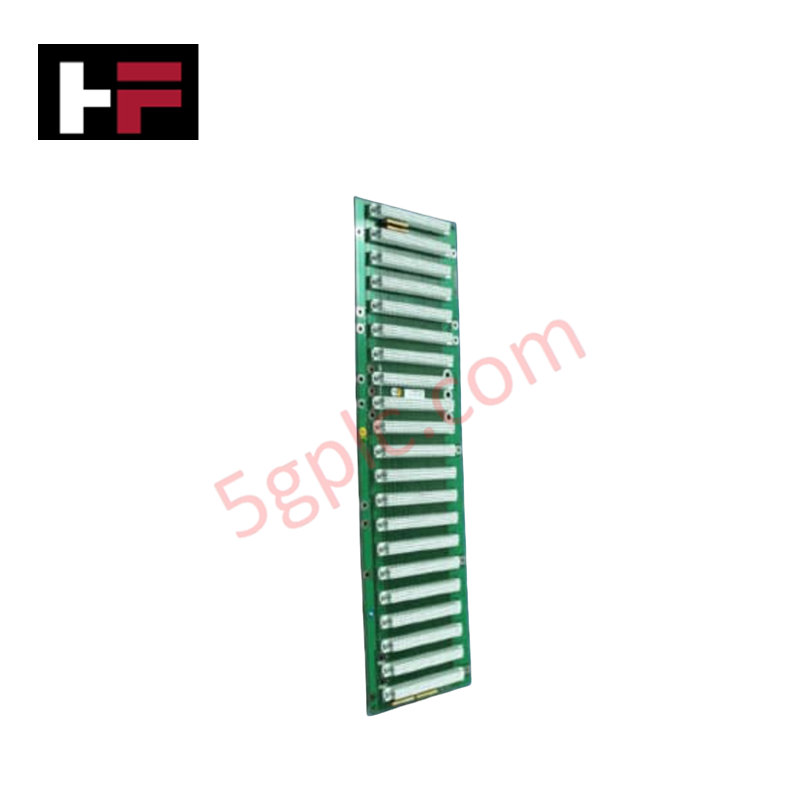
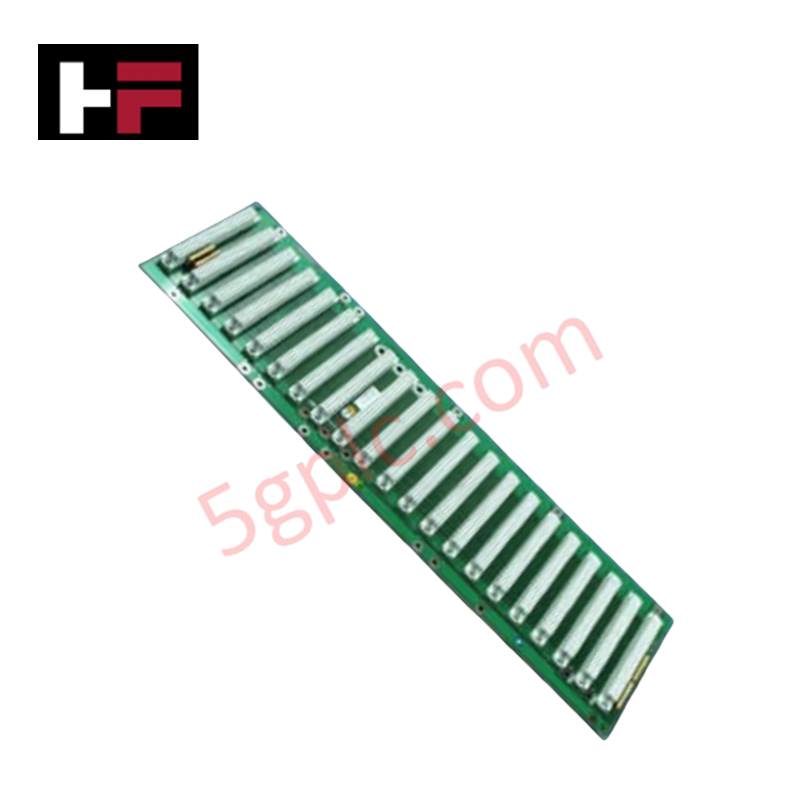
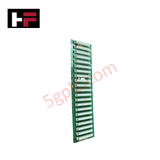
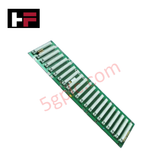
The ABB DSBB 172A 57310256-EL, also cataloged as the DSBB 172A PBC Backplane I/O, operates as a dedicated hardware component for localized control logic execution within the ABB Advant Master Process Control System. This unit functions as a localized physical interface card, securing discrete signal paths and routing real-time input/output operational datasets directly to internal rack processing elements.
Hardware Specifications
| Parameter | Specification |
|---|---|
| Model | DSBB 172A 57310256-EL |
| Brand | ABB |
| Origin | Sweden / Germany |
| Weight | 0.54 kg |
| Dimensions | Standard rack option-slot architecture baseline |
| Operating Temp | 0 to 60 deg C |
| Power Consumption | System backplane bus driven |
| Product Type | Digital I/O Cards |
| Old Product ID Replacement | 57310256-CM |
| New Product ID Replacement | 3BSE014017R1 |
| Regulatory Compliance | Exempted from RoHS directive 2011/65/EU scope (Article 2(4)) |
| WEEE Category | Product Not in WEEE Scope |
Profinet / EtherNet/IP Deterministic Networks and I/O Density Scaling
The internal physical circuit pathways of the ABB DSBB 172A 57310256-EL are optimized to comply with specific backplane bus communication velocity thresholds. When local processing nests are integrated into expanded Profinet or EtherNet/IP deterministic networks via master communication modules, the hardware tracks and distributes binary channel variables without introducing signal transmission delay. The design layout isolates internal signal lanes to tolerate aggressive I/O density scaling inside the enclosure, ensuring that high-frequency switching noise does not degrade adjacent bus segments or violate host controller firmware flash compatibility profiles.
Frequently Asked Questions
Q: Is this backplane I/O board rated for hot-swap operations while the Advant Master system rack is powered?
A: No. The DSBB 172A lacks isolated hot-swap circuitry. Removing or inserting this module while the backplane power distribution network is active can generate electrical transients across the terminal socket pins, risking permanent logic failure or immediate corruption of active controller parameters.
Q: What action must be implemented if replacing an older 57310256-CM module variant?
A: The DSBB 172A 57310256-EL serves as a direct functional replacement. Before placing the new hardware inline, perform a diagnostic system validation check to confirm that the existing controller firmware flash compatibility profile supports the board revision parameters.
Field Installation Guidelines
- ESD Handling Procedures: Field technicians must wear a properly adjusted, grounded electrostatic discharge (ESD) wrist strap before extracting the hardware assembly from its static-shielded packaging to avoid dielectric track failure.
- Mechanical Seating Sequence: Isolate the primary power supplies to the rack enclosure. Slide the card evenly along the chassis structural guide tracks to avoid pin deformation on the backplane connector. Tighten all front retention screws completely to secure structural ground continuity.
- Control Wire Separation: Route all external field lines connected to the I/O interface through separate low-voltage wireways. Maintain a physical clearance of at least 100 mm from high-voltage AC wires and industrial motor drive conductors to block inductive noise coupling.
- Enclosure Climate Controls: Secure the card inside an IP 54 rated industrial panel that regulates moisture condensation and prevents conductive particulate pollution from contacting the open trace structures.
Additional Information
- 100% Genuine Parts: All products are original and authentic, ensuring reliable industrial performance.
- 30-Day Refund Guarantee: Return any in-stock item within 30 days in original, unopened packaging for a full refund (excluding shipping and fees).
- 12-Month Warranty: Covers defects in materials or workmanship; excludes misuse, normal wear, or unauthorized modifications.
- Worldwide Shipping: We ship via USPS, UPS, FedEx, and DHL. Delivery times vary by country and may be subject to customs or import fees.
- Support & Contact: Technical and warranty assistance is available anytime. Contact us here: Contact.
- Purchase Guidance: Check product specifications and compatibility carefully before ordering to ensure proper application.









Tech & Buying Guide

Demystifying CPU Communication Ports in Siemens PLC Architectures
Industrial automation relies heavily on robust data exchange between devices. Without seamless connectivity, field instruments, network switches, human-machine interfaces, and programmable logic controllers cannot coordinate effectively. Therefore, understanding the various CPU communication ports available in Siemens hardware ensures efficient factory automation design and seamless system integration.

Mastering the Siemens PLC Scan Cycle: How the CPU Executes Automation Programs
Industrial automation relies heavily on programmable logic controllers (PLCs) to manage complex manufacturing processes. Many engineers dive straight into programming without mastering the underlying architecture. However, understanding how a PLC CPU executes a program ensures reliable system design. Therefore, mastering the scan cycle optimizes both performance and troubleshooting in modern control systems.

How to Connect to Siemens S7 PLCs: 5 Essential Communication Methods
Establishing a reliable hardware link between a programming terminal and a Siemens SIMATIC controller is essential for engineering workflows. Field engineers rely on distinct physical layers, ranging from legacy serial connections to high-speed Industrial Ethernet protocols. Modern factory automation environments prioritize fast data transfer and seamless driver integration. Selecting the correct connection method simplifies program downloads, online monitoring, and system troubleshooting in complex control systems.