










Product Details
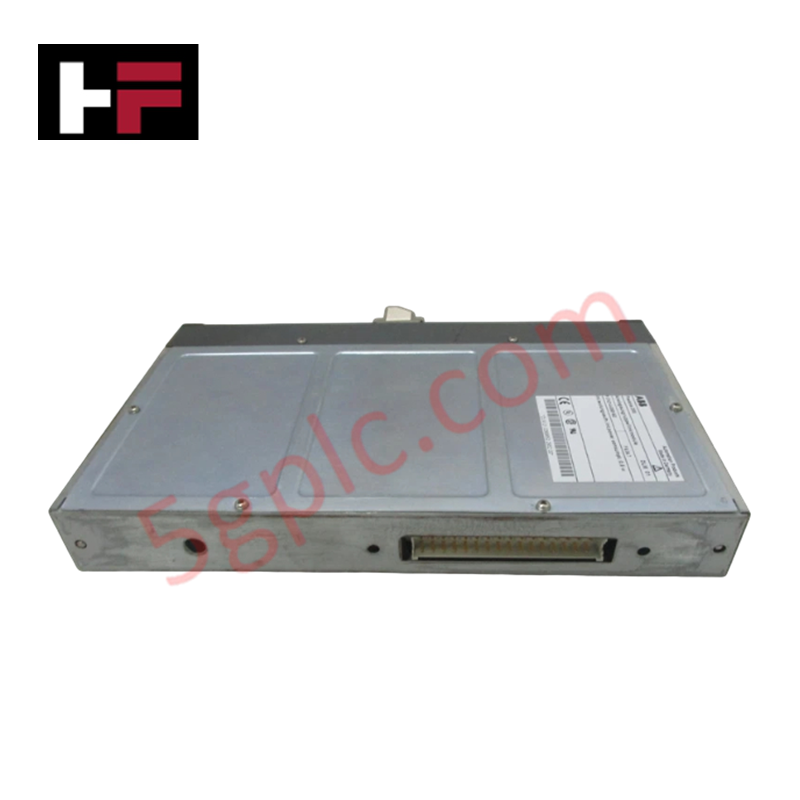
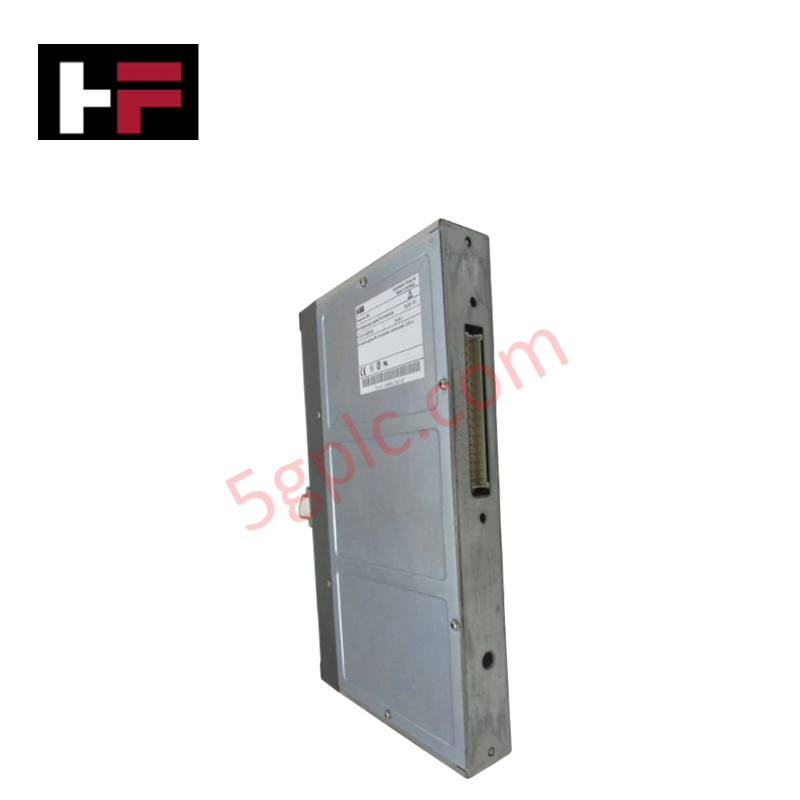
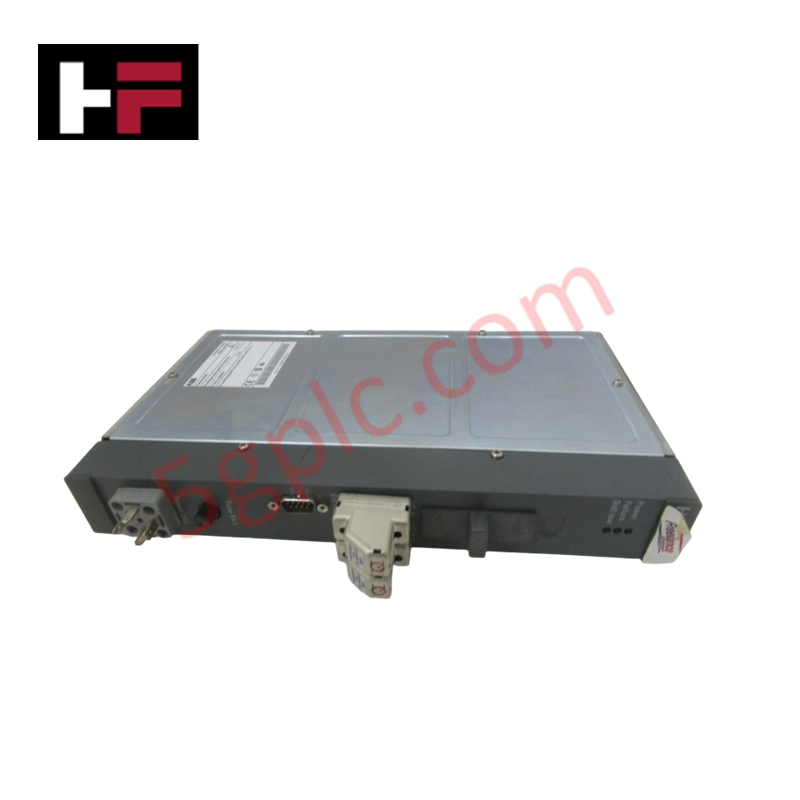
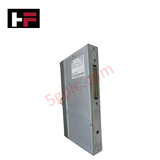
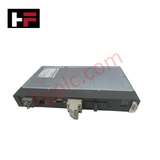
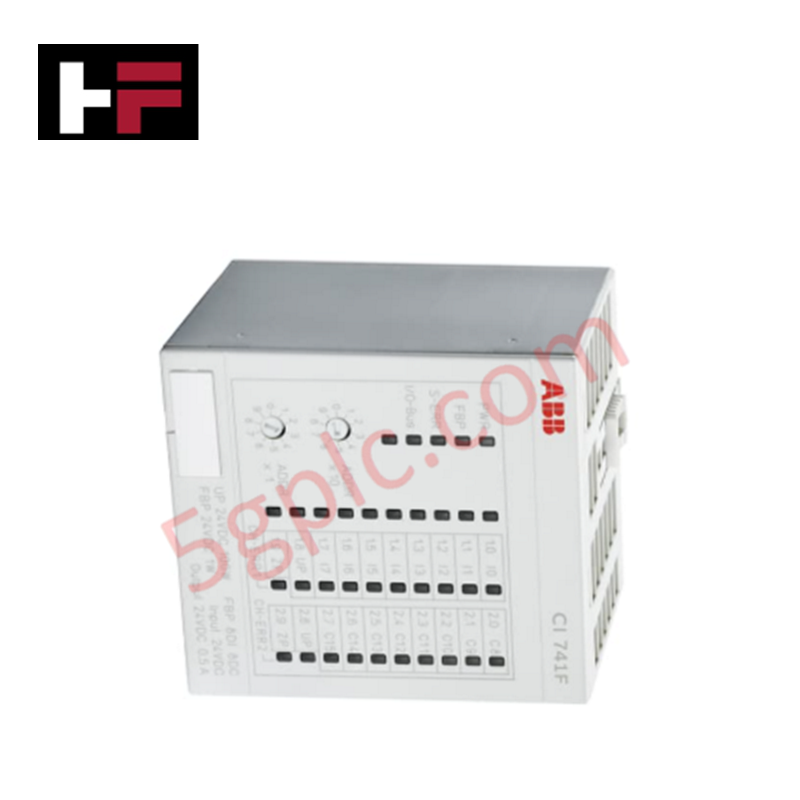
The ABB DLM01 P 37421-4-0369 652, also cataloged as the DLM01 Link Module, operates as a dedicated hardware component for multi-node subsystem bridging within Freelance 2000 control networks. The card executes real-time data frame coordination and physical signal matching across localized bus architectures. Operating on a nominal voltage allocation of 24 VDC, this physical assembly directly converts and passes protocol layers between separate control components to manage high-throughput data exchange inside the system trunk.
Hardware Specifications
| Parameter | Specification |
|---|---|
| Model | DLM01 P 37421-4-0369 652 |
| Brand | ABB |
| Origin | Sweden |
| Weight | 1.3 kg |
| Dimensions | 229 mm x 51 mm x 330 mm |
| Operating Temp | 0 to +50 deg C |
| Power Consumption | 10 W maximum |
| Rated Voltage | 24 VDC |
| Mounting Method | DIN rail compatible |
| Subsystem Capacity | Multi-node interface capability |
Backplane Bus Communication Velocity Licences
The ABB DLM01 hardware interface utilizes specific internal logic gates tied to backplane bus communication velocity licences to determine maximum data throughput rates. The integrated electronics buffer raw data packets to enforce deterministic transit intervals between the primary processing rack and distant sub-racks. This clock synchronization architecture prevents data frame collisions during peak bus cycles and allows the overall topology to scale I/O allocations without dropping physical signal accuracy.
Frequently Asked Questions
Q: What are the restrictions regarding live hot-swapping for the DLM01 module on a running network?
A: Live hot-swapping is strictly prohibited. Unseating this link module while the communication bus is energized will cause an immediate drop in loop synchronization, inducing topology errors and potential hardware faults across the connected nodes.
Q: How does the internal controller handle temporary input voltage fluctuations below the 24 VDC nominal rating?
A: The module contains internal voltage monitoring circuitry that safely halts bus transmission sequences if the input rails decline below specific operating thresholds, safeguarding stored register memory against corrupt entries.
Q: Is special software activation required to utilize the full communication bandwidth of this module?
A: Full transmission velocity across the system backplane is dictated by specific firmware flash structures and embedded communication licences mapped directly to the parent controller platform.
Field Installation Guidelines
Mount the DLM01 module vertically onto an approved, grounded standard DIN rail tracking line inside an IP54 or higher industrial enclosure. Secure the top and bottom mechanical retaining clips to prevent localized structural displacement from low-frequency plant vibration profiles. All external field bus links must utilize shielded twisted-pair media, with the outer braided shields grounded at the entry gland plate using heavy-duty grounding brackets. Maintain a minimum horizontal separation barrier of 150 mm between the communication lines and any AC power or inverter output cabling to prevent electrical noise coupling.
Additional Information
- 100% Genuine Parts: All products are original and authentic, ensuring reliable industrial performance.
- 30-Day Refund Guarantee: Return any in-stock item within 30 days in original, unopened packaging for a full refund (excluding shipping and fees).
- 12-Month Warranty: Covers defects in materials or workmanship; excludes misuse, normal wear, or unauthorized modifications.
- Worldwide Shipping: We ship via USPS, UPS, FedEx, and DHL. Delivery times vary by country and may be subject to customs or import fees.
- Support & Contact: Technical and warranty assistance is available anytime. Contact us here: Contact.
- Purchase Guidance: Check product specifications and compatibility carefully before ordering to ensure proper application.






Tech & Buying Guide

Demystifying the DDE Protocol in Legacy Industrial Automation Systems
Modern control systems rely heavily on seamless interprocess communication to exchange operational data between software programs. Microsoft first introduced the Dynamic Data Exchange (DDE) protocol in 1987 to enable real-time data sharing. In factory automation, DDE served as an early bridge between control software and Windows desktop applications. Therefore, understanding DDE mechanics provides crucial insights into how legacy industrial networks established software-level connectivity.

Demystifying CPU Communication Ports in Siemens PLC Architectures
Industrial automation relies heavily on robust data exchange between devices. Without seamless connectivity, field instruments, network switches, human-machine interfaces, and programmable logic controllers cannot coordinate effectively. Therefore, understanding the various CPU communication ports available in Siemens hardware ensures efficient factory automation design and seamless system integration.

Mastering the Siemens PLC Scan Cycle: How the CPU Executes Automation Programs
Industrial automation relies heavily on programmable logic controllers (PLCs) to manage complex manufacturing processes. Many engineers dive straight into programming without mastering the underlying architecture. However, understanding how a PLC CPU executes a program ensures reliable system design. Therefore, mastering the scan cycle optimizes both performance and troubleshooting in modern control systems.