










Product Details
Product Overview
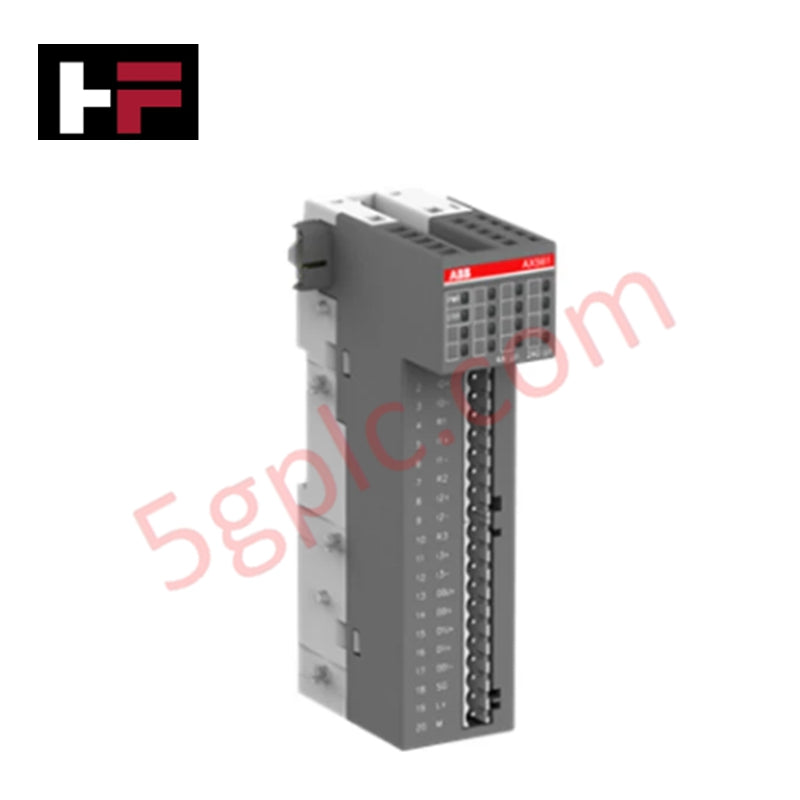
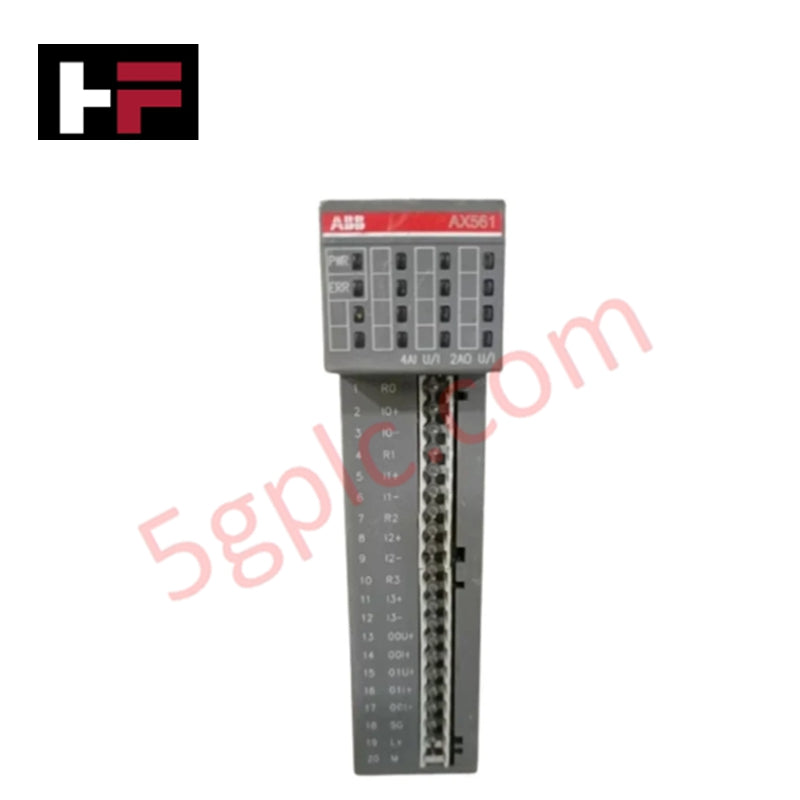
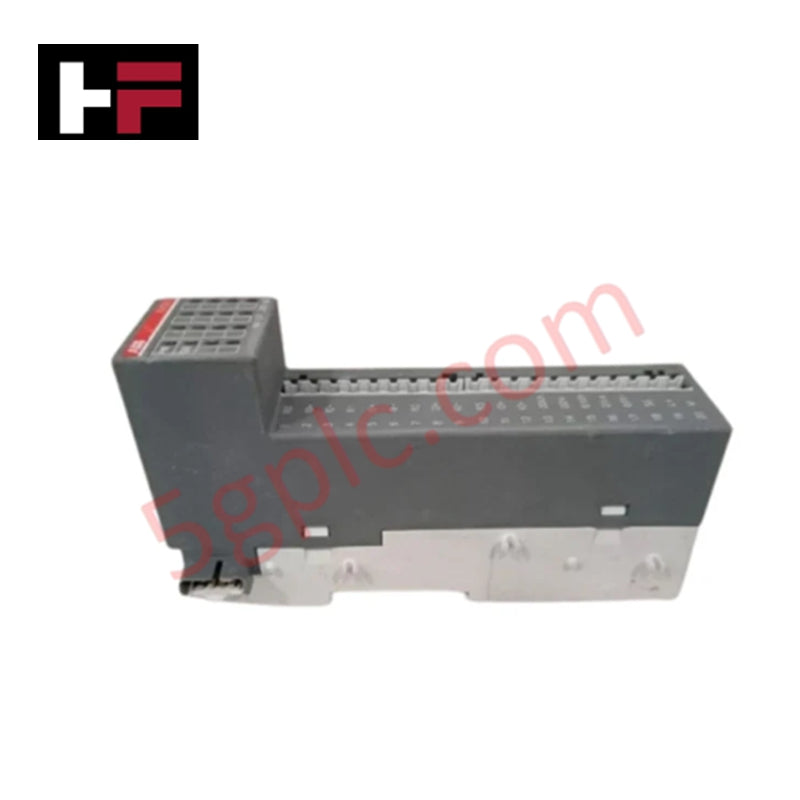
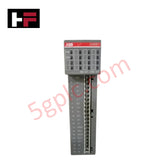
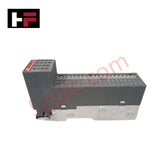
The ABB DI562 (1TNE968902R2102) serves as a high-density digital expansion module within the AC500-eCo PLC family. This module integrates 16 discrete input channels into a slim 34mm housing, providing an efficient solution for monitoring large arrays of field sensors, switches, and pushbuttons. By supporting both sink and source wiring configurations at 24VDC, the DI562 simplifies integration across diverse hardware platforms. We offer this component as 100% Brand New and Original, ensuring your automation architecture maintains factory-certified signal integrity and long-term operational uptime.
Technical Specifications
The DI562 processes discrete signals through the following hardware parameters:
-
Number of Digital Inputs: 16 Channels
-
Input Logic: Sink/Source (Configurable)
-
Input Voltage: 24V DC (Standard) / 0V to 30V DC (Maximum)
-
Input Voltage Type: AC/DC
-
Input Current: 5 mA per channel
-
Signal Delay Time: 8 ms
-
Connection Type: Pluggable terminal blocks
-
Protection Rating: IP20
-
Supply Voltage: 20.4 to 28.8 V DC
-
Operating Temperature: 0 °C to +60 °C
-
Net Dimensions: 34 mm (W) x 74 mm (H) x 135 mm (D)
Engineering Advantages
-
High-Density Cabinet Optimization: The DI562 packs 16 input channels into a compact 34mm width. This density allows engineers to double the input capacity compared to standard 8-channel modules without increasing the DIN rail footprint, making it ideal for restricted control enclosures.
-
Universal Input Logic: The flexible sink/source design accommodates both NPN and PNP sensor types on the same module. This versatility eliminates the need to stock multiple module variations and simplifies wiring standards for international machine exports.
-
Pluggable Connection System: The module utilizes pluggable terminal blocks to accelerate the commissioning process. Technicians wire the connectors independently of the housing, which facilitates rapid "cold" swaps during maintenance and prevents wiring errors.
-
Robust Signal Conditioning: Built-in 8ms delay filtering suppresses mechanical contact bounce and high-frequency electrical noise. This ensures the CPU logic remains stable even when receiving signals from legacy limit switches or in environments with significant electromagnetic interference.
-
Versatile Mounting Orientation: The module supports standard horizontal mounting on TH35-15 rails. Its lightweight 0.116kg design minimizes mechanical stress on the I/O bus, even in high-vibration applications typical of decentralized automation skids.
FAQs
-
Does the DI562 support AC input signals?
Yes. The DI562 handles both AC and DC input voltage types within the 24V range. Always ensure the peak signal voltage remains within the 0 to 30V DC specification to protect the internal optocouplers.
-
Can I replace a DI561 with a DI562?
The DI562 provides 16 inputs, whereas the DI561 provides 8. While they belong to the same AC500-eCo family, you must update the hardware configuration in the ABB Automation Builder software to recognize the increased channel count and different terminal assignments.
-
What is the benefit of the pluggable terminals during maintenance?
Pluggable terminals allow you to remove the electronic module while leaving the field wiring intact. This feature reduces Mean Time to Repair (MTTR) by allowing for immediate hardware replacement without the risk of miswiring the 16 individual sensor leads.
-
Does this module require an external 24VDC supply?
Yes. The module operates on a standard 24VDC supply (20.4 to 28.8 V DC). Ensure your power budget accounts for the 5mA draw per active input channel to maintain stable signal detection.
Additional Information
- 100% Genuine Parts: All products are original and authentic, ensuring reliable industrial performance.
- 30-Day Refund Guarantee: Return any in-stock item within 30 days in original, unopened packaging for a full refund (excluding shipping and fees).
- 12-Month Warranty: Covers defects in materials or workmanship; excludes misuse, normal wear, or unauthorized modifications.
- Worldwide Shipping: We ship via USPS, UPS, FedEx, and DHL. Delivery times vary by country and may be subject to customs or import fees.
- Support & Contact: Technical and warranty assistance is available anytime. Contact us here: Contact.
- Purchase Guidance: Check product specifications and compatibility carefully before ordering to ensure proper application.






Tech & Buying Guide

Essential Best Practices for PLC Wiring and Installation in Industrial Automation
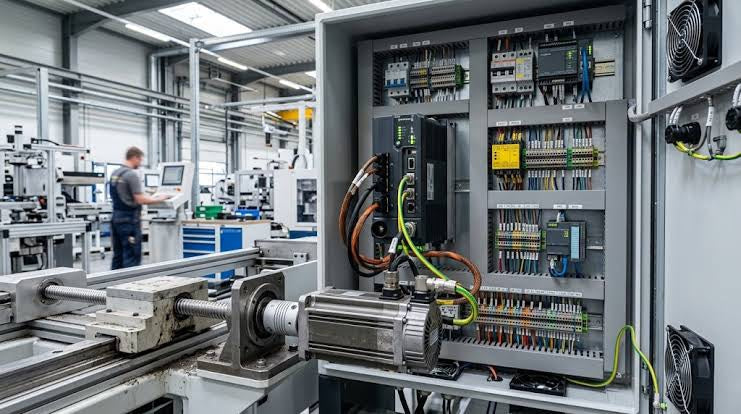
Successful control system deployment begins with thoroughly reviewing manufacturer technical documentation. Controllers from major brands like Allen-Bradley, Siemens, and Schneider Electric feature unique terminal layouts. Engineers must verify voltage requirements before connecting power cables to prevent catastrophic equipment damage. Standard line connections require strict adherence to regional electrical codes and proper wire color coding. Furthermore, panel builders should always establish a robust low-impedance ground connection using at least 16-AWG copper conductor tied directly to the main plant grounding grid.
Demystifying Programmable Logic Controllers: Comprehensive Guide to PLC Classification and Selection in Industrial Automation
Modern industrial automation heavily relies on Programmable Logic Controllers (PLCs) to drive factory floor efficiency. Over my 15 years as an industrial automation expert working with DCS, TSI, and control systems, I have seen PLCs evolve into the central nervous system of modern manufacturing. Selecting the right controller requires a deep understanding of PLC types based on physical size, hardware architecture, and power supply configurations.

Comprehensive Guide to PLC Types in Modern Industrial Automation
Modern industrial automation relies on programmable logic controllers to govern critical factory operations. System integrators classify PLCs based on scale, hardware architecture, and power supply design. Understanding these core categories enables automation engineers to select the right control system architecture. Consequently, proper hardware selection optimizes performance while minimizing long-term operational costs.