










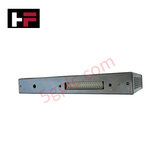
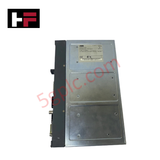
Product Details
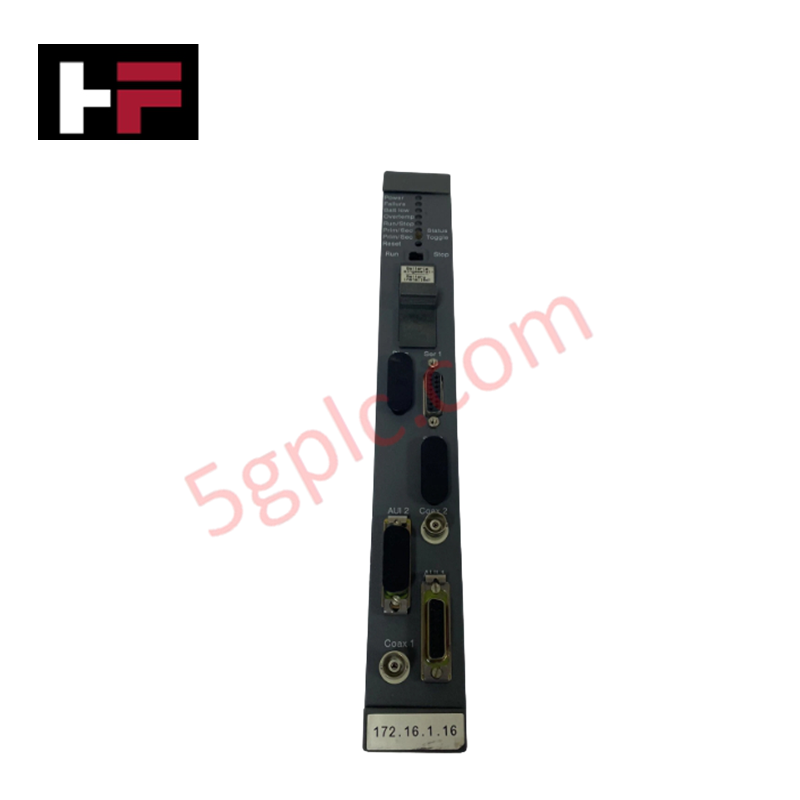
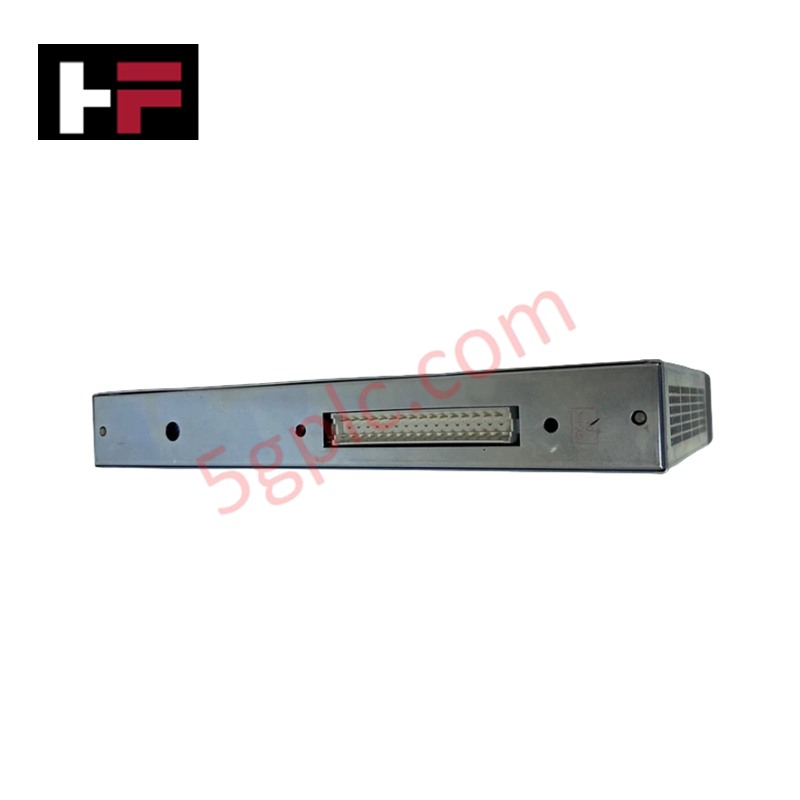
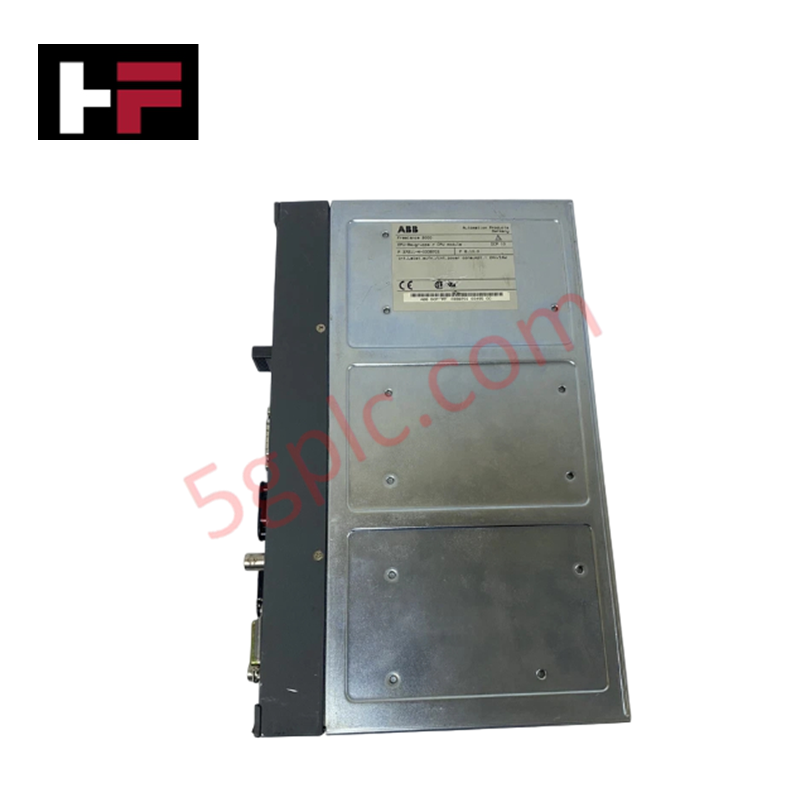
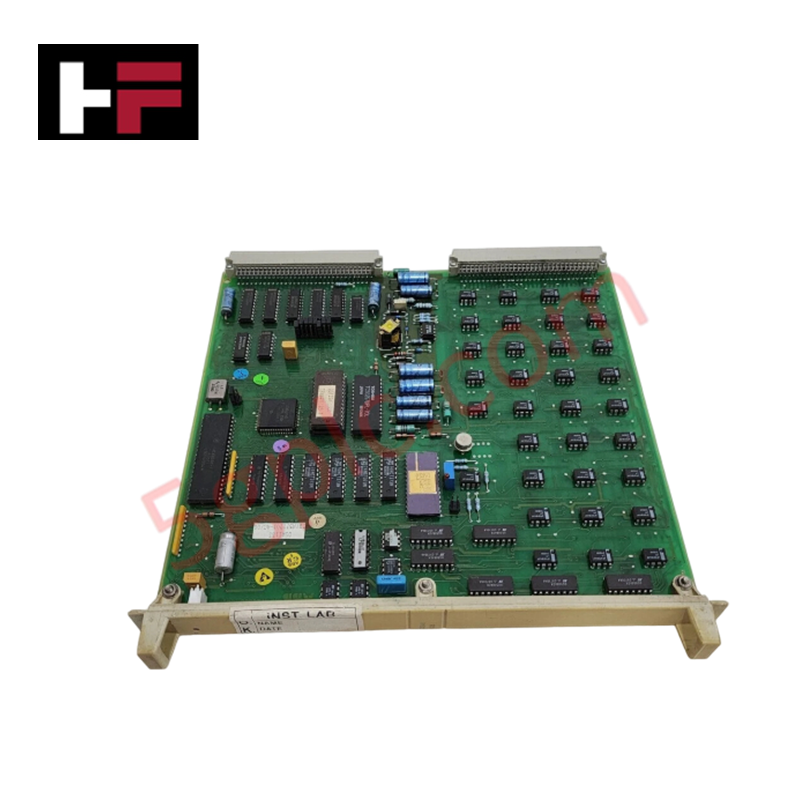
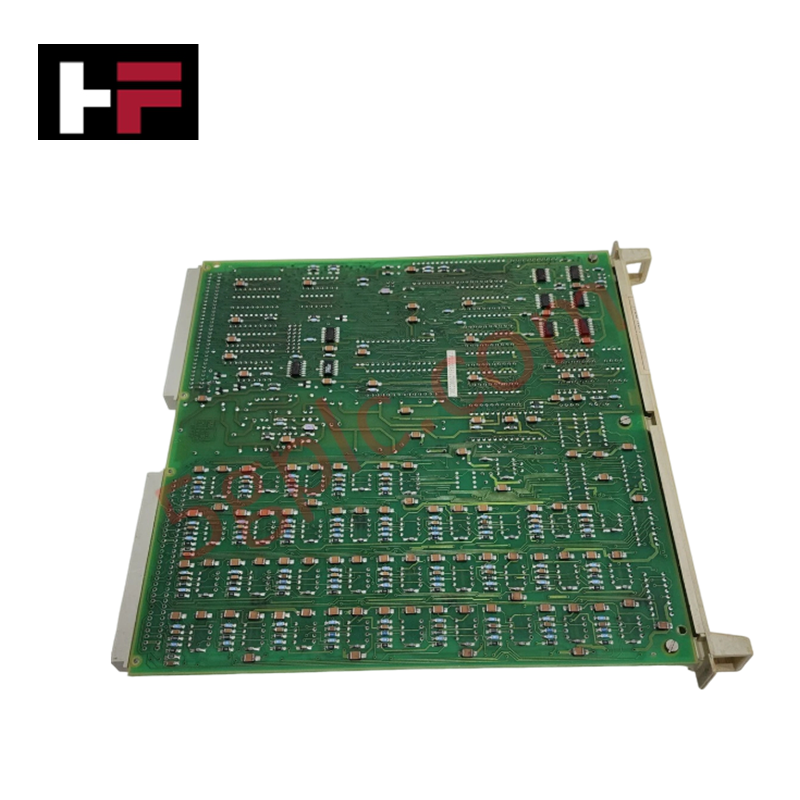
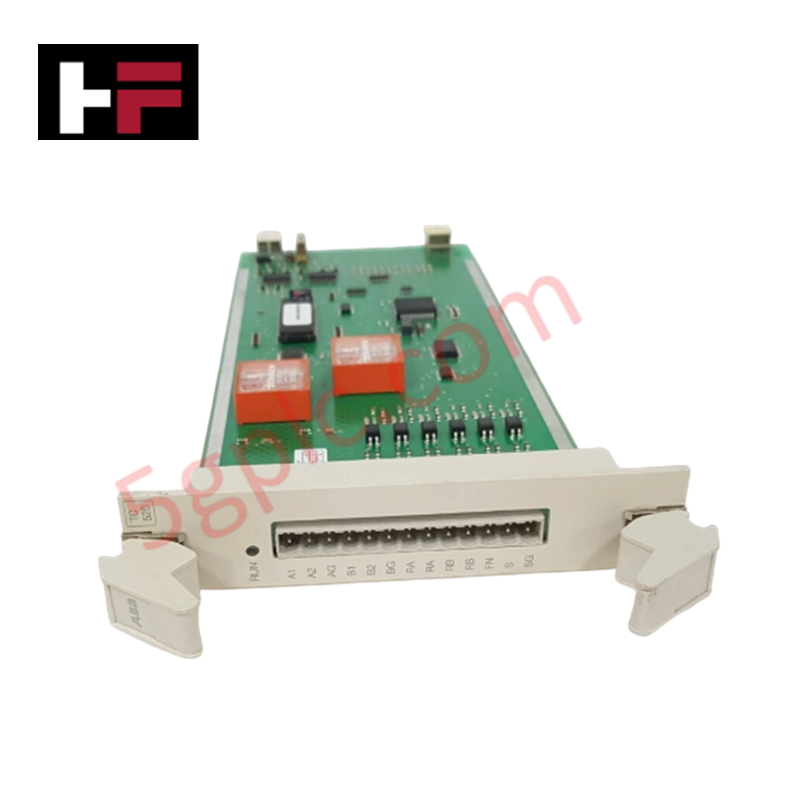
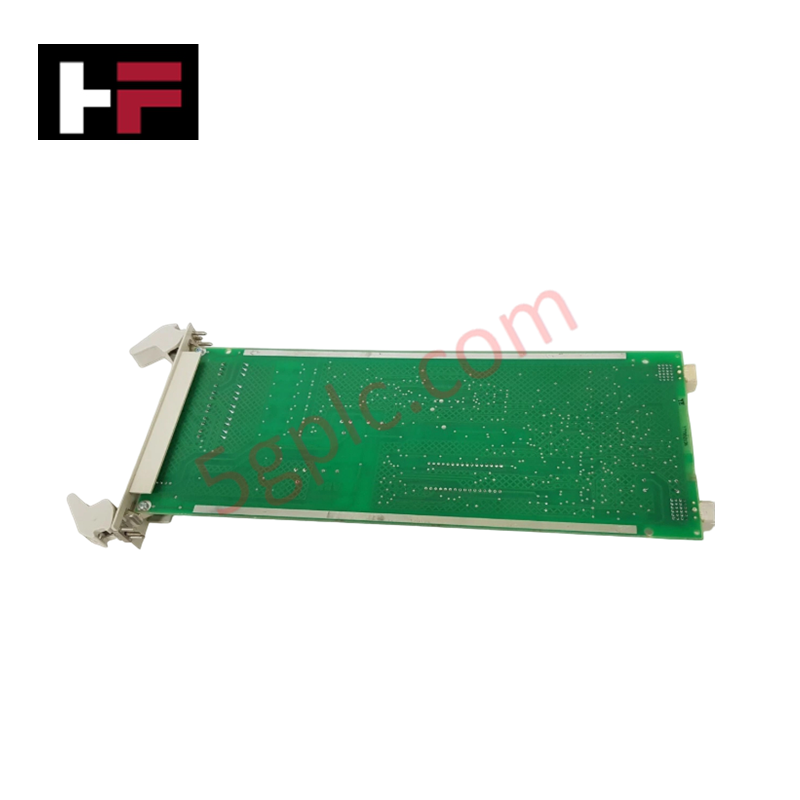
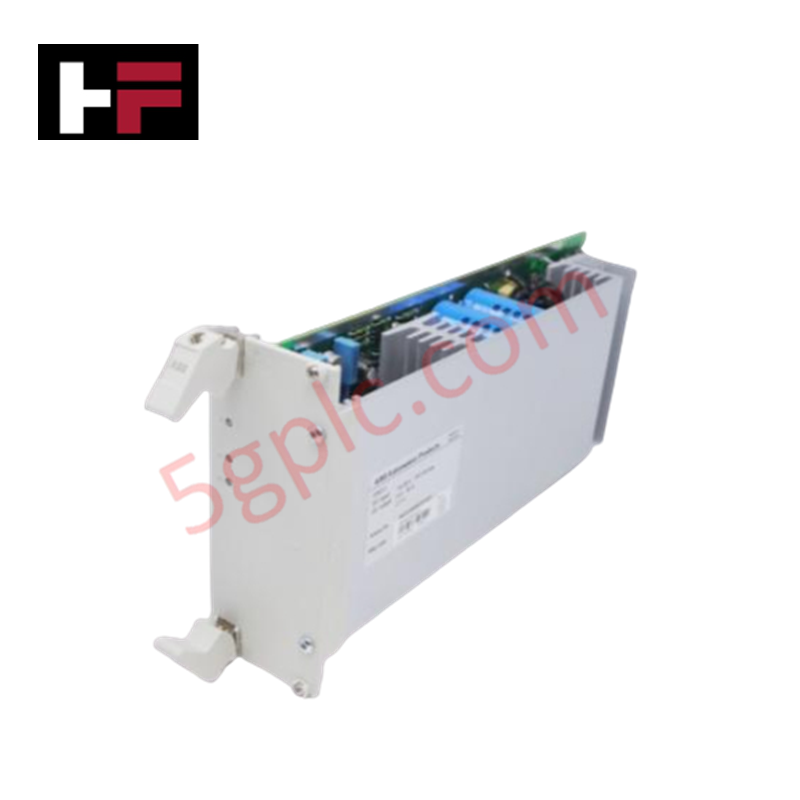
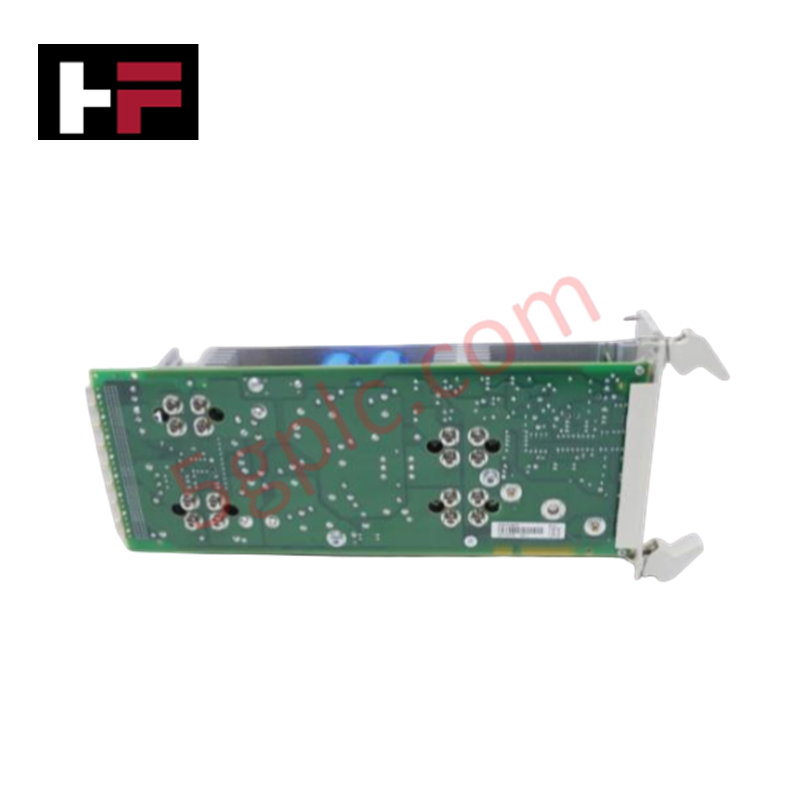
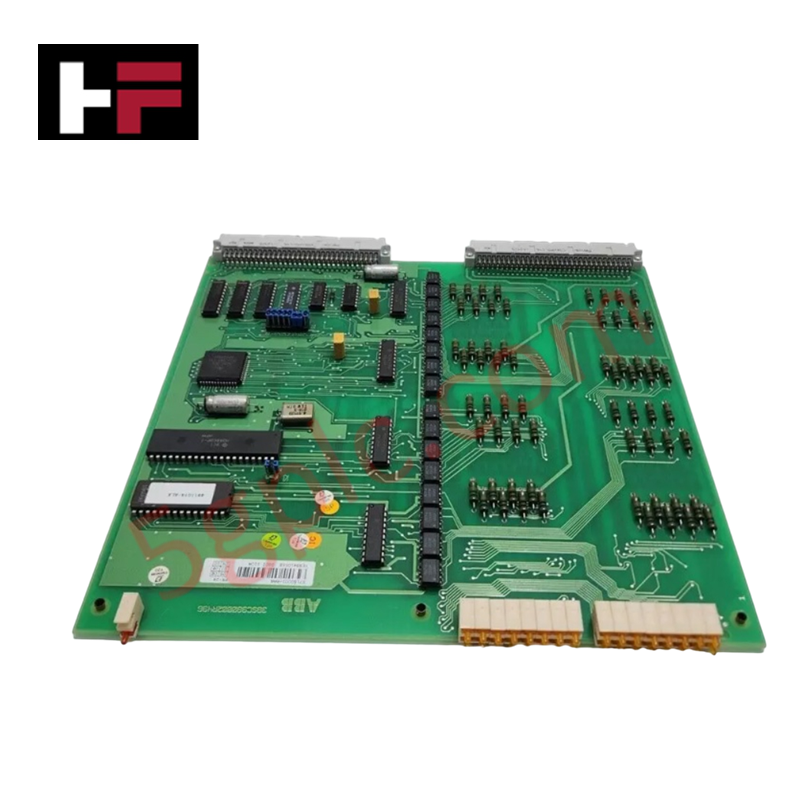
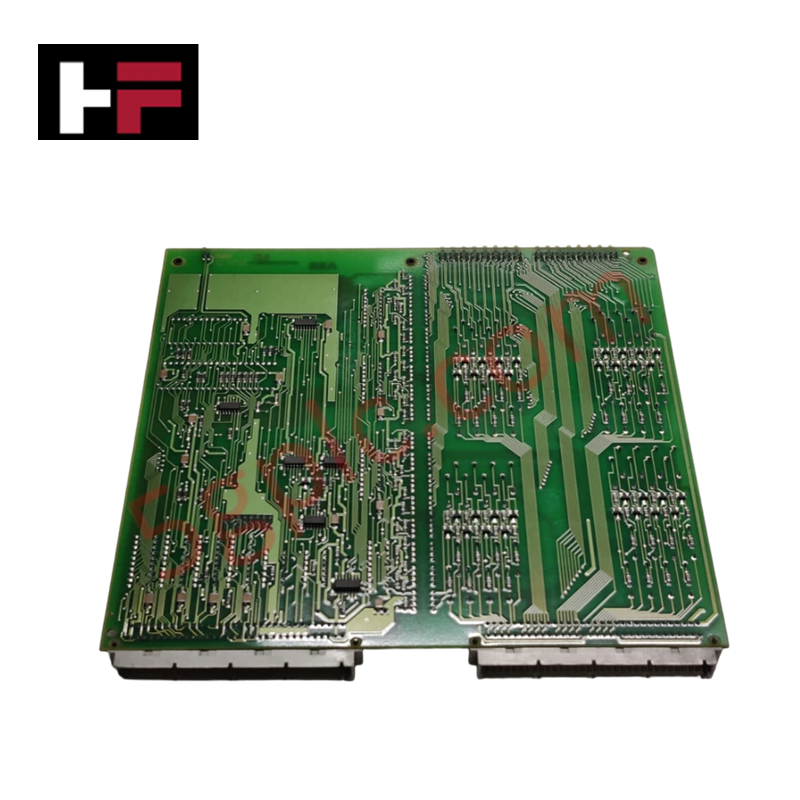
The ABB DCP 10 P 37211-4-0338701, also cataloged as the DCP 10 CPU Module, operates as a dedicated hardware component for central logic execution and data processing within Hartmann & Braun Freelance 2000 control systems.
Hardware Specifications
| Parameter | Specification |
|---|---|
| Model | DCP 10 |
| Order Code | P 37211-4-0338701 (Y0338701M) |
| Brand | ABB |
| Origin | Germany |
| Product Type | CPU Processors |
| System Memory | 8 MB |
| Dimensions | 22.9 cm x 5.1 cm x 33.0 cm |
| Weight | 1.8 kg |
| Operating Temp | 0 to 55 deg C |
| Power Consumption | Bus-powered via backplane interface |
Backplane Bus Communication & Deterministic Processing
The ABB DCP10 CPU module executes system logic and coordinates high-speed data transmission across the Freelance 2000 backplane architecture. Onboard 8 MB memory buffers support cycle execution for real-time task management across subrack nodes. High-velocity bus timing and firmware flash compatibility ensure synchronized data exchange and deterministic network updates across distributed controller racks.
Frequently Asked Questions
Q: What onboard memory capacity is integrated into the DCP10 CPU module?
A: The board contains 8 MB of internal RAM designated for real-time control program execution and system buffering.
Q: Can the DCP10 module be inserted or removed while the backplane is energized?
A: Subrack power must be shut off prior to module extraction or insertion to avoid backplane bus communication interruptions and electrical surges.
Field Installation Guidelines
- De-energize the rack cabinet main power supply before placing the module into the subrack slot.
- Align the board edges with the enclosure card guides and slide the module into position until the rear backplane interface is fully seated.
- Secure the front panel mounting screws to establish chassis ground continuity and prevent movement caused by mechanical vibration.
- Keep communication cables organized away from adjacent high-voltage lines to eliminate electromagnetic noise coupling.
- Confirm signal cable terminations and restore power to the system chassis to verify diagnostic self-test routines.
Additional Information
- 100% Genuine Parts: All products are original and authentic, ensuring reliable industrial performance.
- 30-Day Refund Guarantee: Return any in-stock item within 30 days in original, unopened packaging for a full refund (excluding shipping and fees).
- 12-Month Warranty: Covers defects in materials or workmanship; excludes misuse, normal wear, or unauthorized modifications.
- Worldwide Shipping: We ship via USPS, UPS, FedEx, and DHL. Delivery times vary by country and may be subject to customs or import fees.
- Support & Contact: Technical and warranty assistance is available anytime. Contact us here: Contact.
- Purchase Guidance: Check product specifications and compatibility carefully before ordering to ensure proper application.
Tech & Buying Guide

Mastering the Factory Acceptance Test (FAT) for PLC Control Panels: An Expert Guide
The Factory Acceptance Test (FAT) is a vital milestone in industrial automation that ensures custom PLC panels meet exact design specifications before dispatch. This guide outlines the step-by-step FAT procedure and key industry best practices to prevent costly site delays and ensure long-term operational success.
Redundant Automation Systems: Ensuring Continuous Uptime in Critical Control Infrastructure
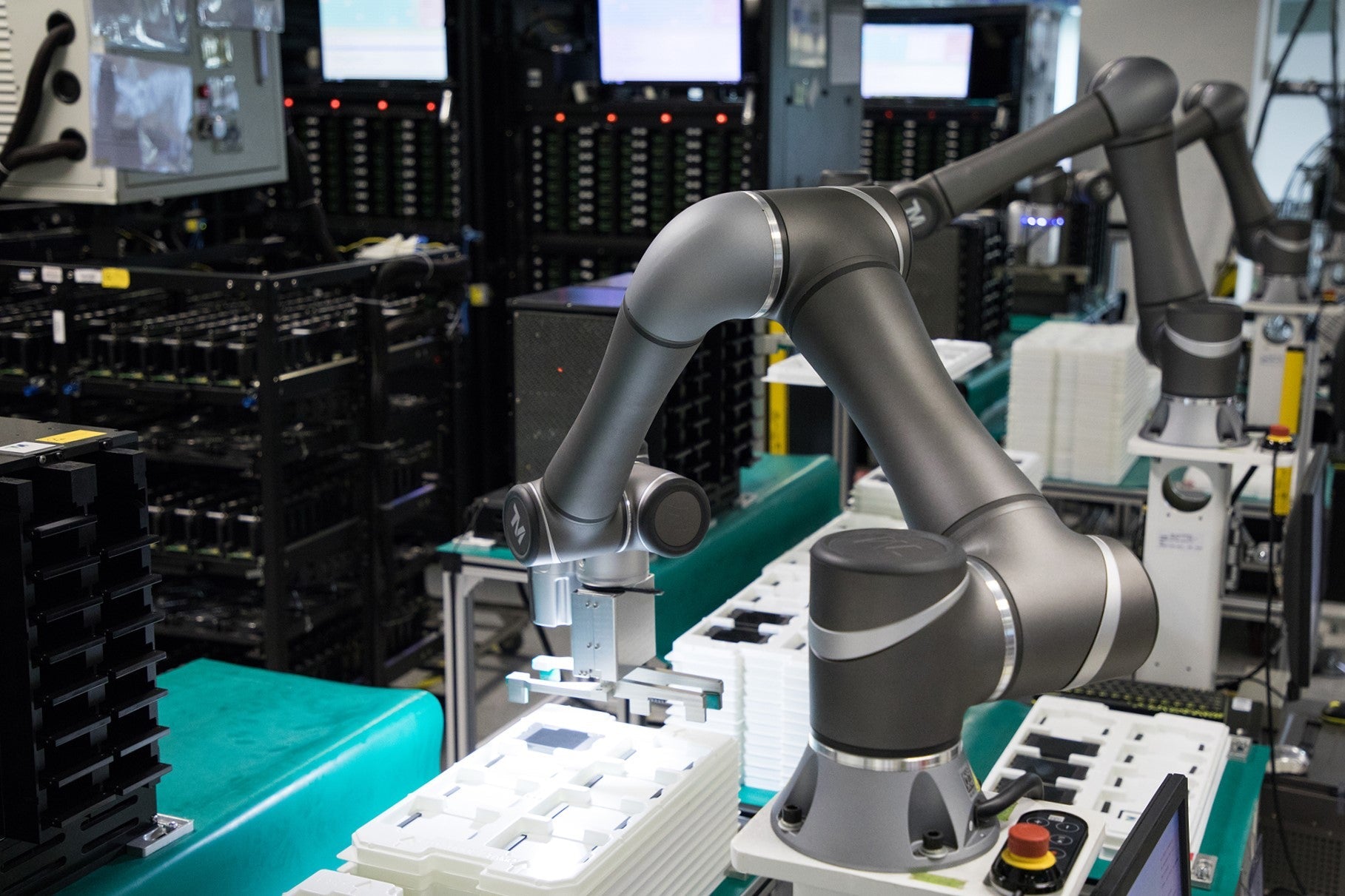
System reliability directly determines operational profitability across high stakes process industries. Modern industrial automation platforms must eliminate single points of failure to prevent catastrophic shutdowns. Deploying fault tolerant architecture safeguards complex facilities against unexpected hardware glitches, network disruptions, and maintenance outages.

Understanding Types of Noise in Electronic Circuits and Control Systems
Signal integrity directly determines measurement accuracy and loop stability across industrial automation environments. Electronic noise introduces unwanted stochastic interference into analog loops, sensor feedback lines, and digital fieldbus networks. Understanding how intrinsic electronic noise and external electromagnetic interference manifest allows control engineers to optimize signal conditioning and shield sensitive instrumentation effectively.