










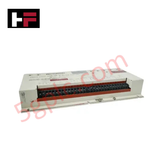
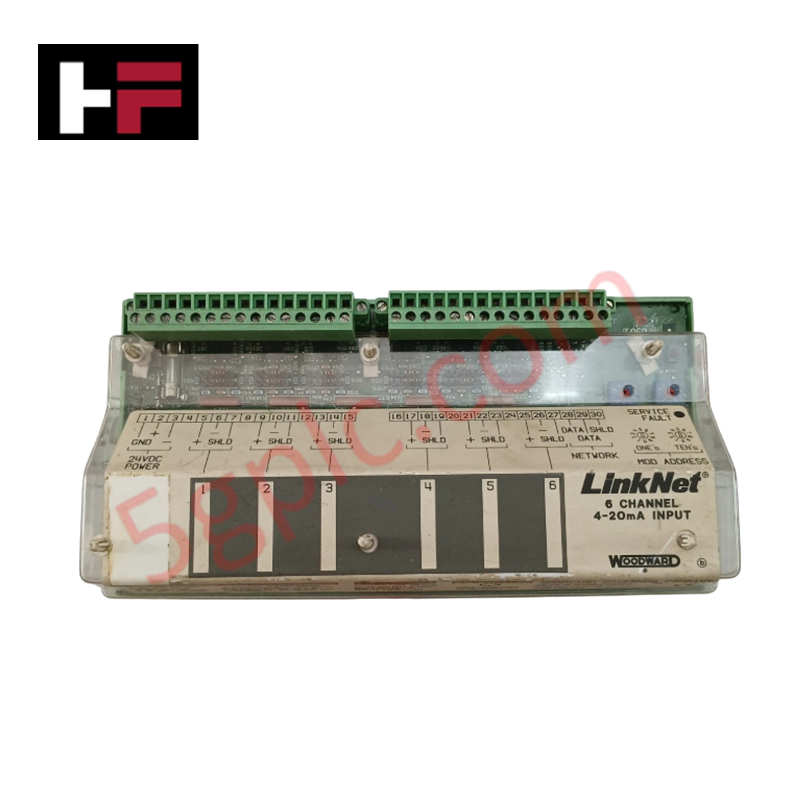
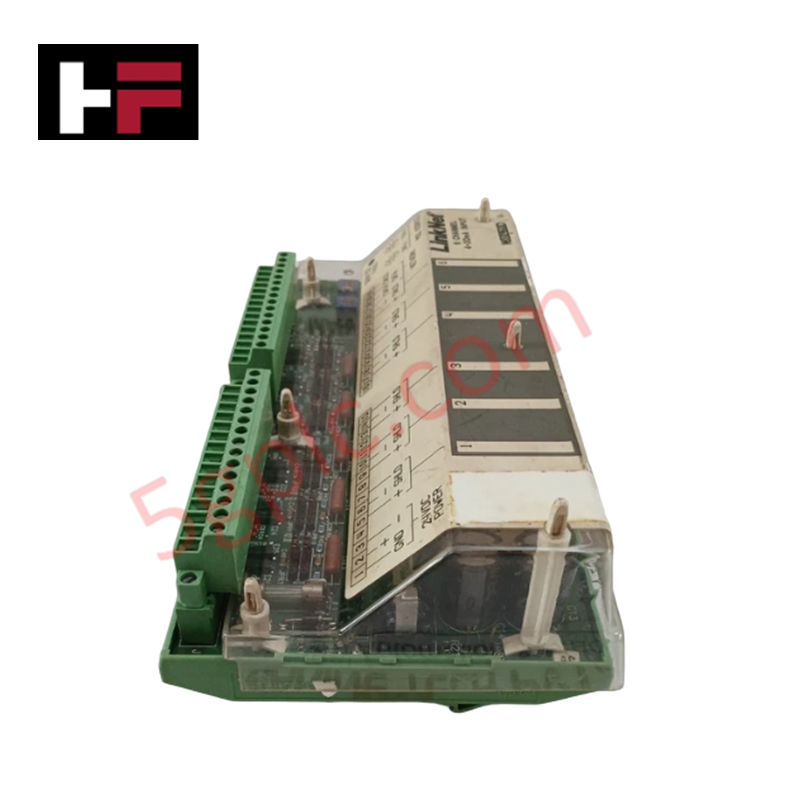
Product Details
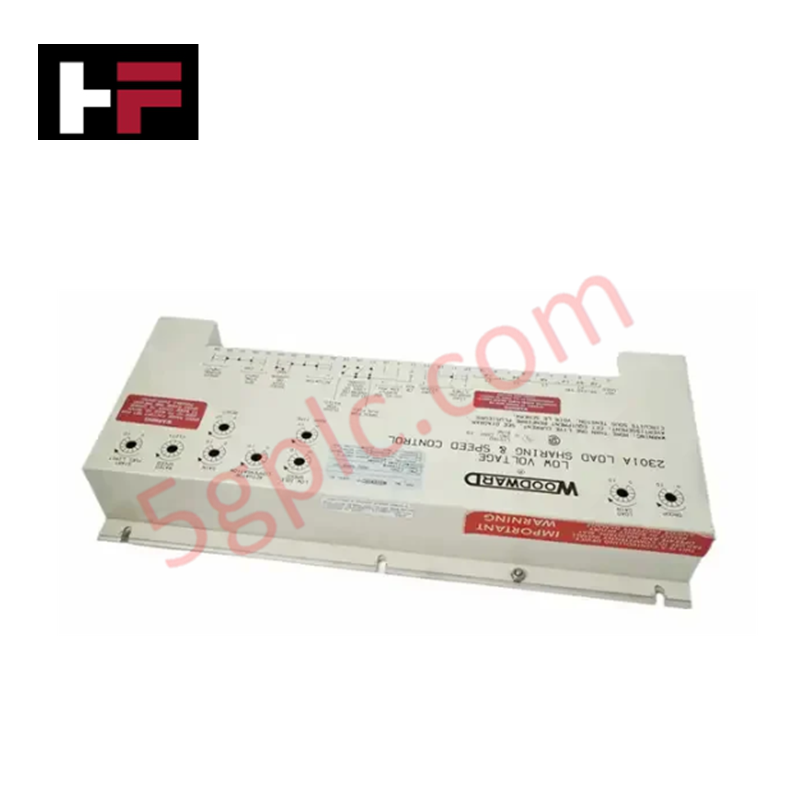
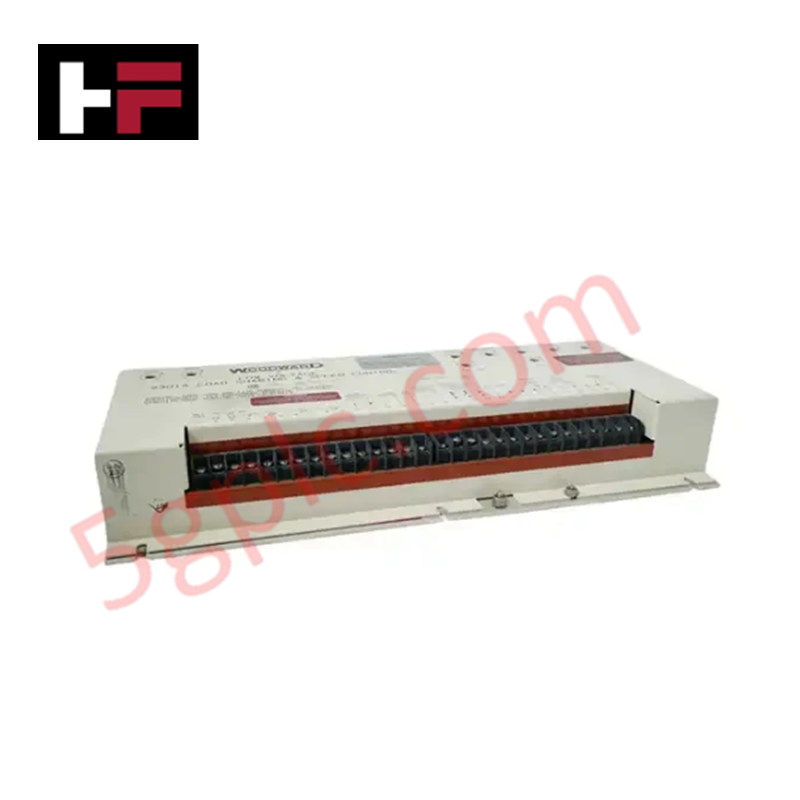
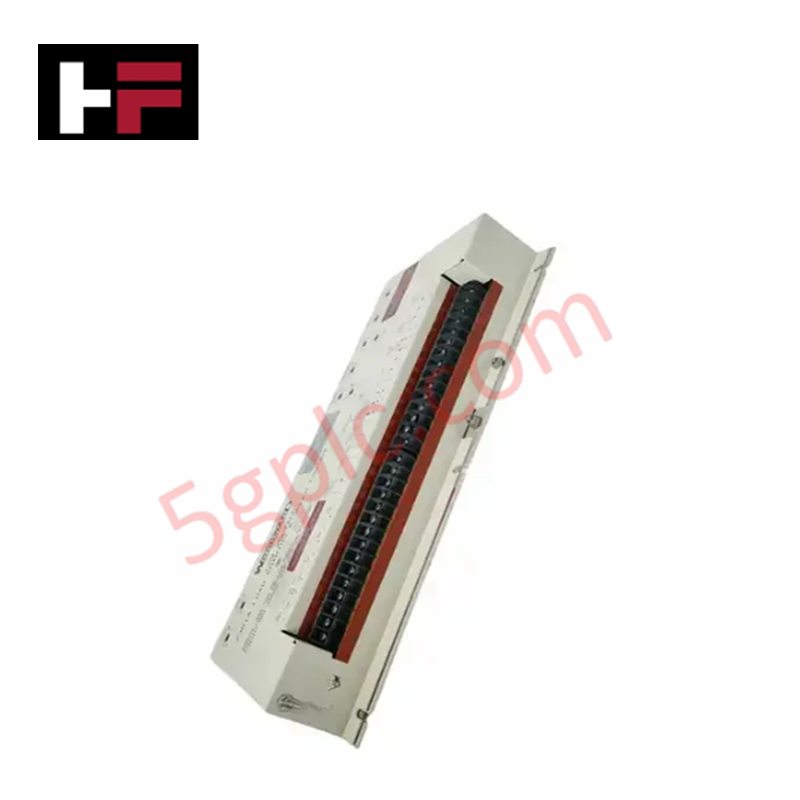
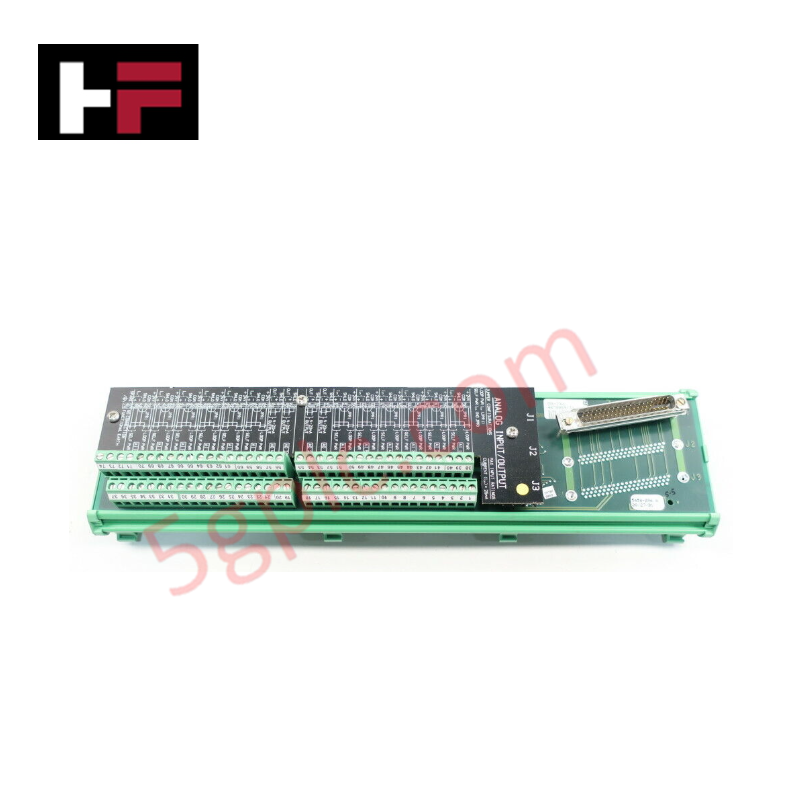
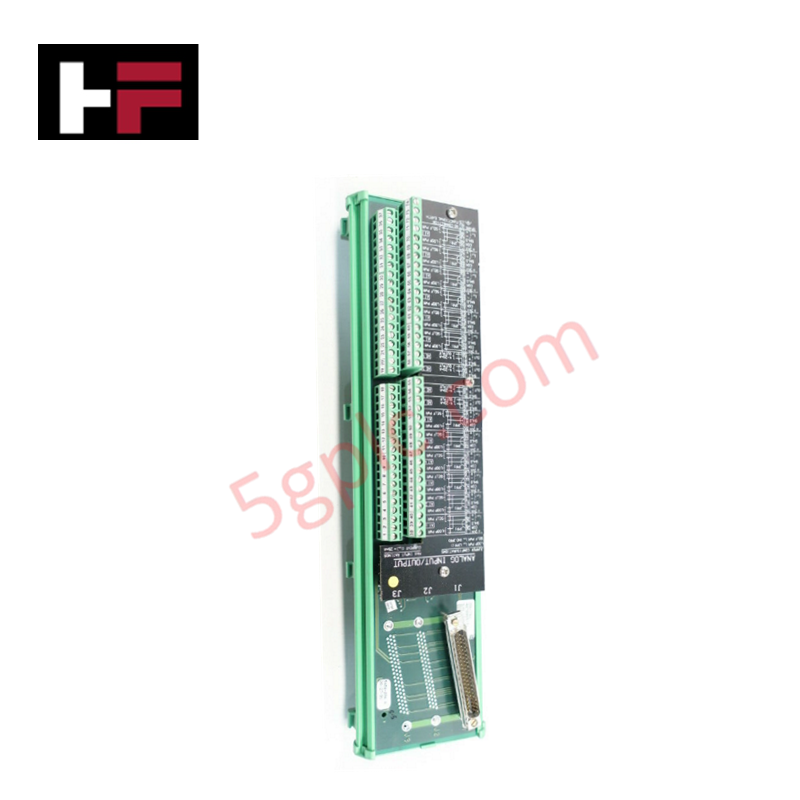
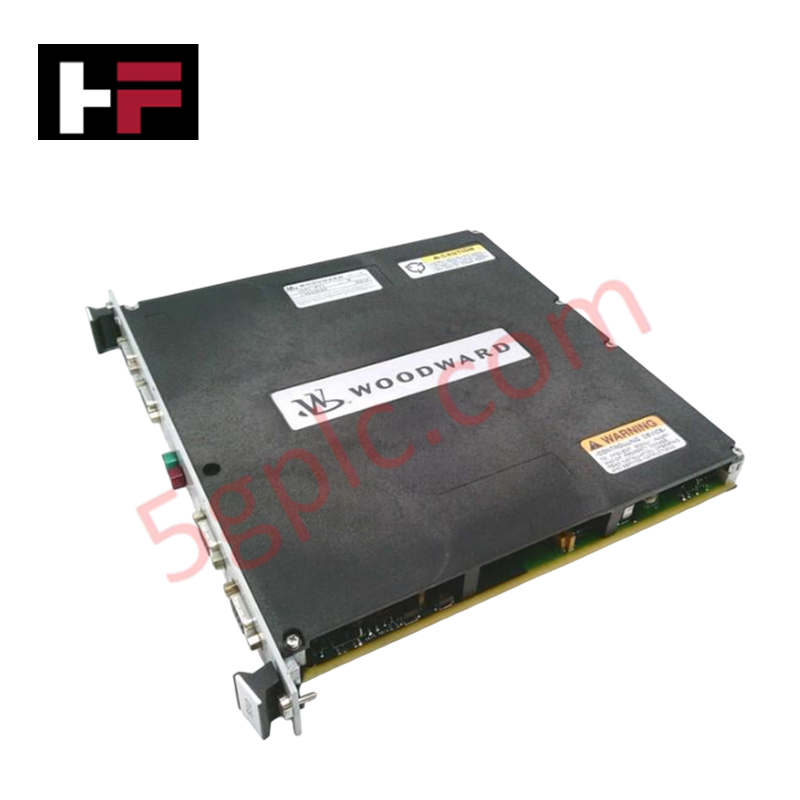
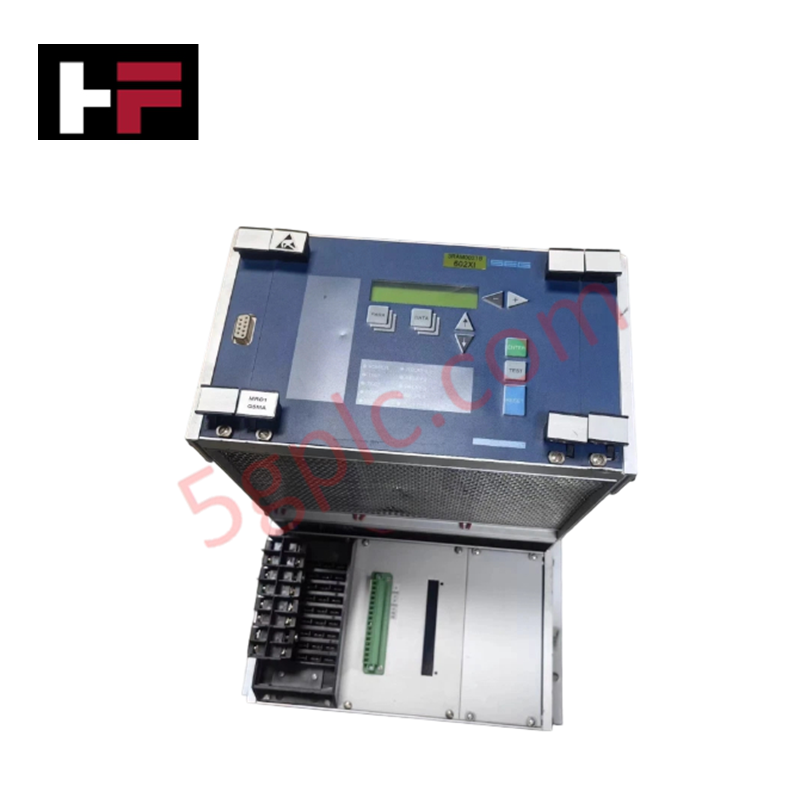
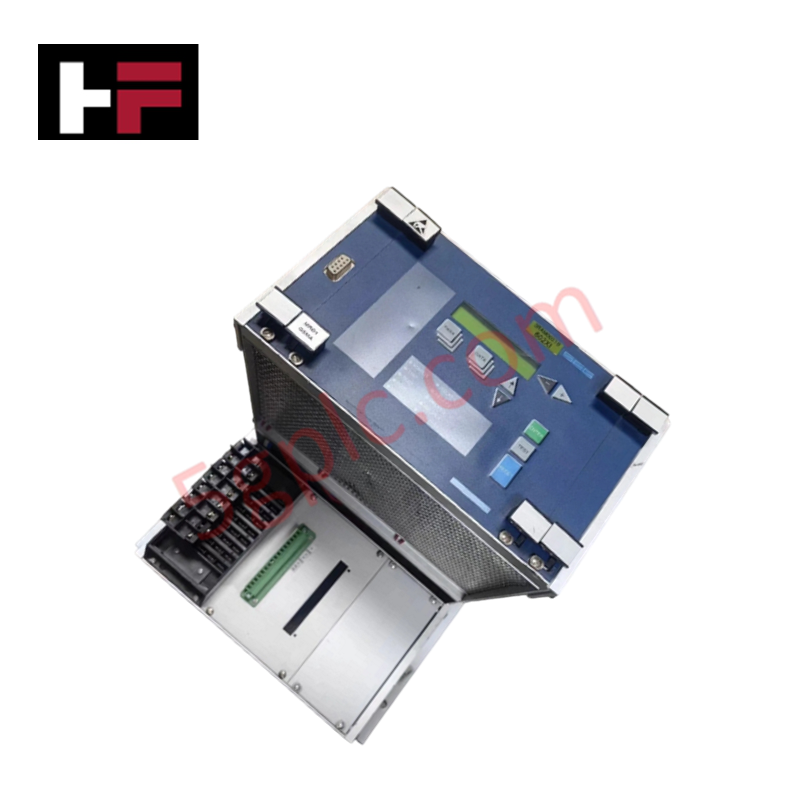
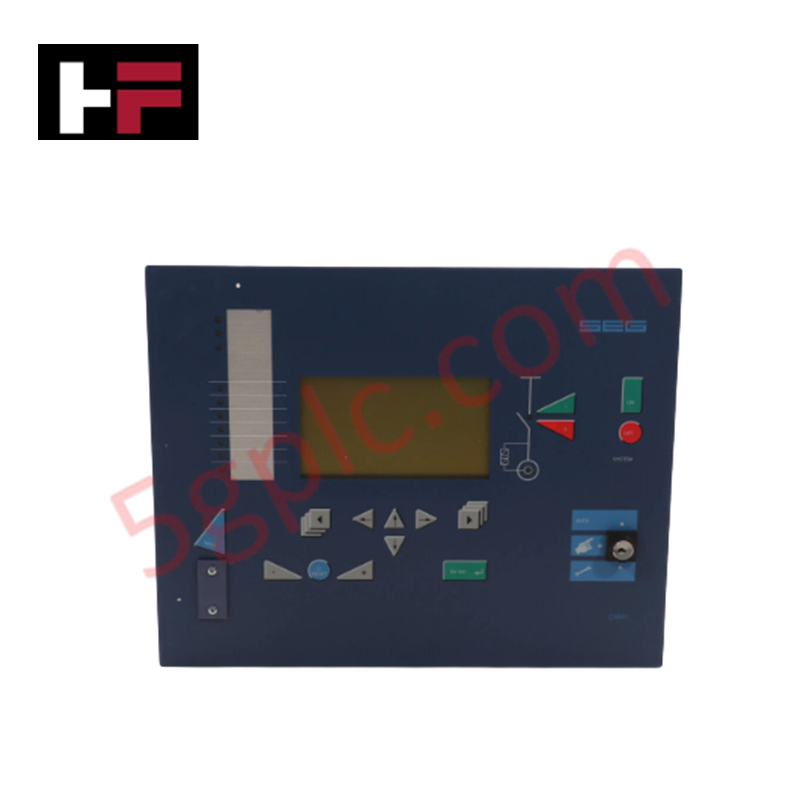
Configured for prime mover load distribution and rotational velocity regulation, the Woodward 9905-068 (9905-068 Load Sharing and Speed Control) provides direct physical/electrical execution of speed sensing and actuator output control within governor systems.
Hardware Specifications
| Parameter | Specification |
|---|---|
| Model | 9905-068 |
| Brand | Woodward |
| Origin | Not specified |
| Weight | < 4 lbs |
| Dimensions | 15.25 x 7.125 x 2.5 in |
| Operating Temp | -40 to 85 deg C |
| Power Consumption | <= 15 W |
| Input Voltage | 20-40 VDC |
| Speed Sensor Input Impedance | 100-300 Ohm |
Actuator Loop Feedback Response
The 9905-068 2301A control module modulates the fuel system via a PID-based output stage designed to maintain engine speed setpoints. To ensure a stable actuator loop feedback response, the controller utilizes internal compensation, gain, and reset potentiometers, which allow for site-specific tuning to match the engine's mechanical time constants. If the prime mover fails to achieve rated no-load speed or exhibits hunting behavior during load sharing, these potentiometers must be adjusted to align the controller output with the actuator's physical response. The unit continuously monitors the load signal to facilitate precise synchronization and load sharing in multi-generator applications, requiring correct current transformer phasing for stable operation.
Frequently Asked Questions
Q: What is the procedure for verifying correct phase operation of the load signal?
A: With the prime mover in isochronous mode and not running, load the generator to near-full capacity and measure the voltage between the negative terminal 11 and positive terminal 13. If measurements indicate a phase error, rotate and record voltage/polarity across the three current transformers to verify correction.
Q: How can I optimize the control loop if the engine does not equalize for rated speed?
A: If speed equalization errors occur, verify the control operation and refine the actuator compensation, gain, and reset potentiometer settings. Ensure these adjustments are performed incrementally while observing the governor's response to step-load changes.
Field Installation Guidelines
- Mounting: Secure the control module in an industrial enclosure using the specified mounting dimensions. Ensure the unit is protected from high-humidity and high-vibration environments, maintaining operation within the -40 to 85 deg C range.
- Wiring: Use shielded cabling for speed sensor inputs and load signal connections to prevent electromagnetic interference. Terminate shields at the cabinet ground point to minimize ground loops that could introduce signal instability.
- Power Connection: Connect a regulated 20-40 VDC power supply to the unit. Ensure the power source is capable of delivering consistent current, as fluctuations can degrade the precision of the speed sensing and control output.
- Validation: Prior to initial startup, perform a cold-loop test to verify current transformer phasing and load signal polarities. Ensure the speed sensor impedance (100-300 Ohm) matches the MPU or proximity probe specifications before commissioning the prime mover into parallel operation.
Additional Information
- 100% Genuine Parts: All products are original and authentic, ensuring reliable industrial performance.
- 30-Day Refund Guarantee: Return any in-stock item within 30 days in original, unopened packaging for a full refund (excluding shipping and fees).
- 12-Month Warranty: Covers defects in materials or workmanship; excludes misuse, normal wear, or unauthorized modifications.
- Worldwide Shipping: We ship via USPS, UPS, FedEx, and DHL. Delivery times vary by country and may be subject to customs or import fees.
- Support & Contact: Technical and warranty assistance is available anytime. Contact us here: Contact.
- Purchase Guidance: Check product specifications and compatibility carefully before ordering to ensure proper application.
Tech & Buying Guide

Mastering the Siemens PLC Scan Cycle: How the CPU Executes Automation Programs
Industrial automation relies heavily on programmable logic controllers (PLCs) to manage complex manufacturing processes. Many engineers dive straight into programming without mastering the underlying architecture. However, understanding how a PLC CPU executes a program ensures reliable system design. Therefore, mastering the scan cycle optimizes both performance and troubleshooting in modern control systems.

How to Connect to Siemens S7 PLCs: 5 Essential Communication Methods
Establishing a reliable hardware link between a programming terminal and a Siemens SIMATIC controller is essential for engineering workflows. Field engineers rely on distinct physical layers, ranging from legacy serial connections to high-speed Industrial Ethernet protocols. Modern factory automation environments prioritize fast data transfer and seamless driver integration. Selecting the correct connection method simplifies program downloads, online monitoring, and system troubleshooting in complex control systems.

Will PLCs Become Obsolete? The Future of Control Systems in Industry 4.0
Modern manufacturing is undergoing a rapid technological transformation driven by Industry 4.0 innovations. Technologies like Artificial Intelligence (AI), Machine Learning (ML), and the Industrial Internet of Things (IIoT) are dominating discussions across the factory automation sector. Consequently, many engineers wonder if these advanced digital tools will eventually replace traditional Programmable Logic Controllers (PLCs). However, evaluating the core physics of industrial operations reveals a very different reality for control systems.