












Product Details
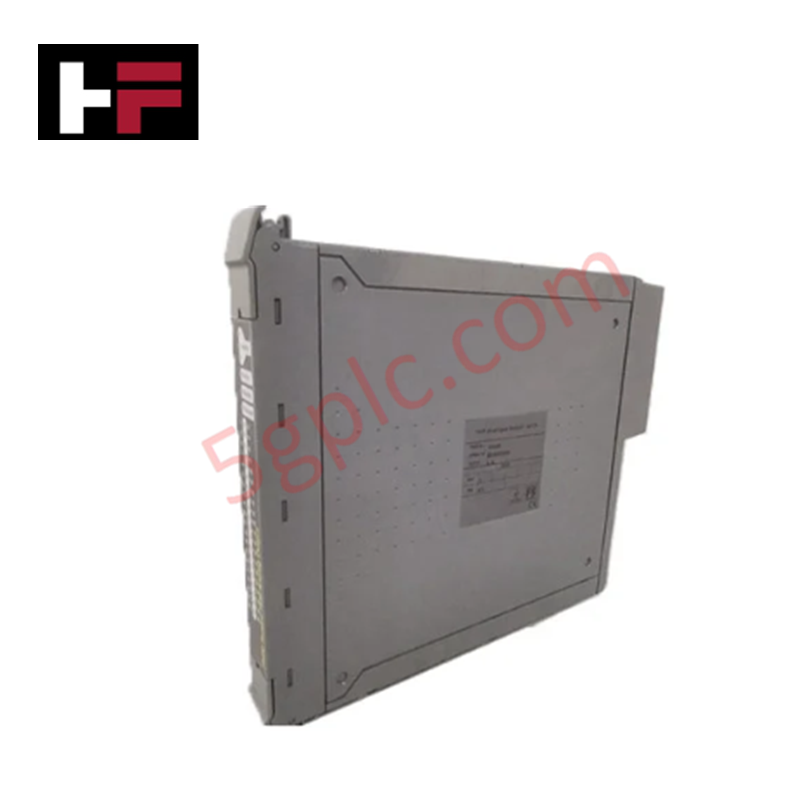
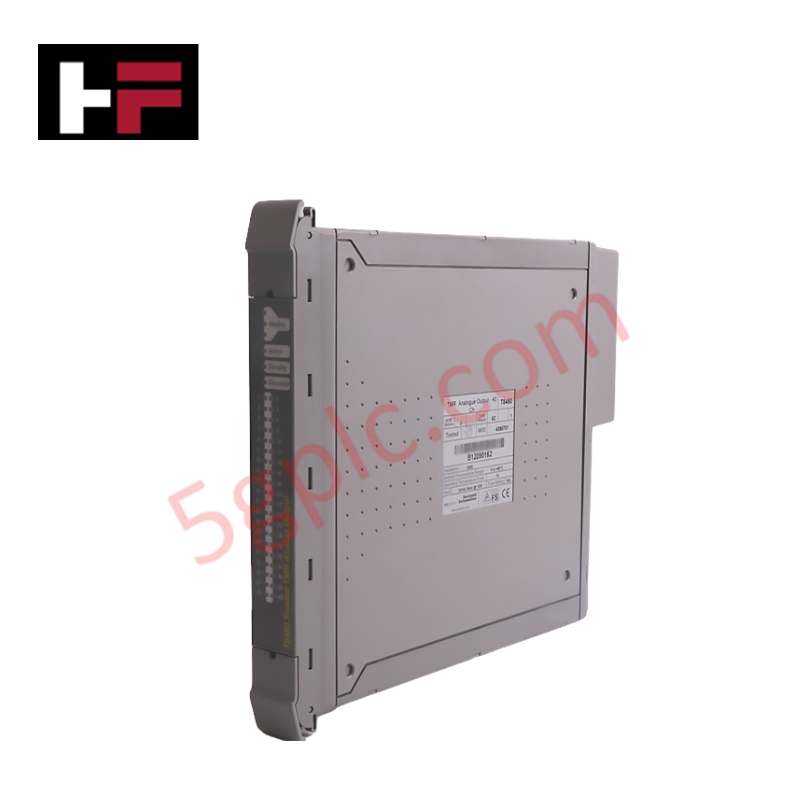
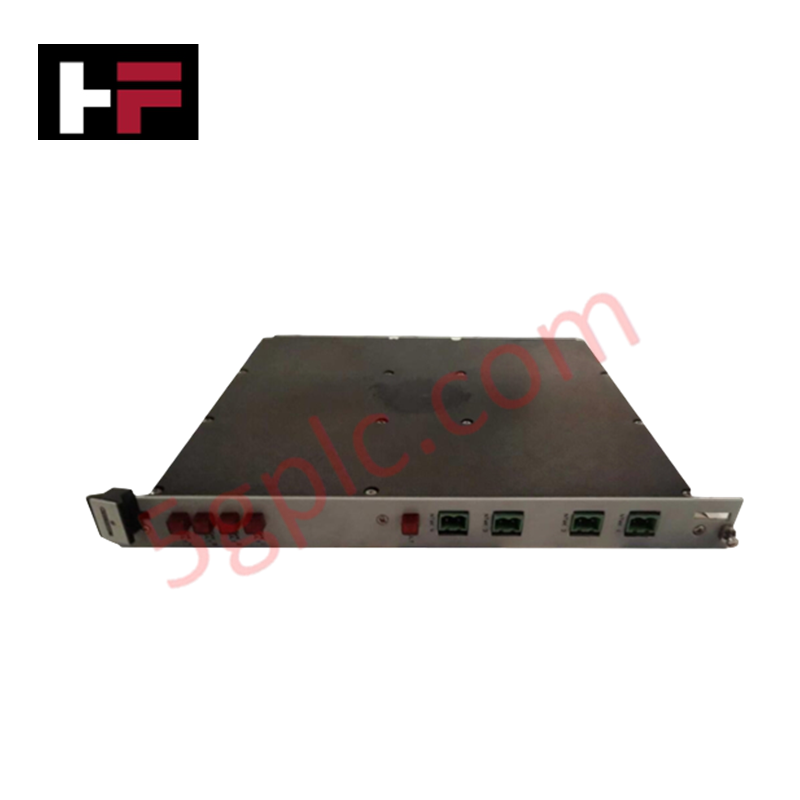
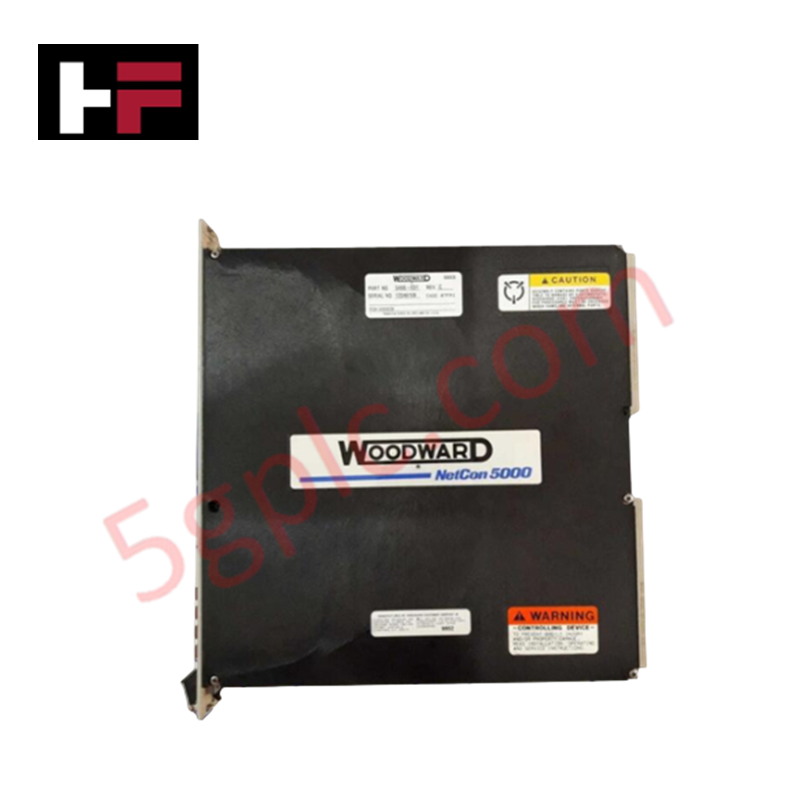
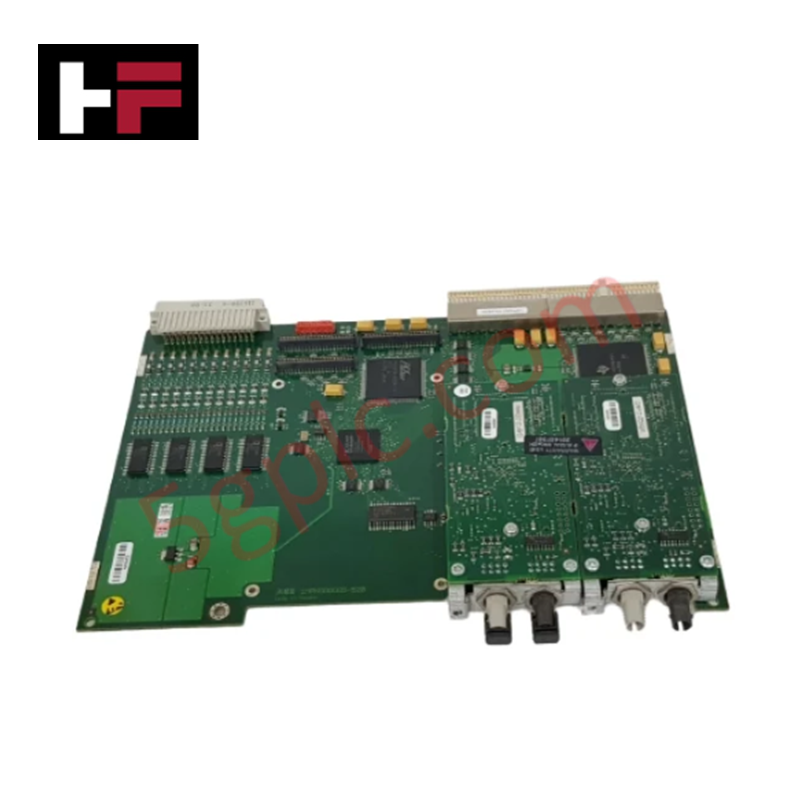
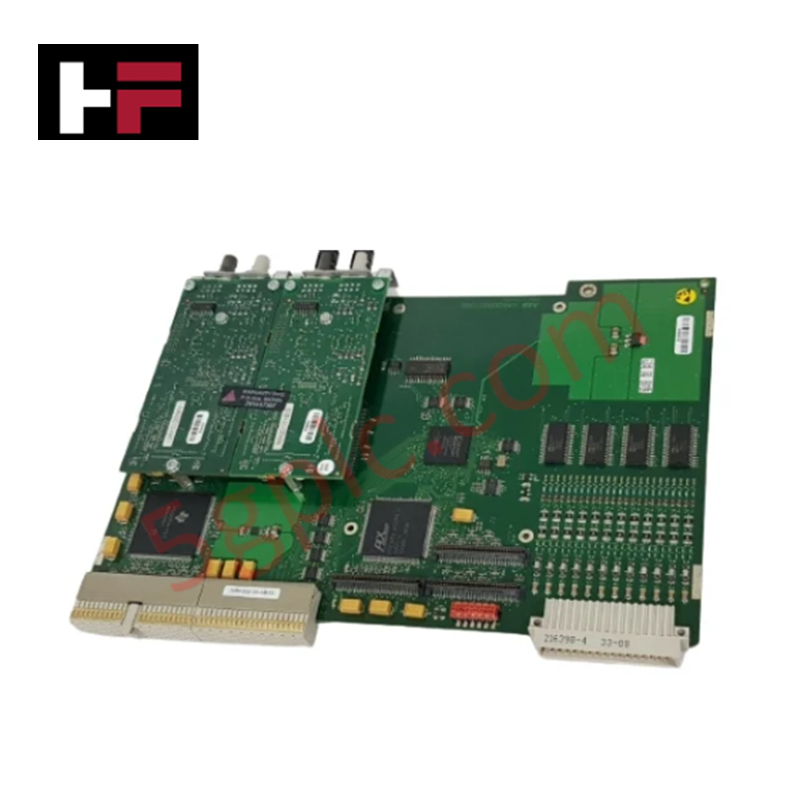
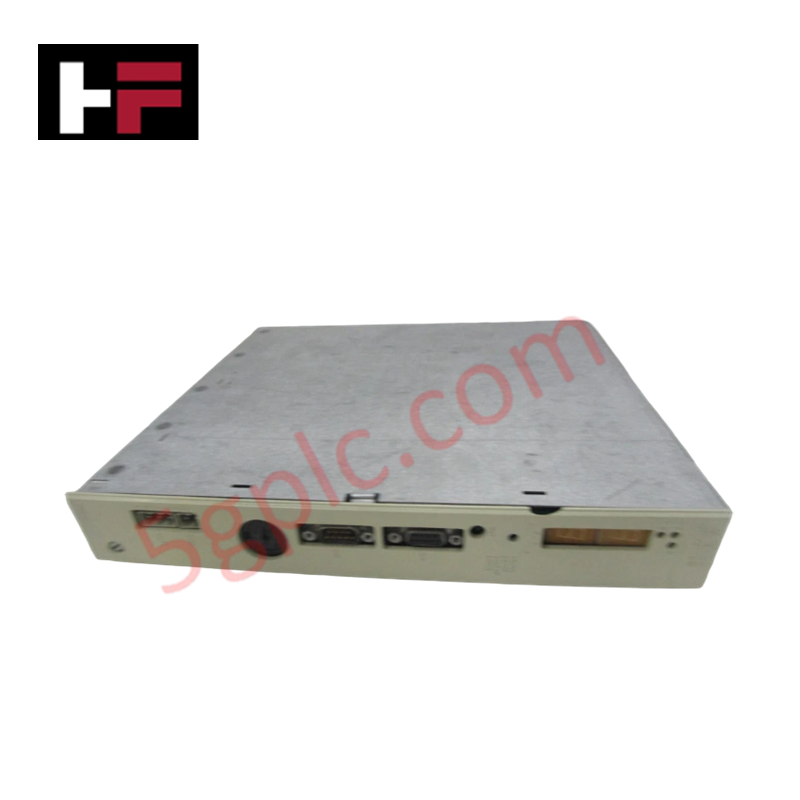
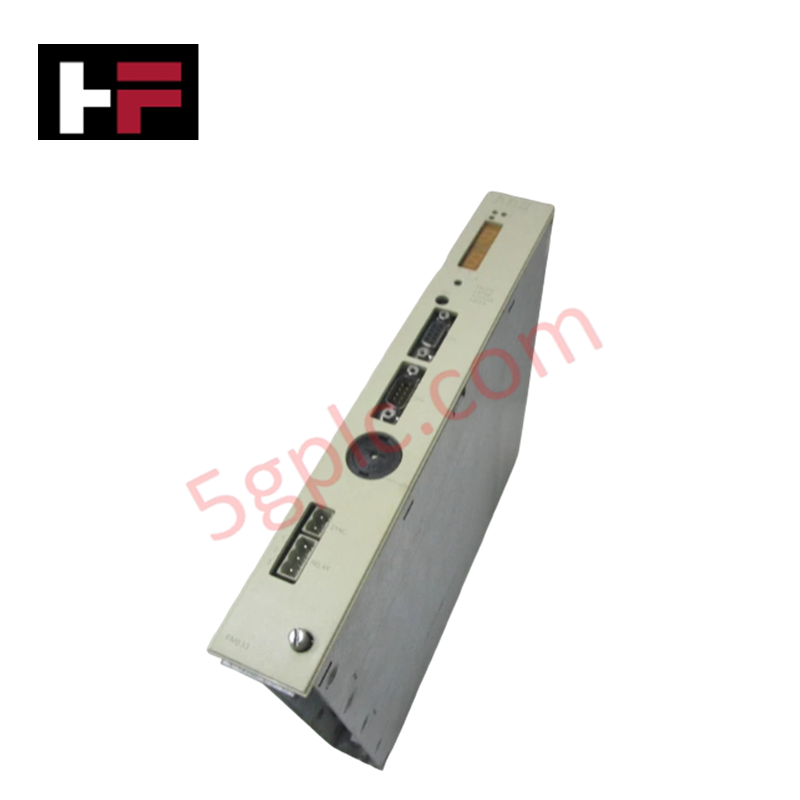
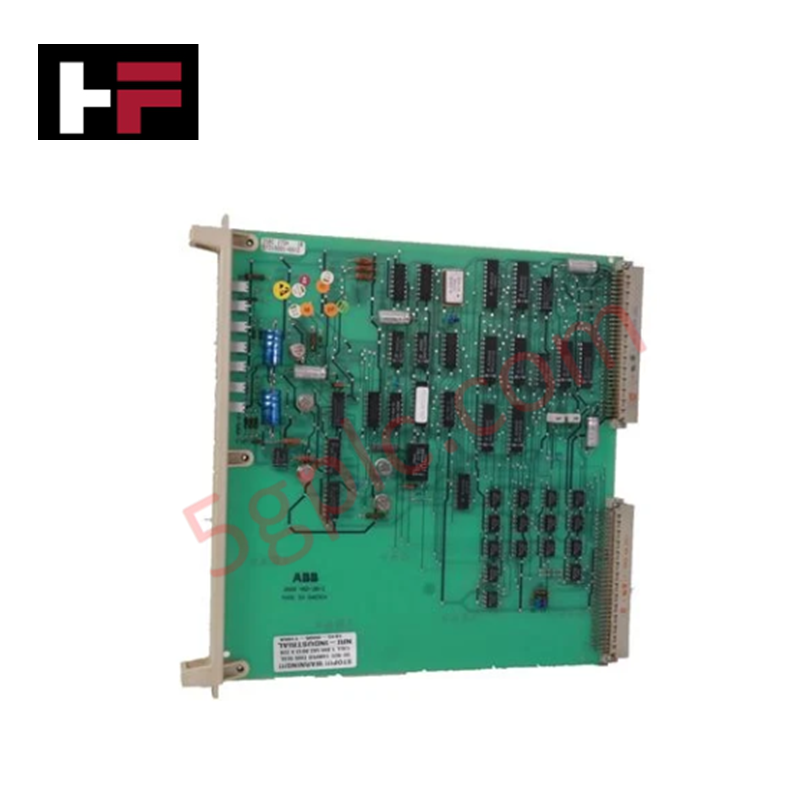
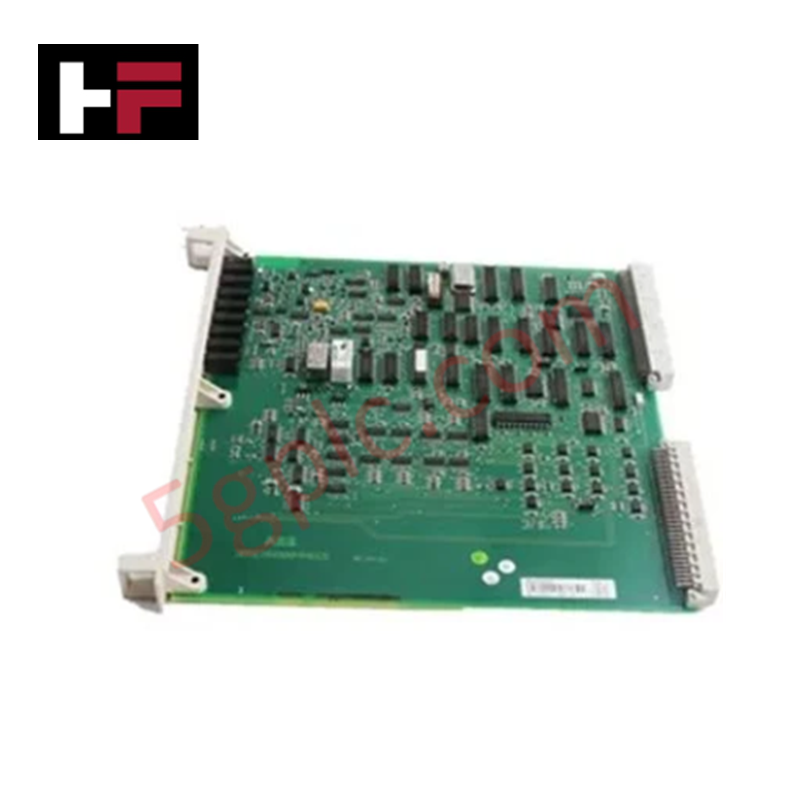
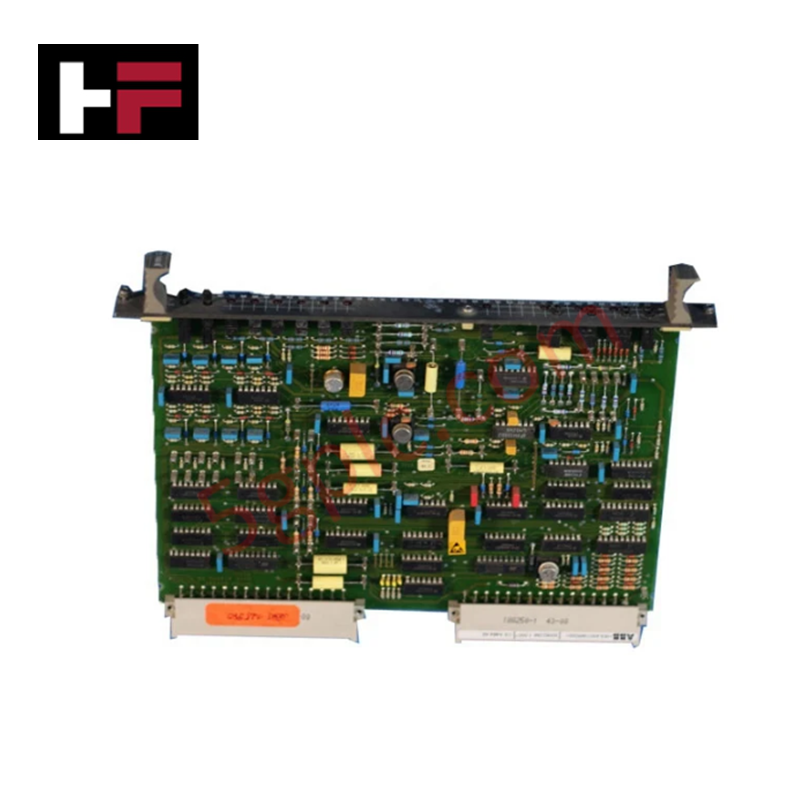
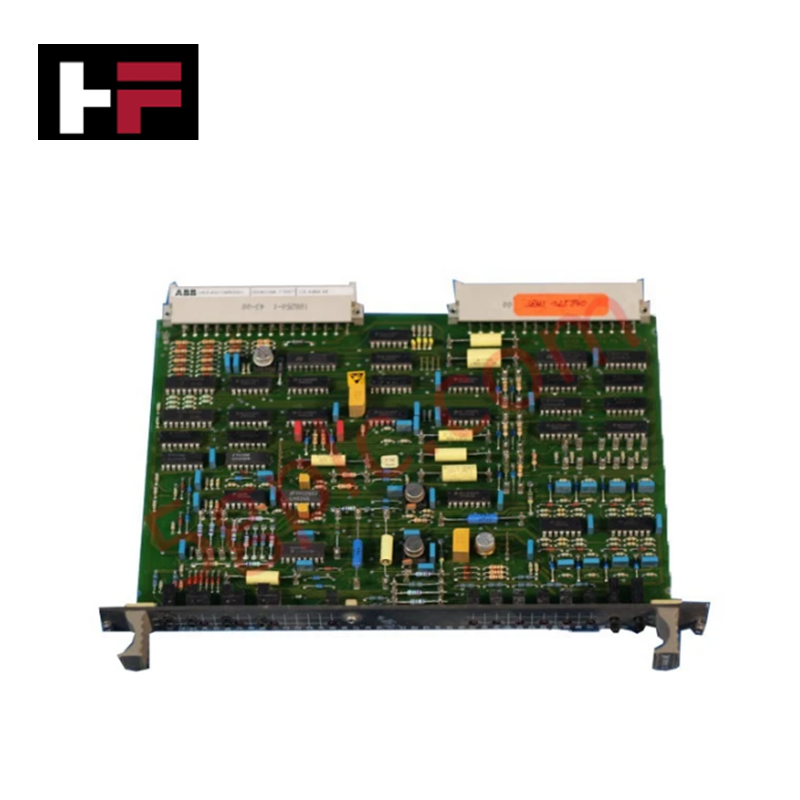
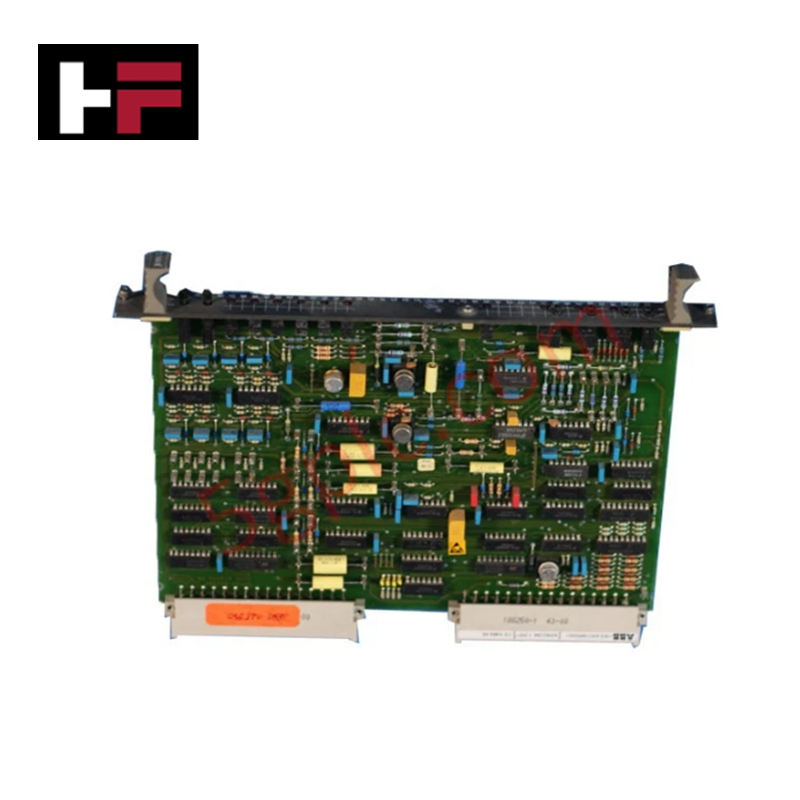
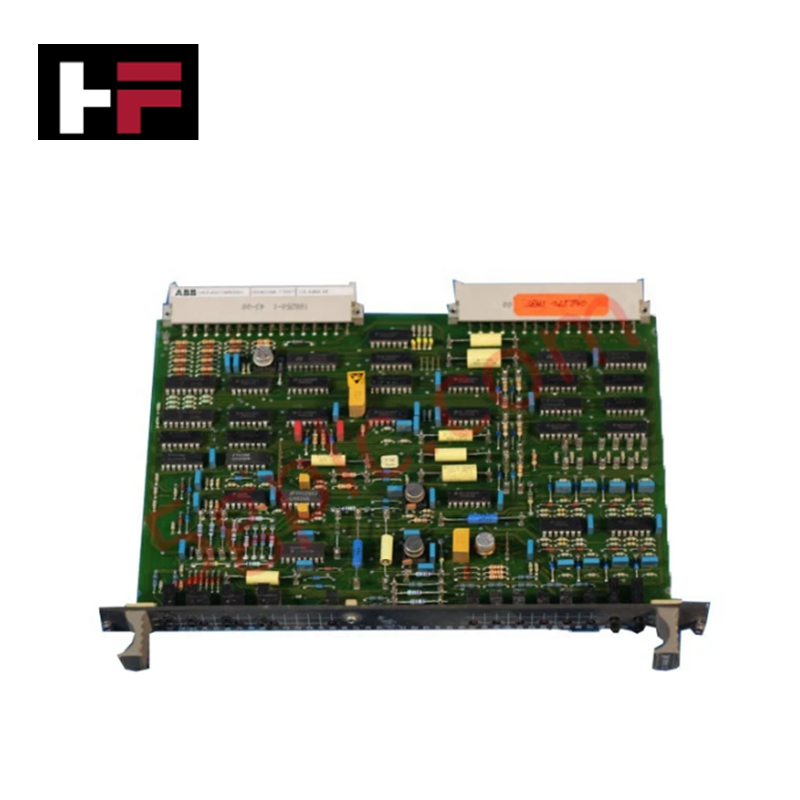
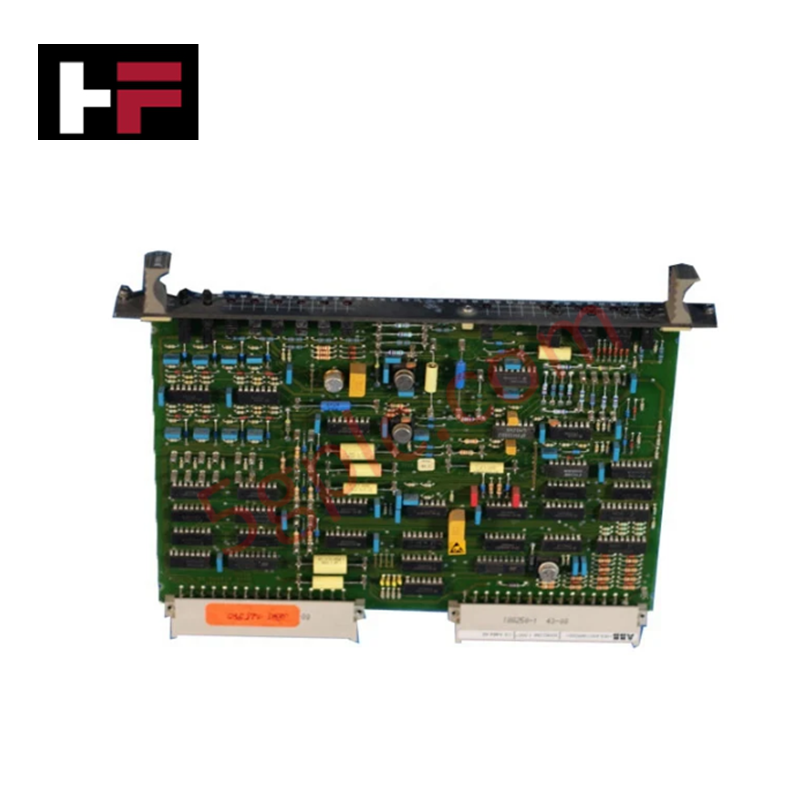
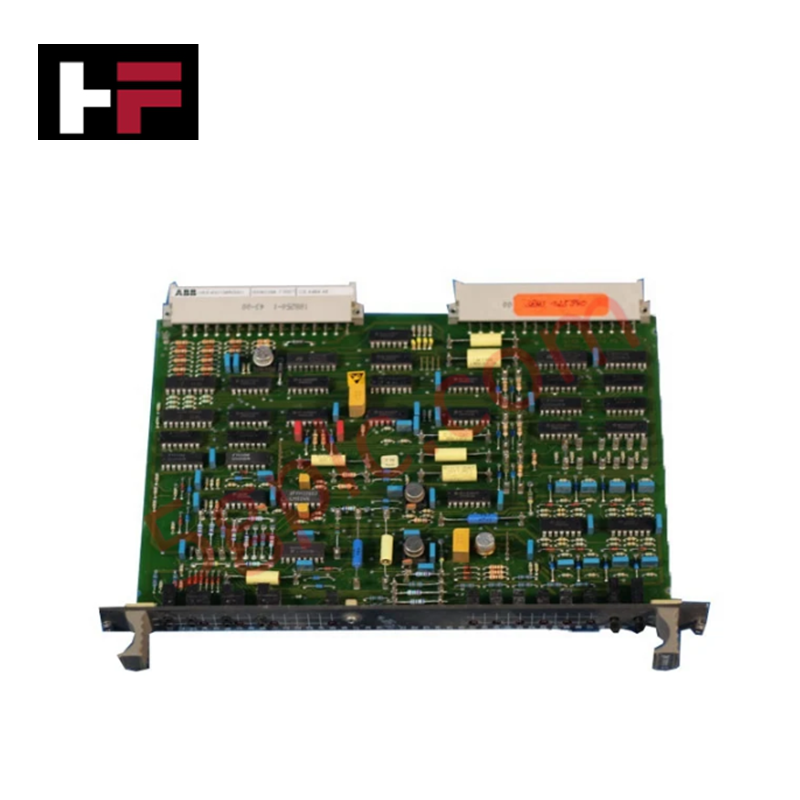
Configured for multi-channel data exchange and system monitoring in MicroNet TMR network architectures, the Woodward 5466-031 (5466-031 Network Controller Module) provides direct physical/electrical execution.
Hardware Specifications
| Parameter | Specification |
|---|---|
| Model | 5466-031 |
| Brand | Woodward |
| Origin | USA |
| Weight | Approx. 0.9 kg |
| Dimensions | Standard MicroNet rack-mount form factor |
| Operating Temp | Industrial grade specification |
| Power Consumption | Varies based on network load |
| Channel Capacity | 4 independent communication channels |
| Supported Protocols | Ethernet/IP, Modbus TCP/IP |
Triple Modular Redundancy (TMR) 2oo3 Architecture
The 5466-031 operates within the MicroNet TMR framework, utilizing a fault-tolerant 3-2-0 logic architecture to eliminate single points of failure. Each kernel module executes application logic in lock-step, distributing read values across the TMR array. Before output generation, the system performs a cross-kernel vote on input data and calculated response values. This ensures that the controller maintains continuous operation despite the failure or physical removal of any individual CPU, analog, or discrete I/O module. The system enforces strict signal synchronization across kernels to guarantee deterministic output across all managed subsystems.
Frequently Asked Questions
Q: Does the 5466-031 support online replacement of modules within the TMR rack?
A: Yes, the TMR architecture supports the removal and replacement of individual CPU or I/O modules during operation without interrupting the primary control process, provided the remaining modules maintain the required voting logic.
Q: How should communication cables be routed to ensure protocol integrity?
A: Communication cabling must be routed away from high-voltage power lines or electromagnetic sources. Utilize shielded twisted-pair cabling for Ethernet connections and ensure proper termination at both the module and the network switch.
Field Installation Guidelines
- Power down the specific rack slot or ensure the TMR system is in a stable state before physical handling.
- Align the module with the MicroNet chassis guide rails to prevent backplane pin misalignment.
- Secure the module using the front panel locking mechanisms to ensure electrical contact and chassis bonding.
- Verify link status LEDs on the front panel after power-up to confirm successful network handshaking.
- Ensure all network cable connectors are fully seated and free from mechanical tension to prevent intermittent communication drops.
Additional Information
- 100% Genuine Parts: All products are original and authentic, ensuring reliable industrial performance.
- 30-Day Refund Guarantee: Return any in-stock item within 30 days in original, unopened packaging for a full refund (excluding shipping and fees).
- 12-Month Warranty: Covers defects in materials or workmanship; excludes misuse, normal wear, or unauthorized modifications.
- Worldwide Shipping: We ship via USPS, UPS, FedEx, and DHL. Delivery times vary by country and may be subject to customs or import fees.
- Support & Contact: Technical and warranty assistance is available anytime. Contact us here: Contact.
- Purchase Guidance: Check product specifications and compatibility carefully before ordering to ensure proper application.
Tech & Buying Guide

Understanding Dry Contacts in PLC Wiring: An Industrial Automation Guide
Mastering contact switching principles is essential for reliable control panels. Field devices and PLCs interface through dry or wet contacts. This technical guide examines the mechanics of dry contacts, explores their wiring architectures, and evaluates their key advantages in industrial automation.

Ultimate Commissioning Checklist for Industrial Automation Systems: An Engineering Guide
Commissioning is the most decisive phase of an industrial automation project, transforming control hardware and software into an operational facility. Thorough testing prevents costly startup delays and builds customer confidence. This guide covers essential checklists, electrical standards, and best practices.

Redundant Automation Systems: Core Architecture, Business Value, and Technical Advantages
Unplanned downtime poses a major financial threat to process manufacturing. To prevent costly interruptions, engineers deploy redundant PLC and DCS architectures that ensure continuous operation when hardware fails. This technical guide explores redundancy principles, critical system nodes, and real-world scenarios.