










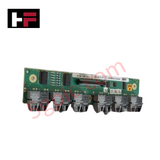
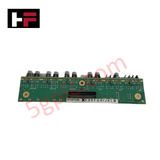
Product Details
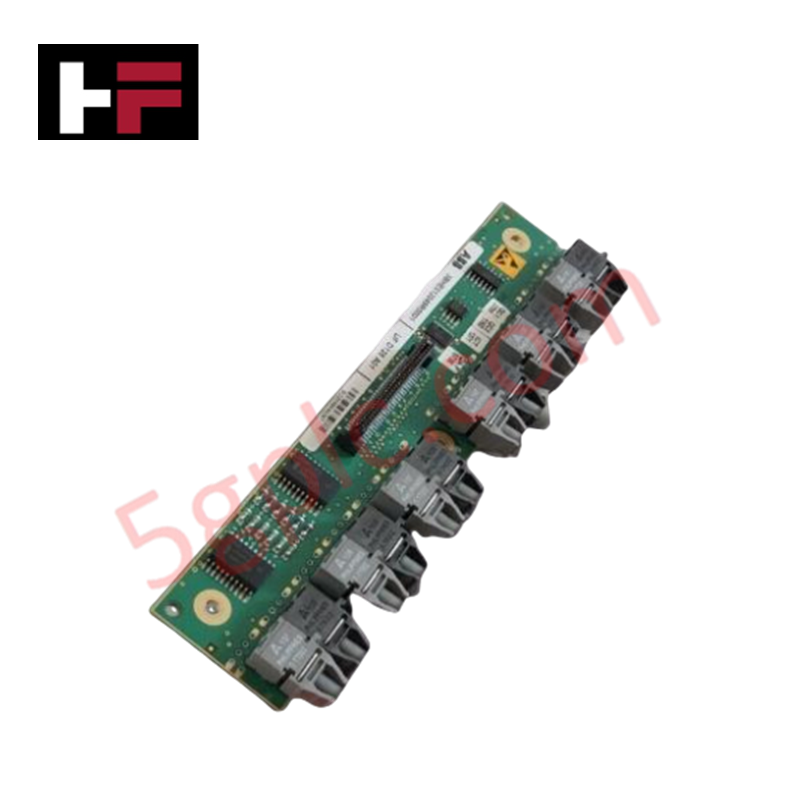
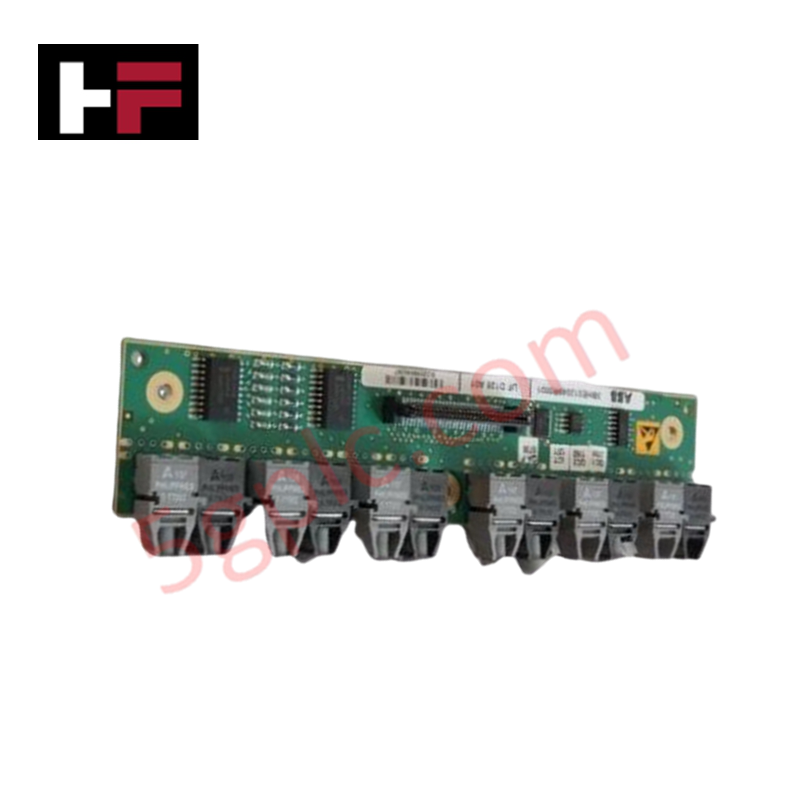
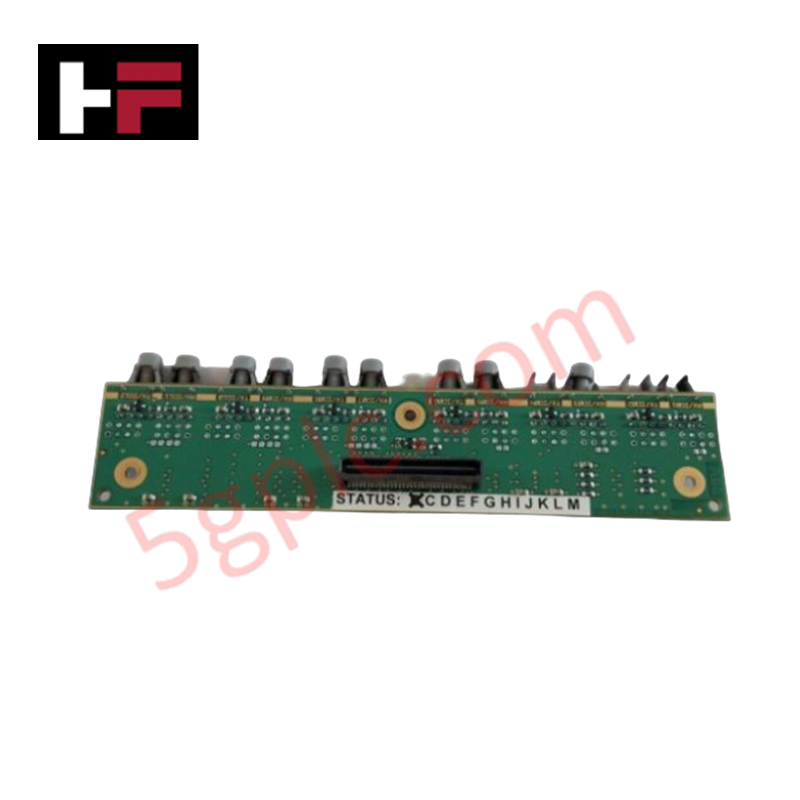
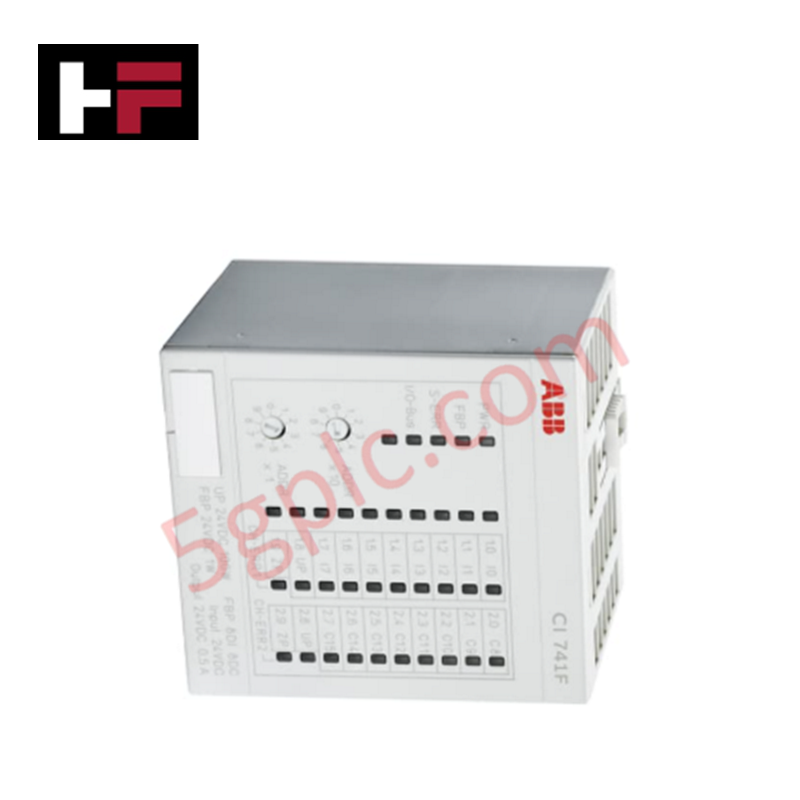
Configured for precision signal acquisition within industrial control networks, the ABB 3BHE006805R0001 (DDC779BE01 Analog Input Module) provides direct physical signal processing and digitization execution.
Hardware Specifications
| Parameter | Specification |
|---|---|
| Model | DDC779BE01 |
| Brand | ABB |
| Part Number | 3BHE006805R0001 |
| Origin | Sweden |
| Weight | 0.3 kg |
| Dimensions | 178 mm x 102 mm x 178 mm |
| Operating Temp | Standard industrial ambient |
| Power Consumption | System backplane dependent |
| Module Type | Analog Input Module |
Backplane bus communication velocity and I/O density scaling
The DDC779BE01 module interfaces with the controller backplane to convert analog field signals into digital data packets for processing. The module architecture supports high-velocity communication over the system bus, enabling deterministic sampling intervals for industrial control applications. The I/O density scaling is optimized to maintain signal integrity while minimizing bus latency across high-channel-count configurations. Ensure the host controller firmware supports the DDC779BE01 module revision to guarantee accurate signal register mapping and data synchronization within the control loop.
Frequently Asked Questions
Q: Is this analog input module compatible with existing system backplane bus configurations?
A: Compatibility is contingent upon the backplane revision and host controller firmware. Verify the hardware version against the system configuration software before initiating commissioning to ensure bus communication velocity requirements are met.
Q: Are there specific thermal dissipation requirements for this module in dense rack mounting?
A: Yes. Maintain clear airflow paths around the module housing to prevent localized heat accumulation. Operation within standard industrial temperature specifications is mandatory to ensure the linearity of the analog-to-digital conversion process.
Field Installation Guidelines
- Mounting: Ensure the module is securely seated in the designated backplane slot. Confirm that locking mechanisms are fully engaged to maintain reliable electrical contact with the bus.
- Signal Grounding: Use shielded, twisted-pair cabling for all analog input signals. Connect the cable shield to a high-integrity grounding bar at the entry point of the control cabinet to minimize common-mode noise.
- Wiring Limits: Keep analog input wiring physically separated from high-voltage AC power lines and drive output cables to prevent electromagnetic interference (EMI) from corrupting low-level signal data.
- Inspection: Periodically verify that terminal block connections are tightened to the specified torque. Inspect for signs of corrosion or moisture ingress in the module connector area, particularly in high-humidity environments.
- Calibration: After initial installation, perform a signal loop check to verify that the digitized values reported by the controller match the physical signal inputs at the field transmitter interface.
Additional Information
- 100% Genuine Parts: All products are original and authentic, ensuring reliable industrial performance.
- 30-Day Refund Guarantee: Return any in-stock item within 30 days in original, unopened packaging for a full refund (excluding shipping and fees).
- 12-Month Warranty: Covers defects in materials or workmanship; excludes misuse, normal wear, or unauthorized modifications.
- Worldwide Shipping: We ship via USPS, UPS, FedEx, and DHL. Delivery times vary by country and may be subject to customs or import fees.
- Support & Contact: Technical and warranty assistance is available anytime. Contact us here: Contact.
- Purchase Guidance: Check product specifications and compatibility carefully before ordering to ensure proper application.






Tech & Buying Guide

Static UPS vs. Rotary UPS: Technical Evaluation for Industrial Automation

Comprehensive Guide to Noise Types in Industrial Automation and Electronics

Mitigating Emergency Stop Spurious Trips in Industrial Control Systems
Emergency stop (E-Stop) pushbuttons serve as vital safety devices in factory automation and process control plants. Functional safety standards mandate normally-closed (NC) contact blocks to ensure fail-safe operation during wiring breaks or power outages. However, mechanical degradation over time can trigger unexpected spurious trips, halting production lines without an actual emergency. Understanding the underlying causes of mechanical contact failure allows automation engineers to implement robust, fault-tolerant safety circuits.