










Product Details
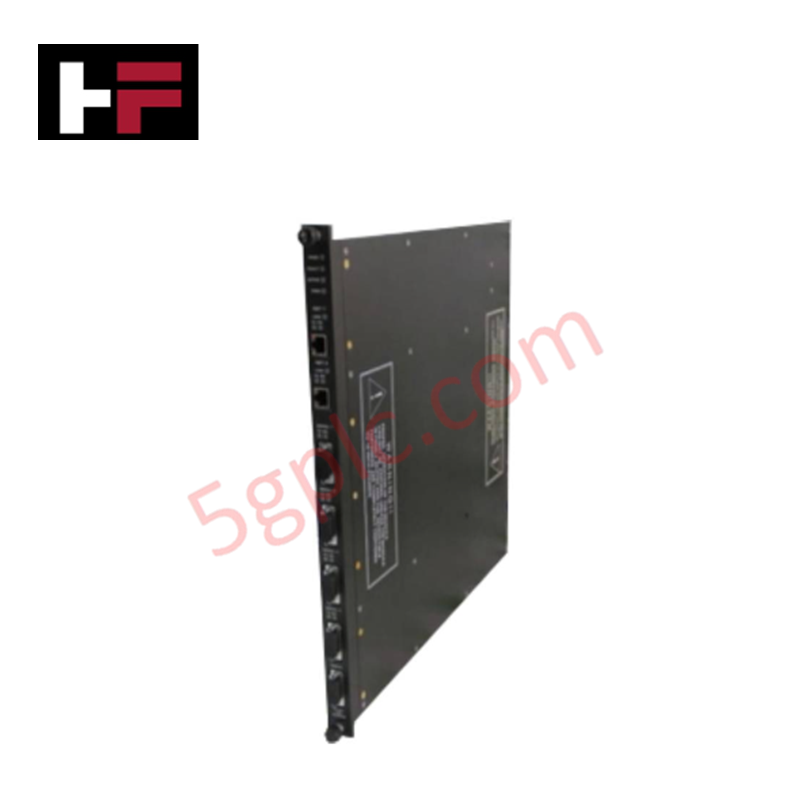
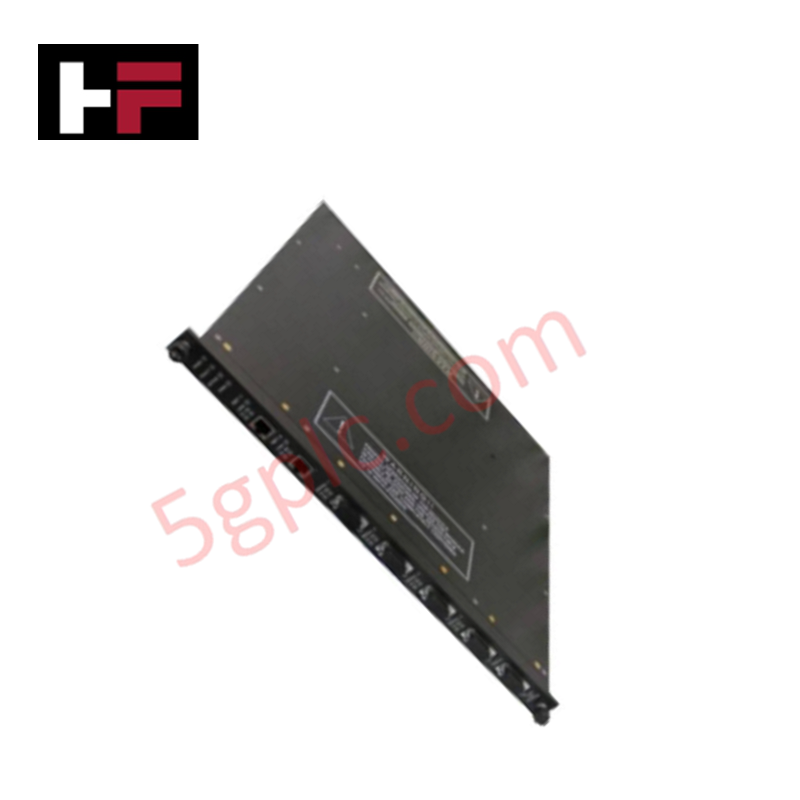
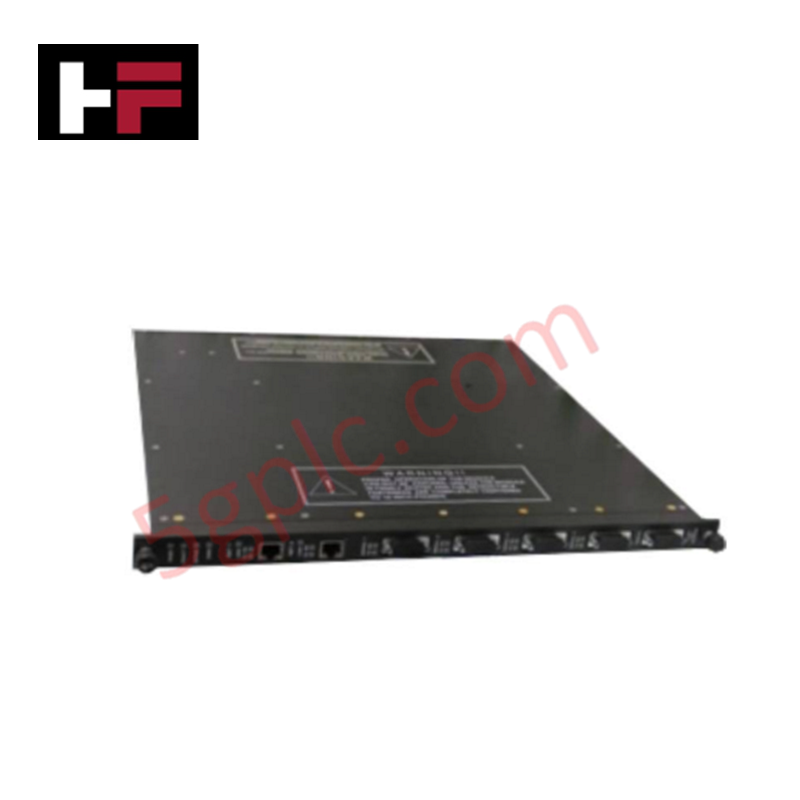
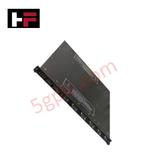
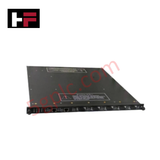
Configured for high-speed logic execution in Tricon safety system platforms, the Triconex 3007 (3007 Main Processor) provides direct physical/electrical execution of safety control algorithms through a multi-processor architecture.
Hardware Specifications
| Parameter | Specification |
|---|---|
| Model | 3007 |
| Brand | Triconex |
| Weight | 0.45 kg |
| Dimensions | Standard Tricon module form factor |
| Operating Temp | Not specified |
| Power Consumption | 15 W |
| CPU | National NS32GX32 (32-bit, 25 MHz) |
| Math Co-processor | National NS32381 (32-bit, 25 MHz) |
| Memory | 512 KB EPROM, 1 MB SRAM |
| Communication Ports | RS-232 (500 VDC isolation), RS-485 |
High-Reliability Safety Control (SIS)
The Triconex 3007 is engineered to facilitate triple modular redundancy (TMR) 2oo3 architecture, acting as the primary computation node within a safety-critical loop. The processor executes logic cycles in parallel with peer modules, utilizing a high-speed TriBus (4 Mbps) for inter-processor voting and synchronization. Galvanic isolation is implemented on the RS-232 interface to protect the internal bus from external surges. In the event of a detected hardware mismatch or memory parity error, the module is designed for fail-safe state execution, transferring control to redundant peers to maintain system integrity without process disruption.
Frequently Asked Questions
Q: Can the 3007 processor be replaced while the system is powered?
A: The 3007 supports hot-swapping within the Tricon chassis. When a replacement module is inserted, it performs a self-diagnostic sequence and synchronizes memory state with the active processors before transitioning to an operational state.
Q: What are the requirements for maintaining the clock calendar accuracy?
A: The onboard battery backup maintains the clock calendar during power-down states. If the drift exceeds the specified ±8.6 seconds per day, the battery assembly requires replacement to ensure accurate time-stamping of diagnostic logs.
Field Installation Guidelines
- Ensure the module is seated fully into the designated chassis slot to guarantee proper engagement with the backplane connectors.
- Verify that the TriBus communication cable is properly terminated if operating in a multi-chassis configuration.
- Use shielded cabling for all RS-232 and RS-485 communication lines to minimize electromagnetic interference.
- Ensure the chassis ground is connected to a low-impedance earth point to prevent common-mode noise from affecting the optically isolated interfaces.
- Avoid excessive force when inserting the module to prevent bending the backplane pins; the module should slide into the guides with minimal resistance.
Additional Information
- 100% Genuine Parts: All products are original and authentic, ensuring reliable industrial performance.
- 30-Day Refund Guarantee: Return any in-stock item within 30 days in original, unopened packaging for a full refund (excluding shipping and fees).
- 12-Month Warranty: Covers defects in materials or workmanship; excludes misuse, normal wear, or unauthorized modifications.
- Worldwide Shipping: We ship via USPS, UPS, FedEx, and DHL. Delivery times vary by country and may be subject to customs or import fees.
- Support & Contact: Technical and warranty assistance is available anytime. Contact us here: Contact.
- Purchase Guidance: Check product specifications and compatibility carefully before ordering to ensure proper application.




Tech & Buying Guide

Demystifying Open Platform Communication (OPC): The Backbone of Industrial Interoperability
Interoperability remains a cornerstone requirement for modern smart factories and process automation. Open Platform Communication (OPC) bridges the gap between disparate hardware platforms, control systems, and visualization software. By establishing a universal communication standard, OPC allows field controllers, SCADA platforms, and enterprise software from different vendors to exchange real-time data seamlessly.

Understanding Siemens PLC Memory Cards: MMC, SMC, and SD Solutions in Industrial Automation
Memory management plays a pivotal role in maintaining control system reliability across modern manufacturing plants. Industrial control systems rely on specialized memory cards to store project logic, firmware updates, and retentive system data. Siemens uses several memory architectures, including Micro Memory Cards (MMC) and SIMATIC Memory Cards (SMC). Engineers must understand these hardware variations to ensure zero data loss and minimize downtime during maintenance routines.

Redefining Control Systems: The Rise of Flexible I/O Modules in Industrial Automation
Conventional input-output architectures often limit engineering agility and inflate long-term inventory costs. Today, Flexible Input/Output Modules (FIOM) are transforming how control system engineers design, commission, and maintain automation infrastructure. By allowing individual channel software configuration, FIOM technology bridges the gap between rigid hardware design and dynamic plant requirements.