Tech & Buying Guide

Industrial PLC Communication Protocols: A Comprehensive Engineering Guide
- 〡 by WUPAMBO
Modern factory automation relies heavily on industrial communication protocols to connect field instruments, controllers, and enterprise networks. Beyond traditional hardwired I/O, robust communication networks allow programmable logic controllers (PLCs) to exchange telemetry, diagnostic data, and control commands efficiently across complex architectures.

Demystifying CPU Communication Ports in Siemens PLC Architectures
- 〡 by WUPAMBO
Industrial automation relies heavily on robust data exchange between devices. Without seamless connectivity, field instruments, network switches, human-machine interfaces, and programmable logic controllers cannot coordinate effectively. Therefore, understanding the various CPU communication ports available in Siemens hardware ensures efficient factory automation design and seamless system integration.
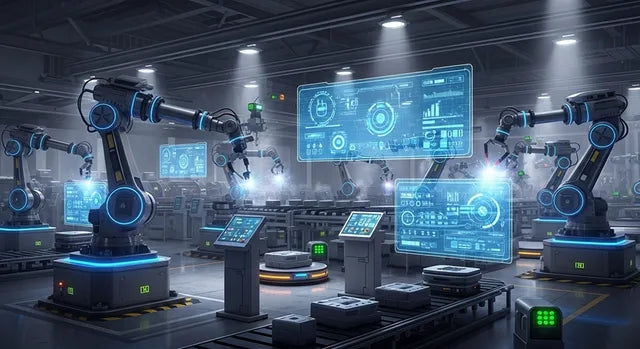
Navigating Industrial Communication Protocols: A Technical Guide for Modern PLCs
- 〡 by WUPAMBO
In the realm of industrial automation, the Programmable Logic Controller (PLC) serves as the brain of the factory floor. However, its true power is unlocked through robust communication protocols. These digital pathways ensure seamless data exchange between controllers, sensors, and enterprise-level management systems.
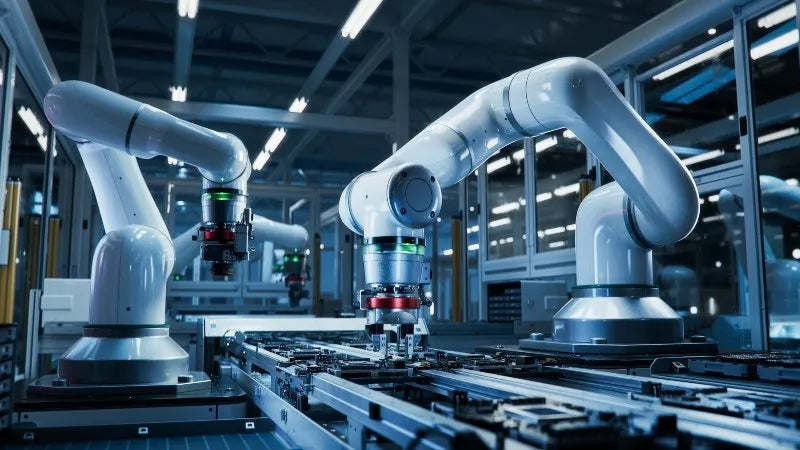
Microcontroller vs. PLC: Choosing the Right Controller for Industrial Automation
- 〡 by WUPAMBO
In the realm of modern engineering, selecting the appropriate control architecture is a fundamental decision. Both microcontrollers and Programmable Logic Controllers (PLCs) offer powerful logic processing and data handling capabilities. However, their physical design, environmental resilience, and intended applications differ significantly. This guide explores the technical nuances between these two dominant control systems.
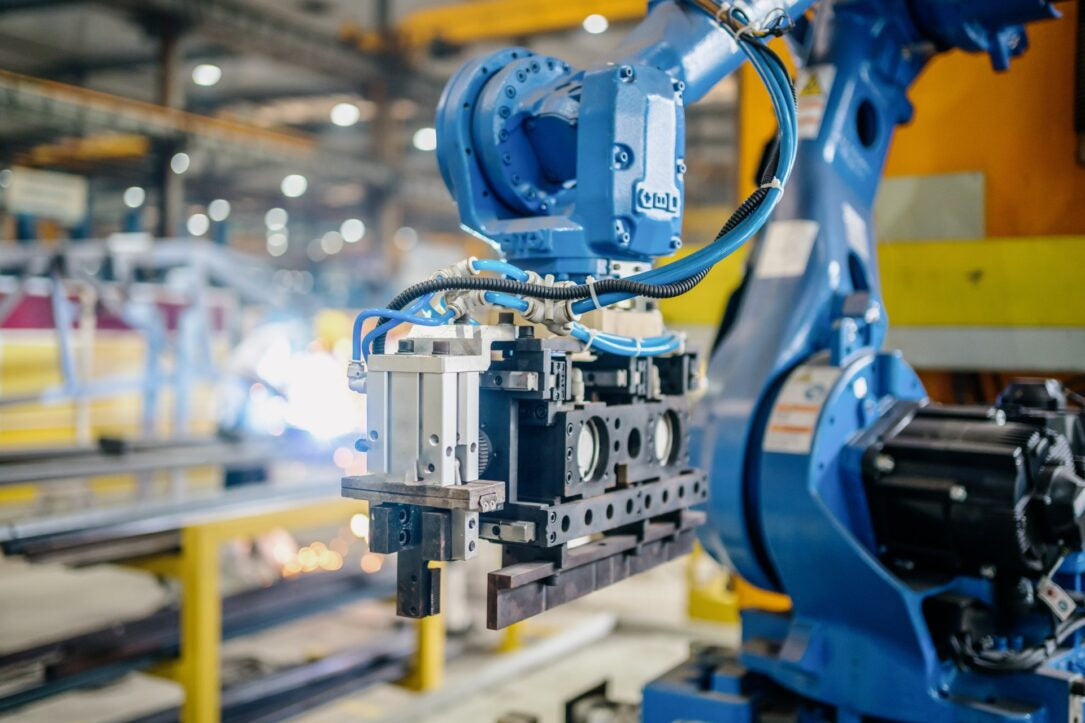
Essential Guide to Siemens PLC Communication Ports and Protocols
- 〡 by WUPAMBO
In modern industrial automation, a controller is only as powerful as its ability to communicate. Siemens PLCs utilize a variety of onboard ports to exchange data with HMIs, drives, and other field devices. Understanding these interfaces is critical for designing robust control systems. This guide explores the technical specifications and practical applications of the most common Siemens communication ports.

Mastering Siemens Interface Modules (IM): The Backbone of Distributed I/O
- 〡 by WUPAMBO
In the realm of industrial automation, efficiency depends on how effectively a system communicates with its peripherals. The Siemens Interface Module (IM) serves as the critical link in this architecture. It enables seamless data exchange between centralized controllers and decentralized hardware. Whether you are working with the S7-300, S7-1500, or ET 200 series, understanding the IM is essential for modern control systems.