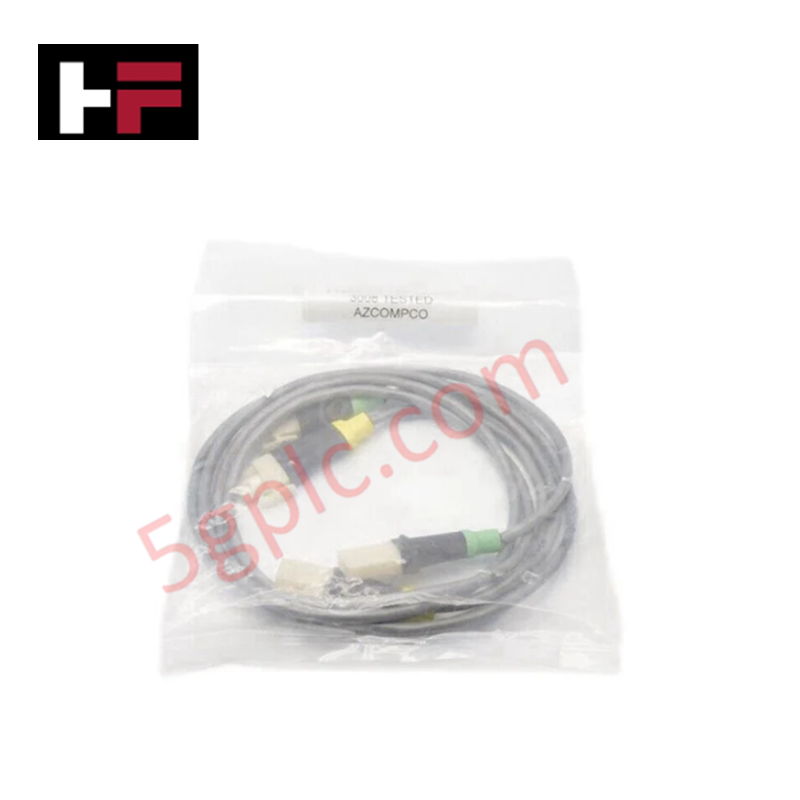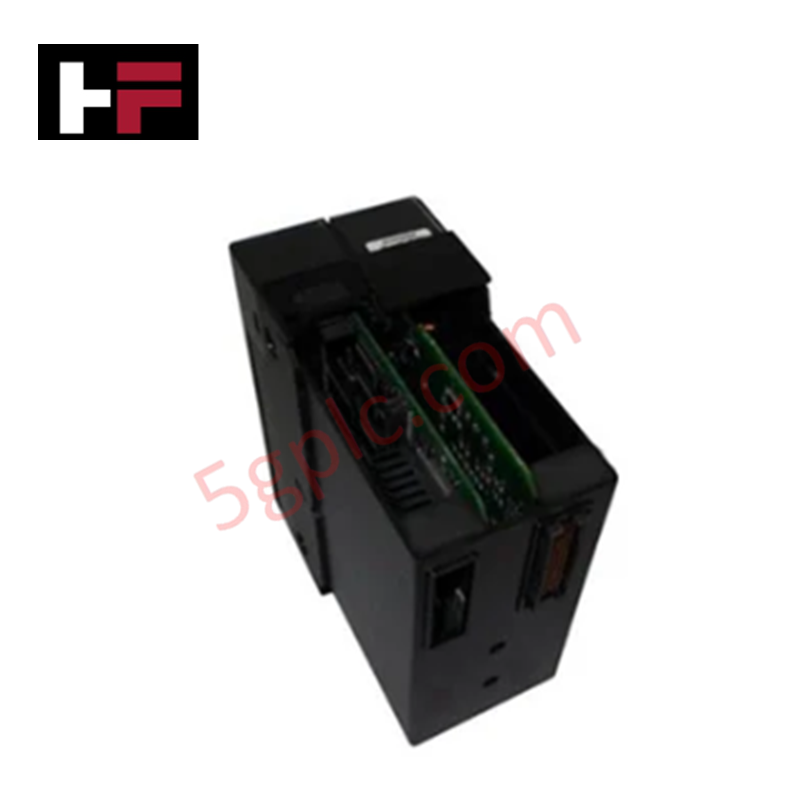
In modern industrial automation, reliable communication between remote I/O and PLCs is essential. The Schneider Electric CRA module enables efficient Ethernet-based remote I/O connectivity in PLC and DCS systems, improving scalability, diagnostics, and overall networked automation performance.
Tech & Buying Guide

Upgrading vs. Migrating PLC Systems: Choosing the Right Strategy for Industrial Automation
- 〡 by WUPAMBO
In industrial automation, Programmable Logic Controllers (PLCs) are vital for control and monitoring. Over time, support and spare parts become limited, forcing engineers to decide between upgrading the existing PLC or migrating to a new system to maintain reliability and reduce downtime.
control systemsDCS systemsfactory automationlogic testingloop checksPLC commissioningPLC programmingprocess control
Site Commissioning Steps for PLC Programmers: A Complete Industrial Automation Guide
- 〡 by WUPAMBO
Commissioning a PLC control system is one of the most critical phases in any industrial automation project. It transforms design and programming into a fully functional, reliable system on site. For new PLC programmers, understanding each commissioning step ensures smooth integration, reduced downtime, and successful handover to the client.

Understanding the AENT Module in Rockwell PLC Systems: A Comprehensive Guide to Remote I/O Communication
- 〡 by WUPAMBO
In industrial automation, reliable communication between controllers and distributed I/O modules is essential. Rockwell’s AENT module, part of the Allen-Bradley POINT I/O series, acts as an EtherNet/IP adapter linking field I/O with PLCs. This article explains its functions, setup, diagnostics, and applications.

control systemsDCSdecentralized peripheralsDistributed IOEtherNet/IPfactory automationPLCPROFINETremote IO
What Is Distributed I/O in PLC Systems: The Role of Decentralized Peripherals in Industrial Automation
- 〡 by WUPAMBO
In modern factory automation and process control, flexibility and scalability are vital. Distributed I/O systems, also called decentralized peripherals, enable efficient PLC-based control by simplifying wiring, improving maintainability, and reducing costs while enhancing overall system performance.

VFD Pros and Cons in Industrial Automation: Understanding Variable Frequency Drives
- 〡 by WUPAMBO
In industrial automation and control systems, precise motor control is vital for efficient processes. A Variable Frequency Drive (VFD) adjusts motor speed and torque by changing input frequency, optimizing energy use, improving control, and extending equipment life in factory and PLC-based systems.
Recent Posts