Will PLCs Become Obsolete? The Future of PLC Controllers in Industrial Automation
- 〡
- 〡 by WUPAMBO
The Role of PLCs in Modern Industrial Automation
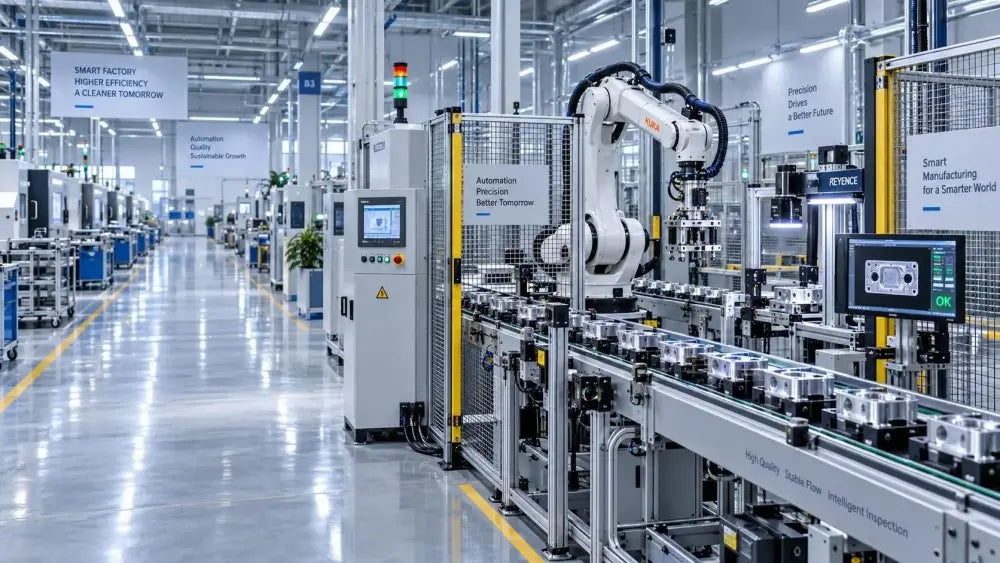
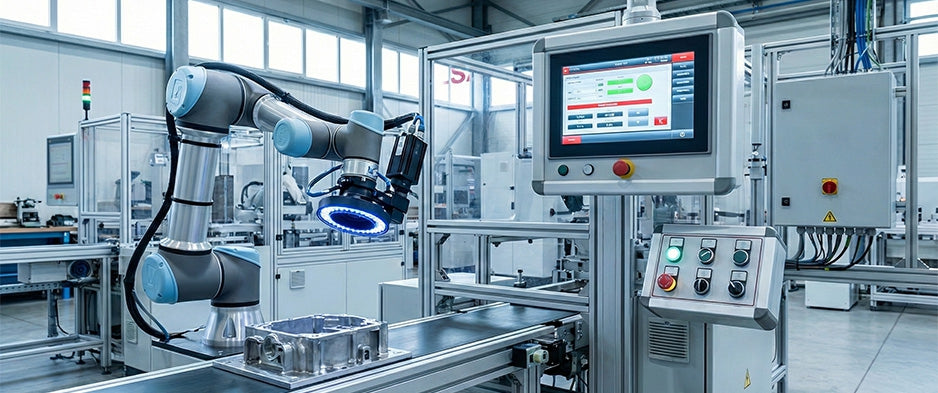
In modern industrial automation, programmable logic controllers remain the backbone of many control systems. PLCs manage machines, production lines, and process equipment in factories worldwide.
Manufacturers such as Siemens, Rockwell Automation, and Schneider Electric continue to invest heavily in PLC technology.
However, new technologies such as Artificial Intelligence, Machine Learning, and Industrial IoT have triggered an important question: Will PLCs eventually disappear?
Industry 4.0 and the Rise of Smart Automation Technologies
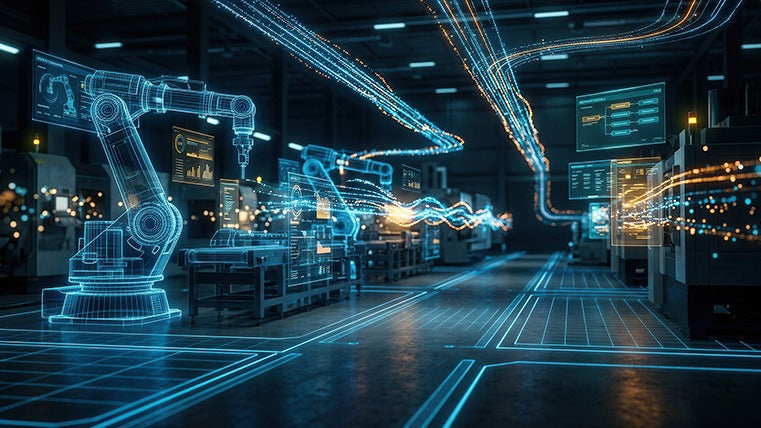
The concept of Industry 4.0 promotes intelligent manufacturing systems. These systems integrate AI, advanced analytics, cloud platforms, and connected sensors.
As a result, modern factory automation environments collect more data than ever before. Advanced algorithms can analyze production efficiency, predict equipment failures, and optimize process performance.
However, these technologies mainly enhance data processing and decision-making capabilities.
They do not directly replace the hardware responsible for controlling industrial equipment.
Why PLC Hardware Remains Essential in Control Systems
A simple example explains the importance of PLC hardware.
Consider a motor control circuit. To start a motor, a control system must energize a contactor coil. The contactor then connects electrical power to the motor.
In many industrial control systems, the PLC performs this switching function.
The PLC receives input signals from sensors or control logic. It then activates output signals that control relays, valves, or motor starters.
Therefore, PLCs serve as the physical interface between digital logic and real-world machinery.
PLCs Are Specialized Industrial Computers
A PLC is essentially a computer designed specifically for industrial environments. However, it differs significantly from standard PCs or laptops.
PLC hardware supports features required in industrial applications:
High reliability in harsh environments
Real-time processing capabilities
Resistance to electrical noise
Long operational lifecycles
These characteristics make PLCs ideal for process control, machine automation, and safety systems.
The Role of AI, IoT, and Data Analytics in Automation
Technologies such as AI, machine learning, and Industrial IoT increasingly support automation systems.
For example, AI algorithms can analyze sensor data and predict equipment failures. IoT platforms can collect production data from multiple machines across a factory network.
However, these technologies typically operate at higher software or analytics layers.
They generate insights and recommendations, but they still rely on control hardware to execute physical actions.
Author Insight: PLCs Will Evolve Rather Than Disappear
Based on industry trends, PLCs will likely evolve instead of becoming obsolete.
Modern controllers already integrate features once associated with IT systems. Many PLC platforms now support edge computing, Ethernet communication, and cloud connectivity.
For example, PLCs from ABB and Siemens integrate directly with SCADA platforms, industrial networks, and IIoT systems.
In my experience working with automation integration projects, engineers rarely replace PLCs. Instead, they combine PLC controllers with analytics software and industrial communication platforms.
This hybrid approach delivers both reliable machine control and intelligent data analysis.
PLCs in Future Smart Factories
Future smart factories will rely on a layered automation architecture.
At the field level, sensors and actuators collect operational data. PLCs and distributed control systems execute machine control logic.
Above this layer, SCADA systems, manufacturing execution systems (MES), and analytics platforms analyze operational performance.
Therefore, PLCs will remain a core component in digital manufacturing infrastructures.
Practical Application: PLC Control in a Motor Automation System
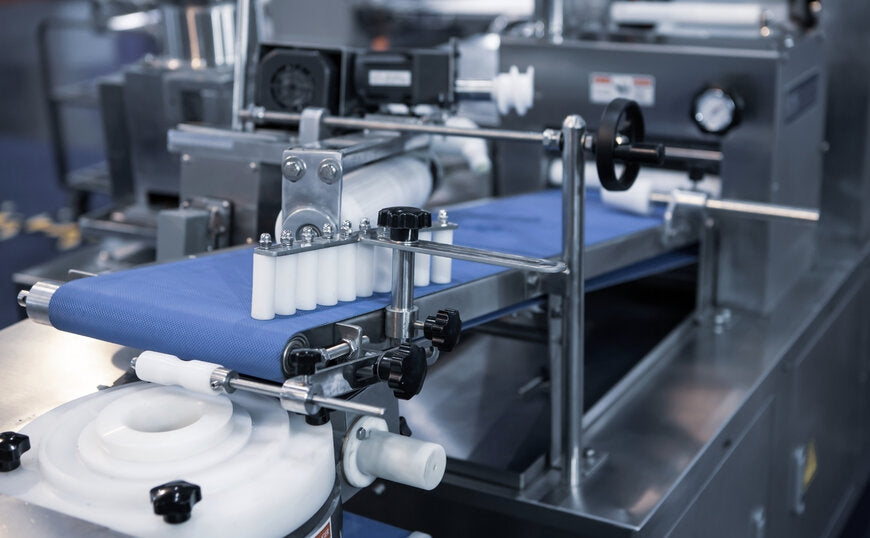
Consider a packaging production line using automated conveyors.
Sensors detect product position and send signals to the PLC. The PLC processes this data and activates motor drives or pneumatic actuators.
At the same time, an IIoT platform collects operational data for predictive maintenance.
In this scenario, AI improves analysis. However, the PLC still performs the real-time control actions required for machine operation.
Conclusion
Despite rapid advances in Industry 4.0 technologies, PLCs remain fundamental to industrial automation and control systems.
Artificial Intelligence, IoT, and machine learning enhance automation capabilities. However, these technologies complement PLC controllers rather than replace them.
As automation systems evolve, PLCs will continue to serve as the reliable hardware interface between digital control logic and industrial equipment.
Application Scenario: Integrated PLC and AI Monitoring
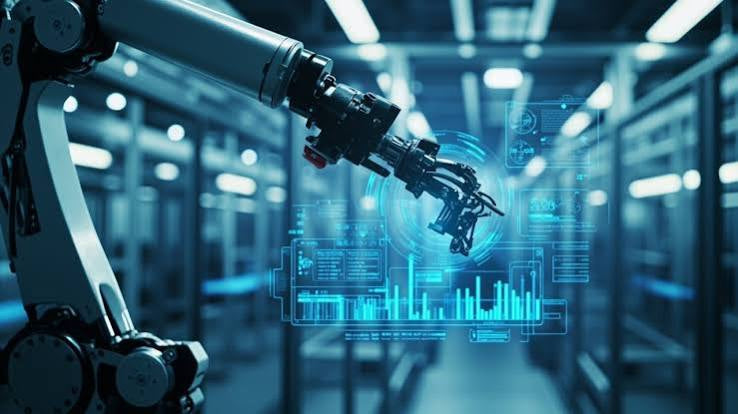
A modern manufacturing plant may combine PLC-based machine control with AI-driven predictive maintenance.
The PLC controls motors, valves, and conveyors. Meanwhile, analytics software monitors machine performance and detects abnormal behavior.
This architecture improves reliability, reduces downtime, and supports long-term factory automation optimization.