Empowering Smart Manufacturing with AI Vision and Industrial Data Analytics
- 〡
- 〡 by WUPAMBO
The Convergence of Machine Vision and Smart Factories
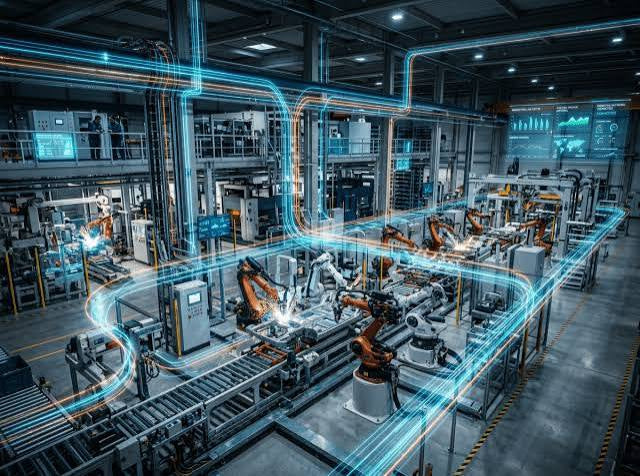
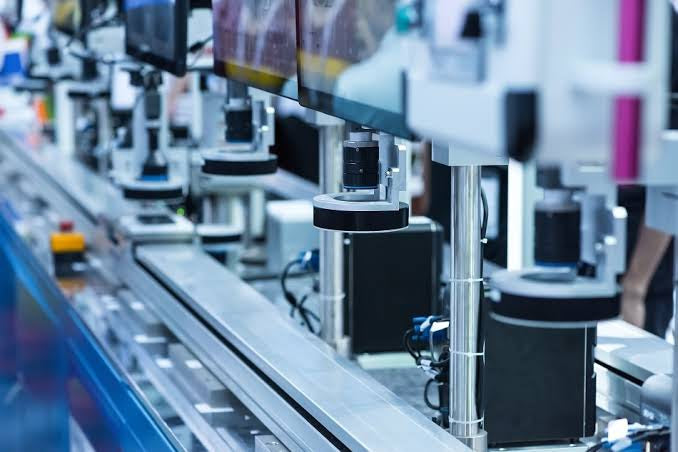
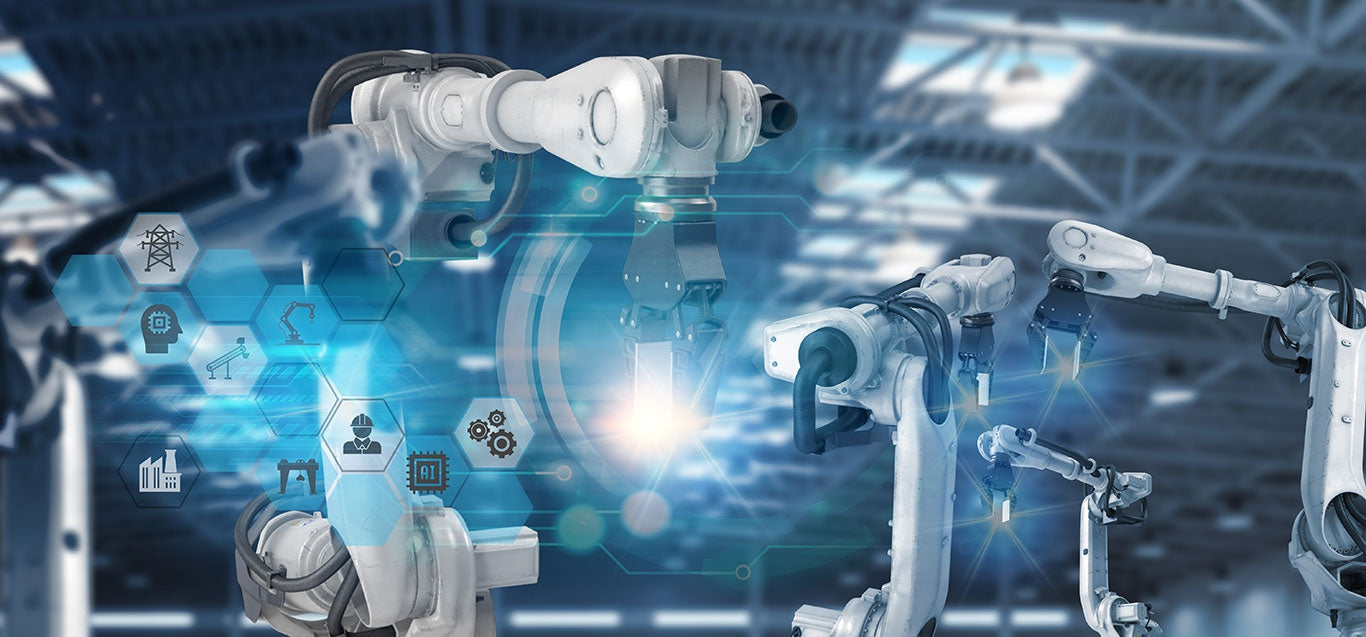
Manufacturers are rapidly integrating artificial intelligence and machine vision to optimize factory automation. These technologies transform visual data into actionable insights for production lines. Furthermore, they bridge the gap between traditional sensor-based monitoring and modern digital oversight. Consequently, plants achieve higher precision levels in quality control and process management.
Enhancing Precision in Battery and Automotive Production
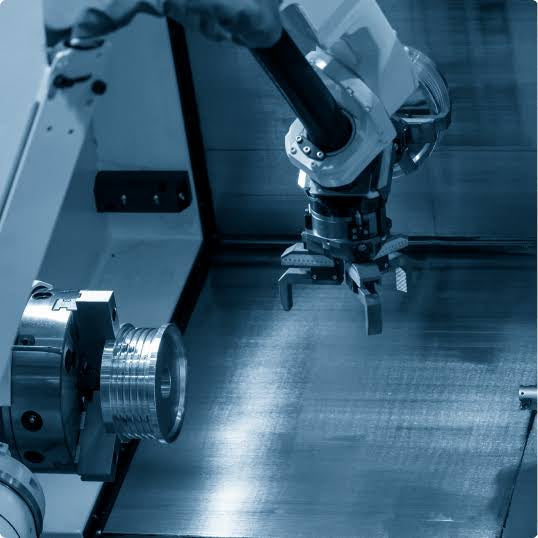
Industrial automation requires extreme accuracy, particularly in battery manufacturing and automotive assembly. AI-powered inspection systems now detect microscopic defects that traditional systems often miss. Moreover, these solutions support complex assembly verification and dimensional measurement tasks. By deploying high-resolution industrial cameras, plants significantly improve their overall yield rates. Therefore, manufacturers view these tools as essential investments for high-volume, precision-critical sectors.
Integrating Edge Computing for Real-Time Analytics
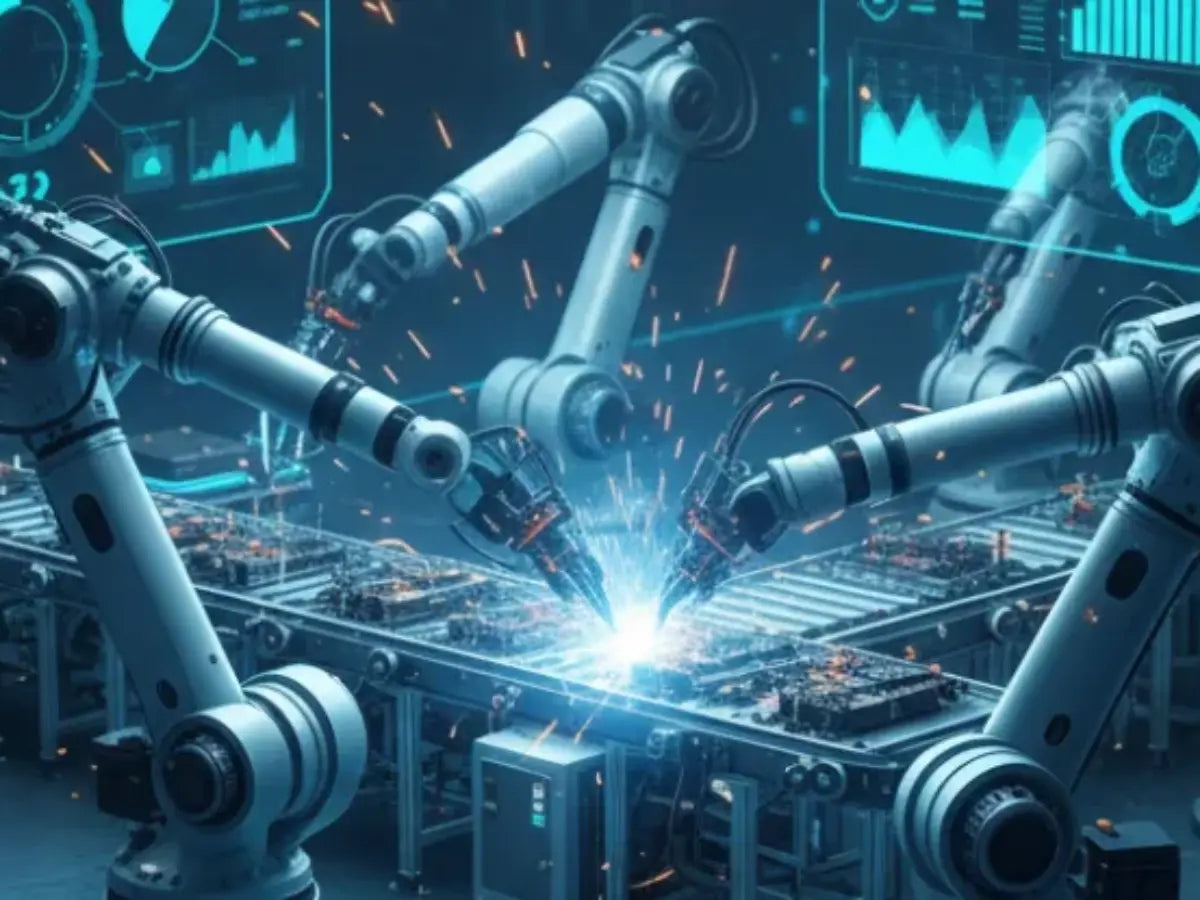
Modern industrial PCs and edge computing devices serve as the backbone for AI-driven manufacturing. These platforms process visual and operational data directly at the machine level. As a result, they minimize latency and enable immediate decision-making. Moreover, integrating video analytics with PLC data creates a holistic view of the factory floor. This synergy allows operators to identify patterns that standard monitoring systems cannot detect.
Author’s Perspective: Bridging the Digital Gap
In my 15 years of field experience, I have witnessed the transition from manual checks to autonomous inspection. Early adoption of these technologies is no longer just an advantage; it is a necessity for Industry 4.0 compliance. However, success depends on seamless integration with existing DCS and PLC architectures. Organizations must prioritize open communication protocols to ensure these advanced vision systems talk effectively to their core control systems.
Practical Implementation Scenarios
- Defect Detection: Using AI vision to automatically identify surface scratches on battery cells during high-speed production.
- Process Monitoring: Correlating camera-based thermal images with PLC-based temperature data to predict equipment failure.
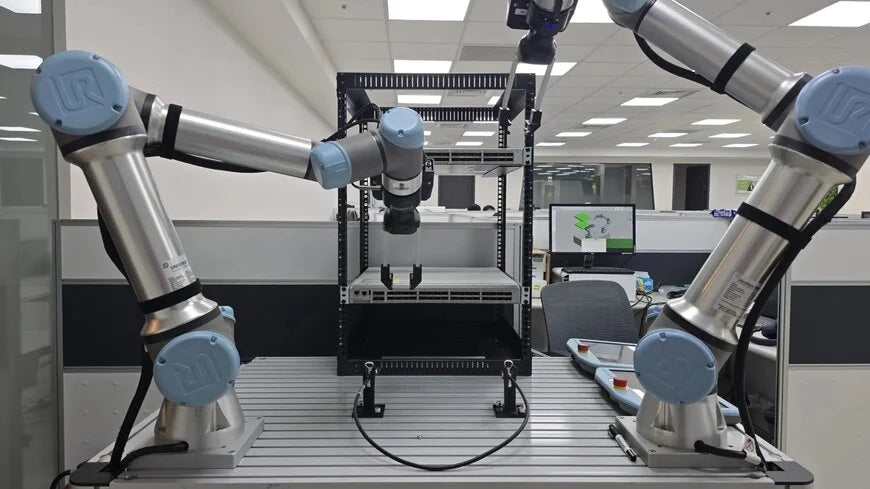
- Assembly Verification: Deploying machine vision to confirm that every screw and component is correctly positioned before finalizing assembly.
About the Author
Lin Feng is a senior automation engineer with 15 years of global experience in industrial control systems. His expertise spans the design, commissioning, and optimization of complex DCS and PLC infrastructures across the energy and manufacturing sectors. He is dedicated to bridging the gap between legacy hardware and emerging digital technologies, providing technical leadership to help modern factories thrive in the era of smart manufacturing.