News

Architectural Foundations of SCADA Systems in Modern Industrial Automation
- 〡 by WUPAMBO
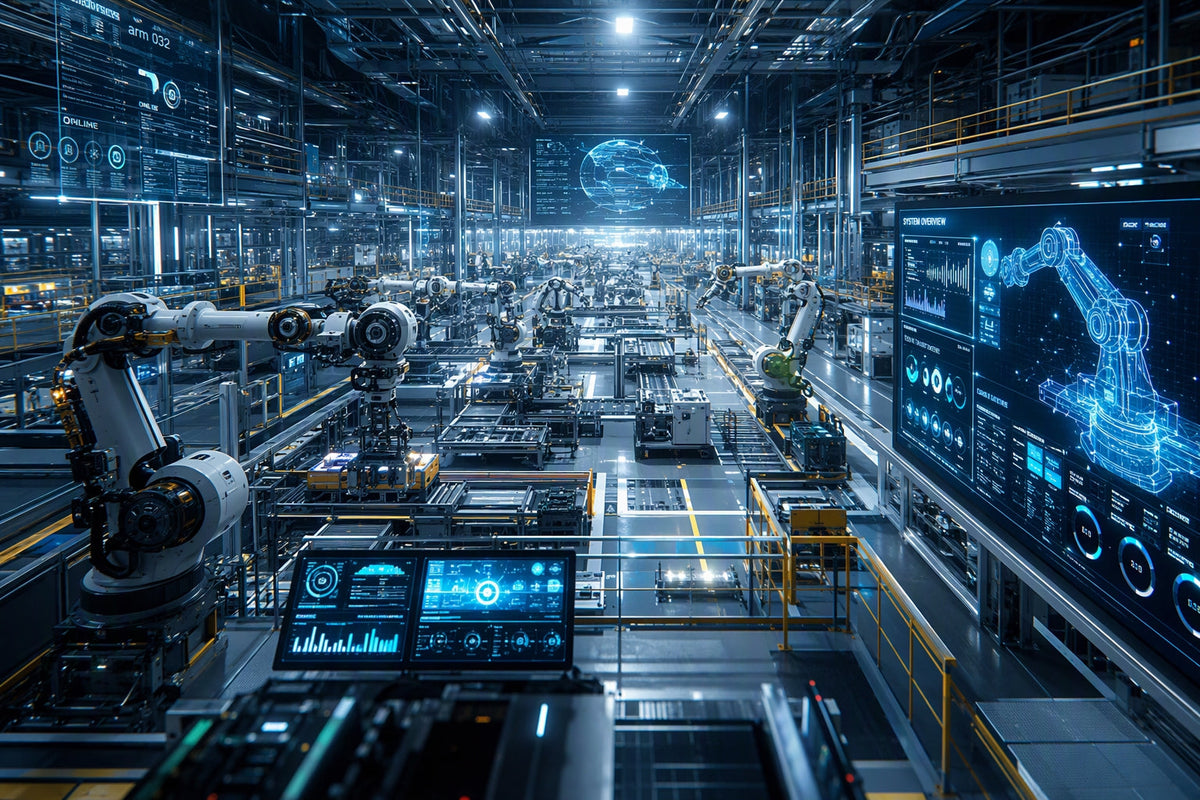
Historically, engineers defined SCADA as a complete hardware and software installation spanning vast geographic distances. However, modern factory automation and process control paradigms have altered this definition. Today, professionals often view SCADA as the central software suite running on high-performance operator workstations. Nevertheless, the complete SCADA ecosystem still encompasses field instruments, communication networks, and supervisory controllers.
Demystifying Siemens PLC Memory Structure: A Technical Guide for Automation Engineers
- 〡 by WUPAMBO
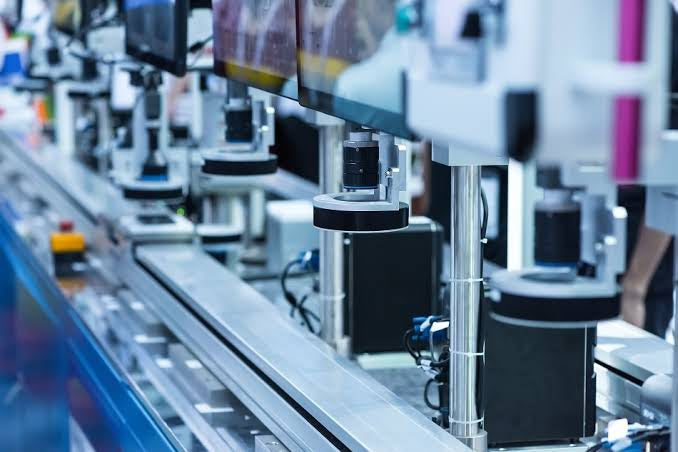
Every modern programmable controller relies on semiconductor memory architectures to process logic and preserve critical data. Silicon storage technologies range from high-speed volatile RAM to non-volatile Flash EPROM and EEPROM variants. Volatile memory requires continuous power to maintain bit states, making backup batteries essential for older control hardware. Conversely, modern Flash EPROM technology permits unlimited read and rewrite cycles without requiring external battery power. Consequently, understanding semiconductor memory fundamentals helps control engineers design more resilient factory automation systems.
Understanding OPC Technology in Modern Industrial Automation
- 〡 by WUPAMBO
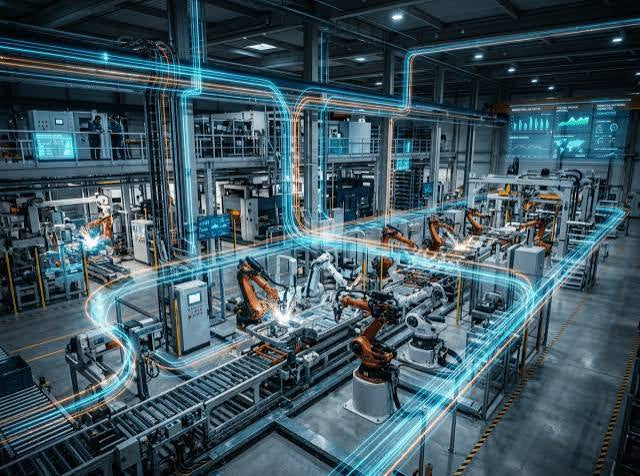
Factory automation relies on seamless communication between field instruments, controllers, and supervisory systems. In the past, proprietary protocols restricted data exchange across different control hardware manufacturers. Early computing methods like Dynamic Data Exchange (DDE) failed to meet process control demands across distributed network architectures. Consequently, industry leaders established Open Platform Communication (OPC) in 1996 to standardise industrial data exchange. OPC provides a universal interface that bridges legacy equipment with modern supervisory platforms.
Pakistani Automotive Sector Adopts Cost-Effective Chinese Robotics for Assembly Lines
- 〡 by WUPAMBO
The Next Frontier of Industrial Automation: How Integrated Ecosystems Redefine Supply Chain Resilience
- 〡 by WUPAMBO
Global manufacturers face a major shift as traditional cost-chasing playbooks hit structural limits. Rising rents, infrastructure bottlenecks, and worker shortages plague emerging hubs. Today, competitive victory belongs to companies leveraging advanced factory automation, integrated control systems, and smart supply chain clusters.
Navigating the Modern Evolution of Industrial Automation and Control Systems
- 〡 by WUPAMBO
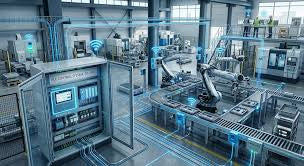
The global manufacturing landscape is undergoing a massive digital transformation. As a result, industrial automation technologies are evolving faster than ever before. Plant operators must understand the distinct roles of various control architectures to maintain peak operational efficiency.