Microcontroller vs. PLC: Choosing the Right Controller for Industrial Automation
- 〡
- 〡 by WUPAMBO

Engineers often face a critical decision when designing control systems: should they use a microcontroller or a Programmable Logic Controller (PLC)? Both devices execute logic and manage inputs, yet they serve fundamentally different roles in the industrial automation landscape. Understanding these technical distinctions ensures operational reliability and cost-efficiency.
Defining the Microcontroller: The All-in-One Chip
A microcontroller is a compact integrated circuit designed to govern a specific operation within an embedded system. It houses a processor core, memory, and programmable input/output peripherals on a single chip. These devices excel in small-scale applications, such as handheld electronics or simple household appliances. Because of their size, they integrate easily into printed circuit boards (PCBs) for high-volume consumer goods.
Defining the PLC: The Backbone of Factory Automation
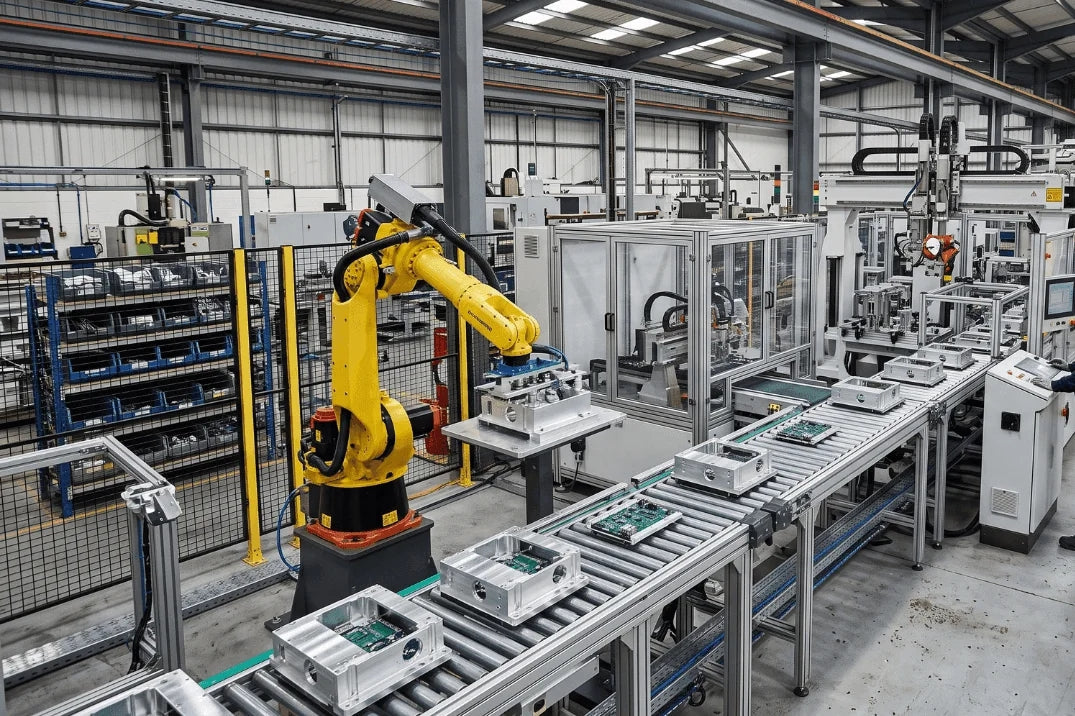
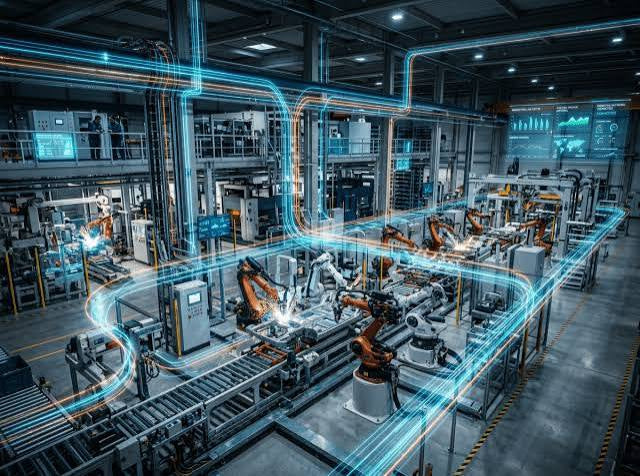
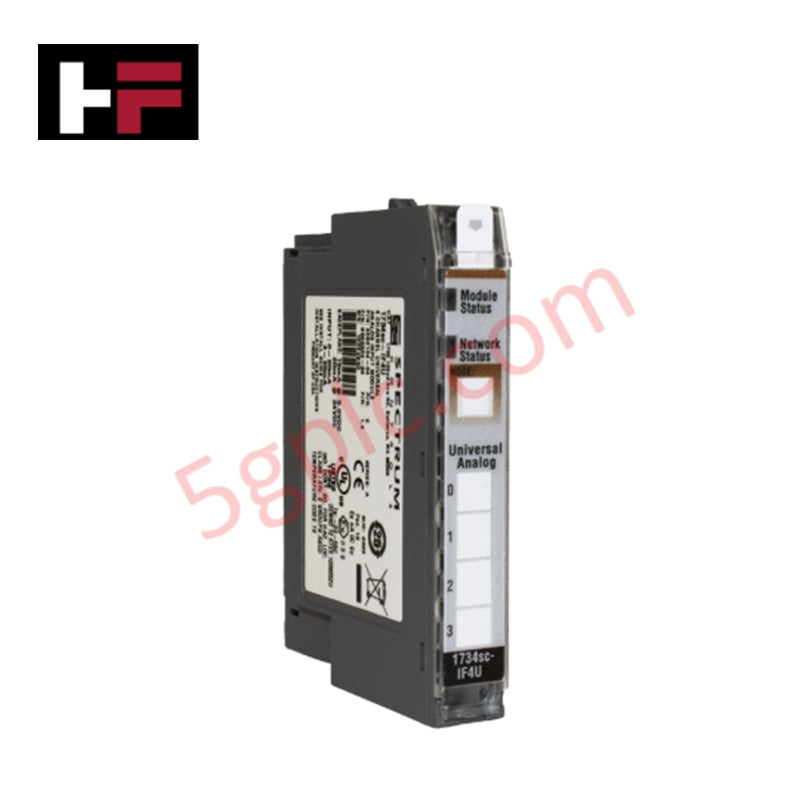
In contrast, a PLC is a ruggedized industrial computer capable of managing large-scale processes. It features a modular design, allowing engineers to add I/O boards for hundreds of sensors and actuators. PLCs handle complex factory automation tasks, including high-speed counting and analog signal processing. Their robust architecture supports various communication protocols like Modbus, Profinet, and Ethernet/IP for seamless industrial networking.
Comparing Environmental Durability and Ruggedness
Industrial environments present harsh conditions, including extreme temperatures, vibration, and electromagnetic interference. PLCs thrive in these settings because manufacturers build them with industrial-grade shielding and cooling. Microcontrollers, however, remain sensitive to electrical noise and physical stress. Therefore, a PLC is the superior choice for critical control systems where downtime results in significant financial loss.
Programming Complexity and Software Standards
Programming a microcontroller typically requires deep knowledge of languages like C, C++, or Assembly. This complexity demands expertise in embedded systems and circuit design. Conversely, PLCs utilize standardized languages defined by IEC 61131-3, such as Ladder Logic. These graphical languages mimic electrical schematics, making them more accessible to maintenance technicians and plant engineers during troubleshooting.
Scalability and Communication Capabilities
PLCs offer exceptional scalability through remote I/O modules and expansion racks. They easily interface with professional-grade sensors, such as 4-20mA thermocouples or 0-10V actuators. While microcontrollers support basic communication like I2C or SPI, they lack the native "plug-and-play" connectivity required for large DCS or SCADA integrations. Consequently, PLCs provide the flexibility needed for evolving production lines.
Author Insight: Performance vs. Cost Trade-offs
In my experience, the choice often boils down to the "Cost of Failure." If you are building a consumer product where unit cost is paramount, a microcontroller is unbeatable. However, for industrial automation, the higher upfront cost of a PLC is an investment in stability. I recommend PLCs for any application where an untrained technician might need to diagnose a logic error on the factory floor.
Solution Scenario: Water Treatment Facility Control
A municipal water treatment plant requires the monitoring of 40 flow sensors and the control of 12 high-voltage pumps.
Recommended Solution: PLC System
-
Logic: The PLC manages PID loops to maintain constant water pressure.
-
Connectivity: It transmits data to a central SCADA system via Fiber Optic Ethernet.
-
Reliability: The rugged enclosure protects the processor from the humid, chemical-heavy environment of the pump house.