National Robotics Week 2026: The Rise of Physical AI in Industrial Automation
- 〡
- 〡 by WUPAMBO
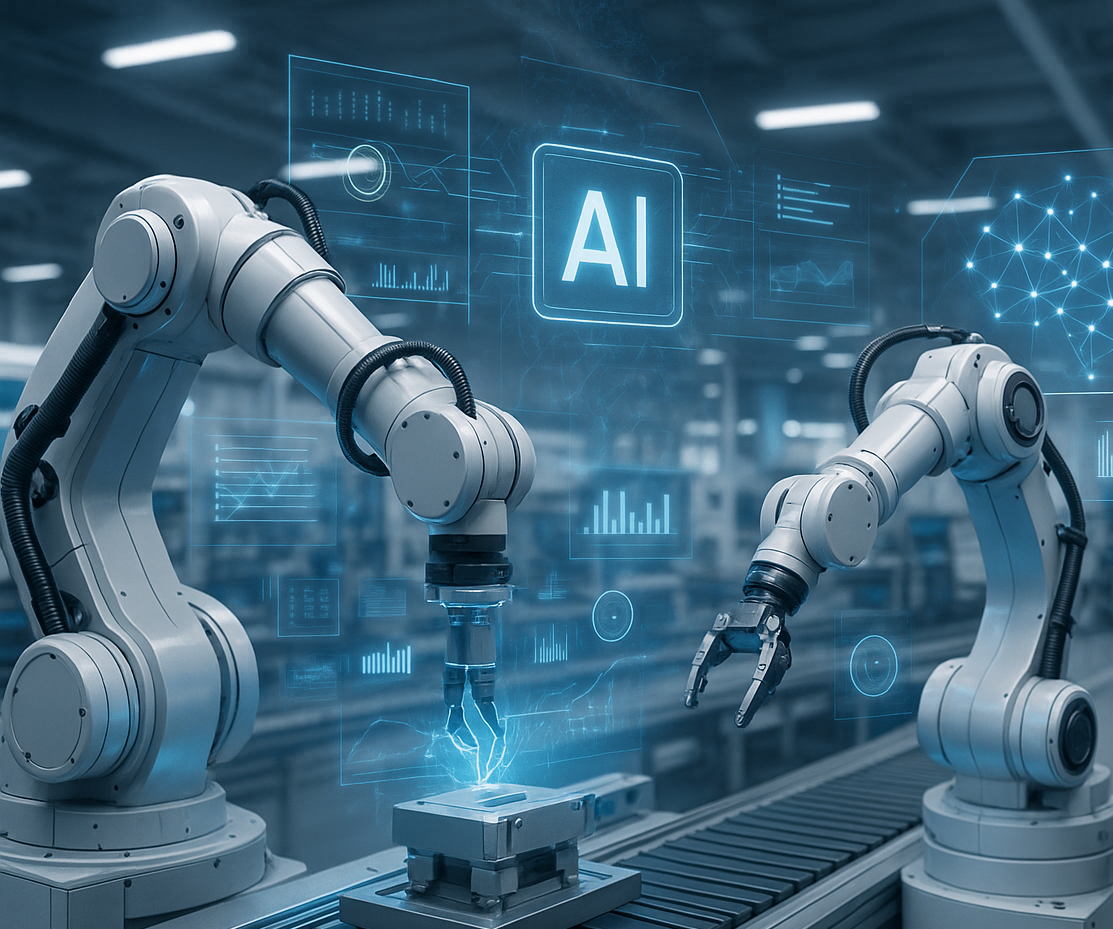
National Robotics Week 2026 marks a pivotal transition for the manufacturing sector. This year, the focus shifts from digital simulations to Physical AI—intelligent systems capable of performing complex tasks in the real world. As industries face unprecedented labor shortages, the integration of autonomous technology into factory automation is no longer a luxury but a survival strategy.
Bridging the Talent Gap Through Educational Innovation
In Boston, organizations like MassRobotics are actively addressing the manufacturing workforce crisis. They host hands-on workshops and coding challenges to inspire the next generation of engineers. By engaging students with robotics ecosystem demonstrations, these initiatives build a talent pipeline. Moreover, these programs demonstrate how automation enhances human roles rather than simply replacing them.
Transitioning from Proof-of-Concept to Real-World Deployment
The industry is moving past the era of flashy laboratory demonstrations. Today, the market demands reliable, measurable outcomes from AI-driven robotics. Organizations now prioritize systems that deliver consistent results in logistics hubs and hazardous job sites. Consequently, "Physical AI" has become the primary metric for success in modern industrial environments.
Why Application-Focused Robots Outpace General Humanoids
While general-purpose humanoids capture headlines, application-focused robots are scaling much faster in 2026. Specialized systems designed for specific tasks, such as welding or utility subsystem assembly, solve immediate production bottlenecks. Furthermore, federal infrastructure and defense investments are accelerating the adoption of these targeted control systems.
Overcoming Skilled Labor Shortages with Autonomous Intelligence
The United States faces a critical shortage of hundreds of thousands of professional welders. This deficit forces manufacturers to adopt industrial automation at an unprecedented pace. Physical AI provides a solution by automating high-precision tasks that were previously reliant on a shrinking labor pool. Therefore, technology adoption is now driven by economic necessity.
The Value of Personalized Industrial AI Models
Enterprises are shifting away from "one-size-fits-all" automation solutions. Instead, they are developing personalized AI models trained on proprietary industrial data. These "AI brains" offer unmatched agility and deep integration with existing PLC and DCS frameworks. In addition, owning unique operational data provides a significant competitive advantage in the global market.
Author Insight: The Pragmatic Shift in Automation
The 2026 landscape reveals a "robotics shakeout." Investors and plant managers are no longer impressed by sleek marketing videos. They want to see Return on Investment (ROI) and uptime statistics. In my view, the most successful companies will be those that integrate Physical AI into their existing distributed control systems (DCS) to create a seamless link between digital intelligence and mechanical execution. We are seeing a move toward "pragmatic automation," where the goal is reliability over novelty.
Application Case: Autonomous Welding in Shipbuilding
In the shipbuilding industry, specialized Physical AI units now perform multi-pass welds on massive hull sections. These robots use real-time sensors to adjust for thermal expansion and material inconsistencies.
Solution Benefits:
-
Precision: Maintains consistent weld quality beyond human capability in confined spaces.
-
Safety: Reduces worker exposure to toxic fumes and extreme heat.
-
Efficiency: Operates continuously, significantly reducing the production cycle for naval vessels.