GE PLC LED Indicators Explained: Understanding RX3i CPL410 Status Signals and Control Systems
- 〡
- 〡 by WUPAMBO

Importance of LED Indicators in Industrial Automation PLCs
In industrial automation, PLC status visibility is critical for reliable operations. LED indicators provide real-time feedback on controller health.
Therefore, engineers use these signals to quickly diagnose faults in PLC and DCS control systems.
Overview of GE PLC and CPL410 Controller
General Electric offers advanced PLC platforms for industrial applications. The RX3i CPL410 controller is a high-performance PAC system.
Moreover, it integrates a Linux-based environment with traditional PLC functionality. As a result, it supports both control logic and advanced data processing.
Technical Capabilities of CPL410 in Control Systems
The CPL410 supports multiple IEC programming languages, including ladder logic and structured text. It also supports C-based applications.
In addition, it offers flexible memory capacity for both digital and analog signals. Therefore, it suits complex industrial automation and factory automation systems.
Role of LED Indicators in PLC Diagnostics
LED indicators act as a visual diagnostic interface for control systems. They display system health, communication status, and fault conditions.
Moreover, these indicators reduce troubleshooting time in critical industrial automation environments. As a result, maintenance teams can respond quickly to issues.
Core Status LEDs in GE PLC Systems
The CPL410 includes essential LEDs such as OK, PWR, and FLT. The OK indicator confirms CPU health during operation.
However, the FLT LED signals system faults and requires immediate attention. In addition, the PWR LED confirms proper power supply to the controller.
Operational Control Indicators in PLC Automation
RUN and STOP buttons control PLC execution states. The RUN LED indicates active program execution.
Meanwhile, the STOP function halts operations for maintenance or safety. Therefore, these controls support safe and reliable factory automation processes.
Advanced Diagnostic LEDs for System Monitoring
Additional LEDs such as TEMP, OE, and FRC provide deeper insights. TEMP indicates overheating conditions.
OE shows output enable status, while FRC indicates forced I/O conditions. Therefore, engineers can monitor system behavior more precisely.
Redundancy and Network Status Indicators
Redundancy plays a key role in high-availability control systems. LEDs such as RACT and RBOK indicate redundancy status.
Moreover, IO and network LEDs confirm communication health across PLC networks. As a result, engineers can ensure stable operation in distributed systems.
Storage and System Health Indicators
The CPL410 includes SSD and GPOK indicators for system-level monitoring. SSD shows storage activity and health.
GPOK confirms successful Linux system startup. Therefore, the controller ensures both hardware and software readiness.
Communication Ports in Industrial Control Systems
The PLC includes multiple Ethernet LAN ports for high-speed communication. These ports support protocols used in industrial automation networks.
Moreover, USB and serial ports enable configuration and external device connectivity. Therefore, the system supports flexible integration with SCADA and DCS platforms.
LAN Port Indicators and Network Diagnostics
LAN ports include LED indicators for link status and speed. A steady green light confirms a valid connection.
Blinking signals active data transfer. In addition, speed indicators show whether the network operates at high bandwidth. Therefore, network diagnostics become easier.
Expert Insight: Practical Use of PLC LED Diagnostics
From field experience, LED indicators provide the first level of troubleshooting. Engineers often identify issues without connecting software tools.
However, LED signals should be combined with software diagnostics for accuracy. Therefore, a layered approach improves system reliability.
Application Scenarios in Industrial Automation
GE PLC LED diagnostics support various applications:
Power plants requiring continuous monitoring and redundancy
Oil and gas systems with remote control and safety requirements
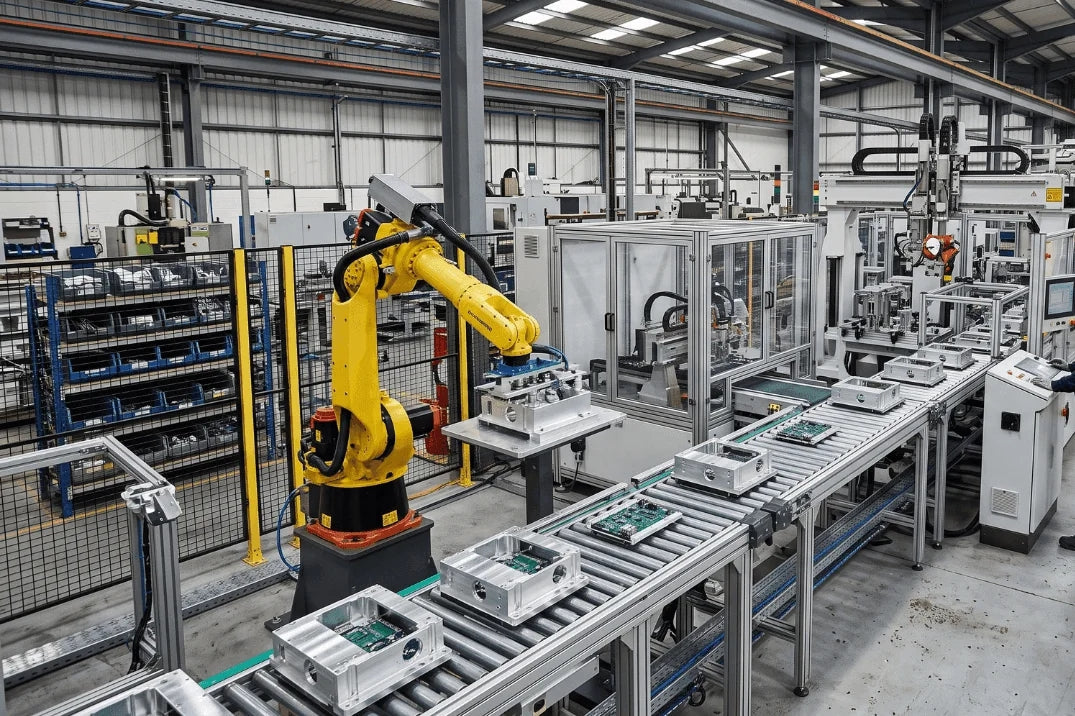
Manufacturing lines using factory automation and real-time feedback
Water treatment systems with distributed control architectures
These scenarios highlight the importance of clear status indication in PLC systems.
Conclusion: Enhancing Reliability with PLC LED Indicators
LED indicators remain essential in modern industrial automation systems. They provide immediate insight into PLC and control systems performance.
As systems grow more complex, clear diagnostics become even more important. Therefore, understanding LED signals improves maintenance efficiency and system uptime.
- Posted in:
- automation hardware
- control systems diagnostics
- DCS systems
- factory automation
- GE PLC
- PLC troubleshooting