Infrastructure Evolution: The Rise of Autonomous Industrial AI
- 〡
- 〡 by WUPAMBO
The Shift Toward Integrated Factory Automation
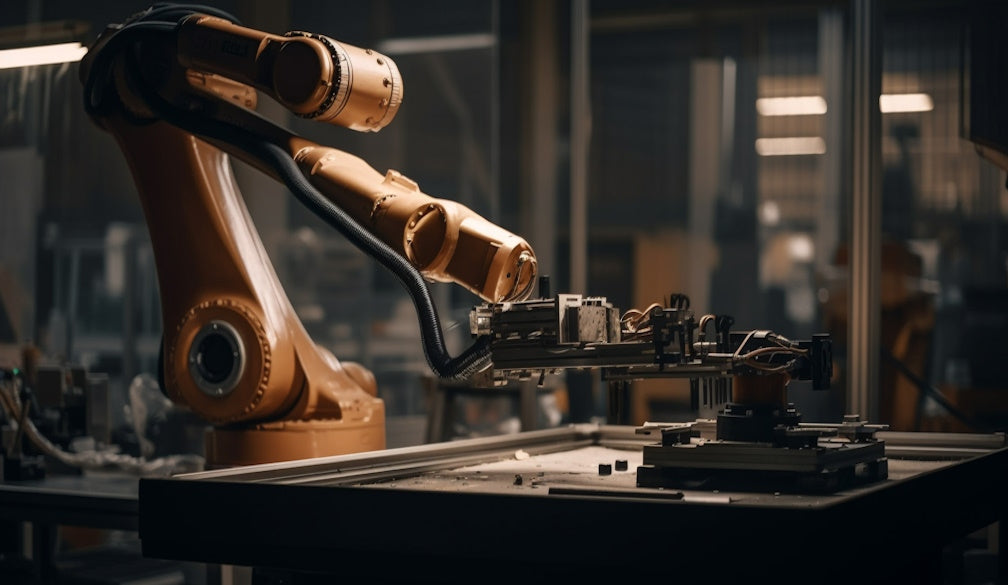
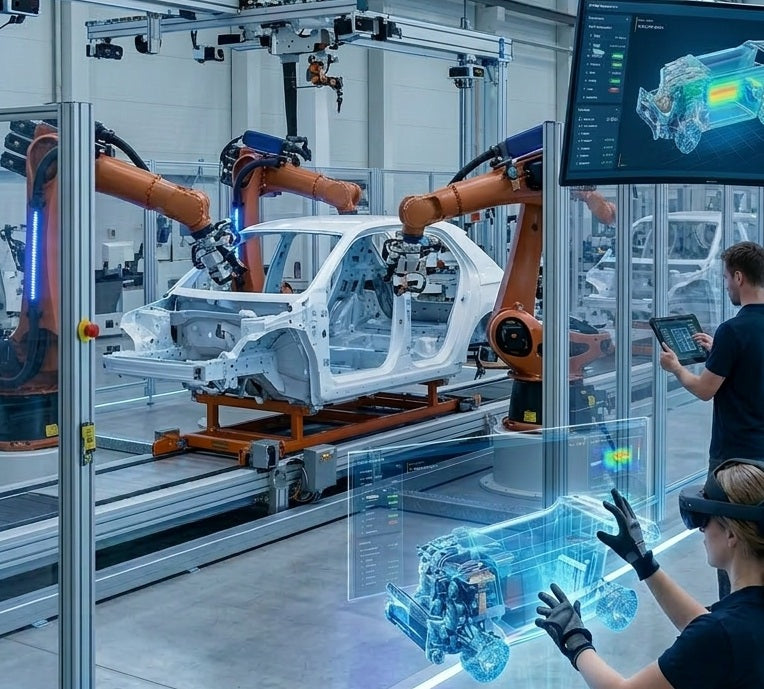
Industrial AI is moving beyond standalone applications toward fully integrated, autonomous environments. This transformation involves building a robust foundation for a new manufacturing era. Data suggests a significant adoption surge, with highly automated processes expected to reach 50% across the industry by 2030. Forward-thinking organizations aim even higher, targeting a 65% automation rate. Consequently, companies must embed AI deeply within design, production, and supply chain systems to remain competitive.
Building Reliable Intelligent Agent Infrastructure
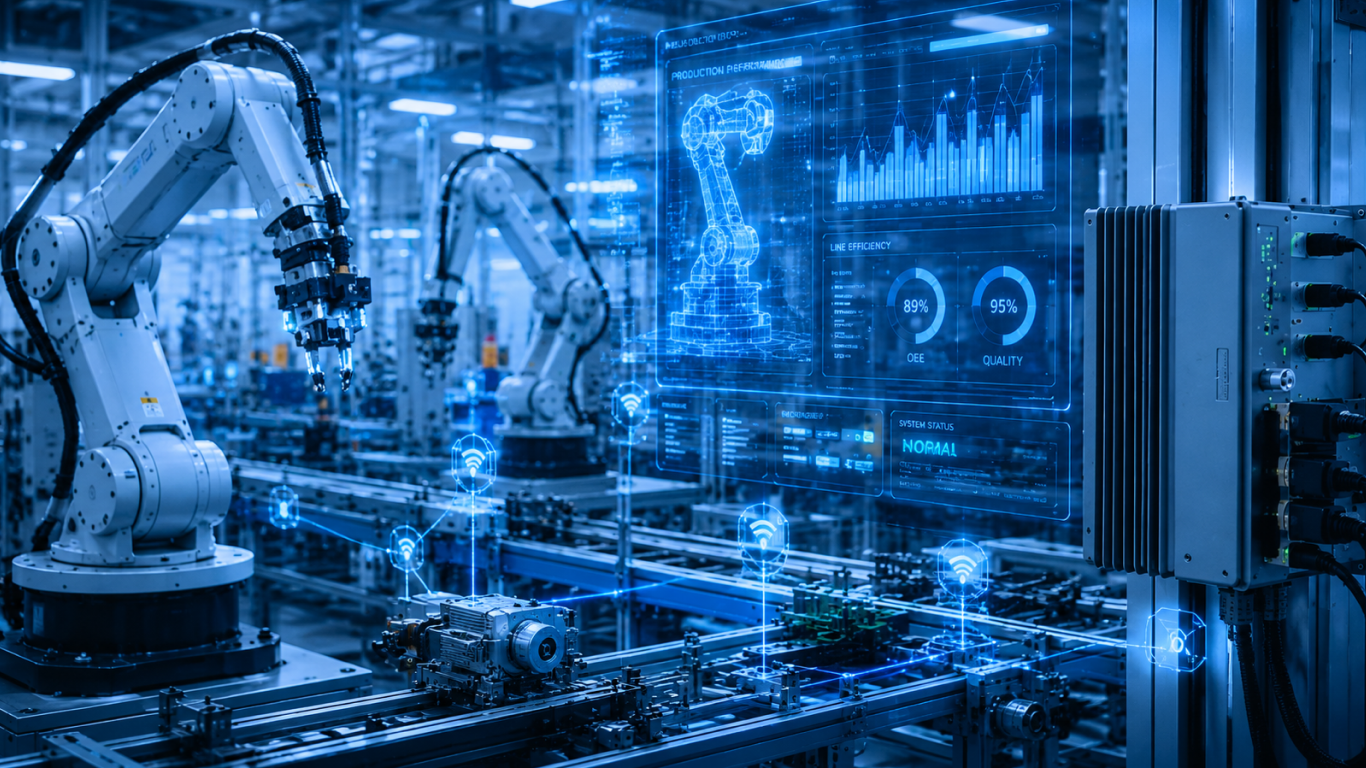
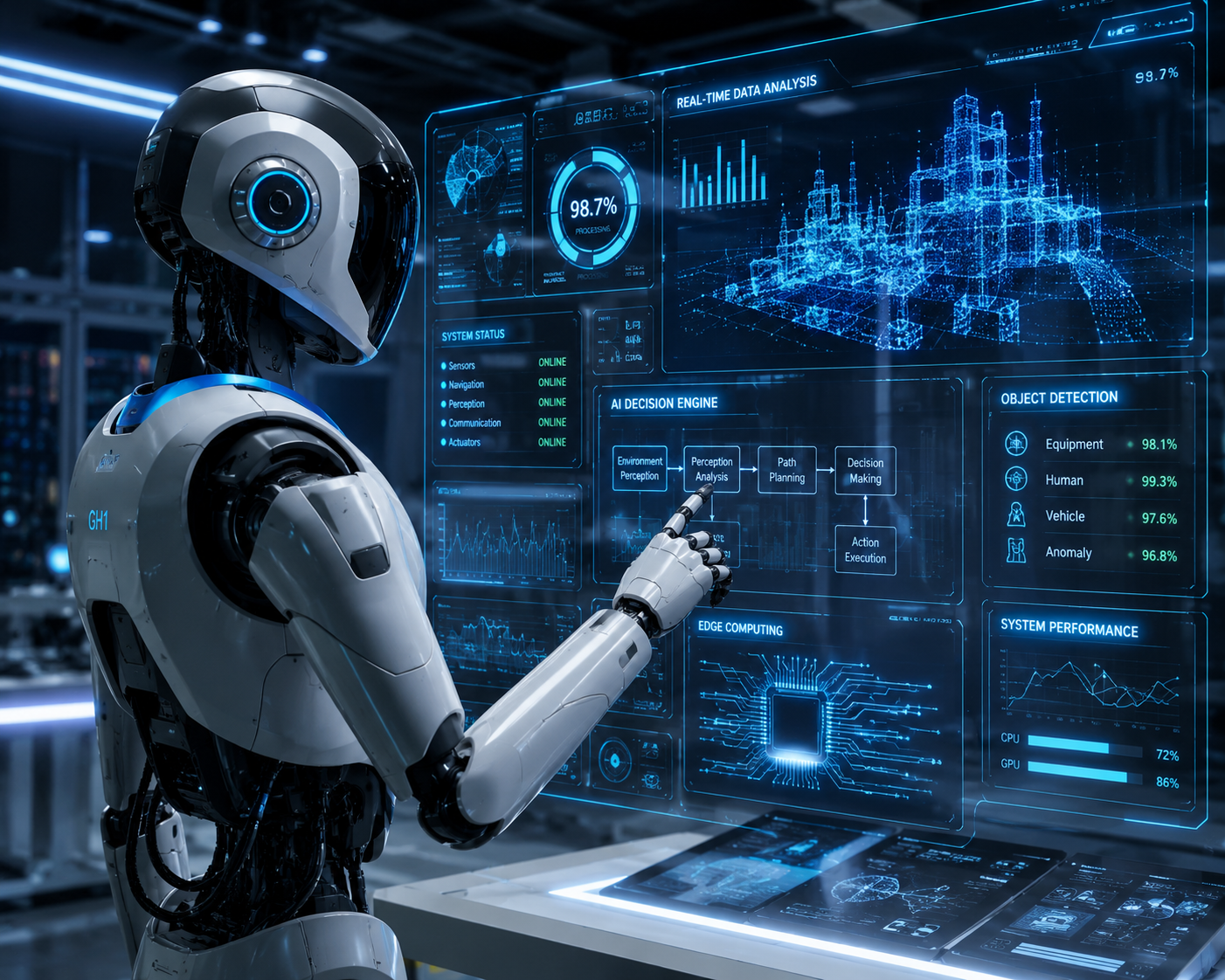
The core of this evolution lies in a multi-layered intelligent agent infrastructure. While computational power remains essential, the focus has shifted toward digital agents capable of complex reasoning. These agents close the loop between AI services and enterprise operations like PLC and DCS management. This infrastructure allows developers to deploy multimodal applications rapidly. Furthermore, successful orchestration of these tools turns theoretical AI into a practical, high-performance operational reality.
Engineering for Scalable Autonomous Operations
Transitioning to autonomous systems requires a fundamental shift in engineering discipline. It demands rigorous attention to workflow design and system architecture rather than seeking a simple "AI easy button." Leading executives emphasize that the main challenge is no longer model development. Instead, the industry now prioritizes the orchestration and contextualization required for safe, large-scale deployment. Therefore, a secure and governed control environment is indispensable for executing intricate business logic within defined boundaries.
Financial Gains and Service-Based Revenue Models
The expansion of AI infrastructure is already generating substantial financial returns. By 2030, industrial manufacturers anticipate that 44% of total revenue will originate from activities outside their traditional core. Companies are transitioning from simple product sales to offering integrated equipment and expertise. This shift creates recurring, outcome-based revenue models. Moreover, increased labor productivity through digital labor funds further investment, creating a powerful feedback loop for growth.
Navigating Risks in the Quest for Autonomy
The journey toward industrial AI profitability involves both catalysts and significant risks. Major global conferences will soon showcase new orchestration platforms and agent-based systems. However, the persistent belief in quick-fix solutions remains a primary threat. Organizations often chase flashy integrations while neglecting essential process optimization and change management. As a result, disciplined innovators who focus on architectural governance will likely surpass peers who ignore the "hard work" of system integration.
Author Commentary: The Reality of Modern Control Systems
In my experience managing technical documentation for brands like ABB and Schneider Electric, the transition to "Super-Automation" is not just a software update. It is a complete re-engineering of the control system hierarchy. We are seeing a move away from rigid logic toward adaptive, agent-driven architectures. While the potential for 65% automation is exciting, success depends entirely on how well these agents interact with legacy PLC frameworks and existing SecureOT protocols.
Application Scenario: Intelligent Logistics and Predictive Maintenance
A practical example of this infrastructure is an automated warehouse utilizing embodied AI. In this scenario, intelligent agents monitor real-time data from Honeywell sensors and Yokogawa controllers. These agents do not just flag errors; they independently reroute logic to maintain uptime. By integrating AI directly into the DCS layer, the system predicts mechanical failures before they occur, demonstrating how "intelligent agents" bridge the gap between data insights and physical execution.
- Posted in:
- autonomous AI
- B2B manufacturing trends
- control systems
- DCS
- factory automation
- industrial AI infrastructure
- PLC