China’s Strategic Pivot: Integrating High-End AI with Industrial Robotics
- 〡
- 〡 by WUPAMBO
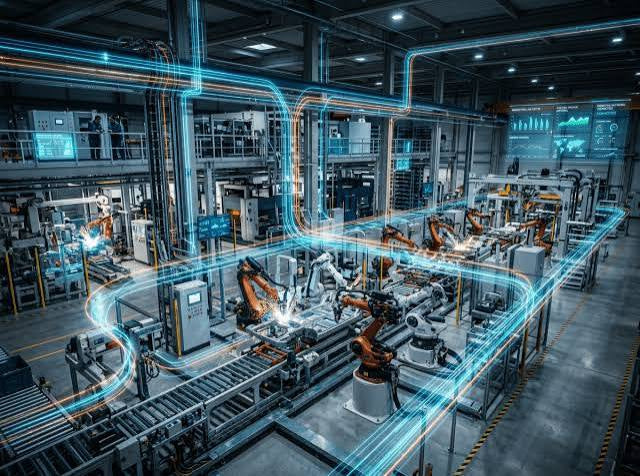
The global industrial landscape is shifting as China unveils its 15th Five-Year Plan. This roadmap places advanced robotics at the absolute center of national economic growth. By focusing on "embodied intelligence," the strategy aims to merge physical machinery with sophisticated AI research. Consequently, China seeks to transition from high-volume manufacturing to a leader in high-end intelligent systems. This move will likely redefine how factory automation functions on a global scale.
Dominating the Global Factory Automation Market
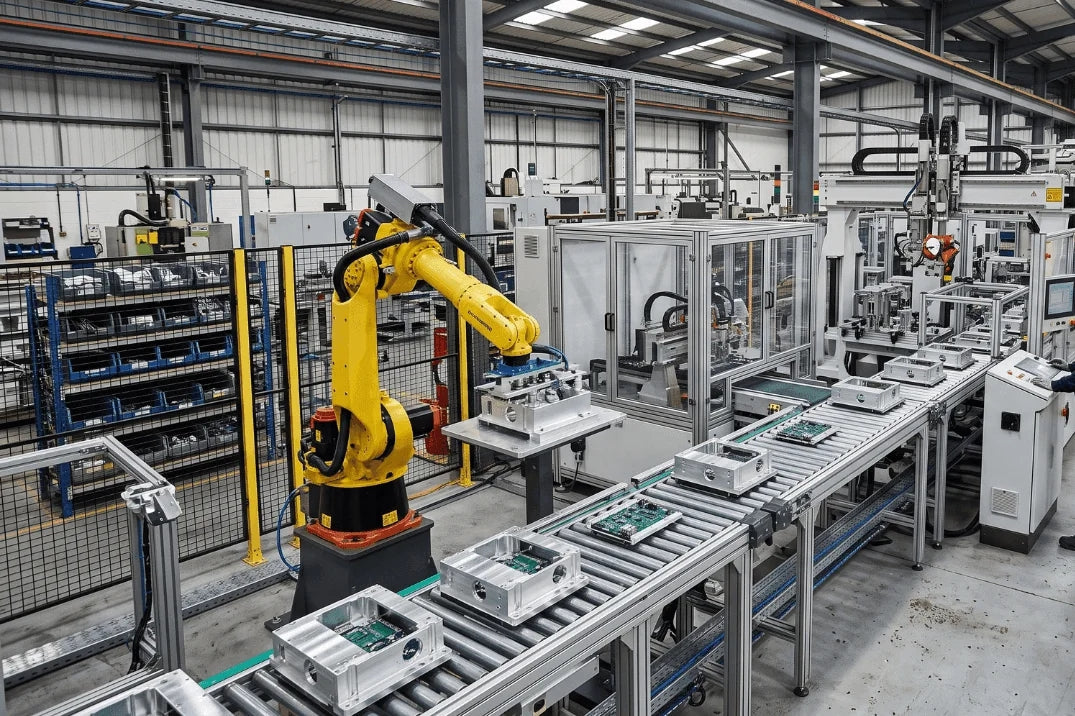
China currently maintains a staggering operational stock of approximately 2 million industrial robots. This figure quadruples the capacity of Japan, the world’s second-largest market. Furthermore, the nation accounts for 54% of all new industrial robot installations globally. According to the International Federation of Robotics (IFR), these statistics highlight a massive infrastructure advantage. As a result, thousands of regional and sectoral plans are now aligning with these aggressive new national goals.
The Rise of Humanoid Robots and Embodied AI
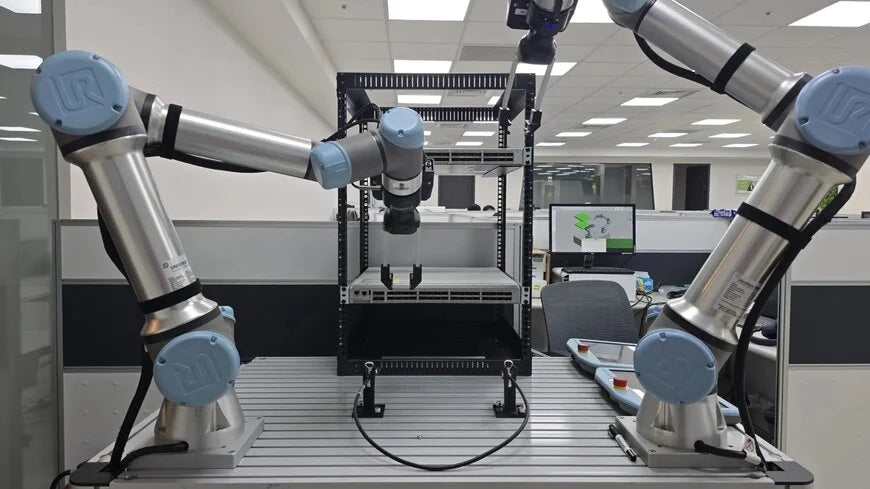
Recent public demonstrations have showcased humanoid robots performing complex tasks like dancing or walking. While these displays prove technical potential, their role in actual production remains limited. Most current humanoid applications exist only as pilot projects or demonstration models. Moreover, the AI software and the robotic hardware platforms often develop through different market players. Therefore, the industry must still bridge the gap between "staged performance" and "industrial reliability."
Humanoid Versatility vs. Industrial Robot Precision
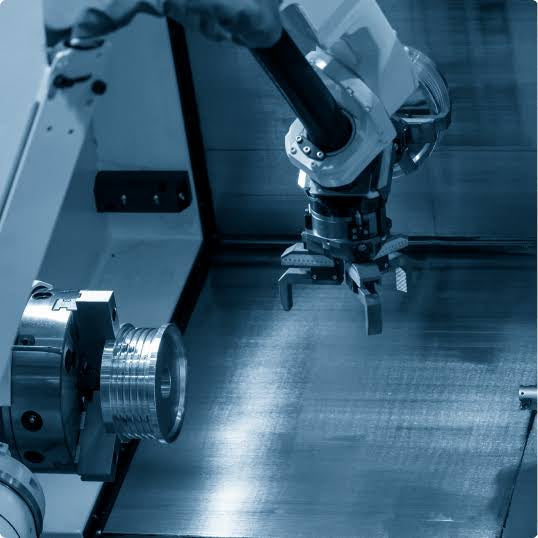
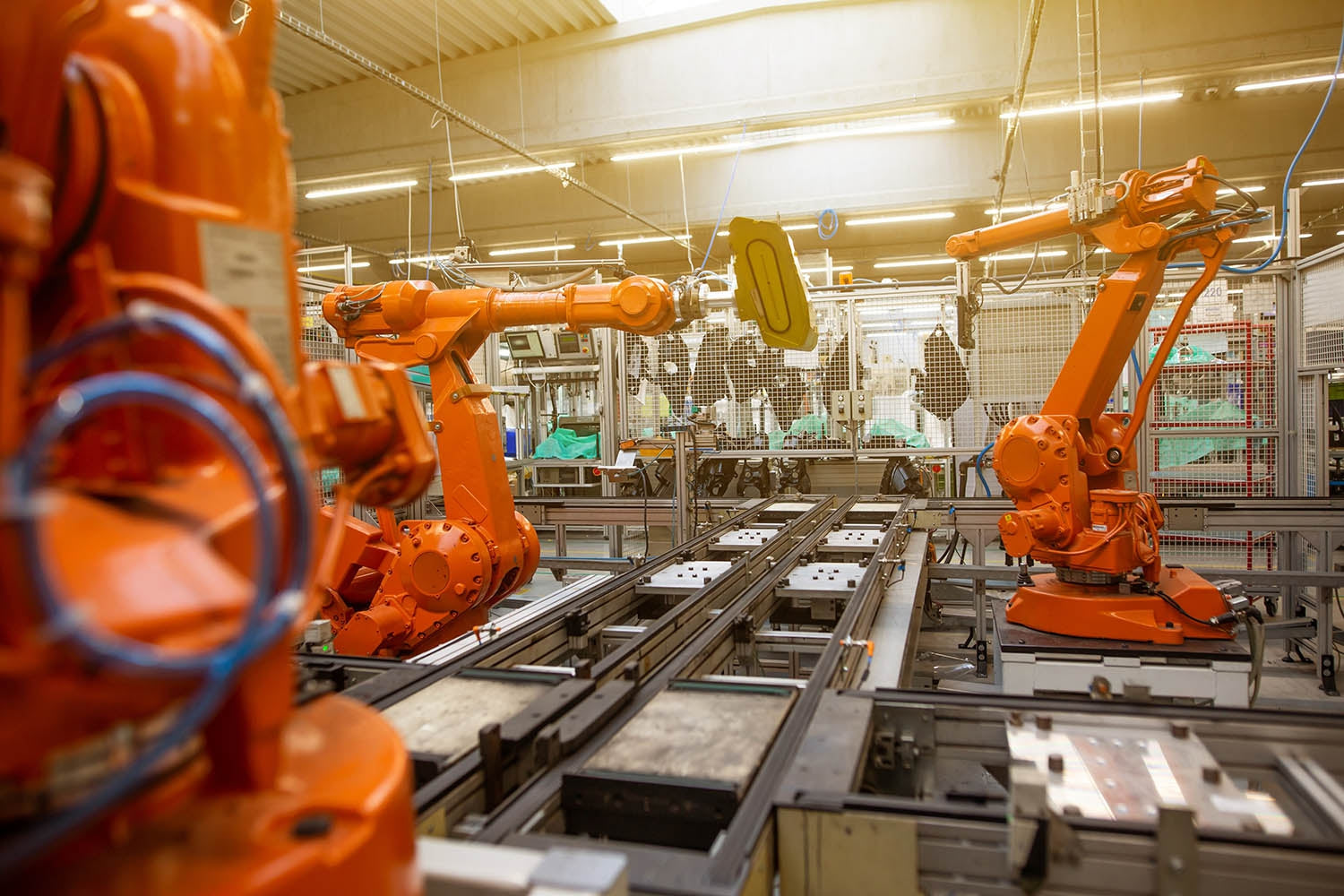
Traditional industrial robots remain the backbone of manufacturing due to the "form follows function" principle. These machines utilize specialized joints designed for high-speed, repetitive tasks requiring millimeter precision. In contrast, humanoid robots offer a generalized approach better suited for service-oriented environments. However, simpler control concepts in classic robotics ensure higher reliability in heavy industry. Consequently, high-speed assembly lines will continue to rely on specialized robotic arms rather than bipedal helpers.
Expansion of Domestic Market Share and Expertise
China’s internal market provides a massive testing ground for the implementation of the new Five-Year Plan. Domestic manufacturers are rapidly gaining ground against international competitors. For instance, Chinese suppliers now command an 85% market share in the metal and mechanical engineering sectors. In the electronics industry, they fulfill nearly 60% of domestic demand. This growing self-reliance strengthens the local supply chain for critical control systems and automation components.
Expert Insight: The Convergence of AI and Legacy Systems
From my perspective, the integration of AI into traditional PLC and DCS frameworks is the real "silent revolution." While humanoid robots capture headlines, the optimization of existing factory automation through machine learning offers more immediate ROI. We are seeing a shift where control logic becomes predictive rather than just reactive. In addition, I expect the commercialization of humanoid robots to accelerate only toward the end of this decade. Until then, the focus remains on making traditional industrial robots "smarter" and more autonomous.
Application Scenario: High-Precision Electronics Assembly
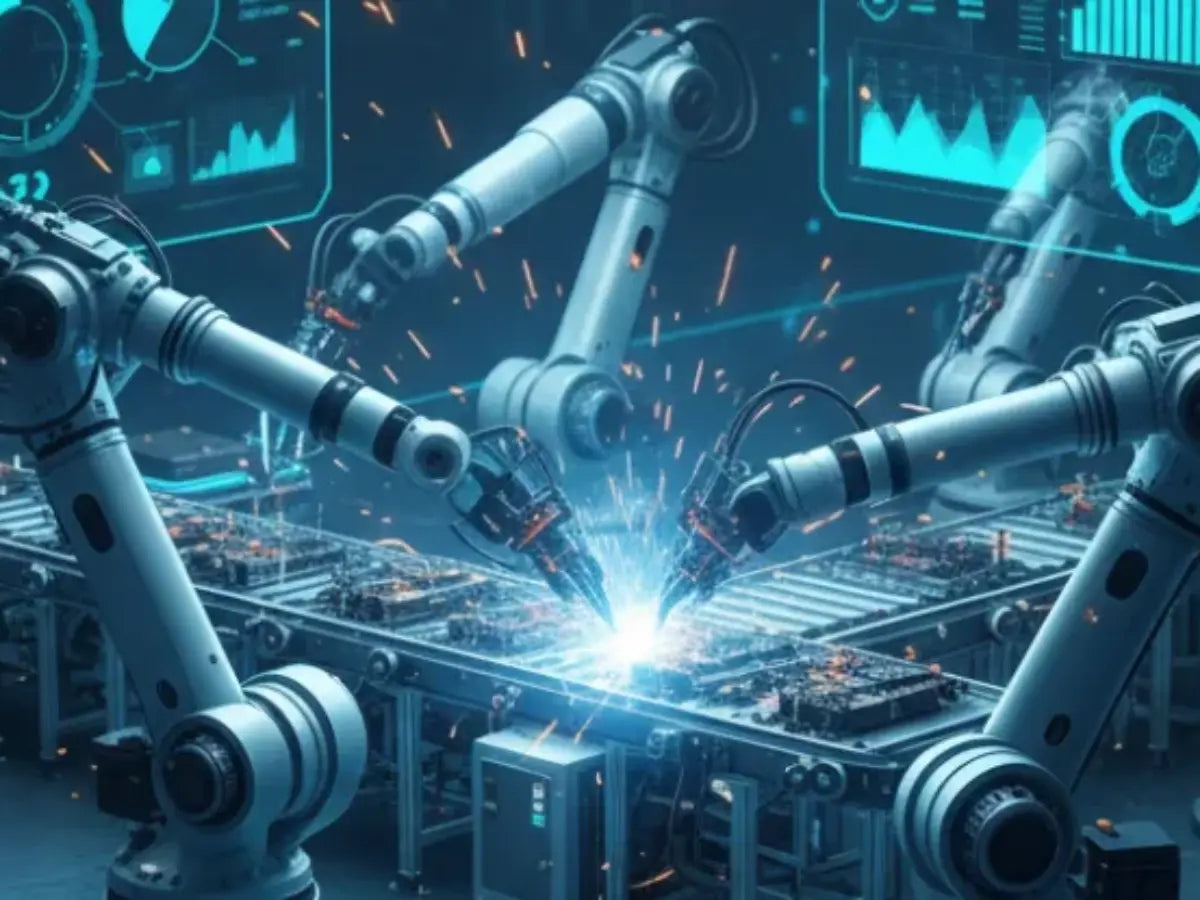
In modern electronics manufacturing, precision is paramount for PCB assembly and component placement. By integrating AI-driven vision systems with high-speed industrial robots, manufacturers can detect micro-defects in real-time.
-
System Integration: Synchronizing robotic arms with central DCS units for real-time data logging.
-
AI Enhancement: Using machine learning to optimize the motion paths of robots, reducing cycle times by 15%.
-
Reliability: Maintaining 24/7 operation with minimal human intervention, ensuring consistent output quality.
About the Author: Zhao Yichen
Zhao Yichen is a veteran technical expert with 15 years of experience in the global industrial automation field. He specializes in the design and optimization of complex control systems, including PLC, DCS, and TSI protection frameworks. Throughout his career, Zhao has authored numerous technical papers and industry reports for leading B2B automation platforms. He is dedicated to helping manufacturers navigate the transition toward intelligent, AI-enhanced production environments.
- Posted in:
- AI robotics
- China robotics strategy
- DCS systems
- factory automation
- humanoid robots
- PLC control
- smart manufacturing