AI and Robotics Innovations Take Center Stage at Automate 2026 in Chicago
- 〡
- 〡 by WUPAMBO

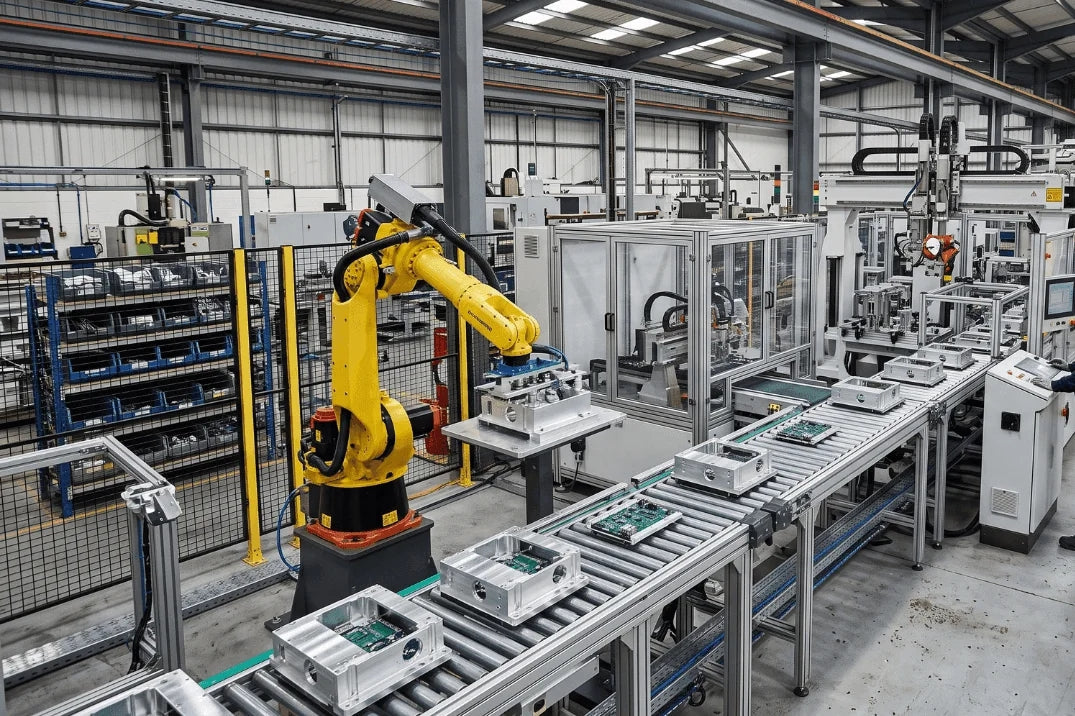
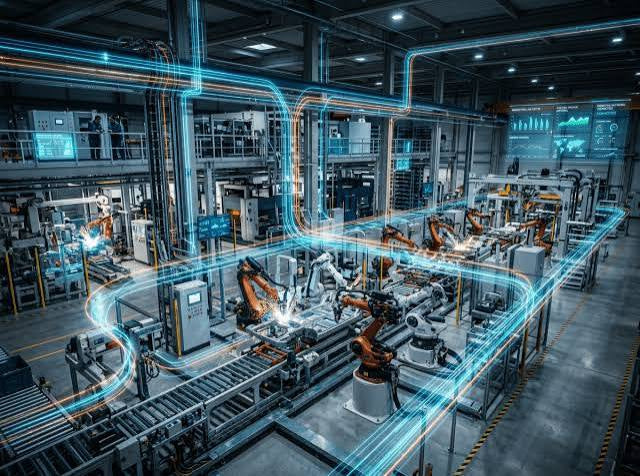
The global manufacturing landscape is currently undergoing a massive transformation driven by rapid advancements in artificial intelligence. As industrial facilities strive to overcome labor shortages and increase operational efficiency, the upcoming Automate 2026 event serves as a critical junction for the industry. This premier exhibition highlights how integrated control systems and robotics are evolving to meet modern production demands.
Strategic Leadership in the Modern Automation Era
The event kicks off with a high-level executive roundtable focusing on the current state of the industrial sector. Leaders from global powerhouses like FANUC and Schneider Electric will discuss market shifts and emerging obstacles. This discussion is vital for professionals managing complex PLC and DCS architectures. Strategic foresight remains essential because hardware procurement must align with long-term digital transformation goals. Moreover, understanding these high-level trends helps suppliers and integrators better anticipate future client requirements.
Bridging the Gap Between Human Labor and AI
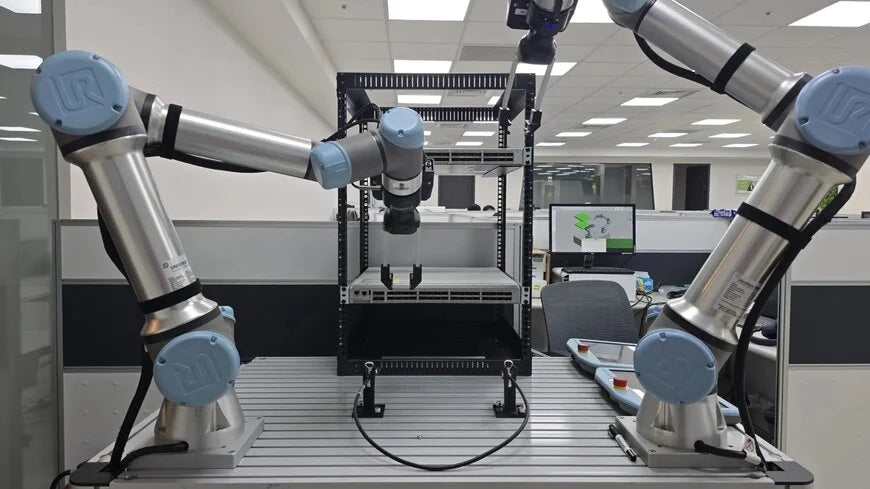
A primary focus for Siemens Digital Industries this year involves the intersection of human expertise and machine intelligence. Manufacturers are increasingly deploying AI-driven software to create more adaptive factory environments. This integration does not replace the human element but rather enhances it. In addition, new tools allow workers to scale technology responsibly across the enterprise. Consequently, the transition toward "Industrial AI" represents a fundamental shift in how we approach traditional factory automation.
Overcoming Limitations Through Physical AI
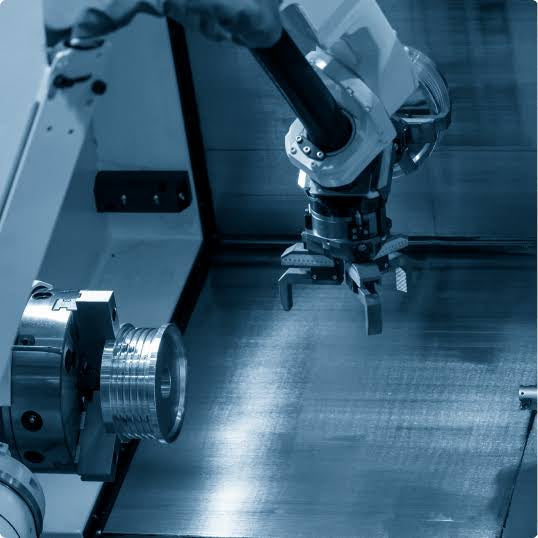
While many repetitive tasks are easily automated, a significant portion of real-world industrial activity remains manual. Standard Bots will address this challenge by exploring the potential of "Physical AI." This technology aims to solve complex manipulation and sensing tasks that traditional programming cannot handle. As a result, the industry is moving closer to automating the "last mile" of production. Therefore, facilities that adopt AI-native robotics early will likely gain a substantial competitive advantage in logistics and assembly.
Engineering Excellence and a Championship Mindset
Success in industrial automation requires more than just high-quality components and robust code. It demands a culture of excellence and disciplined execution. A unique leadership session featuring Brian Urlacher will draw parallels between elite sports performance and organizational success. In the B2B world, reliability and consistency are the hallmarks of a champion. Furthermore, maintaining a "built to win" mentality ensures that technical teams remain resilient during complex system deployments.
Analyzing the Economic Impact of Industrial Events
Automate 2026 is projected to break previous attendance records, reflecting the surging demand for advanced motion control and vision systems. With over 1,000 exhibitors, the event provides a comprehensive look at the technologies powering the next generation of smart factories. This massive gathering underscores the economic importance of the automation sector. In fact, the previous iteration contributed nearly $50 million to the local economy, signaling the immense scale of this industrial movement.
Expert Commentary: The Shift Toward Unified Control
From a technical perspective, we are seeing a significant convergence of IT and OT (Operational Technology). The traditional silos between PLC-based logic and high-level AI algorithms are disappearing. Today, modern control systems must be capable of processing massive data sets in real-time to support predictive maintenance and autonomous optimization. In my experience, the most successful facilities are those that treat their automation stack as a single, cohesive ecosystem rather than a collection of isolated parts.
Typical Application Scenarios for Next-Gen Automation
-
Autonomous Material Handling: Integrating Lidar-equipped mobile robots with central DCS units for seamless warehouse logistics.
-
Predictive Maintenance in Power Plants: Utilizing thermal imaging and AI to monitor transformer health and prevent unplanned downtime.
-
High-Speed Robotic Picking: Deploying simplified frameworks for rapid sorting in food and beverage packaging lines.
-
Advanced Inspection: Using gyroscopes and edge AI for stabilized, high-precision quality control in automotive manufacturing.
About the Author: Chen Wei
Chen Wei is a senior technical consultant and industry analyst with over 15 years of experience in the global industrial automation sector. Specializing in the architecture of PLC and DCS systems, he has worked extensively with major international brands to optimize power protection and control logic. Chen is a frequent contributor to B2B technical journals and is recognized for his expertise in navigating the intersection of traditional industrial hardware and emerging AI technologies.
- Posted in:
- artificial intelligence
- Automate 2026
- DCS control
- factory automation
- machine vision
- motion control
- PLC systems
- robotics trends
- smart manufacturing