












Product Details
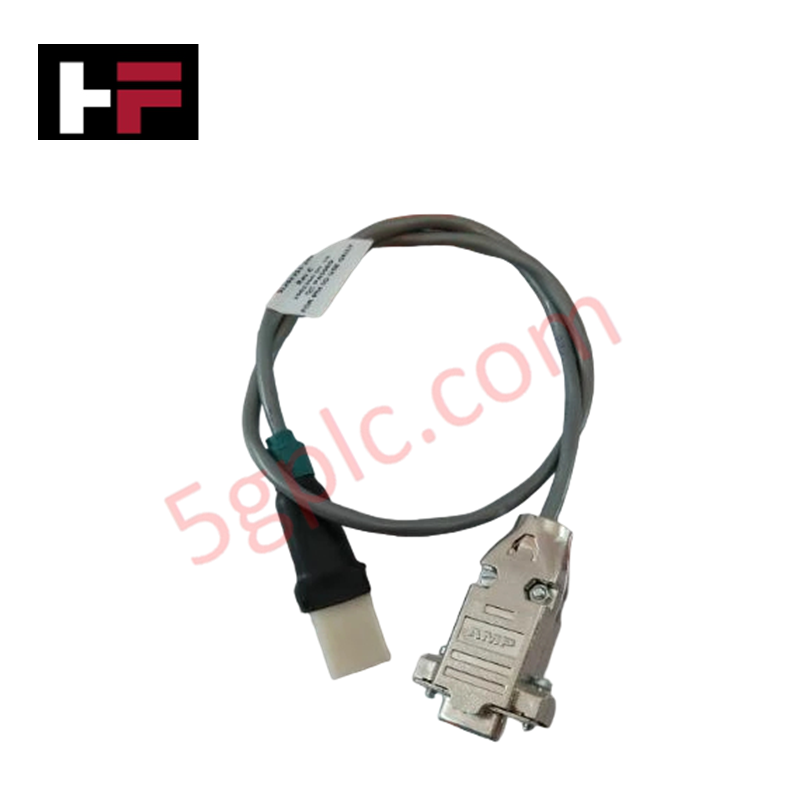
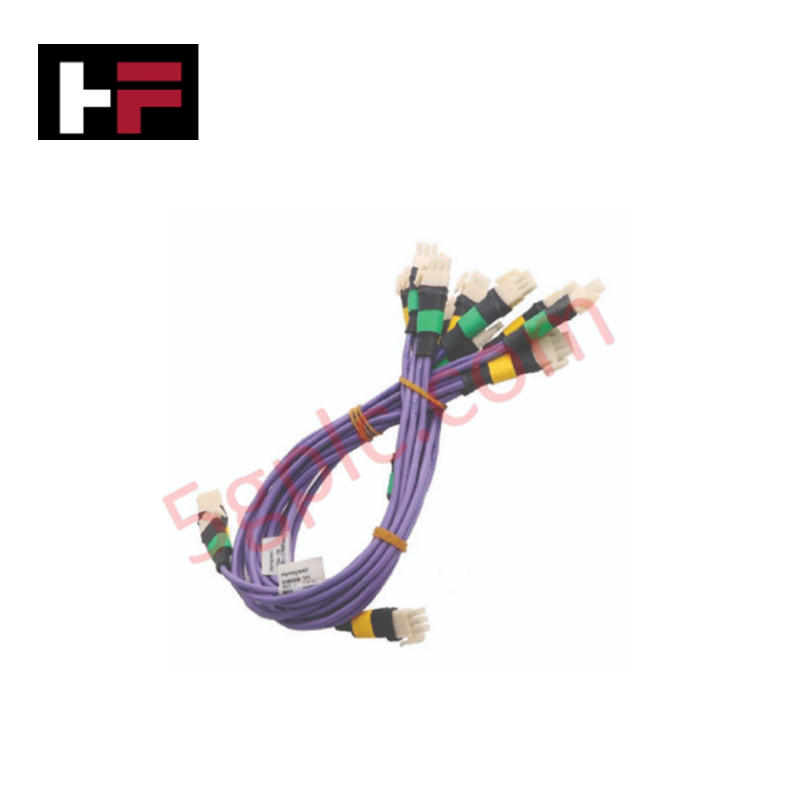
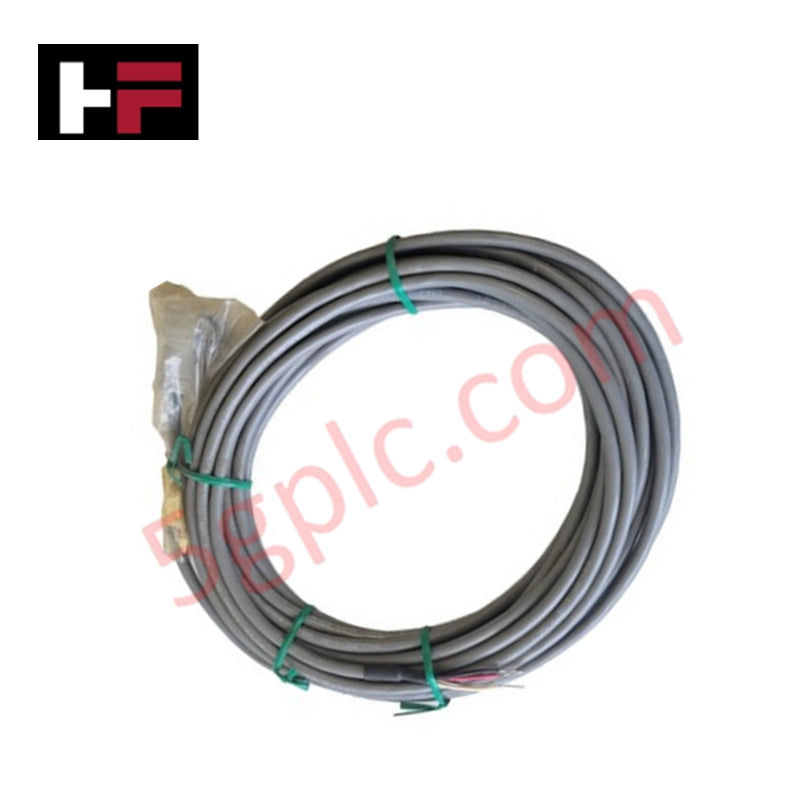
The Honeywell CC-KFSVR5, also cataloged as the 51202353-211 Fiber Optic Extender Cable, operates as a dedicated hardware component for high-speed optical signal extension within Experion PKS Series C platforms.
Hardware Specifications
| Parameter | Specification |
|---|---|
| Model | CC-KFSVR5 (51202353-211) |
| Brand | Honeywell |
| Origin | USA |
| Dimensions | Length: 5.0 m |
| Operating Temp | -20 deg C to +70 deg C |
| Power Consumption | Passive optical transmission media (0 W) |
| Media Type | Multi-mode optical fiber assembly |
| Connector Type | Duplex optical connectors (Series C interface) |
| Cable Jacket | Flame-retardant industrial polymer |
4-20 mA HART Loop Protocol & Channel-to-Channel Isolation
The CC-KFSVR5 cable assembly links Series C C300 controllers or optical interface modules to remote field termination bases, transmitting digital telemetry and pass-through signals for 4-20 mA HART loop protocol field instruments. Physical optical fiber media delivers total channel-to-channel isolation and immunity against high-voltage surges, lightning strikes, and severe electromagnetic interference (EMI). The low-attenuation optical core preserves high-frequency signal pulse integrity over long extended physical spans.
Frequently Asked Questions
Q: Can the CC-KFSVR5 optical cable be bent at right angles inside narrow wiring ducts?
A: No. Bending optical fiber tighter than its specified minimum bend radius creates micro-bends that cause light attenuation, packet dropouts, and link loss.
Q: Is the CC-KFSVR5 extender cable compatible with standard single-mode optical transceivers?
A: No. The CC-KFSVR5 is engineered for multi-mode optical transceivers. Mismatches between core diameters will result in high insertion loss and signal degradation.
Field Installation Guidelines
- Dust Cap Removal: Keep protective rubber dust caps on optical connectors until the moment of insertion to prevent particulate contamination on fiber end-faces.
- Connector Latching: Align the keyed duplex connector housing with the optical transceiver module socket and push in gently until the retention latch snaps into place.
- Minimum Bend Radius: Route the fiber assembly through dedicated cable trays, maintaining a minimum bend radius of 50 mm to prevent signal loss.
- Physical Isolation: Keep optical cable runs clear of sharp sheet-metal edges and heavy copper wire bundles to prevent outer jacket crushing.
Additional Information
- 100% Genuine Parts: All products are original and authentic, ensuring reliable industrial performance.
- 30-Day Refund Guarantee: Return any in-stock item within 30 days in original, unopened packaging for a full refund (excluding shipping and fees).
- 12-Month Warranty: Covers defects in materials or workmanship; excludes misuse, normal wear, or unauthorized modifications.
- Worldwide Shipping: We ship via USPS, UPS, FedEx, and DHL. Delivery times vary by country and may be subject to customs or import fees.
- Support & Contact: Technical and warranty assistance is available anytime. Contact us here: Contact.
- Purchase Guidance: Check product specifications and compatibility carefully before ordering to ensure proper application.






Tech & Buying Guide

Redefining Control Systems: The Rise of Flexible I/O Modules in Industrial Automation
Conventional input-output architectures often limit engineering agility and inflate long-term inventory costs. Today, Flexible Input/Output Modules (FIOM) are transforming how control system engineers design, commission, and maintain automation infrastructure. By allowing individual channel software configuration, FIOM technology bridges the gap between rigid hardware design and dynamic plant requirements.

Understanding Modern SCADA Systems: Architecture, Communication Topologies, and Industrial Applications
Supervisory Control and Data Acquisition (SCADA) systems form the digital backbone of modern industrial automation. They collect critical field data, transmit signals across vast distances, and empower plant operators with real-time process visibility. Across modern infrastructures, SCADA solutions streamline centralized control and maintain continuous operational uptime.

Understanding OPC Servers in Modern Industrial Automation: Principles, Architecture, and Applications
In industrial automation, connecting physical hardware with high-level software remains a primary operational challenge. Factories utilize programmable logic controllers (PLCs), distributed control systems (DCS), human-machine interfaces (HMIs), and smart sensors from diverse vendors. These devices often speak different proprietary protocols. Open Platform Communications (OPC) servers solve this interoperability challenge by standardizing how data flows across factory networks.