










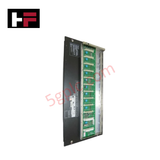
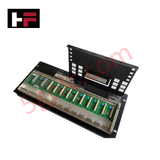
Product Details
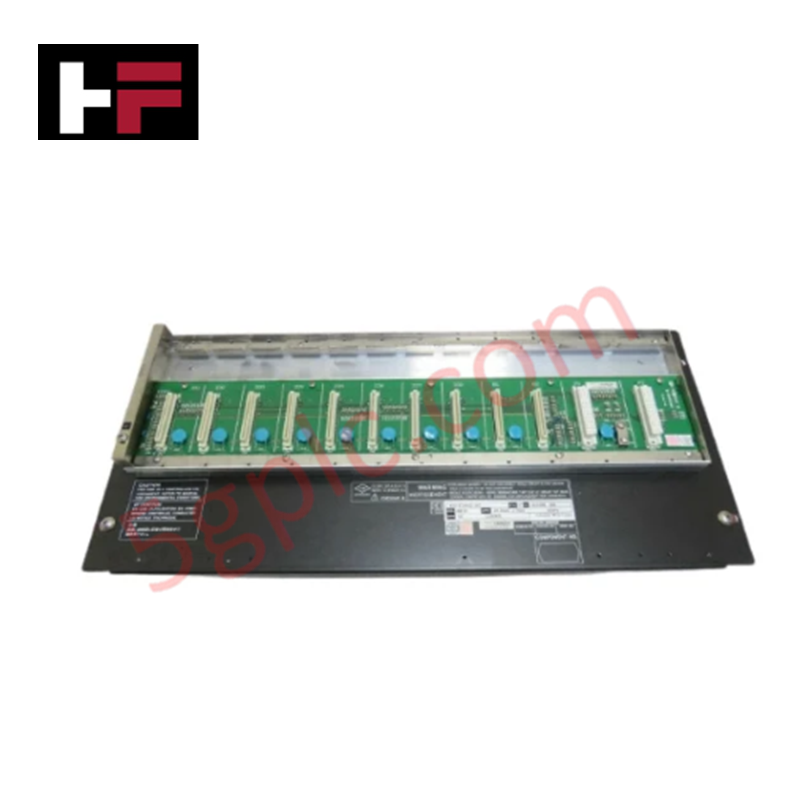
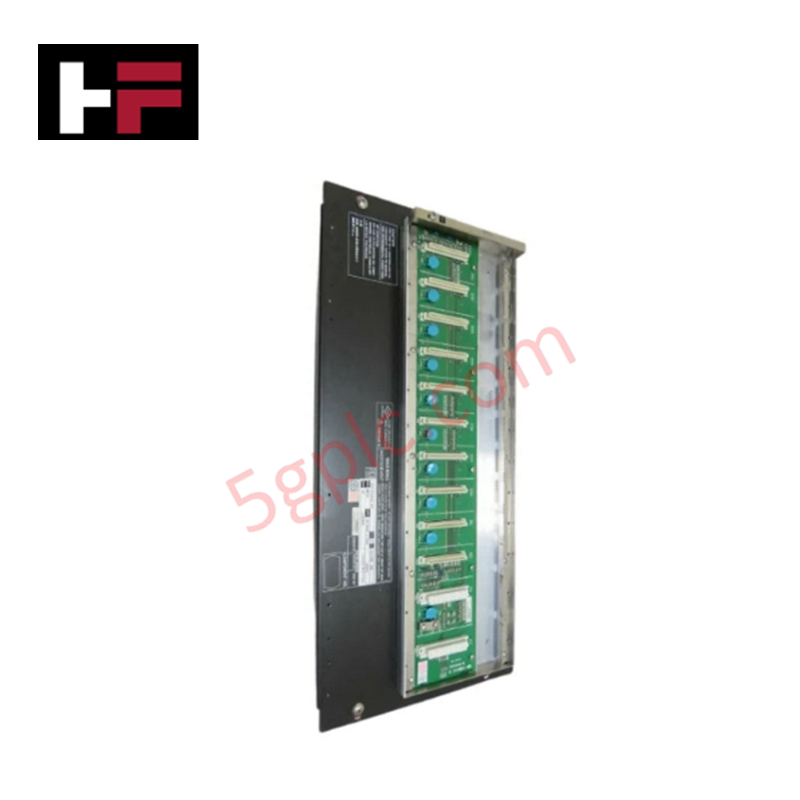
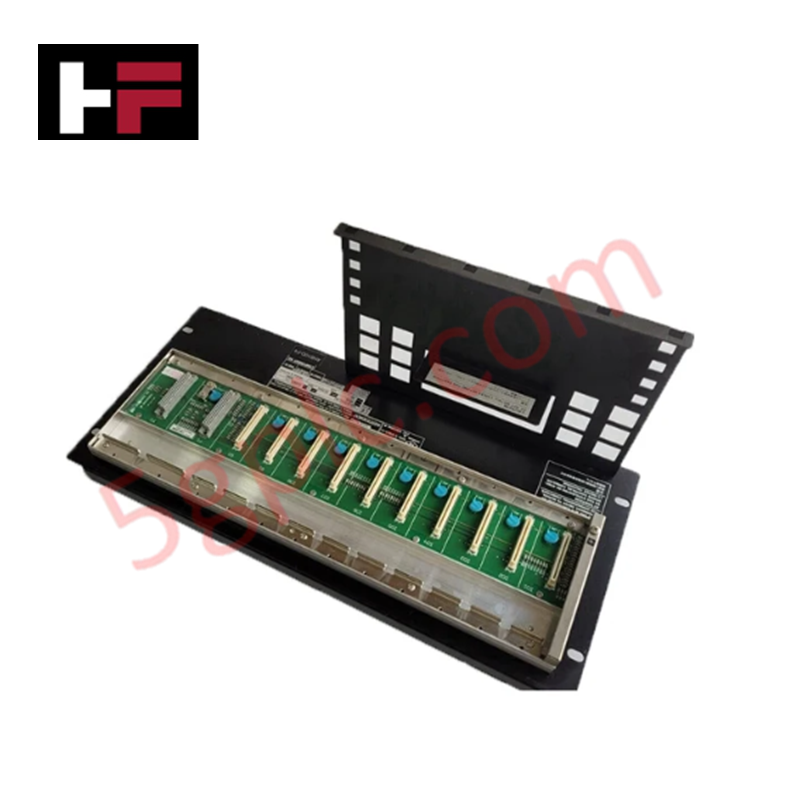
Configured for software failure analysis access and firmware revision tracking in CENTUM VP, ProSafe-RS, and PRM platforms, the Yokogawa SS2CPML-V11 (SS2CPML-V11 Product Maintenance License) provides direct physical/electrical execution.
Hardware Specifications
| Parameter | Specification |
|---|---|
| Model | SS2CPML-V11 |
| Brand | Yokogawa |
| Origin | Japan |
| Target System Platforms | CENTUM VP (R6.01+), ProSafe-RS (R4.01+), PRM (R3.30+) |
| Software Scope | Standard System Software Maintenance & Upgrades |
| Weight | 0.20 kg (Documentation & Media Kit) |
| Dimensions | 200 x 150 x 20 mm |
| Operating Temp | 0 to 55 deg C |
| Storage Temp | -20 to 70 deg C |
| Power Consumption | N/A (Software Maintenance License) |
| System Entitlements | CsI Access, Failure Analysis, Upgrade Rights, Migration Program |
Yokogawa System Control & Fieldbus Instrumentation
Yokogawa control architectures utilize high-speed real-time execution across CENTUM VP DCS and ProSafe-RS safety instrumentation environments. Proper system revision synchronization ensures deterministic 4-20 mA HART loop protocol performance and channel-to-channel isolation stability across field I/O nodes. Incorporating cold junction compensation (CJC) accuracy and fieldbus bus traffic integrity, maintenance validation routines safeguard control loops against firmware configuration drifts and execution latency spikes during live network upgrades.
Frequently Asked Questions
Q: How does the SS2CPML-V11 entitlement affect live controller operation during software upgrades?
A: The license grants software upgrade and failure analysis rights. Actual controller firmware updates must follow Yokogawa online/offline download procedures to avoid interrupting active control loops or safety instrumented functions.
Q: Is physical media required to execute the Product Maintenance License authorization?
A: The SS2CPML-V11 includes formal Customer Support Information (CsI) registration credentials and software release validation codes, which are associated with specific controller domain IDs and system serial key blocks.
Field Installation Guidelines
When registering or applying the SS2CPML-V11 key within Yokogawa engineering stations, verify system compatibility across active control nodes before starting maintenance procedures. Ensure engineering workstation communication cables maintain dedicated ground shielding to avoid data corruption during software deployment. Always retain localized backup files of system project data and license key credentials prior to applying software patches or platform migrations.
Additional Information
- 100% Genuine Parts: All products are original and authentic, ensuring reliable industrial performance.
- 30-Day Refund Guarantee: Return any in-stock item within 30 days in original, unopened packaging for a full refund (excluding shipping and fees).
- 12-Month Warranty: Covers defects in materials or workmanship; excludes misuse, normal wear, or unauthorized modifications.
- Worldwide Shipping: We ship via USPS, UPS, FedEx, and DHL. Delivery times vary by country and may be subject to customs or import fees.
- Support & Contact: Technical and warranty assistance is available anytime. Contact us here: Contact.
- Purchase Guidance: Check product specifications and compatibility carefully before ordering to ensure proper application.


Tech & Buying Guide

Redefining Control Systems: The Rise of Flexible I/O Modules in Industrial Automation
Conventional input-output architectures often limit engineering agility and inflate long-term inventory costs. Today, Flexible Input/Output Modules (FIOM) are transforming how control system engineers design, commission, and maintain automation infrastructure. By allowing individual channel software configuration, FIOM technology bridges the gap between rigid hardware design and dynamic plant requirements.
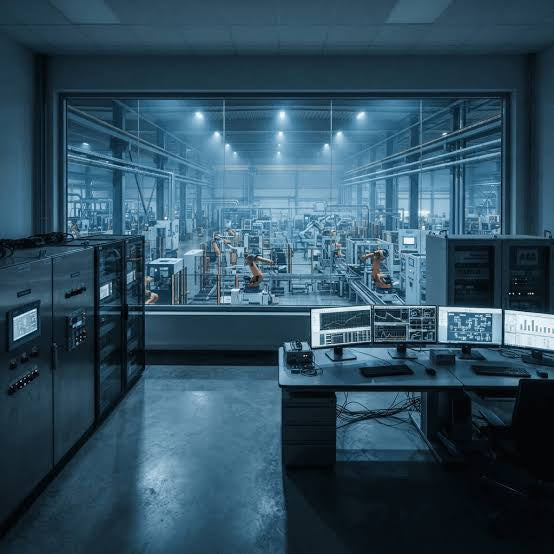
Understanding Modern SCADA Systems: Architecture, Communication Topologies, and Industrial Applications
Supervisory Control and Data Acquisition (SCADA) systems form the digital backbone of modern industrial automation. They collect critical field data, transmit signals across vast distances, and empower plant operators with real-time process visibility. Across modern infrastructures, SCADA solutions streamline centralized control and maintain continuous operational uptime.
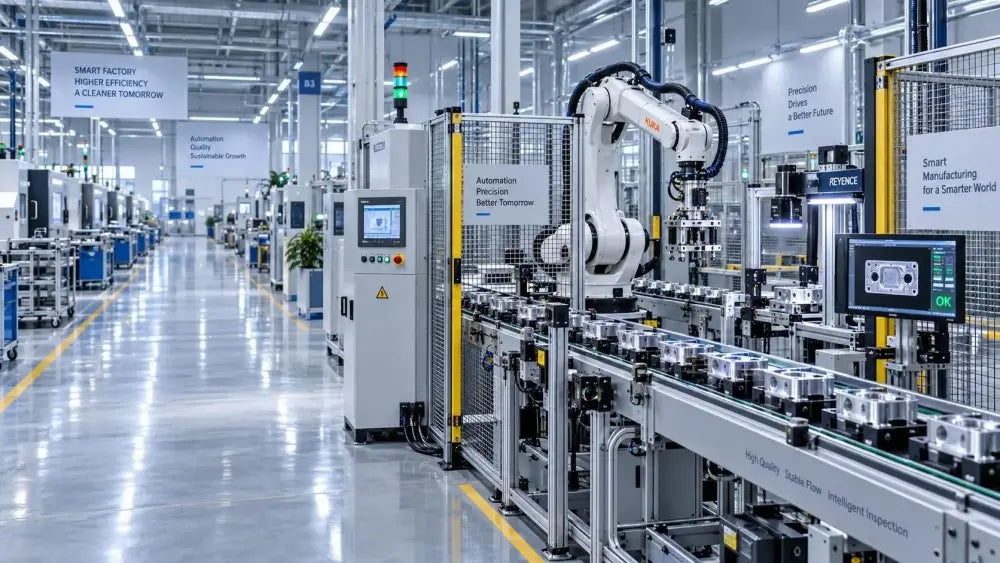
Understanding OPC Servers in Modern Industrial Automation: Principles, Architecture, and Applications
In industrial automation, connecting physical hardware with high-level software remains a primary operational challenge. Factories utilize programmable logic controllers (PLCs), distributed control systems (DCS), human-machine interfaces (HMIs), and smart sensors from diverse vendors. These devices often speak different proprietary protocols. Open Platform Communications (OPC) servers solve this interoperability challenge by standardizing how data flows across factory networks.