










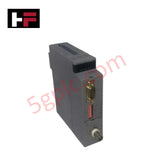
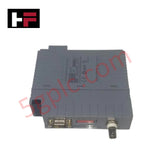
Product Details
Product Overview
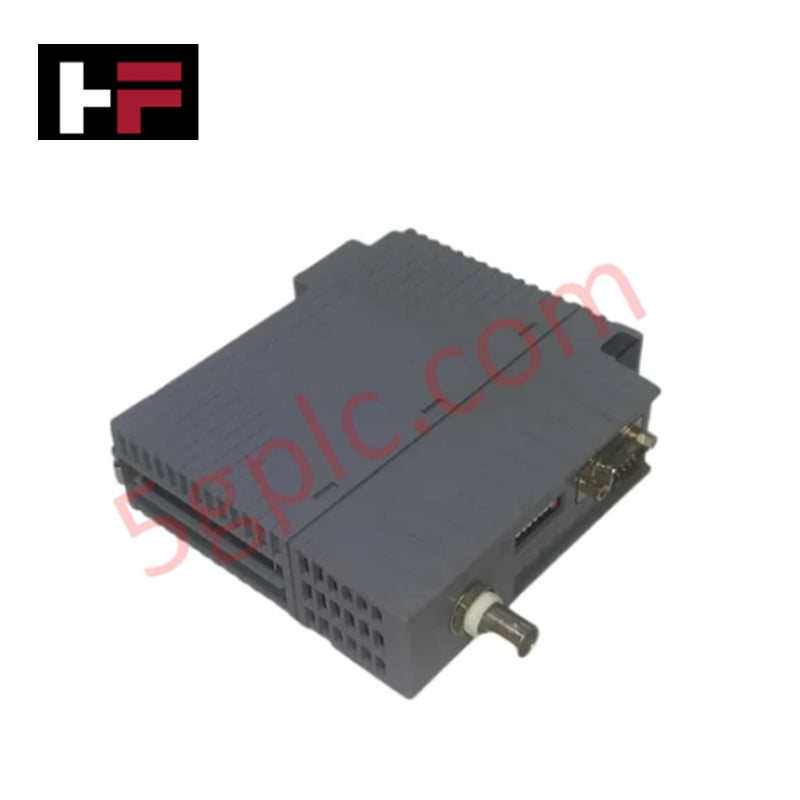
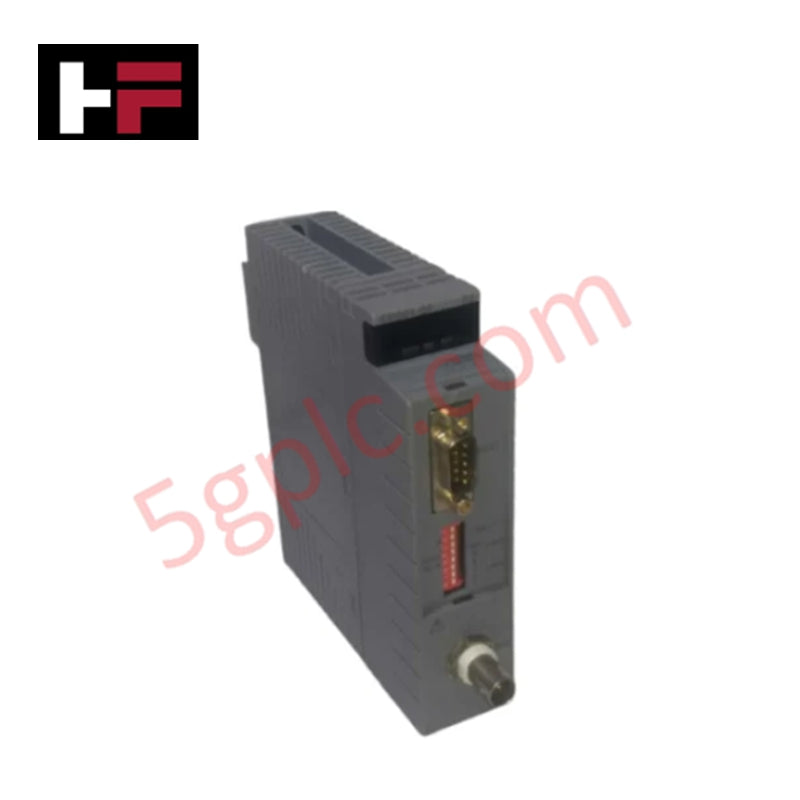
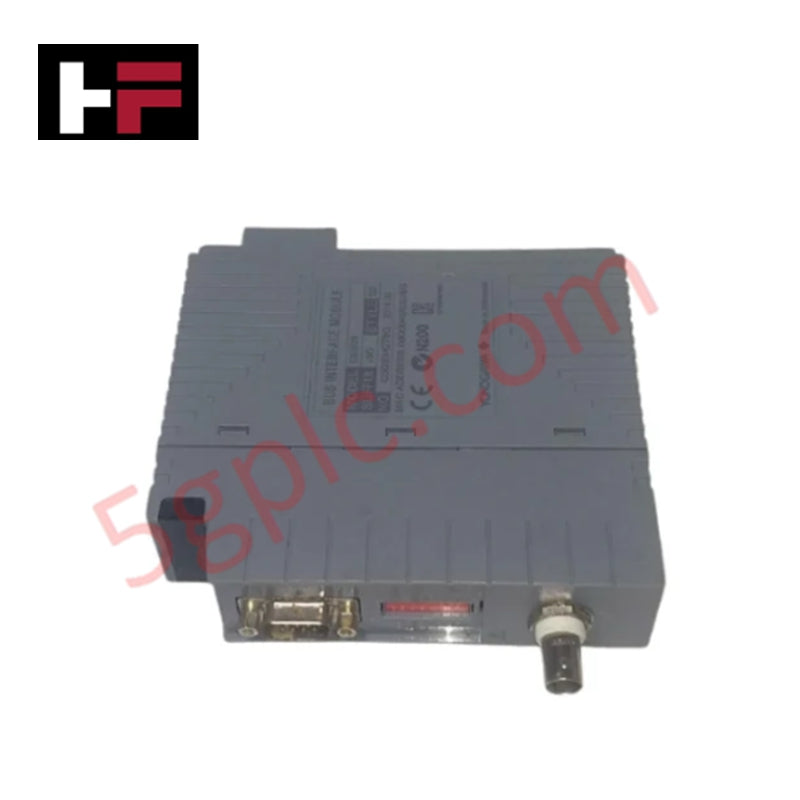
The Yokogawa EB401-50 functions as the primary communication anchor for the ER Bus network within integrated control architectures. As an ER Bus Interface Master Module, it orchestrates data exchange between local controllers and remote nodes, ensuring synchronized command execution across the plant floor. This module manages the arbitration of the 10 Mbps physical layer, providing the backbone for robust, distributed I/O management. We supply this unit as 100% Brand New and factory-sealed, ensuring full compliance with original manufacturer specifications.
Part Number Breakdown
Yokogawa EB series modules utilize specific suffix codes to define hardware revisions and mounting compatibility:
| Code Segment | Technical Significance |
| EB401 | Base Model: ER Bus Interface Master Module |
| -5 | Revision code denoting hardware iteration and board design |
| 0 | Standard type for universal system compatibility |
Technical Specifications
The EB401-50 utilizes a specialized physical layer to maintain high-speed data throughput in electrically noisy environments.
-
Manufacturer: Yokogawa
-
Model: EB401-50
-
Physical Layer: IEEE 802.3 10BASE-2 (Coaxial)
-
Port Configuration: 1 x BNC Connector
-
Communication Speed: 10 Mbps
-
Max Transmission Distance: 185 meters per segment (with YCB141 cable)
-
Current Consumption: 0.7 A
-
Weight: 0.3 kg
-
Condition: 100% Brand New and Original
Engineering Advantages
The EB401-50 optimizes distributed control layouts by addressing specific networking constraints:
-
Long-Distance Remote I/O Control: By utilizing the 10BASE-2 physical layer, this module extends control reach up to 185 meters without requiring additional repeaters. This reduces the total cost of ownership for sprawling industrial facilities.
-
Deterministic Communication: The master-logic firmware prioritizes critical control packets over the ER Bus. This ensures that safety-critical data reaches the controller within defined time windows, preventing process jitter.
-
Robust Coaxial Shielding: The BNC-terminated coaxial interface provides superior immunity to electromagnetic interference (EMI) compared to standard twisted-pair cabling. This makes the EB401-50 ideal for environments with heavy motor activity or high-voltage switching.
-
Low Heat Dissipation: Drawing only 0.7 A, the module minimizes the thermal load within the cabinet. This allows for tighter hardware packing and extends the lifespan of adjacent electronic components.
FAQs
What specific cable type must I use with the EB401-50?
To achieve the maximum rated distance of 185 meters and maintain signal integrity, use the Yokogawa YCB141 coaxial cable. Using non-specified cables may increase signal attenuation and cause communication time-outs.
Does this module require a terminator?
Yes. Since the EB401-50 utilizes 10BASE-2 architecture, you must install a 50-ohm BNC terminator at both ends of the ER Bus segment to prevent signal reflection and data corruption.
Can the EB401-50 coexist with newer Ethernet-based modules?
The EB401-50 operates specifically on the ER Bus protocol. While the control station manages both, this module requires a dedicated coaxial network separate from your Vnet/IP or standard Ethernet plant networks.
Additional Information
- 100% Genuine Parts: All products are original and authentic, ensuring reliable industrial performance.
- 30-Day Refund Guarantee: Return any in-stock item within 30 days in original, unopened packaging for a full refund (excluding shipping and fees).
- 12-Month Warranty: Covers defects in materials or workmanship; excludes misuse, normal wear, or unauthorized modifications.
- Worldwide Shipping: We ship via USPS, UPS, FedEx, and DHL. Delivery times vary by country and may be subject to customs or import fees.
- Support & Contact: Technical and warranty assistance is available anytime. Contact us here: Contact.
- Purchase Guidance: Check product specifications and compatibility carefully before ordering to ensure proper application.


Tech & Buying Guide

Essential Best Practices for PLC Wiring and Installation in Industrial Automation
Successful control system deployment begins with thoroughly reviewing manufacturer technical documentation. Controllers from major brands like Allen-Bradley, Siemens, and Schneider Electric feature unique terminal layouts. Engineers must verify voltage requirements before connecting power cables to prevent catastrophic equipment damage. Standard line connections require strict adherence to regional electrical codes and proper wire color coding. Furthermore, panel builders should always establish a robust low-impedance ground connection using at least 16-AWG copper conductor tied directly to the main plant grounding grid.

Demystifying Programmable Logic Controllers: Comprehensive Guide to PLC Classification and Selection in Industrial Automation
Modern industrial automation heavily relies on Programmable Logic Controllers (PLCs) to drive factory floor efficiency. Over my 15 years as an industrial automation expert working with DCS, TSI, and control systems, I have seen PLCs evolve into the central nervous system of modern manufacturing. Selecting the right controller requires a deep understanding of PLC types based on physical size, hardware architecture, and power supply configurations.

Comprehensive Guide to PLC Types in Modern Industrial Automation
Modern industrial automation relies on programmable logic controllers to govern critical factory operations. System integrators classify PLCs based on scale, hardware architecture, and power supply design. Understanding these core categories enables automation engineers to select the right control system architecture. Consequently, proper hardware selection optimizes performance while minimizing long-term operational costs.