










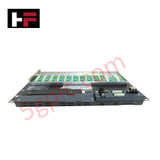
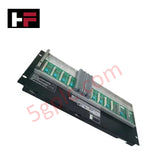
Product Details
Product Overview
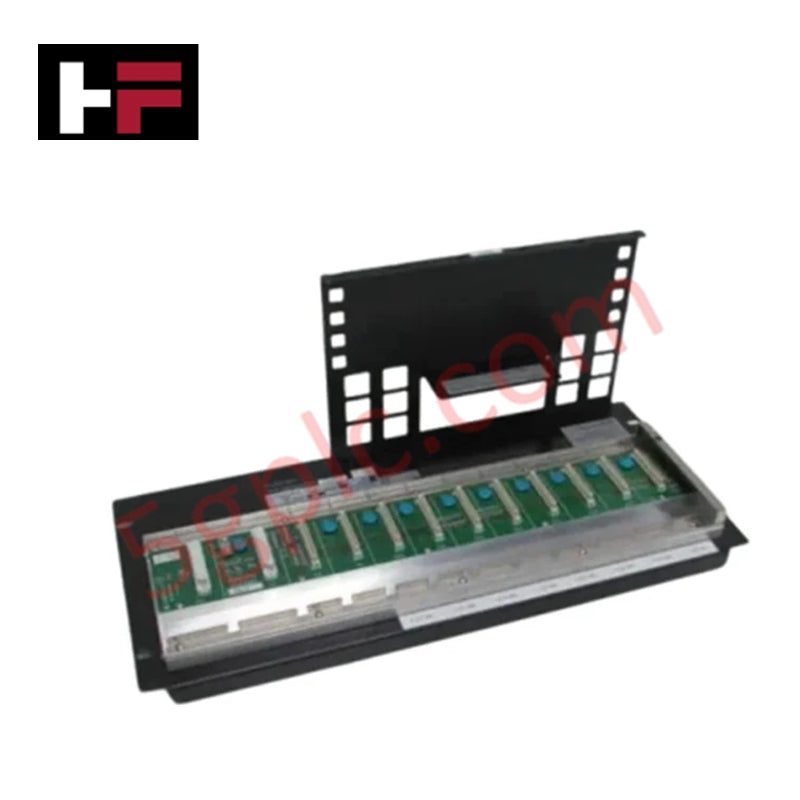
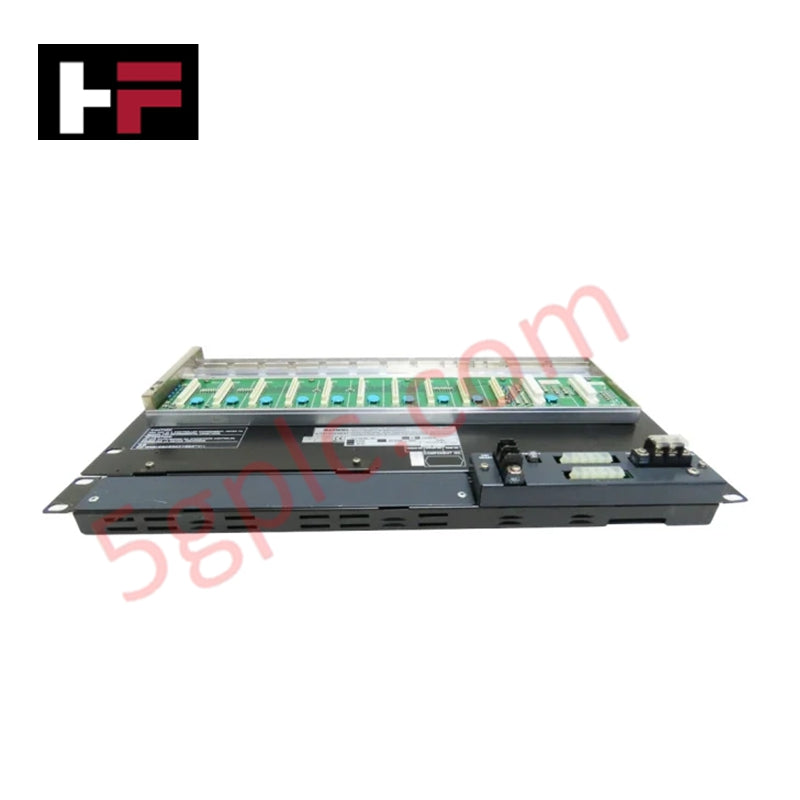
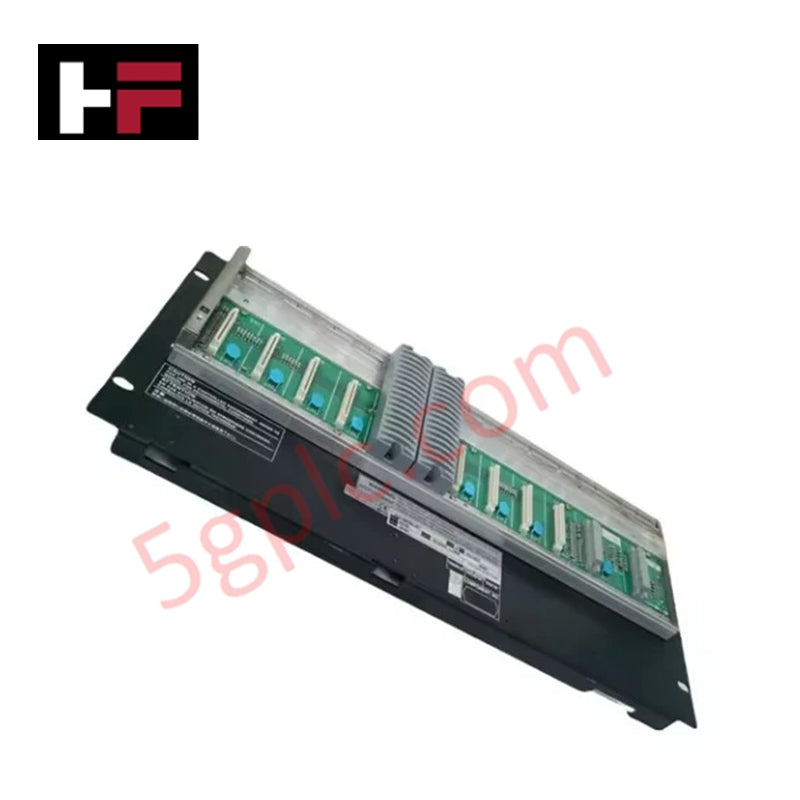
The Yokogawa AFV10D-S41201 serves as the high-performance "brain" of the CENTUM VP Distributed Control System (DCS). As a Duplicated (Duplexed) Field Control Unit, it executes complex regulatory control, sequence logic, and advanced computational functions for mission-critical industrial processes. The "D" prefix signifies its redundant architecture; the unit utilizes two processor modules in a "Hot Standby" configuration. If the primary processor encounters a fault, the secondary unit assumes control in milliseconds, ensuring zero process interruption and maintaining total plant safety.
Condition: 100% Brand New and Original Factory Sealed.
Part Number Breakdown: AFV10D-S41201
Yokogawa utilizes a specific suffix code to define the hardware, power, and networking specifications of the FCU:
-
AFV10D: Duplicated Field Control Unit (for Vnet/IP and FIO).
-
-S: Standard type hardware.
-
4: Dual-redundant 100-120 V AC Power Supply.
-
1: 19-inch Rack-mount type.
-
2: Vnet/IP Interface (Redundant).
-
0: Always 0.
-
1: Basic hardware revision for optimized processor stability.
Technical Specifications
The AFV10D-S41201 provides the high-speed processing and robust networking required for modern automation.
-
Processor Type: High-speed RISC processor.
-
Control Network: Vnet/IP (1 Gbps Redundant Ethernet).
-
I/O Bus: FIO (Field Input/Output) bus interface.
-
Memory Protection: Battery-backed RAM for database retention during power loss.
-
Power Supply: 100-120 V AC, 50/60 Hz (Dual-redundant).
-
Mounting: Standard 19-inch rack-mount.
-
Application Capacity: Supports thousands of function blocks (PIDs, Logics, Timers).
Engineering Advantages
-
Seamless Process Continuity: The AFV10D-S41201 synchronizes data between two CPU modules every scan cycle. This "Hot Standby" redundancy eliminates "bumps" in control output during a switchover, protecting sensitive equipment like turbines and reactors.
-
High-Speed Vnet/IP Backbone: Utilizing a 1 Gbps Vnet/IP network, this controller transmits massive amounts of process data to the HMI and other control stations with negligible latency. This high bandwidth is essential for large-scale plants with high tag counts.
-
Robust FIO Integration: This FCU acts as the master for Yokogawa’s FIO (Field I/O) modules (e.g., ADV151, ADV551). The local bus architecture ensures rapid data refresh rates between field sensors and the controller's logic engine.
-
Online Maintenance & Hot-Swapping: All redundant components, including the PW481 power supply units and communication cards, allow for replacement while the plant remains under active control. This capability maximizes plant uptime and simplifies preventive maintenance.
-
Space-Efficient Rack Design: The standard 19-inch form factor integrates easily into existing DCS cabinets. The internal layout prioritizes natural convection cooling, extending the lifespan of the internal electronic components.
FAQs
-
Does this unit include the CP461 CPU modules?
The AFV10D-S41201 specifies the chassis, power supply, and network interface. While it houses the CPU modules, the specific processors (typically CP461) are often listed as separate line items in a full system configuration.
-
What is the difference between AFV10D and AFV30D?
The AFV10D is the standard Field Control Unit, whereas the AFV30D offers higher application capacity and faster processing for extremely large or complex control strategies.
-
How often should I replace the backup battery?
The lithium battery (Part No. S9185FA) preserves the control database during total power failure. We recommend proactive replacement every 3 to 5 years during scheduled plant turnarounds.
-
Can this unit be used with 220V AC?
No. The "-4" suffix indicates 100-120V AC. For 220-240V AC power environments, the AFV10D-S21201 is the correct model.
Additional Information
- 100% Genuine Parts: All products are original and authentic, ensuring reliable industrial performance.
- 30-Day Refund Guarantee: Return any in-stock item within 30 days in original, unopened packaging for a full refund (excluding shipping and fees).
- 12-Month Warranty: Covers defects in materials or workmanship; excludes misuse, normal wear, or unauthorized modifications.
- Worldwide Shipping: We ship via USPS, UPS, FedEx, and DHL. Delivery times vary by country and may be subject to customs or import fees.
- Support & Contact: Technical and warranty assistance is available anytime. Contact us here: Contact.
- Purchase Guidance: Check product specifications and compatibility carefully before ordering to ensure proper application.


Tech & Buying Guide
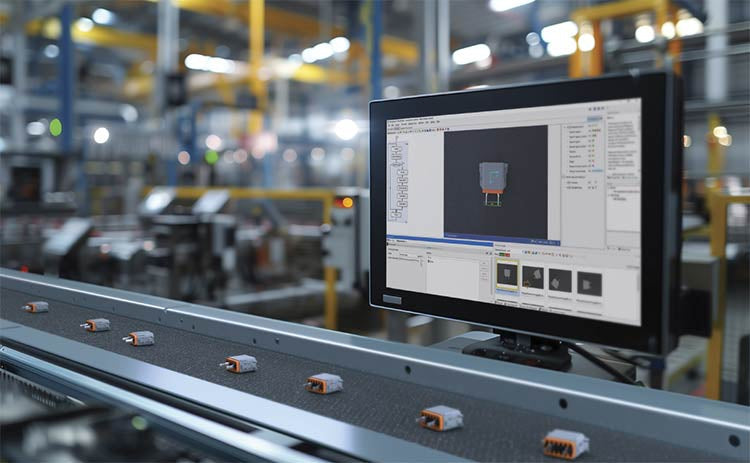
Modern Industrial Automation: Transforming Safety and Efficiency in Mining Operations
Industrial automation has evolved from a simple manufacturing tool into the operational backbone of high-risk sectors. Modern mining operations increasingly rely on advanced control systems, programmable logic controllers (PLCs), distributed control systems (DCS), and artificial intelligence to address deep-underground hazards. By replacing manual labor in high-risk zones, factory automation technologies protect personnel while significantly boosting operational throughput.

Step-by-Step System Cabinet Health Check Guide for PLC and DCS Infrastructure
