










Product Details
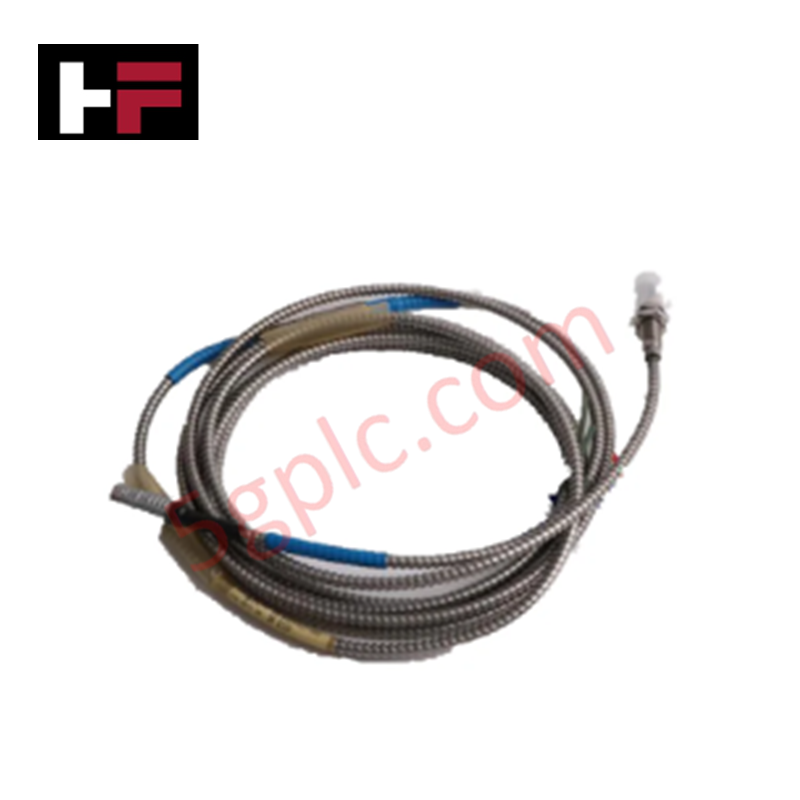
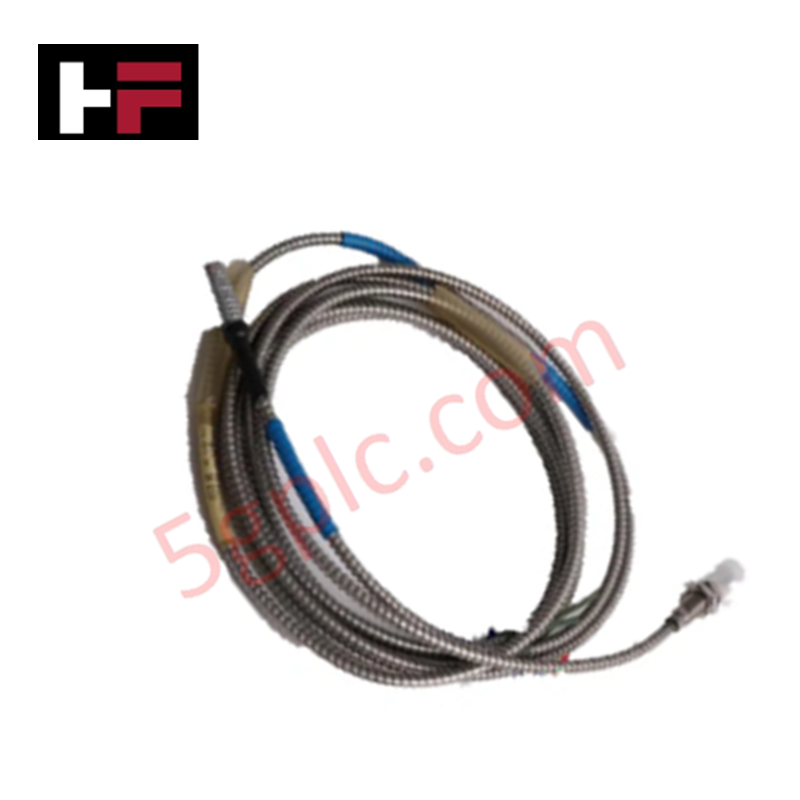
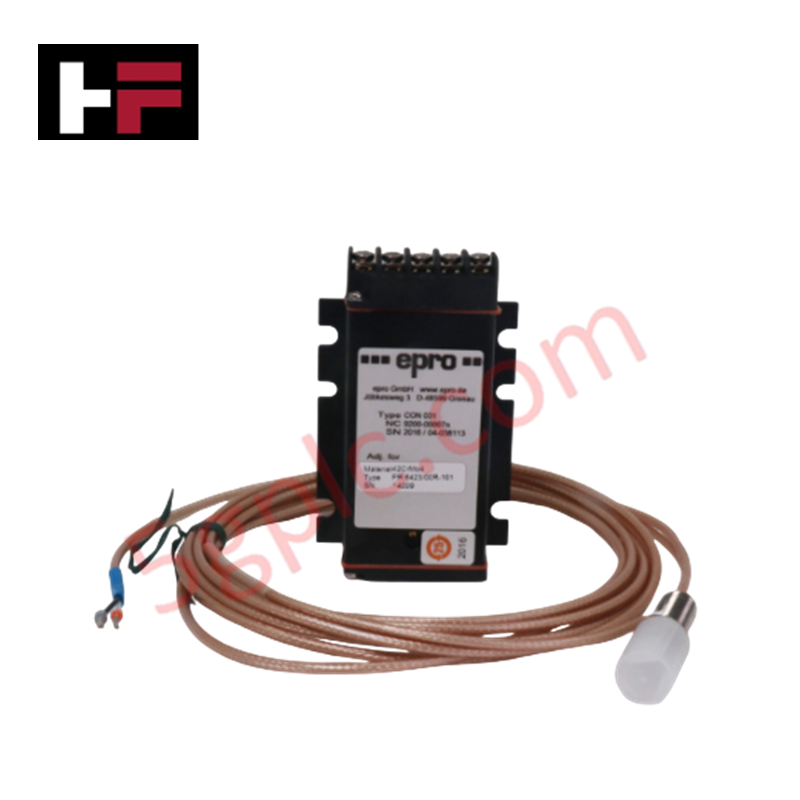
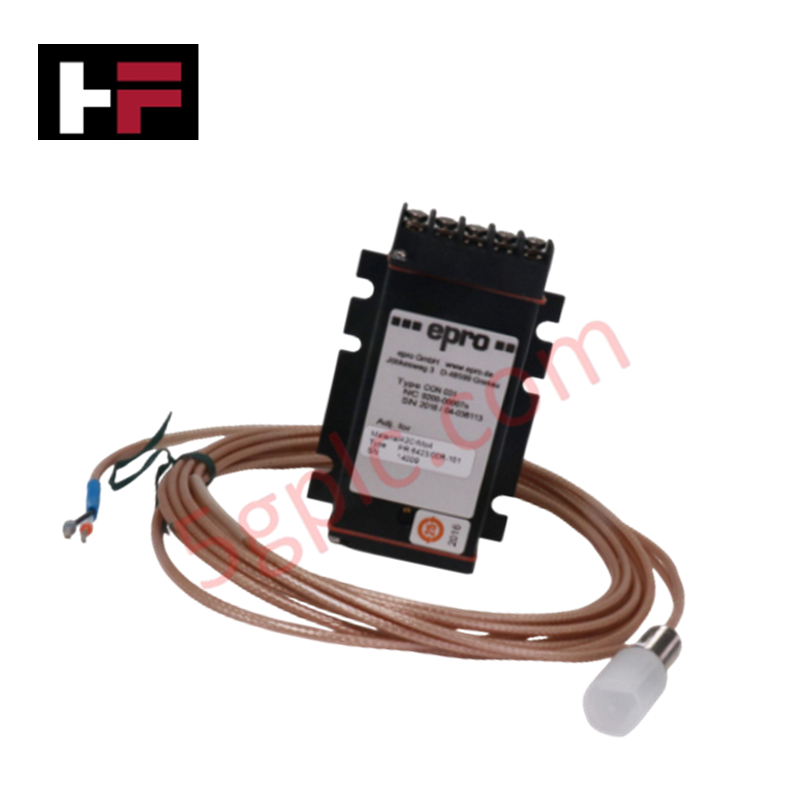
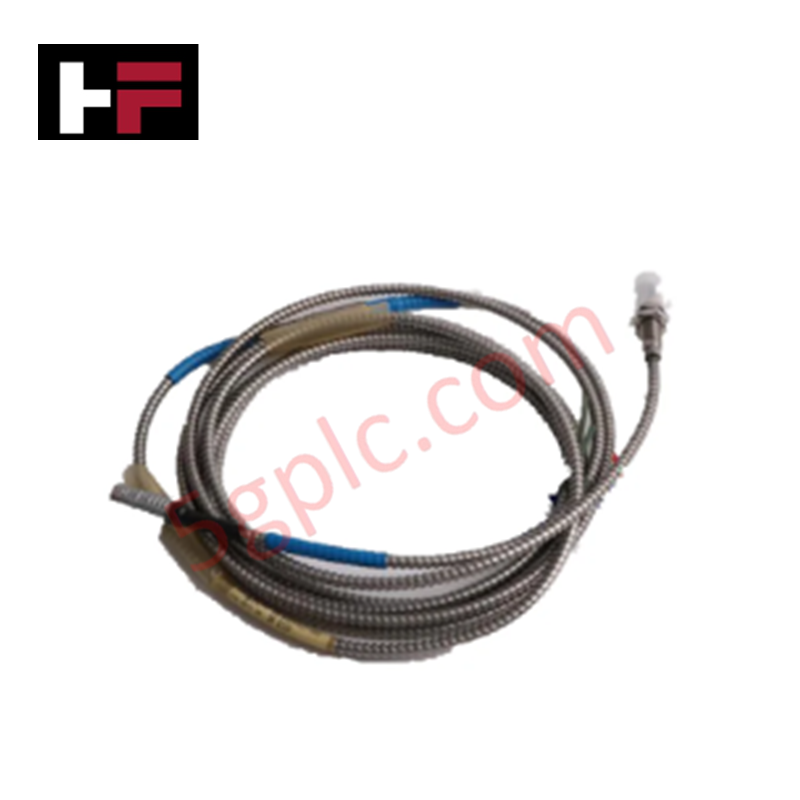
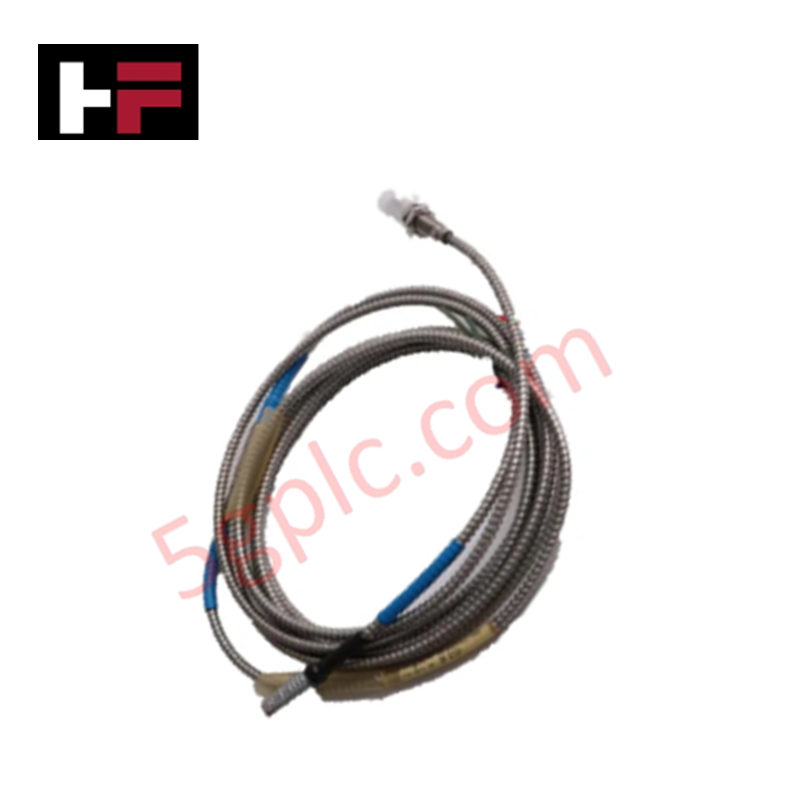
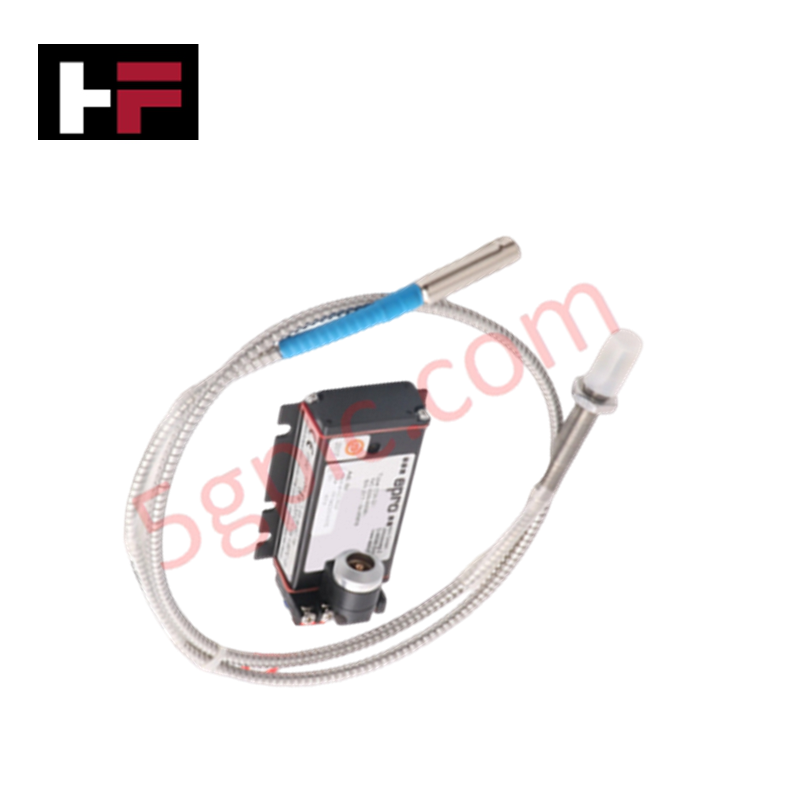
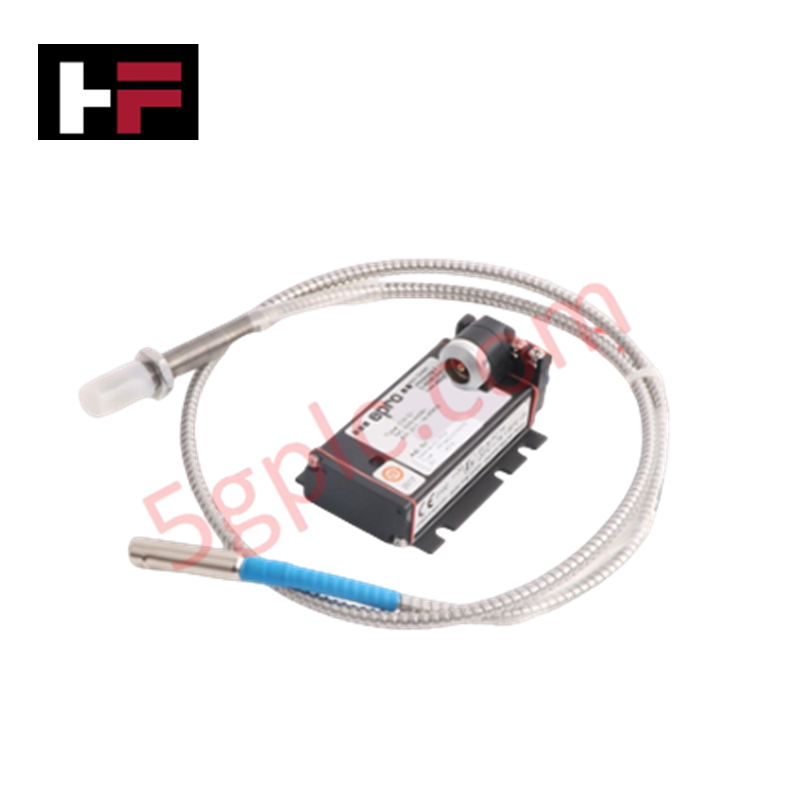
Configured for rotational displacement acquisition in MMS machinery monitoring platforms, the Emerson Epro PR9670/113-100 (PR9670/113-100) Eddy Current Sensor provides direct physical execution of non-contact shaft position and vibration sensing.
Hardware Specifications
| Parameter | Specification |
|---|---|
| Model | PR9670/113-100 |
| Brand | Emerson Epro |
| Origin | USA |
| Weight | Standard sensor weight |
| Dimensions | 31 cm x 26 cm x 8 cm |
| Operating Temp | Standard industrial range |
| Measurement Principle | Eddy current proximity |
| Compatibility | MMS 3000/6000 systems |
Mechanical Monitoring and TSI Characteristics
The PR9670/113-100 utilizes a ferromagnetic core to generate a concentrated electromagnetic field, allowing for high-resolution displacement tracking of rotating shafts. During installation, perform precise eddy-current probe scaling to align the sensor output with the specific shaft material and geometry. Maintain gap voltage validation against -10 VDC targets to ensure operation within the linear range of the probe's characteristic curve. The internal high-frequency excitation architecture provides effective cross-talk suppression, enabling high-density mounting configurations—such as those required in multi-point monitoring arrays—without signal distortion or inter-probe interference.
Frequently Asked Questions
Q: How does the shielded cable affect signal integrity in high-noise environments?
A: The integral shielded cable is designed to provide high noise immunity by minimizing electromagnetic interference coupling into the velocity or displacement signal path. Ensure the shield is properly terminated at the monitoring system's common ground to maintain this protection.
Q: Is the stainless steel housing suitable for chemically aggressive environments?
A: The stainless steel construction provides mechanical and chemical resistance against typical industrial environmental factors such as humidity and dust. However, ensure the cable entry point is correctly sealed if the sensor is to be deployed in environments with moisture or conductive particulate ingress.
Field Installation Guidelines
- Secure the sensor rigidly using the housing threads, ensuring the probe tip is perpendicular to the shaft target to prevent geometric measurement errors.
- Verify the initial air gap using a micrometer or feeler gauge, adjusting until the static gap voltage reaches the nominal -10 VDC target.
- Route the shielded cable through grounded metallic conduit, avoiding proximity to high-current AC motor drives or power cables to prevent induced noise.
- If mounting multiple sensors in a tight array, verify that excitation frequencies are decoupled to eliminate cross-talk.
- Perform a static gap simulation test during commissioning to verify the mapping of the measured vibration parameters to the output current/voltage values of the monitoring system.
Additional Information
- 100% Genuine Parts: All products are original and authentic, ensuring reliable industrial performance.
- 30-Day Refund Guarantee: Return any in-stock item within 30 days in original, unopened packaging for a full refund (excluding shipping and fees).
- 12-Month Warranty: Covers defects in materials or workmanship; excludes misuse, normal wear, or unauthorized modifications.
- Worldwide Shipping: We ship via USPS, UPS, FedEx, and DHL. Delivery times vary by country and may be subject to customs or import fees.
- Support & Contact: Technical and warranty assistance is available anytime. Contact us here: Contact.
- Purchase Guidance: Check product specifications and compatibility carefully before ordering to ensure proper application.




Tech & Buying Guide

Mastering the Siemens PLC Scan Cycle: How the CPU Executes Automation Programs
Industrial automation relies heavily on programmable logic controllers (PLCs) to manage complex manufacturing processes. Many engineers dive straight into programming without mastering the underlying architecture. However, understanding how a PLC CPU executes a program ensures reliable system design. Therefore, mastering the scan cycle optimizes both performance and troubleshooting in modern control systems.

How to Connect to Siemens S7 PLCs: 5 Essential Communication Methods
Establishing a reliable hardware link between a programming terminal and a Siemens SIMATIC controller is essential for engineering workflows. Field engineers rely on distinct physical layers, ranging from legacy serial connections to high-speed Industrial Ethernet protocols. Modern factory automation environments prioritize fast data transfer and seamless driver integration. Selecting the correct connection method simplifies program downloads, online monitoring, and system troubleshooting in complex control systems.

Will PLCs Become Obsolete? The Future of Control Systems in Industry 4.0
Modern manufacturing is undergoing a rapid technological transformation driven by Industry 4.0 innovations. Technologies like Artificial Intelligence (AI), Machine Learning (ML), and the Industrial Internet of Things (IIoT) are dominating discussions across the factory automation sector. Consequently, many engineers wonder if these advanced digital tools will eventually replace traditional Programmable Logic Controllers (PLCs). However, evaluating the core physics of industrial operations reveals a very different reality for control systems.