










Product Details
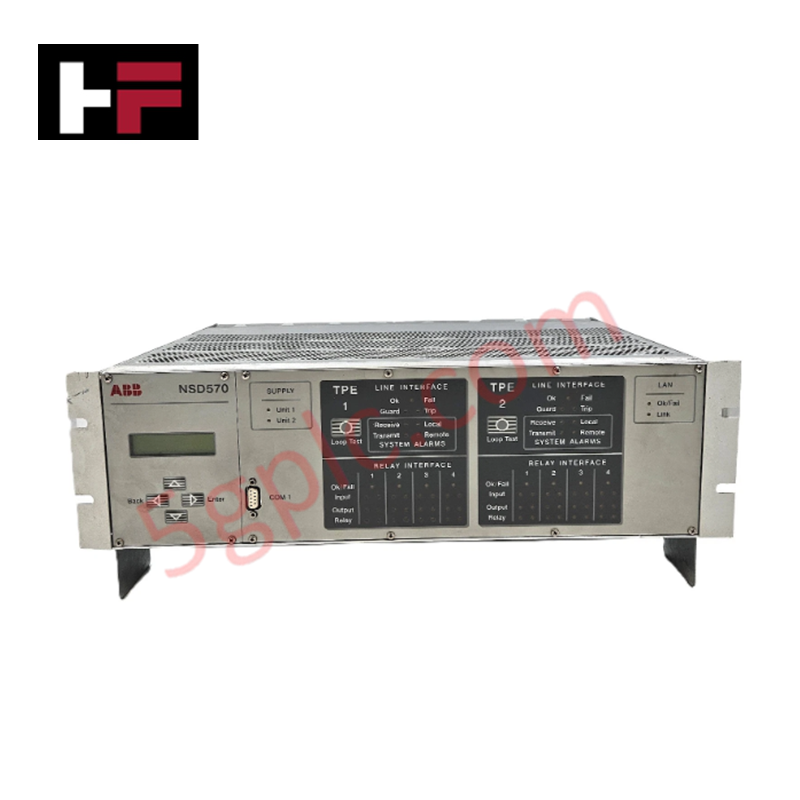
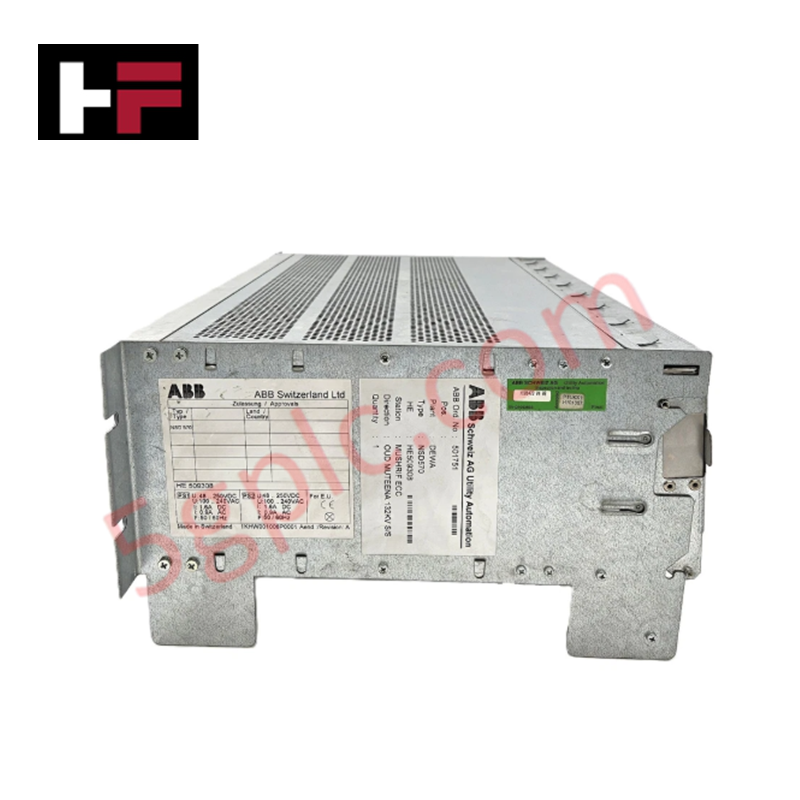
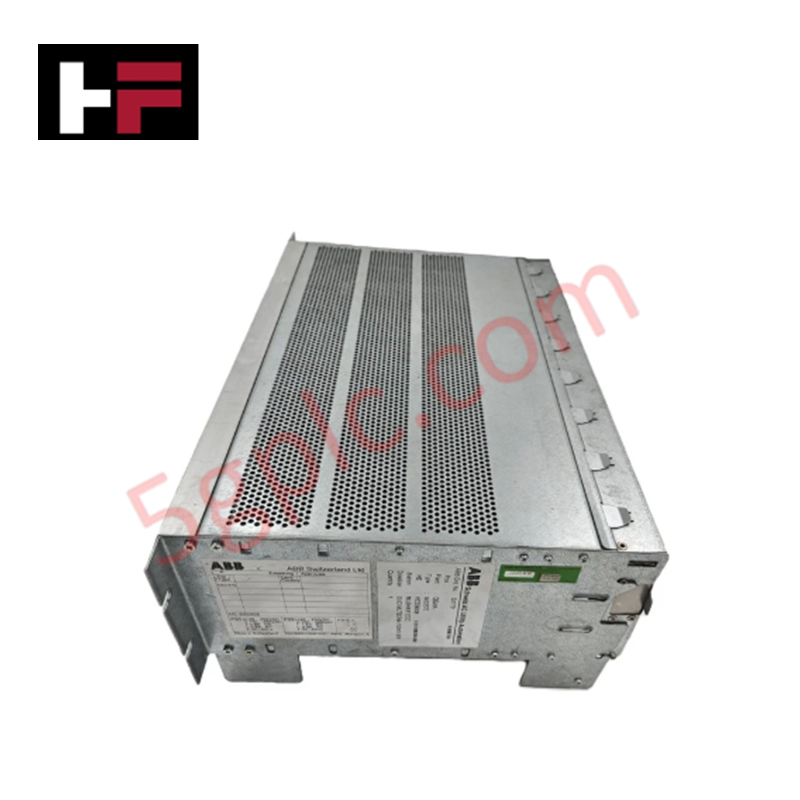
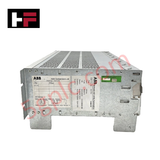
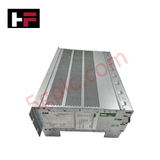
The ABB NSD 570, also cataloged as the NSD 570 Teleprotection Equipment, operates as a dedicated hardware component for high-speed protection command transmission within power transmission networks.
Hardware Specifications
| Parameter | Specification |
|---|---|
| Model | NSD 570 |
| Brand | ABB |
| Origin | Sweden |
| Weight | 1.5 kg |
| Dimensions | 27.8 cm x 19.5 cm x 6.0 cm |
| Operating Temp | -40 to +70 deg C |
| Power Consumption | Station bus standard matching power consumption profile |
| Product Type | Teleprotection Equipment |
| Communication Interfaces | Ethernet, optional optical interface (SFP) |
| Protection Commands | Up to 8 independent simultaneous commands |
| Communication Protocols | IEC 61850 GOOSE messaging |
I/O Density Scaling and Backplane Bus Communications
The ABB NSD 570 integrates direct physical protection loop processing with local substation automation networks. The module supports I/O density scaling options through configurable command profiles allowing blocking, permissive, or direct tripping structures without degrading transmission latencies. This digital signal management structure maintains high-performance communication across internal data links, satisfying strict backplane bus communication velocity metrics while running embedded operation channels (EOC). The network boundary execution logic provides structural security and ensures total firmware flash compatibility when exchanging digital GOOSE messages across traditional electrical substations and modern optical platforms.
Frequently Asked Questions
Q: How does the NSD 570 handle internal module configuration or firmware flash compatibility upgrades during active deployment?
A: Substation network separation must be enforced before attempting logic re-configuration or flash modifications. The embedded operation channel allows remote parameter adjustments, but safety-critical tripping logic requires localized command verification to avoid unintentional circuit breaker activation.
Q: Can the network backplane bus interface withstand hot-swap actions under power?
A: No. Removing or inserting the processing module while connected to active station terminal power rails introduces electrical transients that risk damaging the physical line interface cards. The system power input must be isolated before any physical card extraction.
Field Installation Guidelines
- Mount the chassis on a grounded 19-inch subrack or equivalent stationary framework, ensuring mechanical anchor points are torqued down.
- Terminate the Ethernet or SFP optical fiber interface cables into their respective port housings, observing minimum bend radius limits to prevent signal attenuation.
- Establish a low-impedance connection from the module chassis grounding terminal directly to the main substation copper ground bar to optimize noise suppression.
- Separate low-voltage protection signal wiring from heavy current primary control loops to minimize industrial electromagnetic induction.
Additional Information
- 100% Genuine Parts: All products are original and authentic, ensuring reliable industrial performance.
- 30-Day Refund Guarantee: Return any in-stock item within 30 days in original, unopened packaging for a full refund (excluding shipping and fees).
- 12-Month Warranty: Covers defects in materials or workmanship; excludes misuse, normal wear, or unauthorized modifications.
- Worldwide Shipping: We ship via USPS, UPS, FedEx, and DHL. Delivery times vary by country and may be subject to customs or import fees.
- Support & Contact: Technical and warranty assistance is available anytime. Contact us here: Contact.
- Purchase Guidance: Check product specifications and compatibility carefully before ordering to ensure proper application.






Tech & Buying Guide

Demystifying the DDE Protocol in Legacy Industrial Automation Systems
Modern control systems rely heavily on seamless interprocess communication to exchange operational data between software programs. Microsoft first introduced the Dynamic Data Exchange (DDE) protocol in 1987 to enable real-time data sharing. In factory automation, DDE served as an early bridge between control software and Windows desktop applications. Therefore, understanding DDE mechanics provides crucial insights into how legacy industrial networks established software-level connectivity.

Demystifying CPU Communication Ports in Siemens PLC Architectures
Industrial automation relies heavily on robust data exchange between devices. Without seamless connectivity, field instruments, network switches, human-machine interfaces, and programmable logic controllers cannot coordinate effectively. Therefore, understanding the various CPU communication ports available in Siemens hardware ensures efficient factory automation design and seamless system integration.

Mastering the Siemens PLC Scan Cycle: How the CPU Executes Automation Programs
Industrial automation relies heavily on programmable logic controllers (PLCs) to manage complex manufacturing processes. Many engineers dive straight into programming without mastering the underlying architecture. However, understanding how a PLC CPU executes a program ensures reliable system design. Therefore, mastering the scan cycle optimizes both performance and troubleshooting in modern control systems.