










Product Details
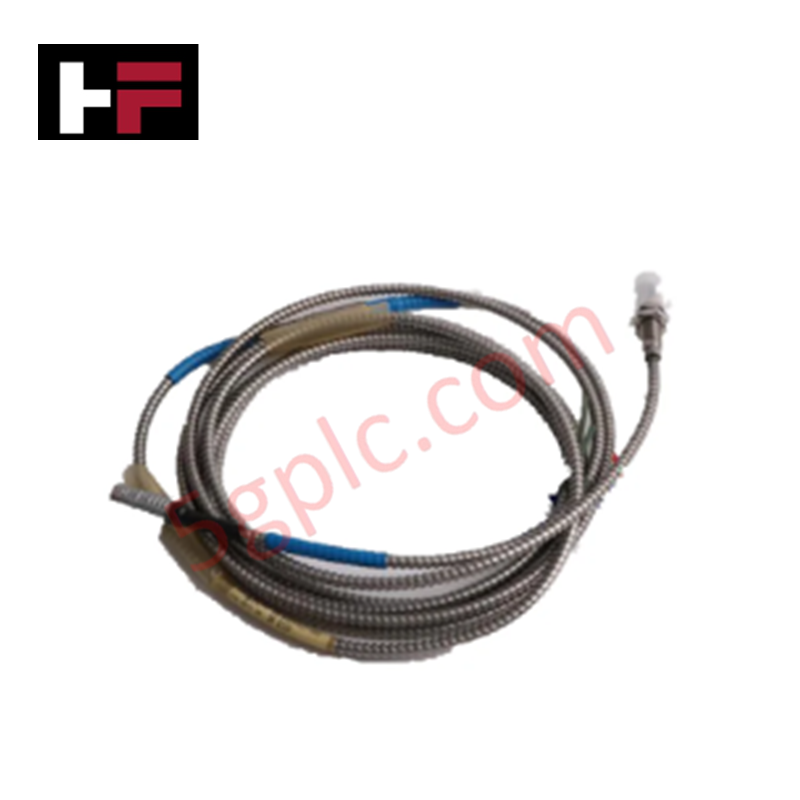
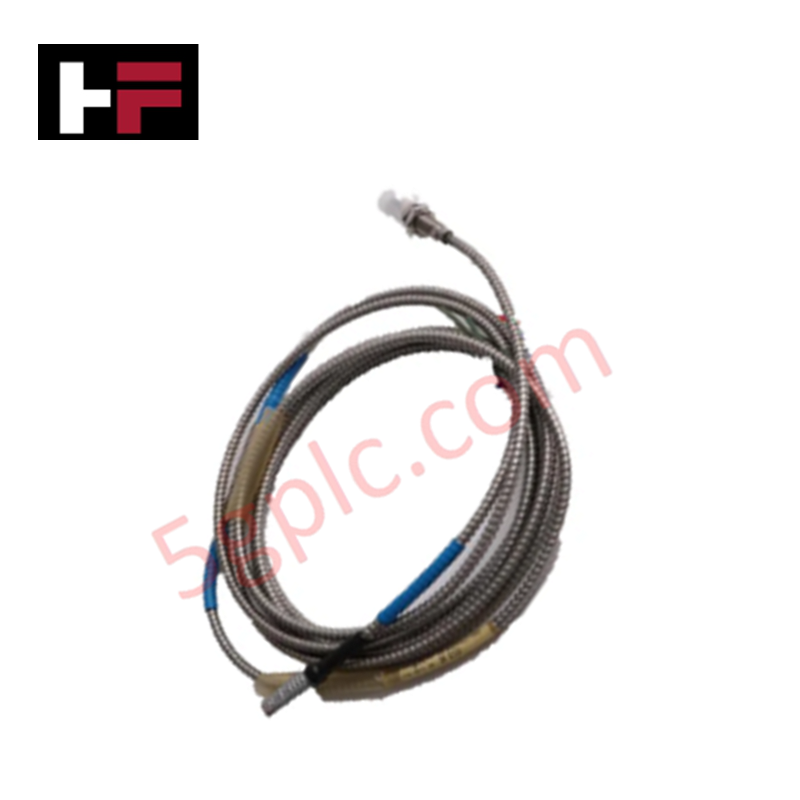
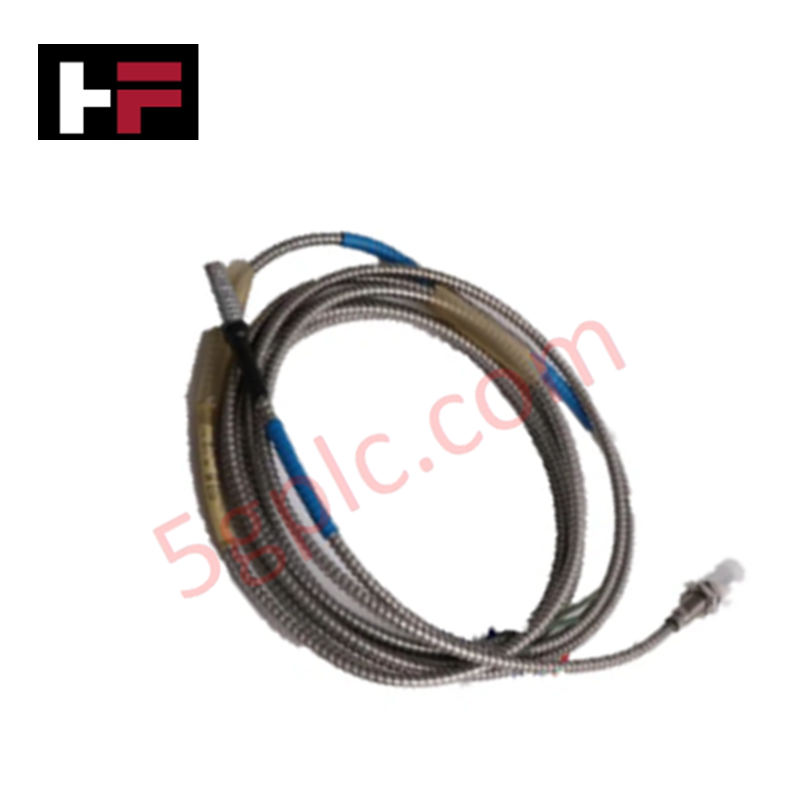
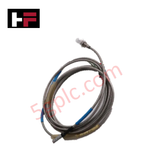
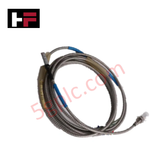
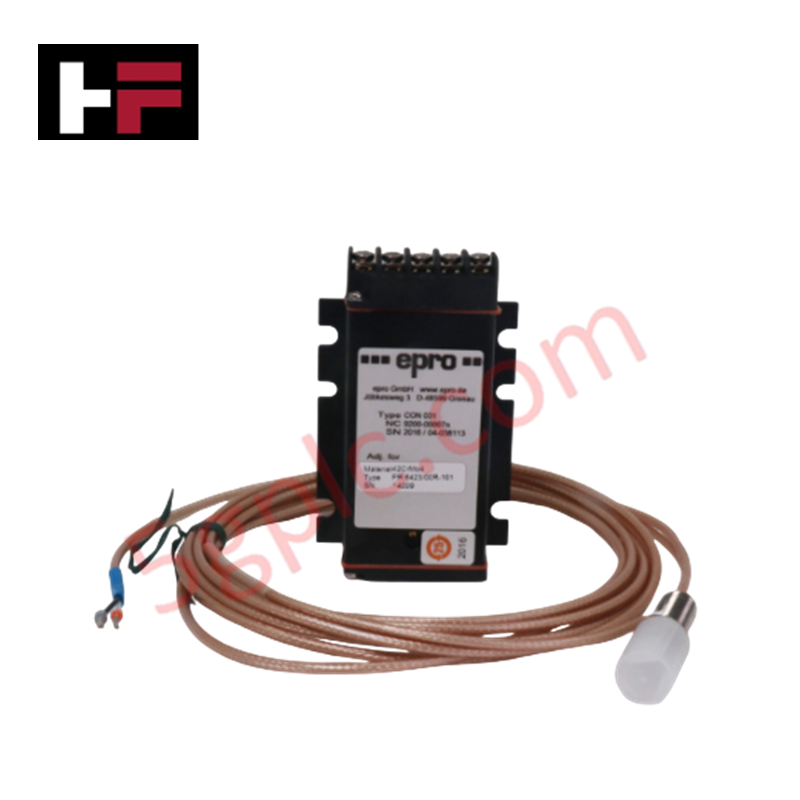
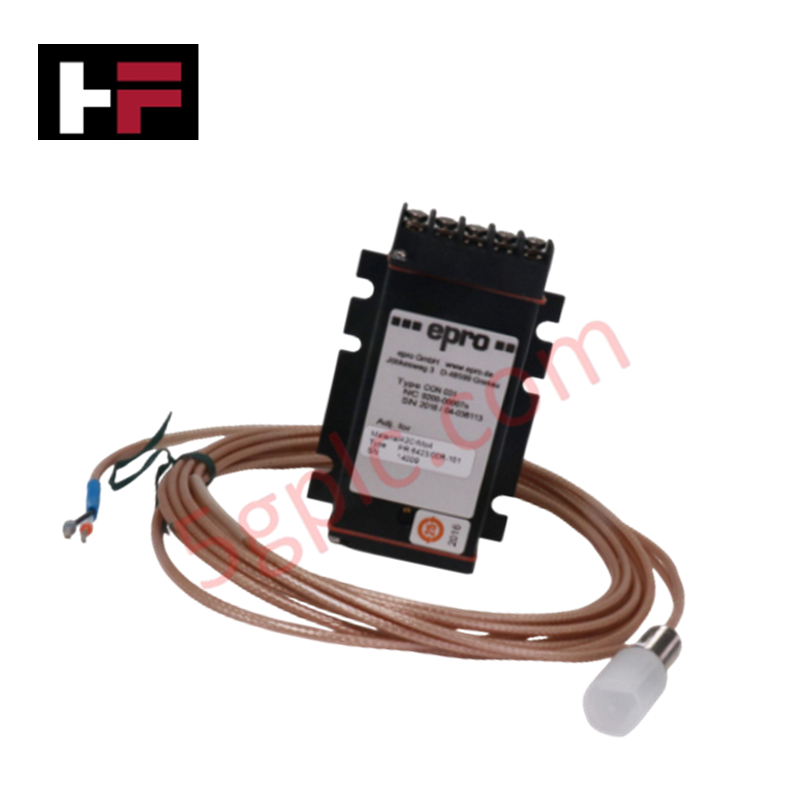
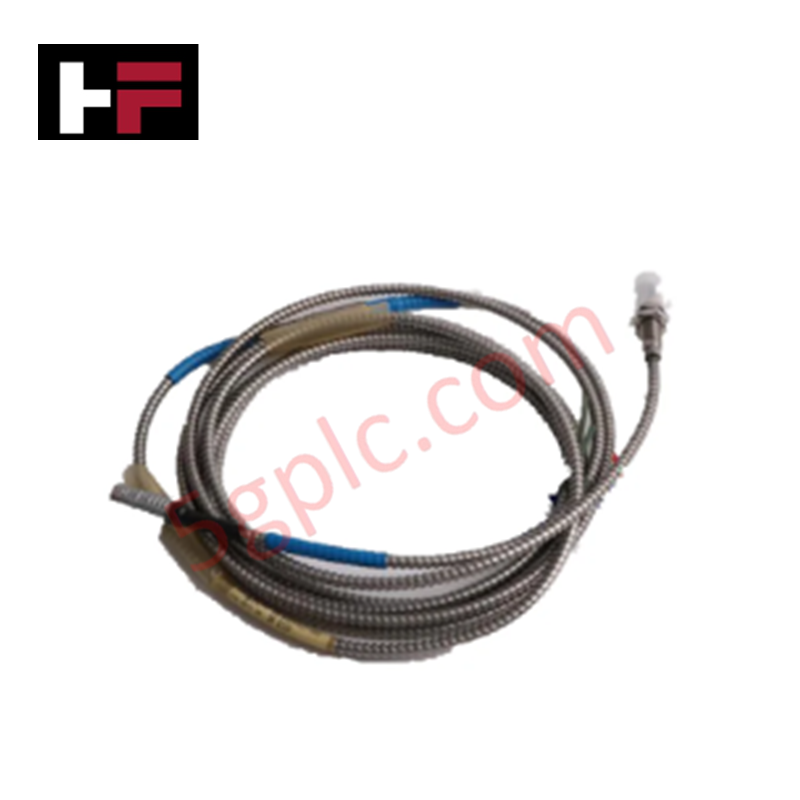
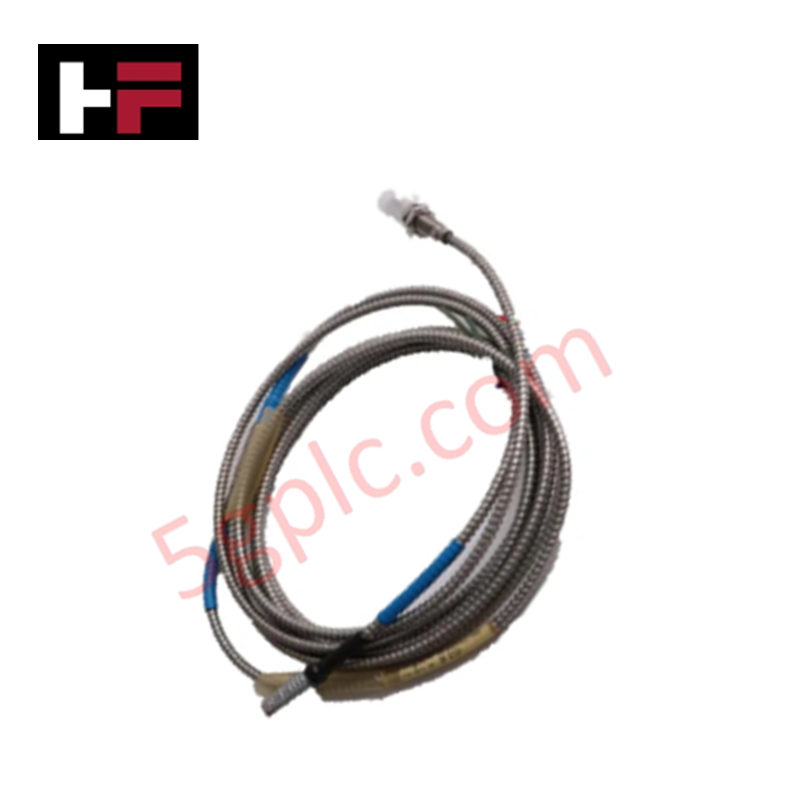
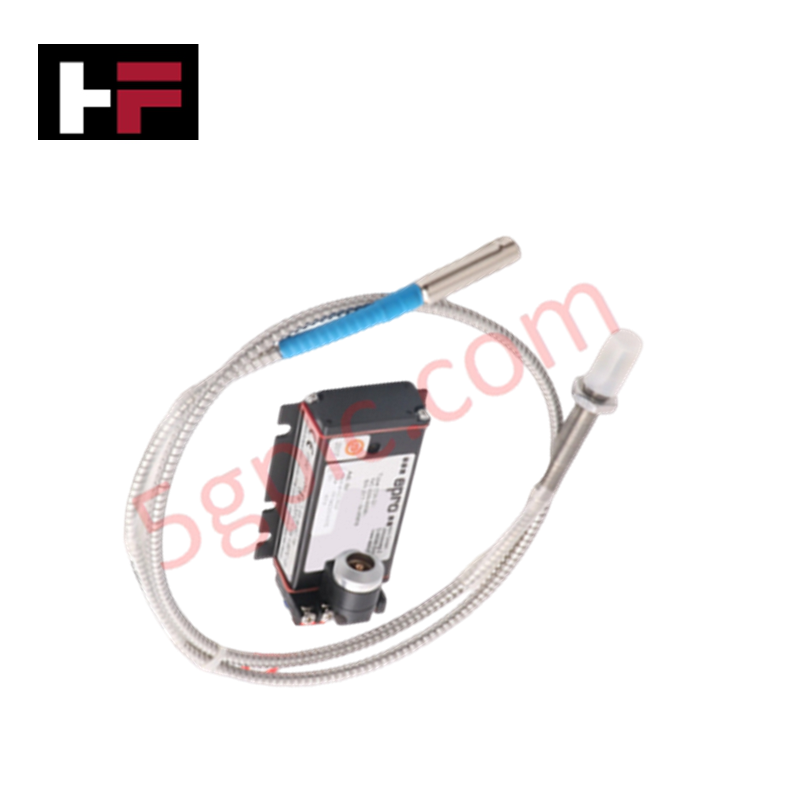
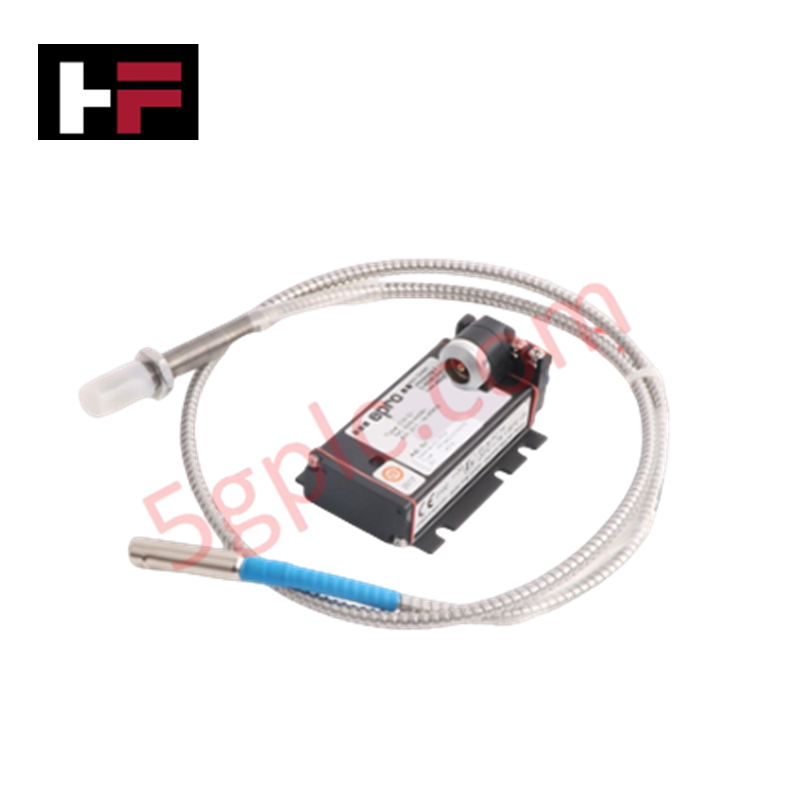
Configured for shaft displacement monitoring in rotating machinery, the Emerson EPRO PR6426/010-000 (PR6426/010-000) Eddy Current Displacement Sensor provides direct electrical execution of eddy-current-based proximity detection.
Hardware Specifications
| Parameter | Specification |
|---|---|
| Model | PR6426/010-000 |
| Brand | Emerson EPRO |
| Weight | 0.8 kg |
| Dimensions | 32 mm head diameter |
| Operating Temp | -35 deg C to +180 deg C |
| Power Consumption | Not specified |
| Sensitivity | 2 V/mm |
| Linear Range | +/- 4.0 mm |
Mechanical Monitoring and TSI Characteristics
The PR6426/010-000 operates via high-frequency electromagnetic induction to measure the relative position and vibration of conductive, ferromagnetic target surfaces such as 42CrMo4 steel. Precise rotor dynamics analysis requires rigorous eddy-current probe scaling to ensure the displacement output reflects the actual physical gap. During commissioning, gap voltage validation must be performed against the nominal 5.5 mm target to confirm the sensor is centered within its linear operating range. To maintain measurement integrity, cross-talk suppression must be implemented in multi-sensor TSI configurations by maintaining adequate spacing between probe tips, preventing frequency-domain interference in the associated signal conditioning modules.
Frequently Asked Questions
Q: Can the sensor withstand exposure to high-pressure environments?
A: Yes. The mechanical design is optimized for high-pressure operation; however, ensure the mounting flange and sealing surfaces are prepared to meet the installation pressure rating. Improper sealing may compromise the integrity of the pressure boundary.
Q: How does target material affect the 2 V/mm sensitivity?
A: The sensor sensitivity is calibrated for ferromagnetic materials. The use of non-ferromagnetic alloys or specialized coatings will alter the magnetic reluctance, resulting in a non-linear output. Recalibration using a material-specific sensitivity curve is required for targets outside the nominal ferromagnetic specification.
Field Installation Guidelines
- Ensure the probe is mounted in a rigid, vibration-isolated bracket; mechanical resonance of the bracket will be interpreted by the TSI system as shaft displacement.
- Verify the 5.5 mm nominal air gap using a calibrated spacer or micrometer; output voltage must be verified against the design specification at the static installation position.
- Terminate the LEMO connector and shielded cabling to the signal conditioner, ensuring the shield is connected to the instrument ground to prevent electromagnetic interference.
- Route signal cabling through grounded metallic conduit, keeping the lead away from high-current AC cabling to avoid magnetic noise induction.
- Confirm the probe tip is perpendicular to the shaft surface; any tilt or angular misalignment will introduce non-linearities in the displacement measurement.
Additional Information
- 100% Genuine Parts: All products are original and authentic, ensuring reliable industrial performance.
- 30-Day Refund Guarantee: Return any in-stock item within 30 days in original, unopened packaging for a full refund (excluding shipping and fees).
- 12-Month Warranty: Covers defects in materials or workmanship; excludes misuse, normal wear, or unauthorized modifications.
- Worldwide Shipping: We ship via USPS, UPS, FedEx, and DHL. Delivery times vary by country and may be subject to customs or import fees.
- Support & Contact: Technical and warranty assistance is available anytime. Contact us here: Contact.
- Purchase Guidance: Check product specifications and compatibility carefully before ordering to ensure proper application.




Tech & Buying Guide

Mastering the Siemens PLC Scan Cycle: How the CPU Executes Automation Programs
Industrial automation relies heavily on programmable logic controllers (PLCs) to manage complex manufacturing processes. Many engineers dive straight into programming without mastering the underlying architecture. However, understanding how a PLC CPU executes a program ensures reliable system design. Therefore, mastering the scan cycle optimizes both performance and troubleshooting in modern control systems.

How to Connect to Siemens S7 PLCs: 5 Essential Communication Methods
Establishing a reliable hardware link between a programming terminal and a Siemens SIMATIC controller is essential for engineering workflows. Field engineers rely on distinct physical layers, ranging from legacy serial connections to high-speed Industrial Ethernet protocols. Modern factory automation environments prioritize fast data transfer and seamless driver integration. Selecting the correct connection method simplifies program downloads, online monitoring, and system troubleshooting in complex control systems.

Will PLCs Become Obsolete? The Future of Control Systems in Industry 4.0
Modern manufacturing is undergoing a rapid technological transformation driven by Industry 4.0 innovations. Technologies like Artificial Intelligence (AI), Machine Learning (ML), and the Industrial Internet of Things (IIoT) are dominating discussions across the factory automation sector. Consequently, many engineers wonder if these advanced digital tools will eventually replace traditional Programmable Logic Controllers (PLCs). However, evaluating the core physics of industrial operations reveals a very different reality for control systems.