








Product Details
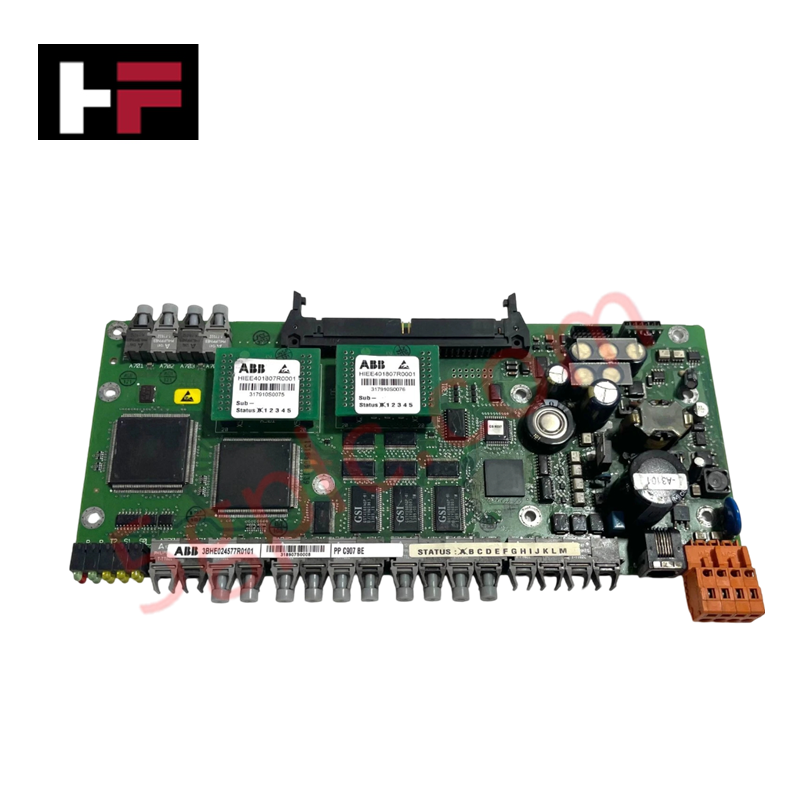
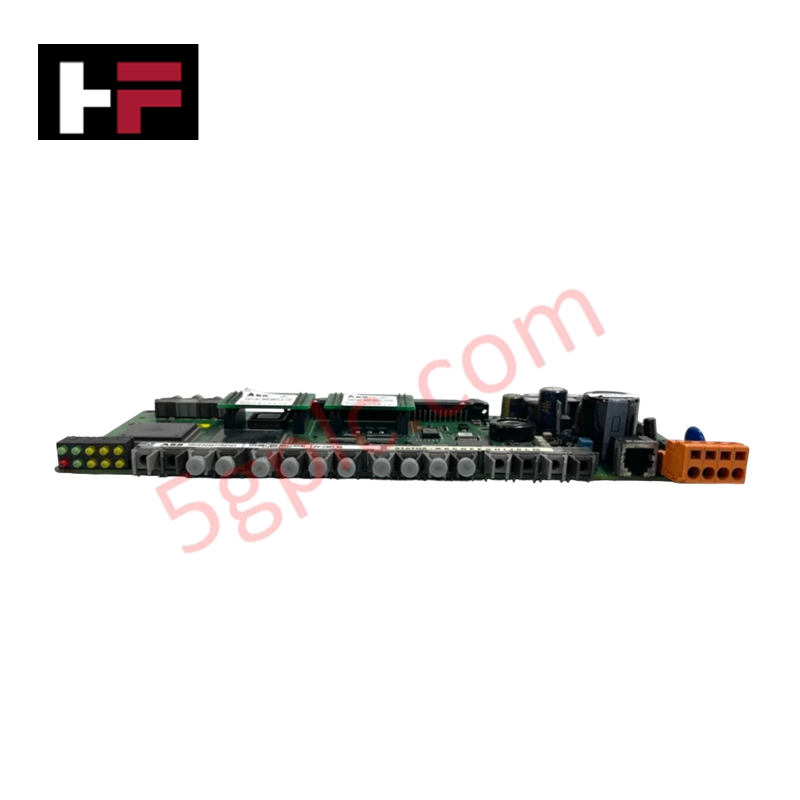
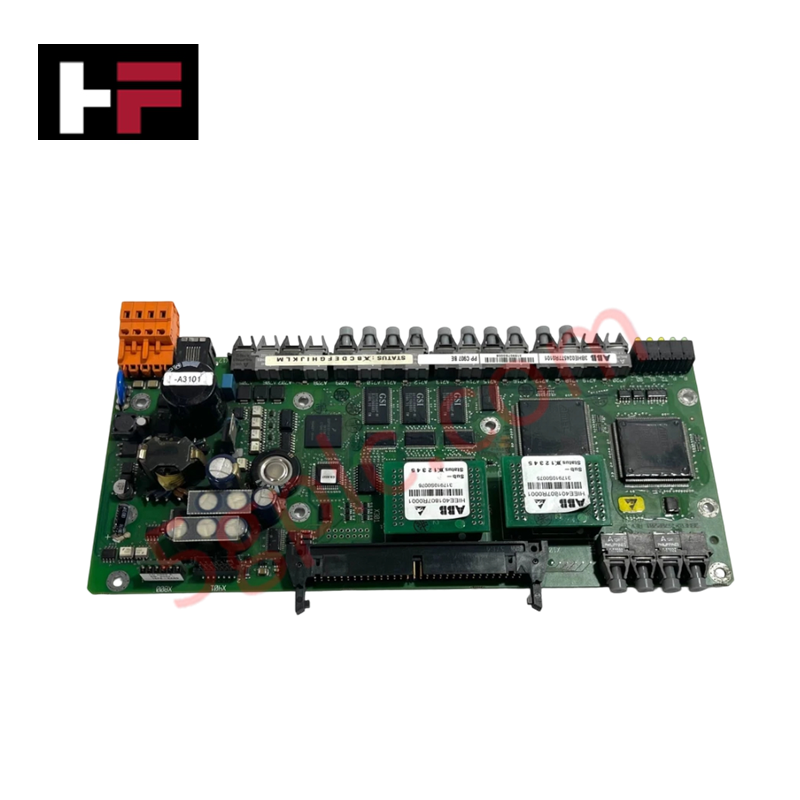
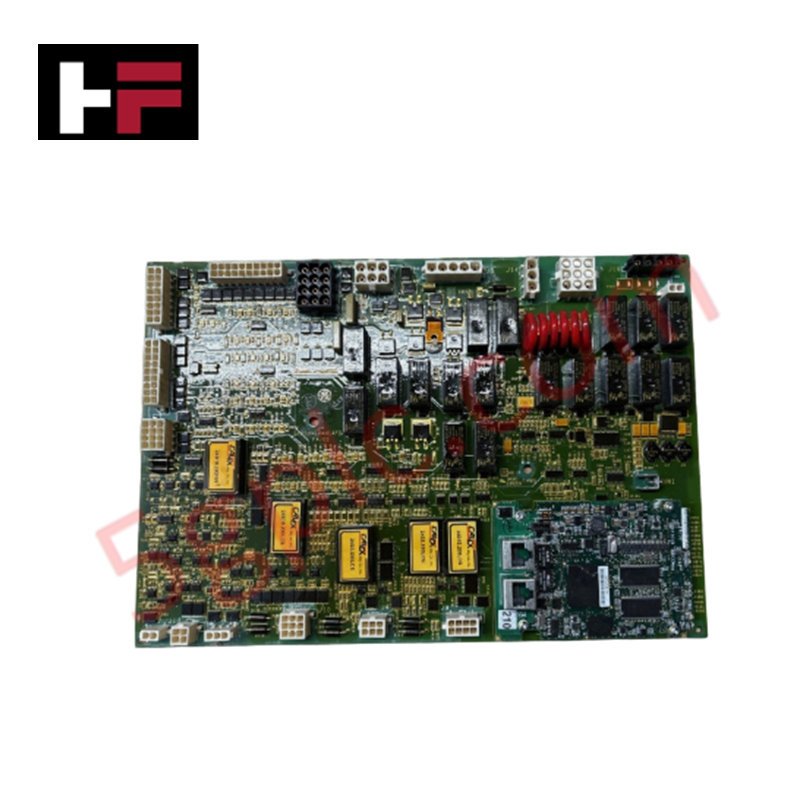
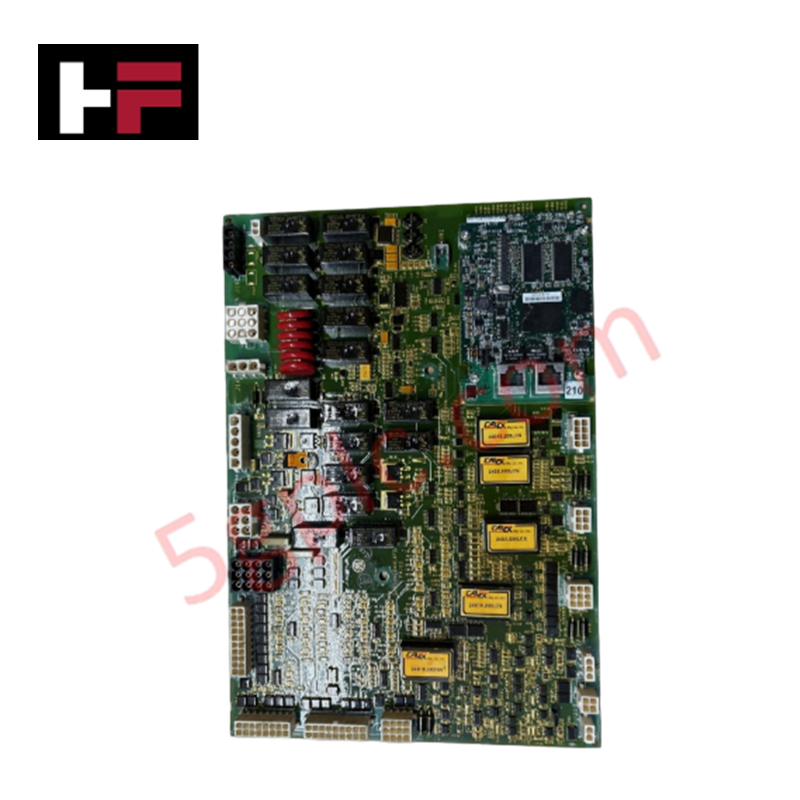
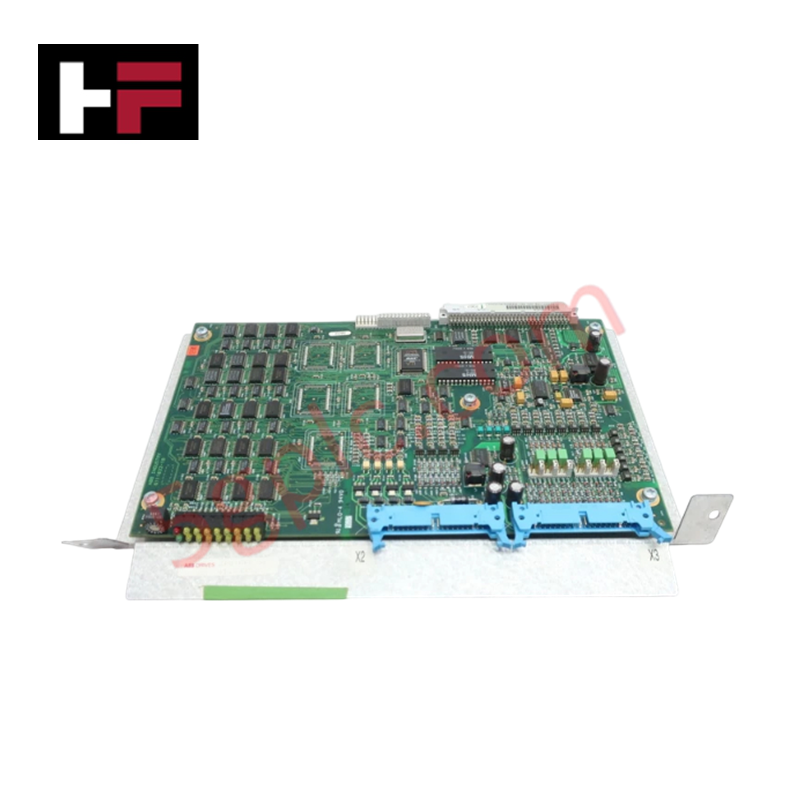
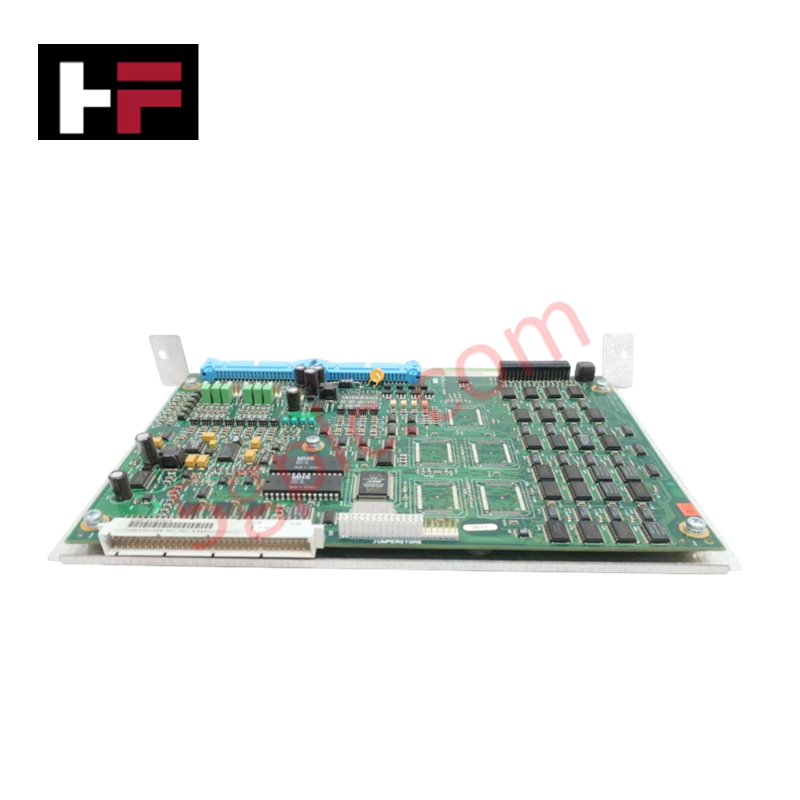
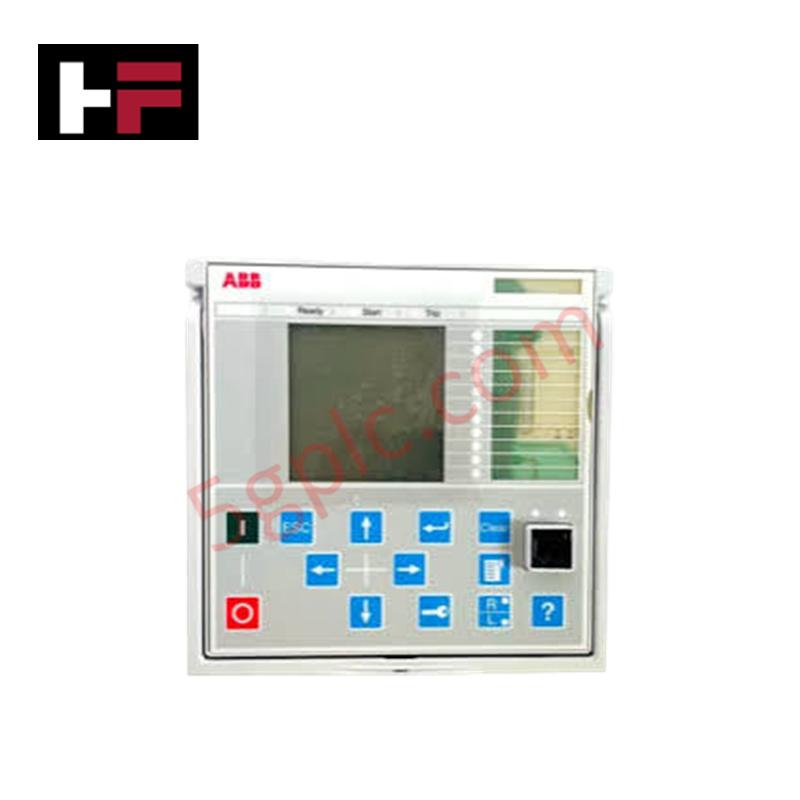
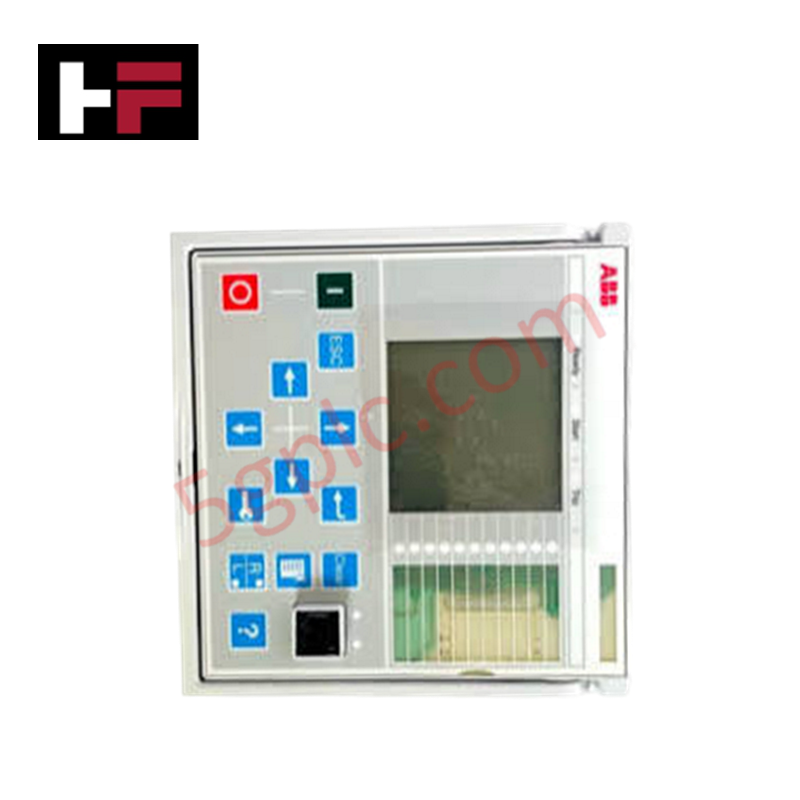
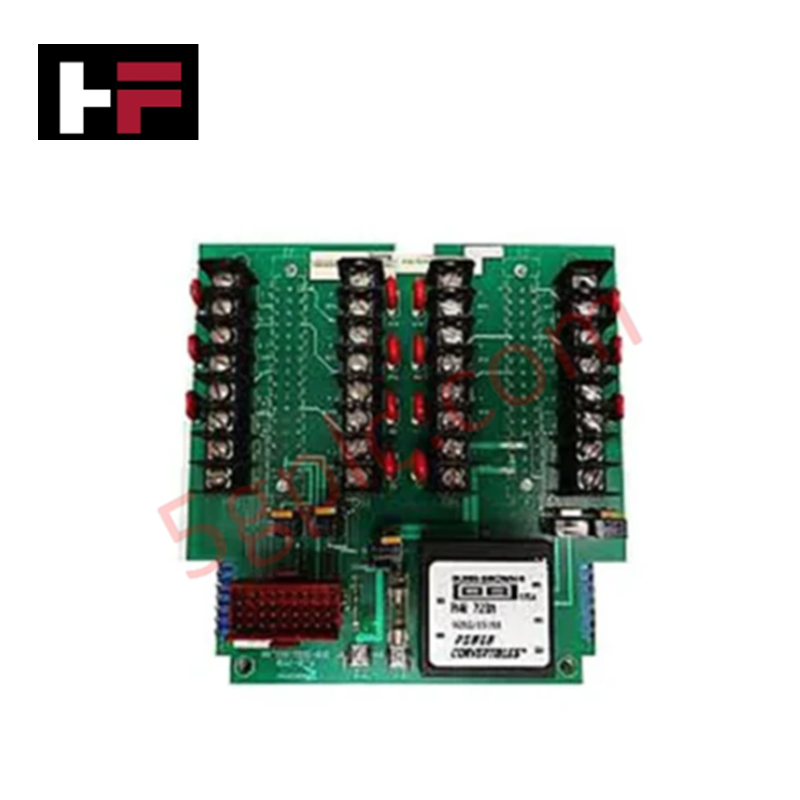
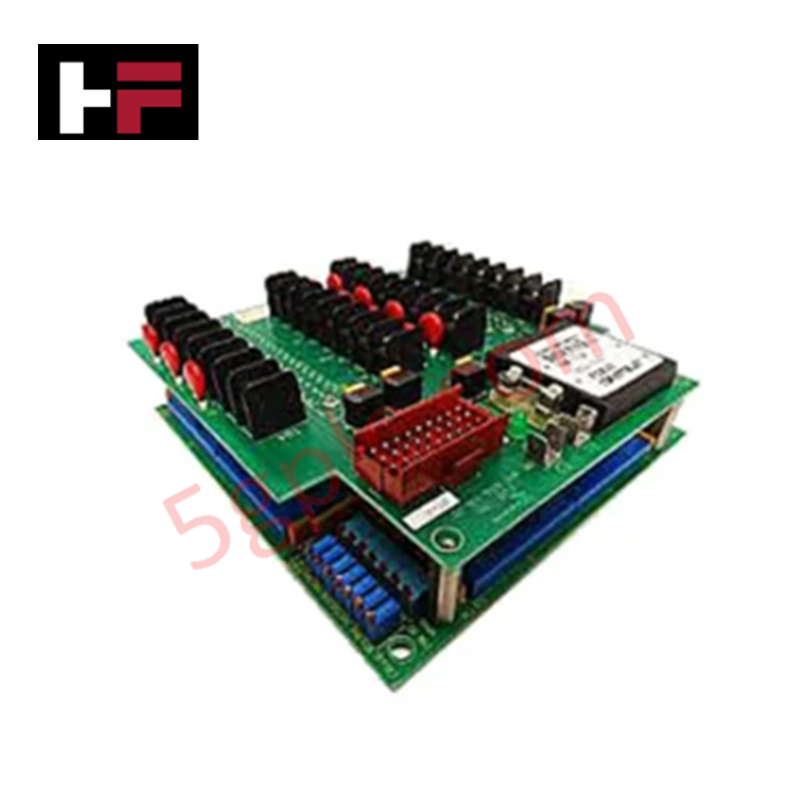
The ABB PPC907BE 3BHE02457R0101, also cataloged as the PPC907BE Control Board, operates as a dedicated hardware component for drive control execution within ACS2000 Medium Voltage Drive systems. Configured for structural integration with ACS2000 frames 1, 2, and 3, the hardware performs low-voltage gate logic execution and drive status validation under a local 24 V DC power bus. It directly monitors phase metrics and handles runtime diagnostic data communication between the high-voltage power inverter components and upstream automation control networks.
Hardware Specifications
| Parameter | Specification |
|---|---|
| Model | PPC907BE 3BHE02457R0101 |
| Brand | ABB |
| Origin | Switzerland |
| Weight | 0.87 kg |
| Dimensions | 450 mm x 145 mm x 100 mm |
| Operating Temp | -20 to +60 deg C |
| Power Consumption | 20 W |
| System Voltage Rating | 4 kV (Medium Voltage Side) |
| Working Voltage | 24 V DC |
| Frame Compatibility | ACS2000 Frames 1, 2, and 3 |
| Communication Interfaces | Ethernet, CANopen, PROFIBUS |
| Installation Method | DIN rail installation |
Profinet / EtherNet/IP Deterministic Networks and Firmware Flash Compatibility
The processing core regulates variable frequency switching algorithms synced with external bus clock signals. Prior to installation within Profinet / EtherNet/IP deterministic networks, system engineers must verify firm flash compatibility across all connected communication interfaces. A firmware mismatch between the control board and peripheral interface blocks introduces timing delays onto the CANopen or PROFIBUS links, degrading synchronous motor control execution cycles and causing overcurrent faults in the 4 kV inverter segment.
Frequently Asked Questions
Q: What are the specific hot-swap limitations of the PPC907BE control board?
A: This control board cannot be extracted or inserted while the drive is energized. The 24 V DC working voltage and all associated control signals must be completely disconnected to prevent transient bus damage and unaligned logic states at startup.
Q: How is galvanic isolation maintained between the low-voltage control circuits and the 4 kV medium voltage frame?
A: The board relies on optical isolation interfaces and physical spatial boundaries built into the drive topology, isolating the 24 V DC processing electronics from high-voltage transients.
Q: Does a change in the active communication protocol require manual hardware modifications?
A: Protocol adjustment between Ethernet, CANopen, and PROFIBUS is managed entirely via the firmware configuration blocks and proper bus selection terminals; no internal physical hardware trace changes are necessary.
Field Installation Guidelines
Mount the unit horizontally on a verified, grounded DIN rail assembly inside a sealed, non-condensing control cabinet environment. Route all low-voltage control lines, Ethernet cables, and serial communication paths through separate, shielded wireways away from high-power phase cables to prevent inductive noise injection. Secure all field connection terminal screws to the factory-specified torque setting to maintain electrical continuity against standard industrial vibration profiles. Ensure that the -20 to +60 deg C operating temperature window is maintained through clear convective spacing around the 450 mm x 145 mm x 100 mm card volume.
Additional Information
- 100% Genuine Parts: All products are original and authentic, ensuring reliable industrial performance.
- 30-Day Refund Guarantee: Return any in-stock item within 30 days in original, unopened packaging for a full refund (excluding shipping and fees).
- 12-Month Warranty: Covers defects in materials or workmanship; excludes misuse, normal wear, or unauthorized modifications.
- Worldwide Shipping: We ship via USPS, UPS, FedEx, and DHL. Delivery times vary by country and may be subject to customs or import fees.
- Support & Contact: Technical and warranty assistance is available anytime. Contact us here: Contact.
- Purchase Guidance: Check product specifications and compatibility carefully before ordering to ensure proper application.
Tech & Buying Guide

Batch vs Continuous Processing in Industrial Automation: Architectural Strategies for Control Engineers
Selecting the proper control architecture remains a pivotal decision when designing industrial automation systems. Automation engineers must evaluate whether a batch or continuous process model best fits their production requirements. This fundamental choice influences PLC and DCS programming, hardware redundancy, sensor selection, and overall factory automation layouts.

Demystifying Signal Isolators: Operating Principles, Architectural Types, and Industrial Applications
Industrial automation systems rely on pristine analog signal transmission across complex control loops. Instrument technicians and system integrators frequently deploy signal isolators to maintain signal integrity between field sensors and control platforms. Eliminating electrical noise, ground loops, and high-voltage transients protects delicate PLC, DCS, and SCADA input channels from permanent damage.
Demystifying Industrial Control Systems: Comparing PLC, DCS, RTU, SCADA, and PAC
Modern factory automation relies on distinct control architectures to manage complex process environments efficiently. Control engineers often evaluate PLC, DCS, RTU, SCADA, and PAC platforms when designing industrial infrastructure. Understanding the functional boundaries of each technology ensures optimal system performance, high availability, and long-term cost efficiency.