











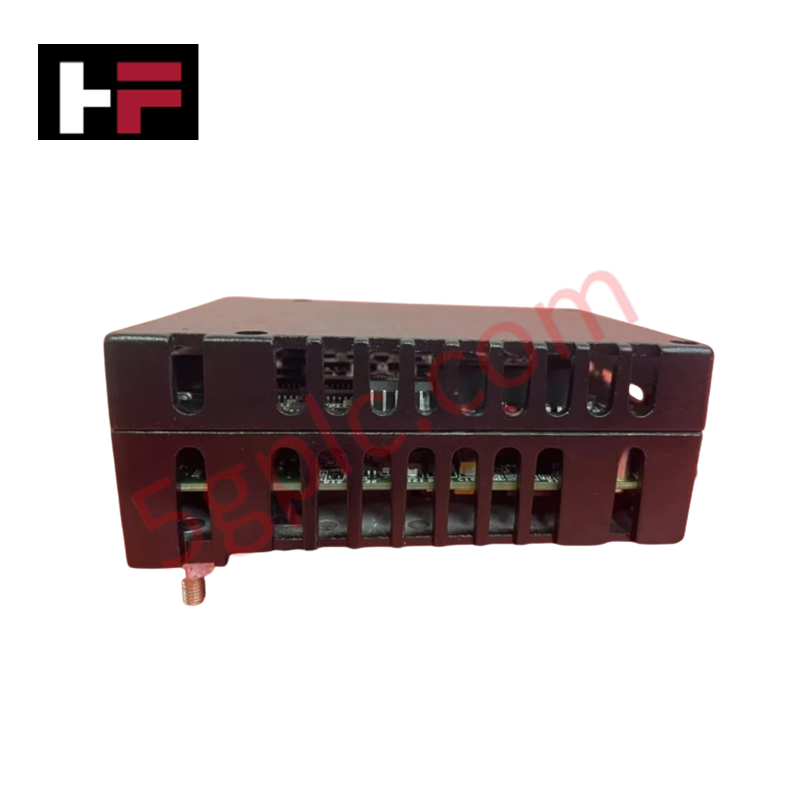
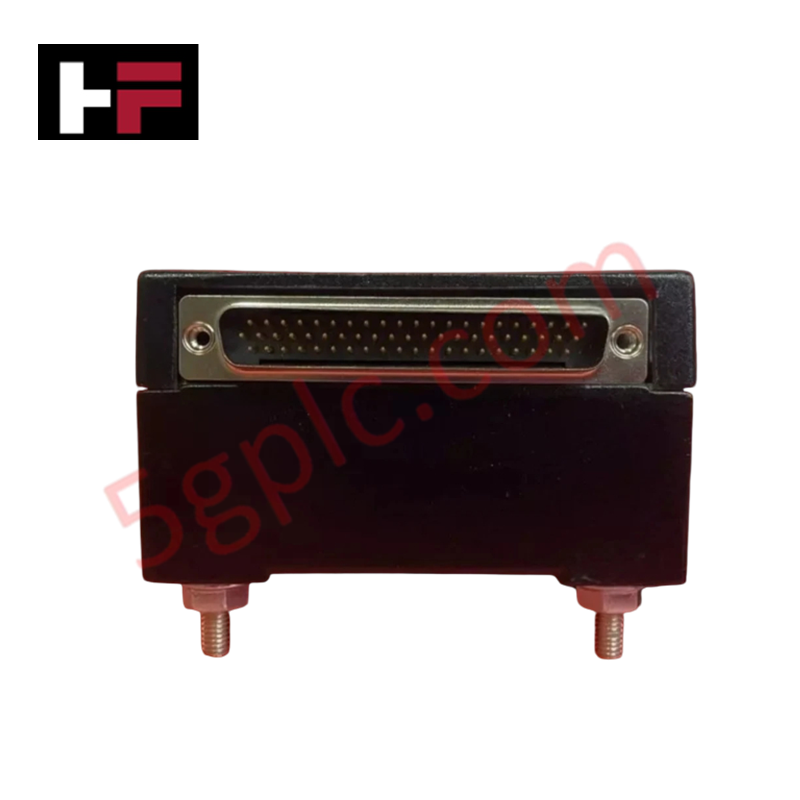

Product Details
Configured for independent turbine safety and overspeed monitoring in Mark VIe architectures, the GE IS220PPROH1A (IS220PPROH1A Backup Turbine Protection I/O pack) provides direct physical and electrical execution of emergency trip logic and synchronization validation.
Hardware Specifications
| Parameter | Specification |
|---|---|
| Model | IS220PPROH1A |
| Brand | General Electric |
| Origin | USA |
| Weight | Standard I/O pack weight |
| Dimensions | Mark VIe standard module form factor |
| Operating Temp | Industrial rated range |
| Power Consumption | System-bus dependent |
| I/O Type | Backup Turbine Protection (PPRO) |
| Communication | Ethernet (IONet) |
High-Reliability Safety Control (SIS)
The IS220PPROH1A is engineered for integration within high-reliability safety systems, supporting triple modular redundancy (TMR) 2oo3 architecture to ensure continuous turbine protection. By functioning as an independent watchdog for the primary control, the module provides a critical fail-safe state execution path during emergency conditions. The system utilizes galvanic isolation through the designated emergency trip terminal boards (TREG, TREL, TRES, or TREA) to ensure that safety logic remains electrically separated from primary control signals. This design prevents common-cause failures and maintains integrity in overspeed and synchronization protection scenarios, adhering to strict safety-instrumented system requirements for turbine management.
Frequently Asked Questions
Q: Can the IS220PPROH1A operate as a single-board TMR protection system?
A: Yes, when three PPRO I/O packs are mounted directly on a TREA terminal board, they form a integrated TMR protection system configuration.
Q: How does the PPRO communicate with the primary control modules?
A: The module includes a dedicated Ethernet connection for IONet communications, allowing for the exchange of safety-critical data and heartbeat signals with the Mark VIe control modules.
Field Installation Guidelines
- Mounting: Secure the I/O pack onto the designated slot on the SPRO, TPROH#C, or TREA terminal board. Ensure the mechanical locking mechanism is fully engaged to prevent vibration-induced disconnection.
- Cabling: Utilize the specified DC-37 pin cables to connect the terminal board to the emergency trip board (TREG, TREL, or TRES). Ensure cable routing is segregated from high-voltage power lines to maintain signal integrity for safety-critical inputs.
- Redundancy Setup: For TMR configurations, ensure all three PPRO modules are installed and configured according to the system documentation to enable 2oo3 voting logic.
- Communication: Verify IONet connectivity via the ControlST suite. Confirm that the module is correctly recognized by the controller and that network heartbeats are active to satisfy the watchdog requirements.
- Verification: Prior to startup, perform an emergency trip test to verify that the PPRO correctly initiates the trip signal to the emergency trip terminal board and that the safety logic executes as intended.
Additional Information
- 100% Genuine Parts: All products are original and authentic, ensuring reliable industrial performance.
- 30-Day Refund Guarantee: Return any in-stock item within 30 days in original, unopened packaging for a full refund (excluding shipping and fees).
- 12-Month Warranty: Covers defects in materials or workmanship; excludes misuse, normal wear, or unauthorized modifications.
- Worldwide Shipping: We ship via USPS, UPS, FedEx, and DHL. Delivery times vary by country and may be subject to customs or import fees.
- Support & Contact: Technical and warranty assistance is available anytime. Contact us here: Contact.
- Purchase Guidance: Check product specifications and compatibility carefully before ordering to ensure proper application.


Tech & Buying Guide
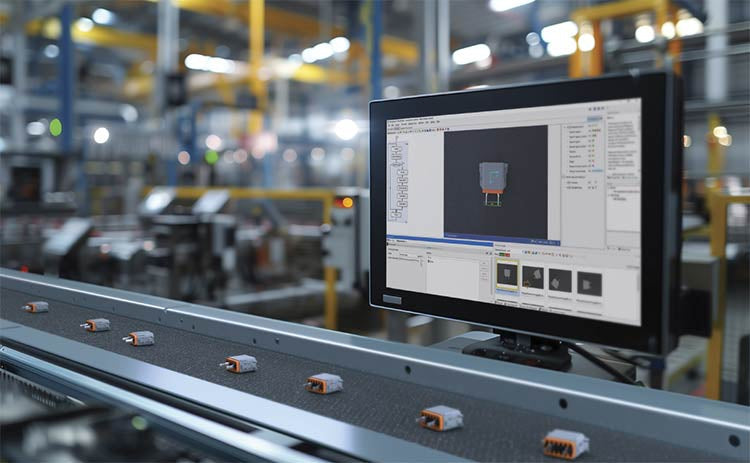
Modern Industrial Automation: Transforming Safety and Efficiency in Mining Operations
Industrial automation has evolved from a simple manufacturing tool into the operational backbone of high-risk sectors. Modern mining operations increasingly rely on advanced control systems, programmable logic controllers (PLCs), distributed control systems (DCS), and artificial intelligence to address deep-underground hazards. By replacing manual labor in high-risk zones, factory automation technologies protect personnel while significantly boosting operational throughput.
Step-by-Step System Cabinet Health Check Guide for PLC and DCS Infrastructure
