










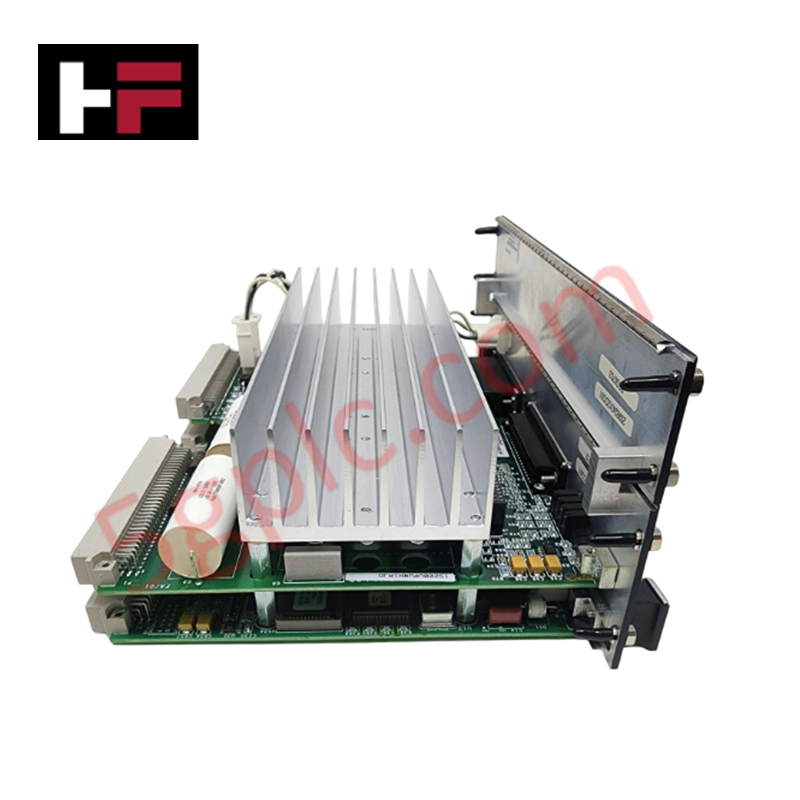
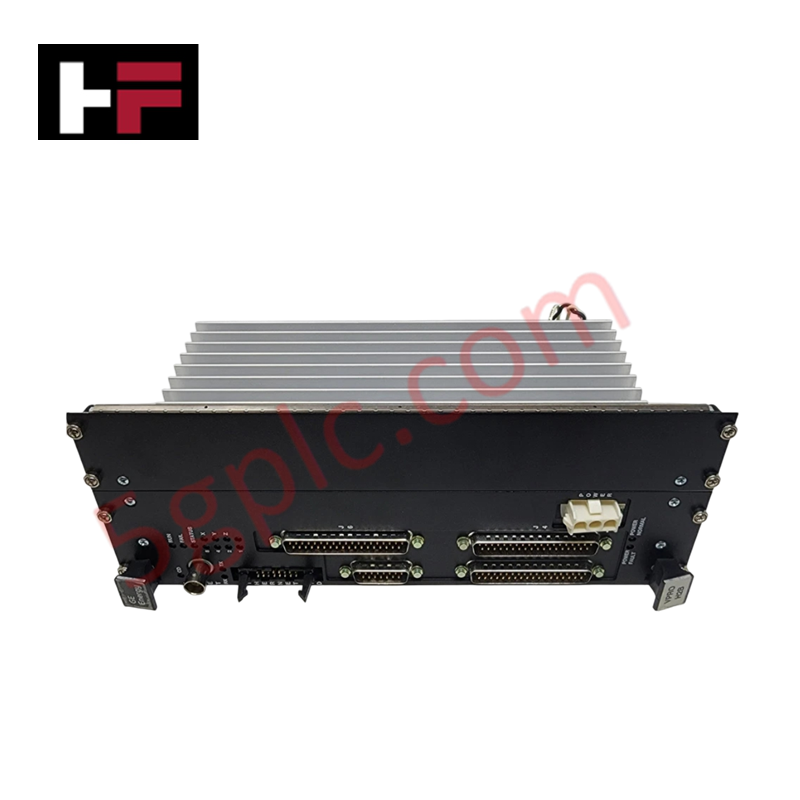
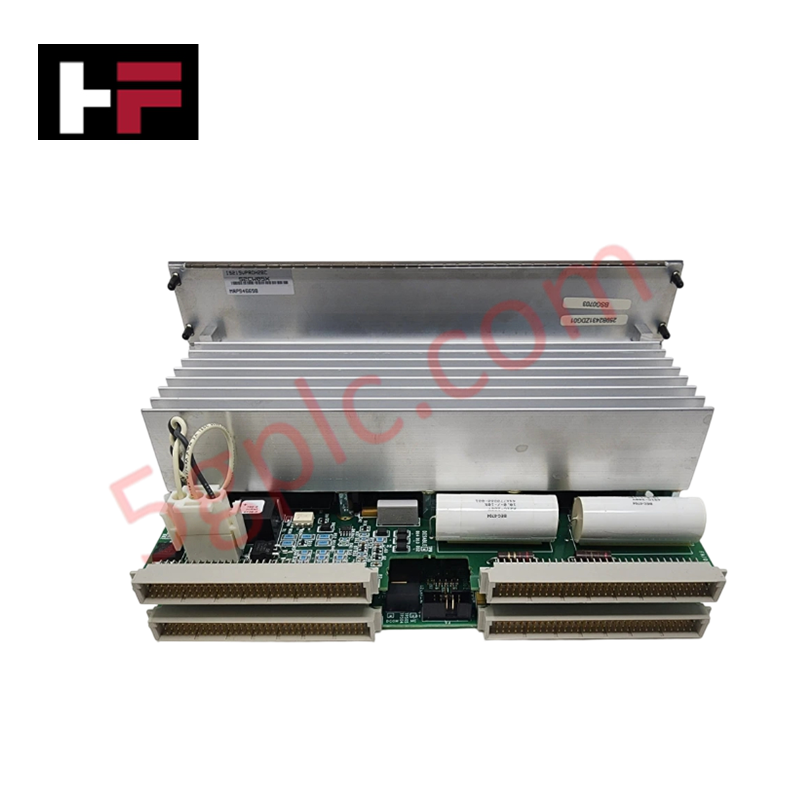
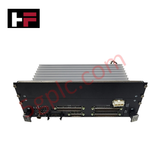
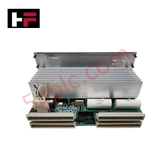
Product Details
Configured for emergency turbine overspeed protection in Speedtronic control systems, the GE IS215VPROH2B (IS215VPROH2B Turbine Protection Board) provides direct physical/electrical execution. This VPRO board operates within a triple-redundant architecture to manage emergency trip functions and control turbine trip solenoids via the TREG and TRPG terminal interface boards, utilizing a 125 VDC supply for solenoid actuation.
Hardware Specifications
| Parameter | Specification |
|---|---|
| Model | IS215VPROH2B |
| Brand | General Electric |
| Origin | USA |
| Weight | Not specified |
| Dimensions | 33.0 cm x 17.8 cm |
| Operating Temp | -30 to 65 deg C |
| Power Consumption | 125 VDC nominal |
| Inputs | 3 |
| Outputs | 6 |
Triple Modular Redundancy (TMR) and Fail-Safe Execution
The IS215VPROH2B is architected for deployment within TMR 2oo3 (two-out-of-three) protection systems, ensuring high availability and fault-tolerant emergency shutdown execution. The VPRO board performs independent overspeed monitoring and emergency stop processing, isolating the safety logic from the primary control system. Galvanic isolation and voter logic are maintained across the TREG terminal boards to drive the trip solenoids. The system is engineered to achieve a defined fail-safe state, where the removal of power or detection of a hardware fault within the VPRO cluster triggers the associated TREG relays to release the turbine trip solenoids.
Frequently Asked Questions
Q: Can the IS215VPROH2B be used as a standalone controller?
A: No. The VPRO board is an I/O and logic execution component for the turbine protection module. It is intended to function as part of a TMR protection system in conjunction with TREG and TRPG terminal boards.
Q: How does the VPRO board handle trip solenoid voting?
A: The board controls 12 relays located on the TREG terminal board. These relays are arranged in three groups of three, implementing a voting logic that determines the state of the three connected trip solenoids to ensure that a single component failure does not prevent an emergency trip.
Field Installation Guidelines
- Terminal Board Interfacing: Ensure the IS215VPROH2B is securely connected to the designated TREG and TRPG terminal boards. Verify the integrity of the J4 interface cable if a secondary TREG board is deployed.
- 125 VDC Power Distribution: Ensure the 125 VDC supply is properly fused and regulated. The TREG and TRPG terminal boards distribute the positive and negative sides of this supply to the solenoids; verify these connections are correct to prevent accidental solenoid actuation.
- Grounding and Shielding: Shielded cabling must be used for all safety-critical inputs and solenoid control signals. Terminate shields at the terminal board ground bus to minimize noise pickup from the turbine environment.
- Thermal Management: Given the -30 to 65 deg C operating range, ensure the protection cabinet provides adequate convective airflow. Avoid placing the VPRO board near non-shielded high-current drivers or power converters that generate significant EMI.
Additional Information
- 100% Genuine Parts: All products are original and authentic, ensuring reliable industrial performance.
- 30-Day Refund Guarantee: Return any in-stock item within 30 days in original, unopened packaging for a full refund (excluding shipping and fees).
- 12-Month Warranty: Covers defects in materials or workmanship; excludes misuse, normal wear, or unauthorized modifications.
- Worldwide Shipping: We ship via USPS, UPS, FedEx, and DHL. Delivery times vary by country and may be subject to customs or import fees.
- Support & Contact: Technical and warranty assistance is available anytime. Contact us here: Contact.
- Purchase Guidance: Check product specifications and compatibility carefully before ordering to ensure proper application.


Tech & Buying Guide
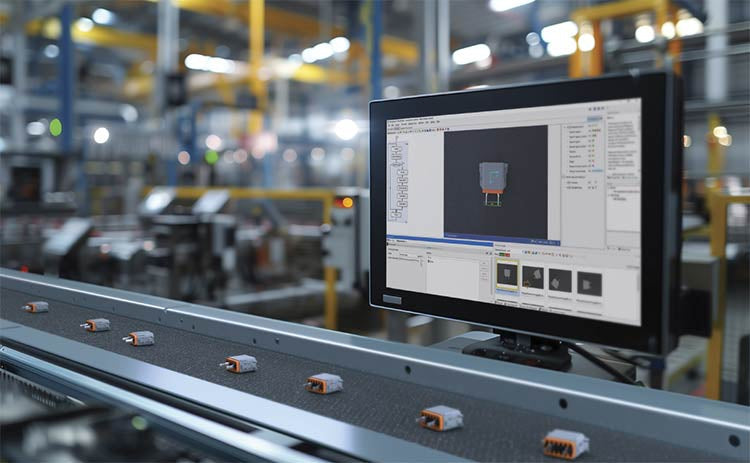
Modern Industrial Automation: Transforming Safety and Efficiency in Mining Operations
Industrial automation has evolved from a simple manufacturing tool into the operational backbone of high-risk sectors. Modern mining operations increasingly rely on advanced control systems, programmable logic controllers (PLCs), distributed control systems (DCS), and artificial intelligence to address deep-underground hazards. By replacing manual labor in high-risk zones, factory automation technologies protect personnel while significantly boosting operational throughput.
Step-by-Step System Cabinet Health Check Guide for PLC and DCS Infrastructure
