












Product Details
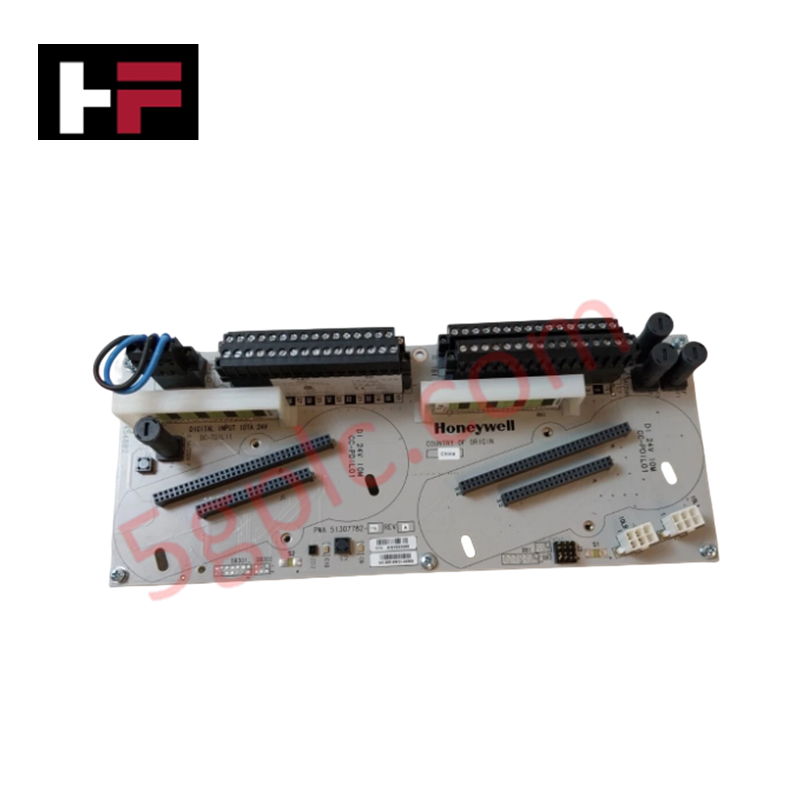
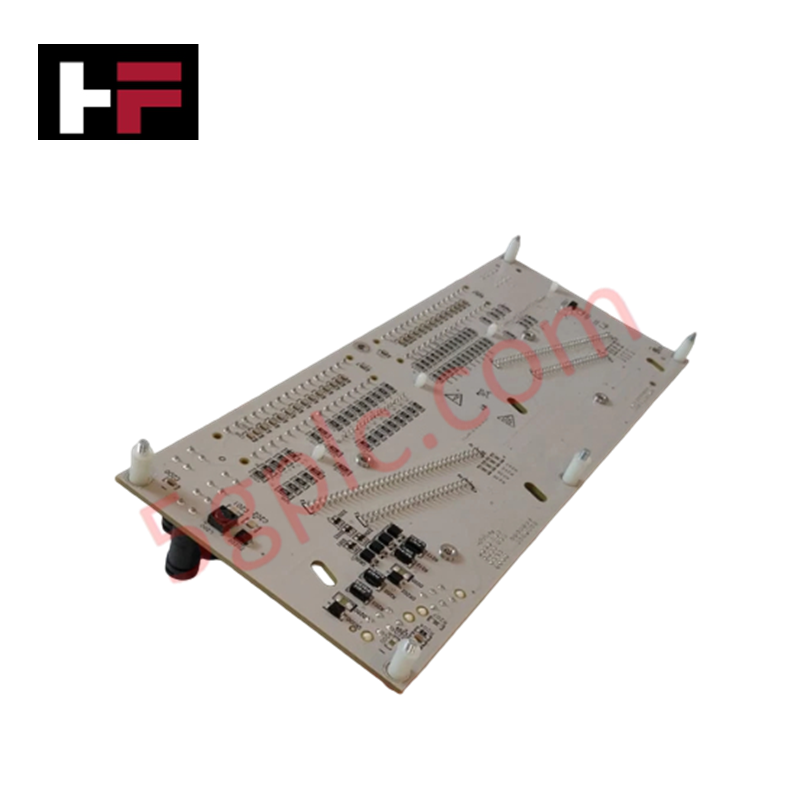
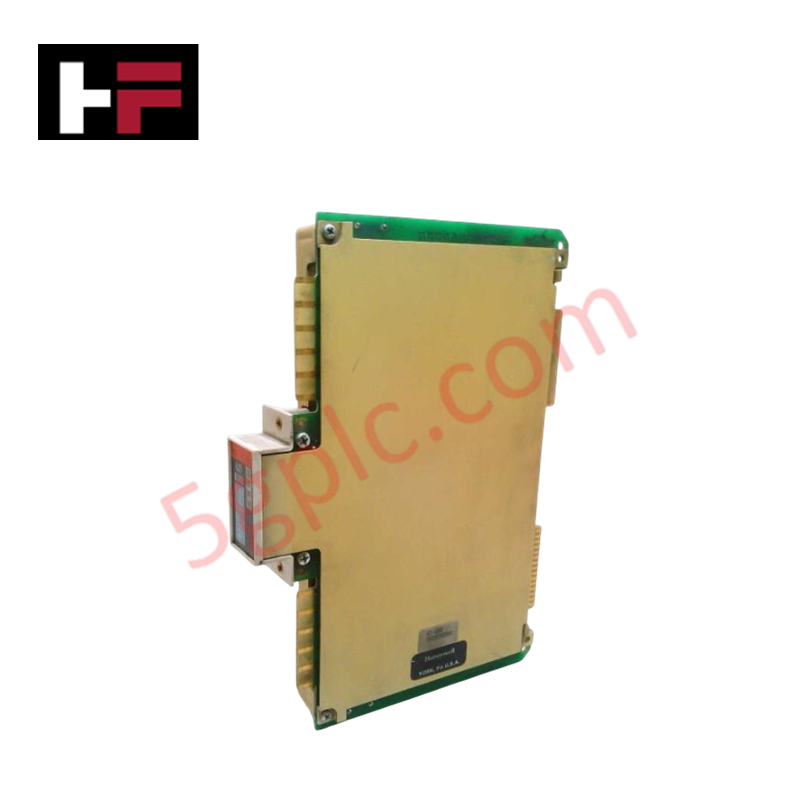
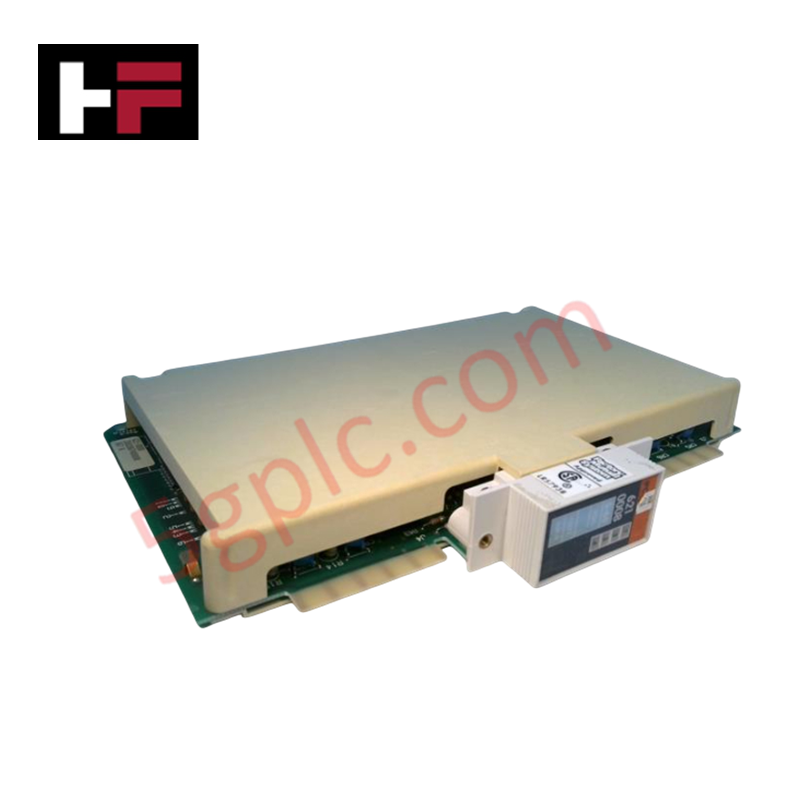
Configured for 24 VDC discrete signal conditioning and field acquisition in Honeywell Experion PKS controller networks, the Honeywell DC-TDIL11 (DC-TDIL11 Digital Input IOTA) provides direct physical/electrical execution. The assembly routes 32 discrete channel inputs directly across a redundant Input Output Termination Assembly (IOTA) backplane connector interface. Internal circuitry supports field-selectable internal or external DI sense power, establishing logical contact state evaluation and current-limited signaling across C300 controller networks.
Hardware Specifications
| Parameter | Specification |
|---|---|
| Model | DC-TDIL11 |
| Brand | Honeywell |
| Origin | USA |
| Weight | 0.4 kg |
| Dimensions | 19.1 cm x 12.7 cm x 3.8 cm |
| Operating Temp | 0 to 60 deg C |
| Power Consumption | 6.5 W |
| Input Channels | 32 discrete digital input points |
| Input Voltage | 24 VDC |
| Input Type | Non-isolated, field-selectable internal/external sense power |
| Protection | Integrated fuse protection for 24 VDC power rails |
Channel-to-Channel Isolation
The DC-TDIL11 IOTA board utilizes channel-to-channel isolation techniques on its power supply rails and backplane communication channels to protect system logic from field-side electrical transients. Integrated fuse barriers safeguard the shared 24 VDC field distribution loops against short-circuit conditions, while common-mode signal filtering suppresses noise propagation across adjacent channels during simultaneous contact state switching.
Frequently Asked Questions
Q: Can the DC-TDIL11 module be inserted into an active redundant IOTA assembly without powering down the C300 controller node?
A: Yes. The IOTA hardware architecture supports online module replacement, provided the redundant IOTA channel remains active during card swap operations.
Q: How is field sense power configured for the 32 input channels on the DC-TDIL11 IOTA?
A: Sense power source selection between internal 24 VDC bus supply and external field power is accomplished via physical hardware jumper links on the IOTA board.
Q: What protection prevents overcurrent faults from spreading across the 24 VDC sense power rails?
A: Integrated fast-acting fuse protection isolates the 24 VDC field supply lines in the event of an external field wiring short circuit.
Field Installation Guidelines
- Disconnect main power from field supply terminals before configuring hardware sense power jumpers on the IOTA.
- Align the module card connectors with the mating IOTA base assembly and press firmly until both locking levers fully engage.
- Verify that all 24 VDC field wiring terminations are connected according to correct polarity guidelines.
- Route 24 VDC discrete field input cables separately from high-voltage AC conductors to prevent capacitive coupling and switching noise.
- Secure all field wiring shield drain wires to the main system grounding bar with a short, low-impedance connection.
Additional Information
- 100% Genuine Parts: All products are original and authentic, ensuring reliable industrial performance.
- 30-Day Refund Guarantee: Return any in-stock item within 30 days in original, unopened packaging for a full refund (excluding shipping and fees).
- 12-Month Warranty: Covers defects in materials or workmanship; excludes misuse, normal wear, or unauthorized modifications.
- Worldwide Shipping: We ship via USPS, UPS, FedEx, and DHL. Delivery times vary by country and may be subject to customs or import fees.
- Support & Contact: Technical and warranty assistance is available anytime. Contact us here: Contact.
- Purchase Guidance: Check product specifications and compatibility carefully before ordering to ensure proper application.
Tech & Buying Guide

DCS Commissioning Steps in Industrial Automation Projects
Commissioning a Distributed Control System (DCS) represents a crucial milestone when deploying modern process automation infrastructure. Field engineers must execute systematic verification steps to transition complex control hardware from static installation to dynamic plant control. Proper commissioning ensures that controllers, I/O modules, network switches, and HMI software operate in strict compliance with engineering design specifications before introducing live process fluids.

PLC and DCS Control System Spares Strategy: Engineering Guidelines
Modern factory automation relies on high-speed fiber optic backbones to link distributed control systems across noise-intensive industrial environments. Unlike copper wiring, optical fibers transmit data via light pulses, making them completely immune to electromagnetic interference (EMI). Field engineers must master optical cable joining and fusion splicing techniques to guarantee low-loss data transmission across critical Programmable Logic Controller (PLC) and Distributed Control System (DCS) nodes.

PLC and DCS Control System Spares Strategy: Engineering Guidelines
Industrial automation lifecycle management requires robust spare parts planning for Programmable Logic Controller (PLC) and Distributed Control System (DCS) platforms. Plant engineers must correctly categorize spare components during front-end engineering design to maintain high system availability. Miscalculating spare requirements can lead to prolonged unscheduled downtime, project budget overruns, or delayed site commissioning.