










Product Details
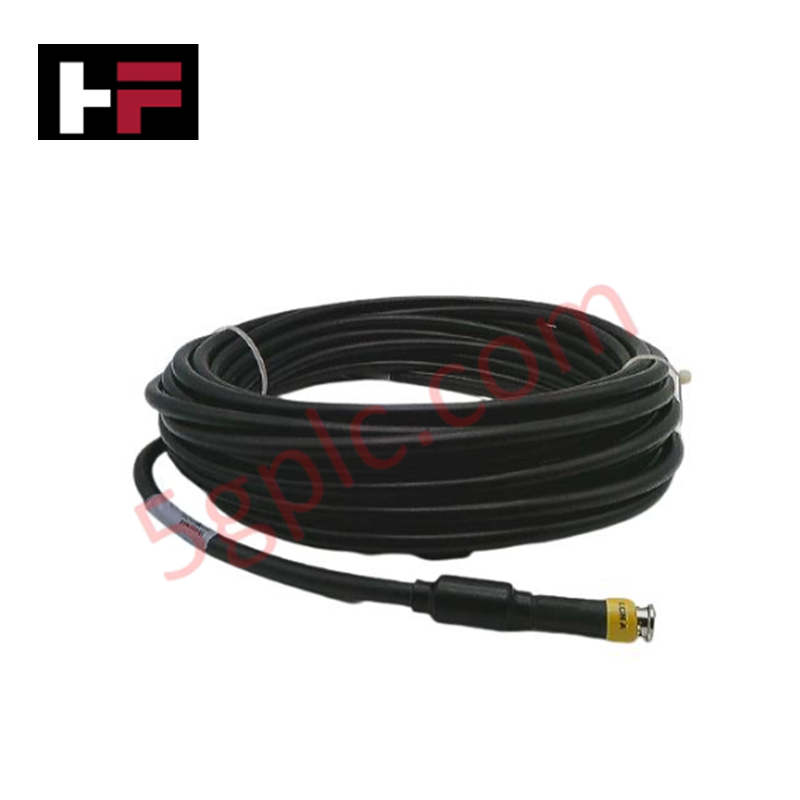
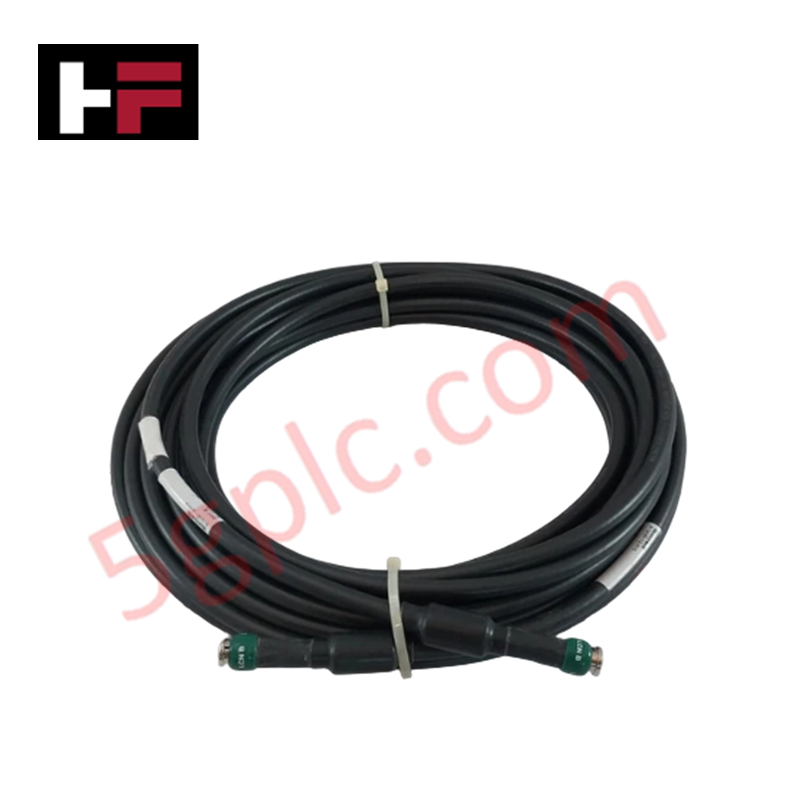
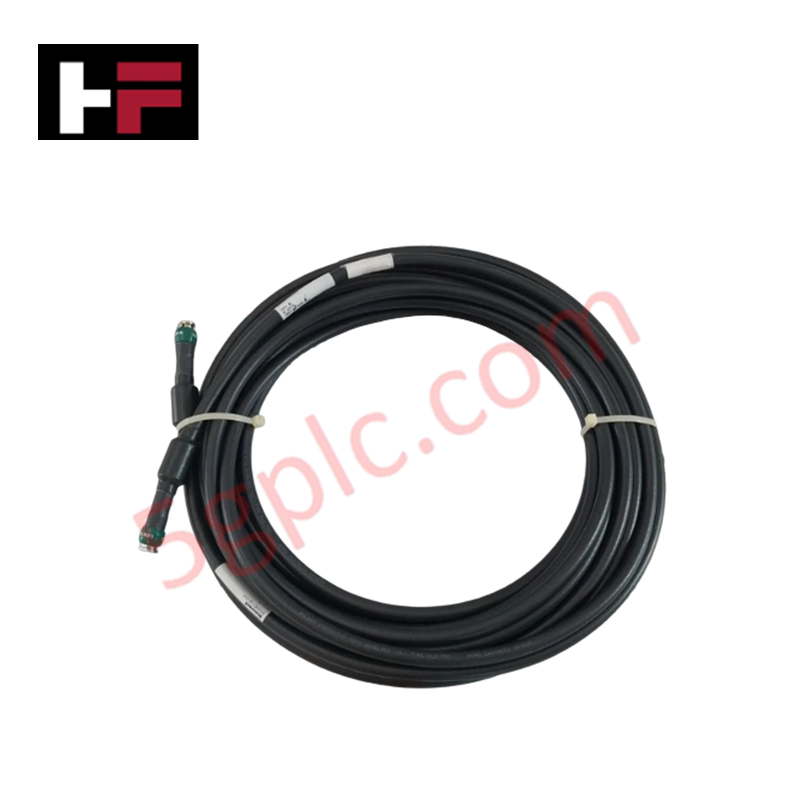
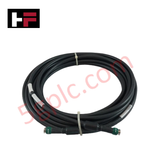
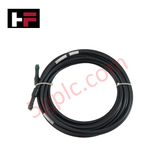
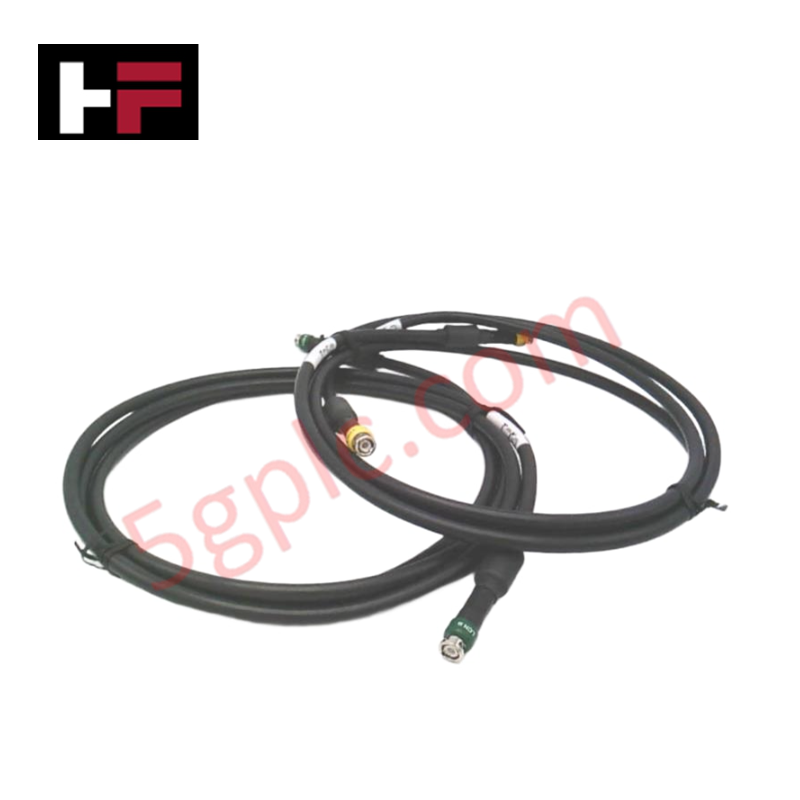
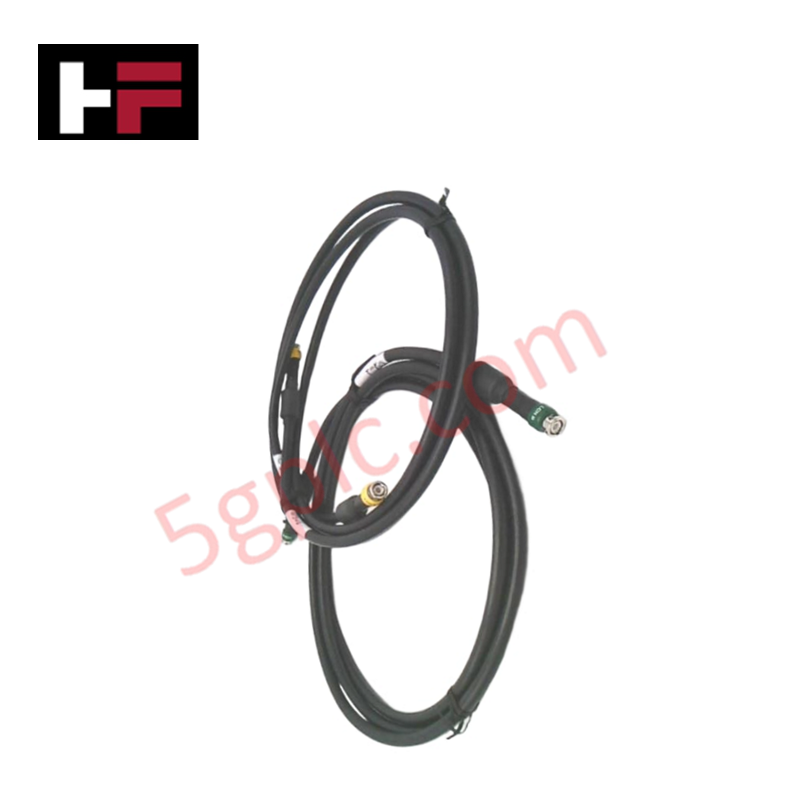
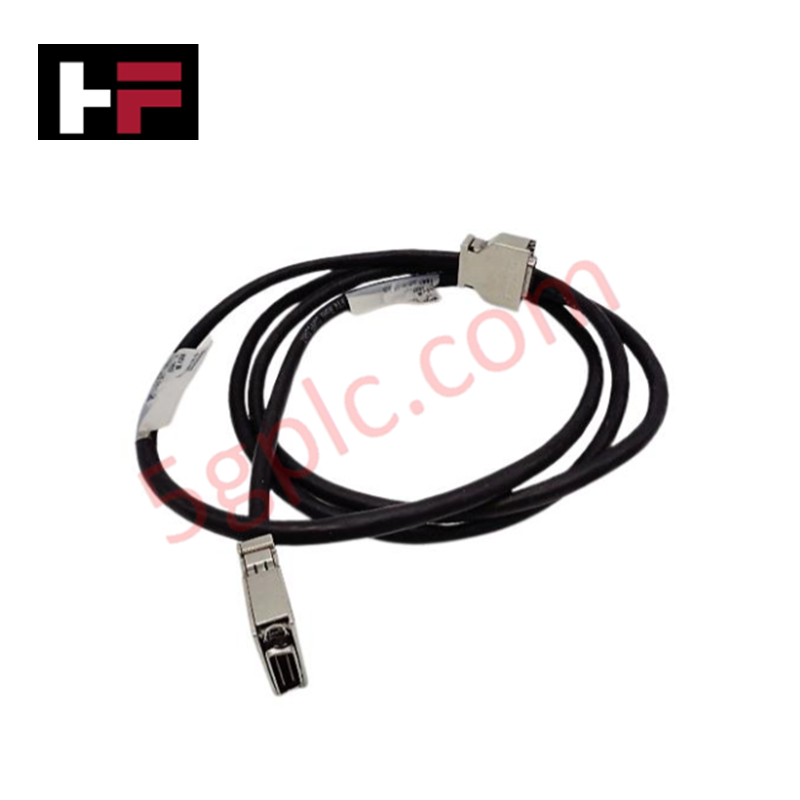
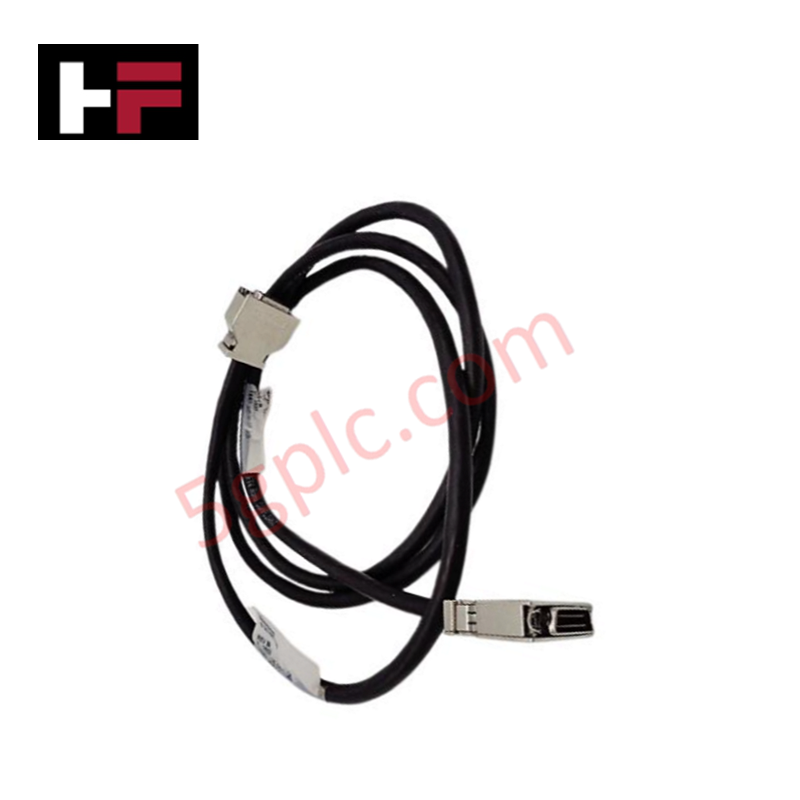
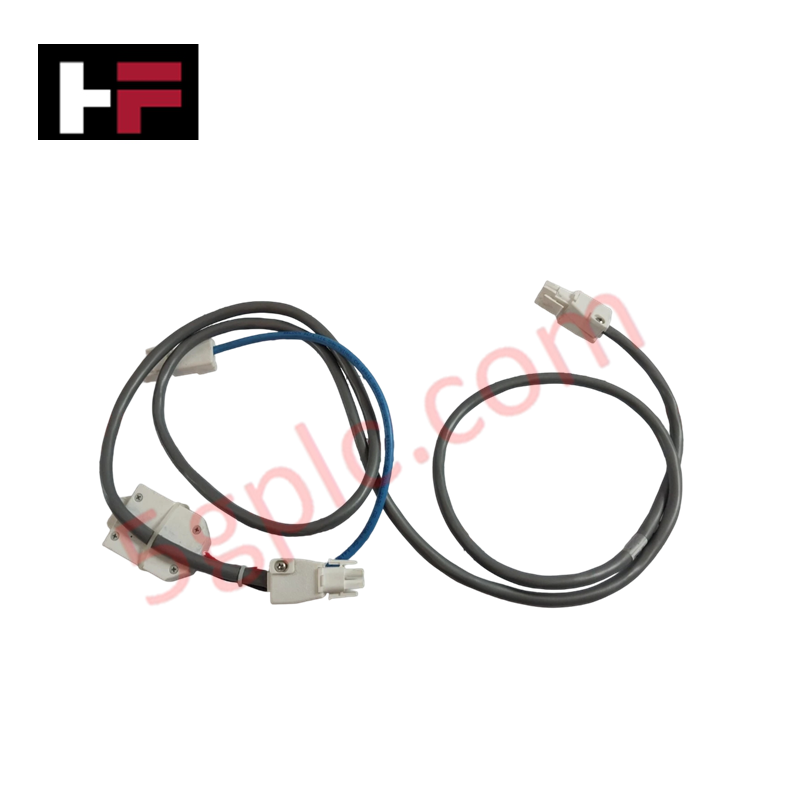
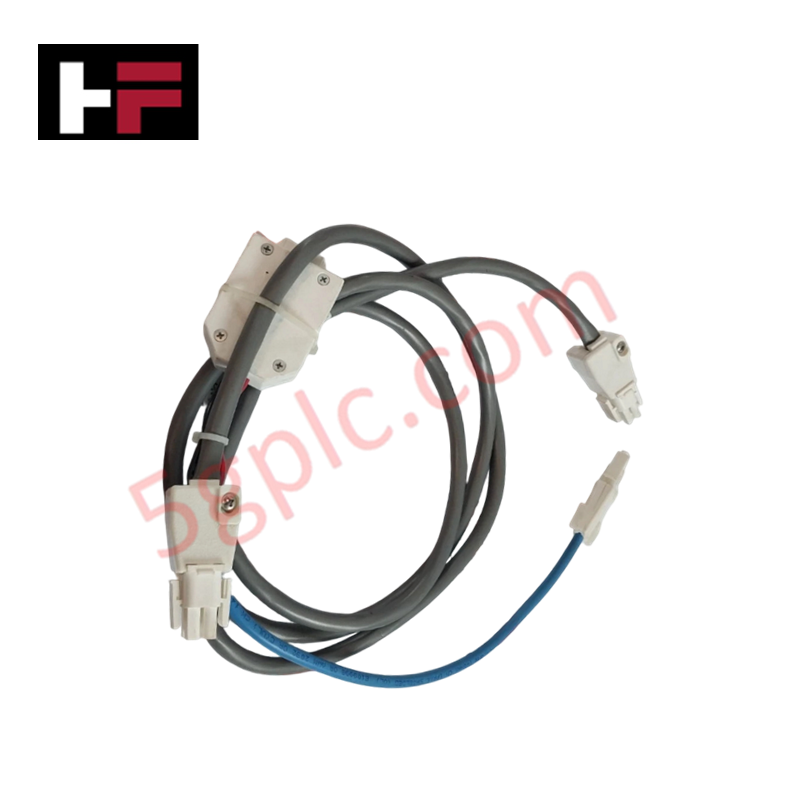
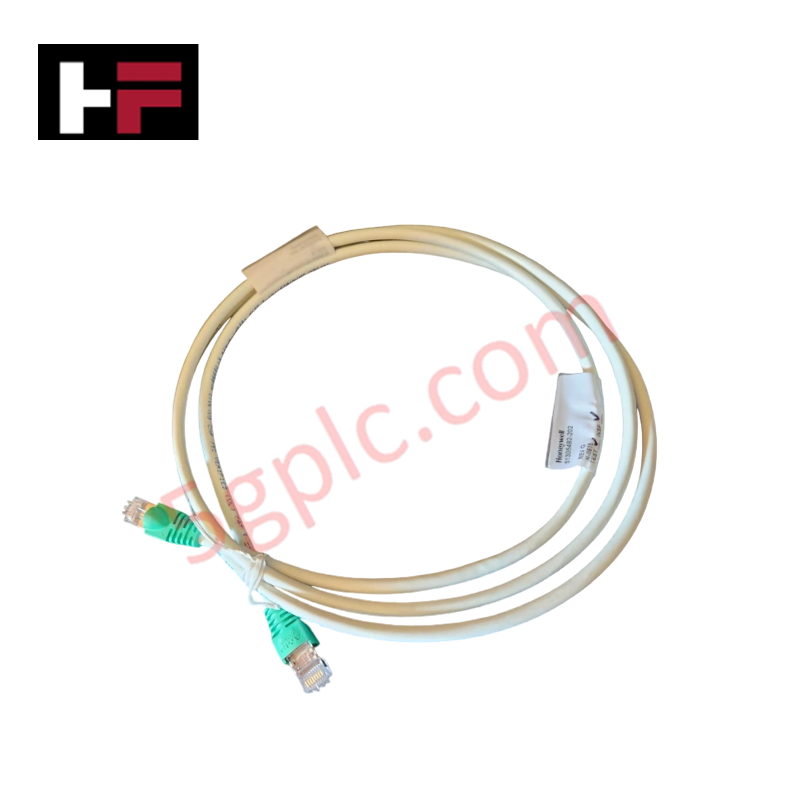
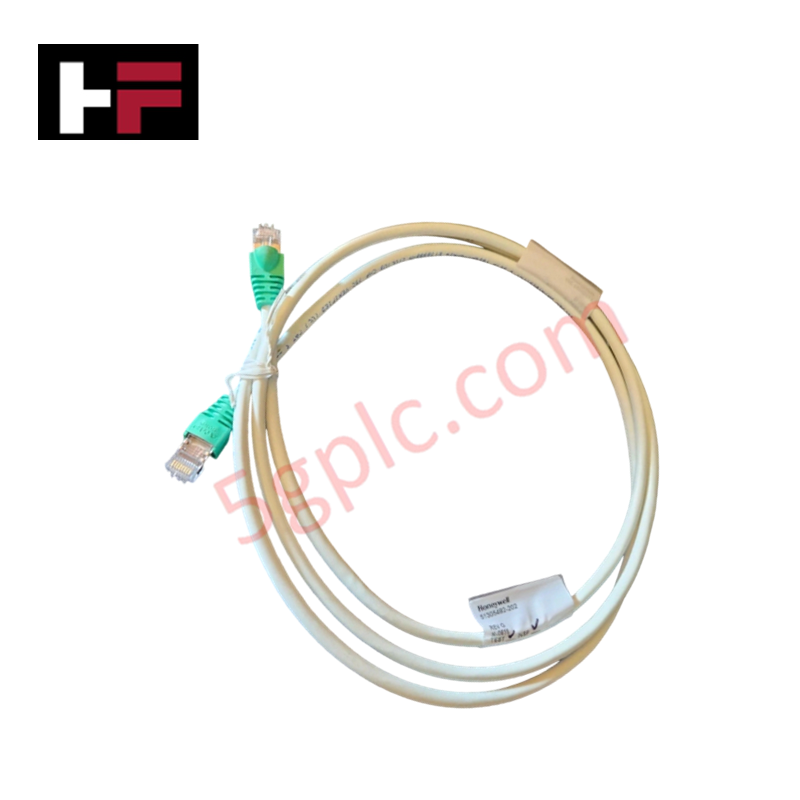
Configured for high-speed serial node interconnectivity and control bus communication in Honeywell DCS environments, the Honeywell 51308112-015 (51308112-015 Shielded CL2 Cable) provides direct physical/electrical execution. Constructed as a 15 meter Type CL2 shielded cable rated for 75 deg C operation with inline ferrite modules, the assembly directly replaces legacy part number 51109181-015. Internal copper conductors bounded by overall conductive foil and braided shielding transmit differential signals while mitigating electromagnetic interference across extended cabinet-to-cabinet routing paths.
Hardware Specifications
| Parameter | Specification |
|---|---|
| Model | 51308112-015 |
| Brand | Honeywell |
| Origin | USA |
| Weight | 3.00 lbs (1.36 kg) |
| Dimensions | Cable Length: 15 meters (49.21 ft) |
| Operating Temp | Up to 75 deg C (Jacket Rating) |
| Power Consumption | Passive Interconnect Assembly |
| Cable Rating | Type CL2 Shielded Cable, Revision E |
| Noise Suppression | Integrated Inline Ferrite Modules |
| Legacy Replacement | Replaces 51109181-015 |
| Primary Application | Node Interconnect and System Communication |
Channel-to-Channel Isolation
The 51308112-015 shielded cable incorporates high-density foil and tinned copper braid shielding to establish channel-to-channel isolation between parallel communication paths and high-voltage AC distribution circuits. Integrated inline ferrite cores absorb common-mode high-frequency noise and voltage surges picked up over the 15 meter cable length. Grounded shielding backshells reduce ground loop currents, preserving signal-to-noise margins for active 4-20 mA HART loops and high-speed digital communications.
Frequently Asked Questions
Q: Is the 51308112-015 cable assembly fully backwards compatible with the 51109181-015 part number?
A: Yes, the 51308112-015 serves as a direct functional and electrical pin-for-pin replacement for legacy cable assembly 51109181-015.
Q: What function do the inline ferrite modules serve on this 15 meter cable?
A: The ferrite modules act as high-frequency noise suppression chokes, dampening electromagnetic interference and high-frequency noise spikes picked up over long cable runs.
Q: Can this cable be routed through standard industrial riser wireways?
A: Yes, the assembly carries a Type CL2 flame and voltage rating suitable for in-cabinet and intra-cabinet Class 2 control circuit wiring.
Field Installation Guidelines
- Inspect the entire 15 meter jacket and end connectors for insulation damage or bent pins before installation.
- Maintain the minimum bending radius along wire ducts to prevent internal shield separation and conductor fatigue.
- Verify that the inline ferrite cores are properly secured near the connector ends to optimize noise attenuation.
- Connect overall shield drain wires to dedicated enclosure ground rails to ensure low-impedance grounding.
- Keep signal cable paths separated from AC power lines and high-current motor leads to prevent inductive noise coupling.
Additional Information
- 100% Genuine Parts: All products are original and authentic, ensuring reliable industrial performance.
- 30-Day Refund Guarantee: Return any in-stock item within 30 days in original, unopened packaging for a full refund (excluding shipping and fees).
- 12-Month Warranty: Covers defects in materials or workmanship; excludes misuse, normal wear, or unauthorized modifications.
- Worldwide Shipping: We ship via USPS, UPS, FedEx, and DHL. Delivery times vary by country and may be subject to customs or import fees.
- Support & Contact: Technical and warranty assistance is available anytime. Contact us here: Contact.
- Purchase Guidance: Check product specifications and compatibility carefully before ordering to ensure proper application.
Tech & Buying Guide

DCS Commissioning Steps in Industrial Automation Projects
Commissioning a Distributed Control System (DCS) represents a crucial milestone when deploying modern process automation infrastructure. Field engineers must execute systematic verification steps to transition complex control hardware from static installation to dynamic plant control. Proper commissioning ensures that controllers, I/O modules, network switches, and HMI software operate in strict compliance with engineering design specifications before introducing live process fluids.

PLC and DCS Control System Spares Strategy: Engineering Guidelines
Modern factory automation relies on high-speed fiber optic backbones to link distributed control systems across noise-intensive industrial environments. Unlike copper wiring, optical fibers transmit data via light pulses, making them completely immune to electromagnetic interference (EMI). Field engineers must master optical cable joining and fusion splicing techniques to guarantee low-loss data transmission across critical Programmable Logic Controller (PLC) and Distributed Control System (DCS) nodes.

PLC and DCS Control System Spares Strategy: Engineering Guidelines
Industrial automation lifecycle management requires robust spare parts planning for Programmable Logic Controller (PLC) and Distributed Control System (DCS) platforms. Plant engineers must correctly categorize spare components during front-end engineering design to maintain high system availability. Miscalculating spare requirements can lead to prolonged unscheduled downtime, project budget overruns, or delayed site commissioning.