










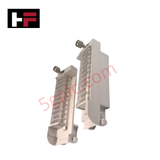
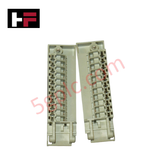
Product Details
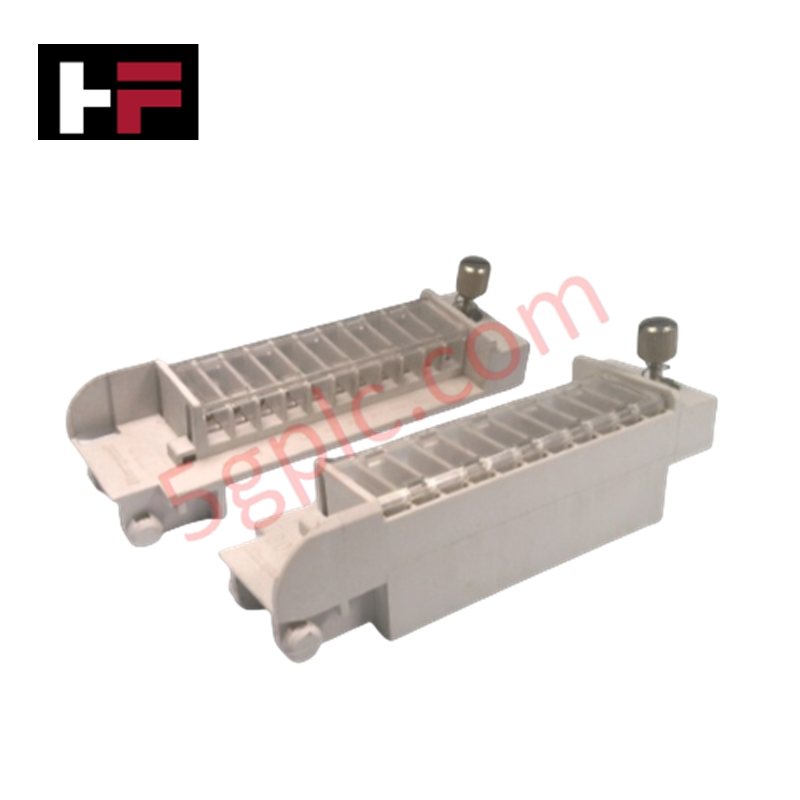
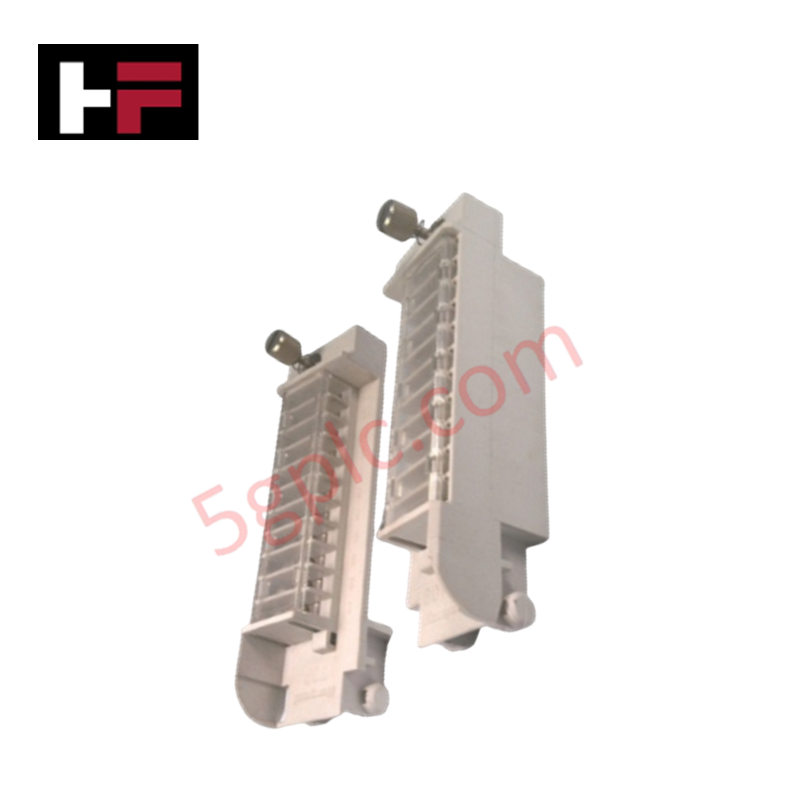
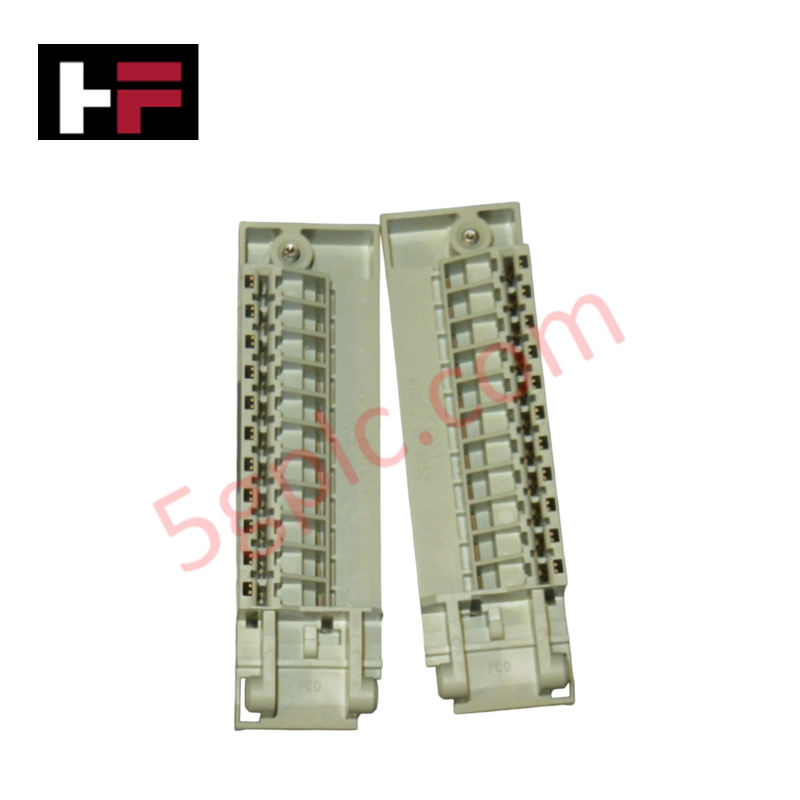
Configured for discrete signal switching and field interface termination in Honeywell IPC 620 chassis assemblies, the Honeywell 621-9950 (621-9950 I/O Module) provides direct physical/electrical execution. It handles discrete signal routing across 16 I/O termination points, operating in conjunction with the required Honeywell 621-9949 terminal block assembly.
Hardware Specifications
| Parameter | Specification |
|---|---|
| Model | 621-9950 |
| Brand | Honeywell |
| Origin | USA |
| Weight | 0.45 kg (1 lb) |
| Dimensions | 72.4 cm x 64.8 cm x 57.2 cm (28.5 in x 25.5 in x 22.5 in, Packaged) |
| Operating Temp | 0 deg C to 60 deg C |
| Power Consumption | 2 W (Module Internal) |
| Channel Count | 16 discrete I/O termination points |
| Voltage Range | 11-28 VDC |
| Output Current | 2 A per channel |
| Surge Current | 5 A for 10 ms (non-repetitive) |
| Off-State Leakage | ~5 mA (typical) |
| On-State Voltage Drop | ~2 VDC at 2 A |
| Required Terminal Block | Honeywell 621-9949 |
Channel Isolation and Loop Protocol Integration
The Honeywell 621-9950 module incorporates high-density channel-to-channel isolation circuits designed to decouple field noise transients from the backplane control bus. When integrated alongside 4-20 mA HART loop protocol transmitters and discrete actuators, the module limits parasitic noise cross-talk across adjacent field terminals. The switching stage maintains stable logic states under continuous 2 A loading conditions per channel.
Frequently Asked Questions
Q: Can the 621-9950 module be operated without the Honeywell 621-9949 terminal block?
A: No. The physical wiring interface and channel pin terminations require the dedicated Honeywell 621-9949 terminal block to establish secure electrical connectivity.
Q: Is hot-swapping supported for the 621-9950 module while the backplane is powered?
A: No. Backplane rack power and external 24 VDC field supplies must be de-energized prior to removing or inserting the module to prevent electrical arcing and backplane bus errors.
Field Installation Guidelines
- Power down the IPC 620 rack chassis and isolate all field voltage sources before installation.
- Align the module circuit board with the rack chassis guides and slide it firmly into the slot until fully seated into the backplane connector.
- Install the Honeywell 621-9949 terminal block onto the front interface and secure all retaining hardware.
- Connect field signal cables, ensuring proper polarity and torque on all terminal screws.
- Route low-voltage field wiring separately from high-voltage AC conductors to minimize electromagnetic interference.
Additional Information
- 100% Genuine Parts: All products are original and authentic, ensuring reliable industrial performance.
- 30-Day Refund Guarantee: Return any in-stock item within 30 days in original, unopened packaging for a full refund (excluding shipping and fees).
- 12-Month Warranty: Covers defects in materials or workmanship; excludes misuse, normal wear, or unauthorized modifications.
- Worldwide Shipping: We ship via USPS, UPS, FedEx, and DHL. Delivery times vary by country and may be subject to customs or import fees.
- Support & Contact: Technical and warranty assistance is available anytime. Contact us here: Contact.
- Purchase Guidance: Check product specifications and compatibility carefully before ordering to ensure proper application.






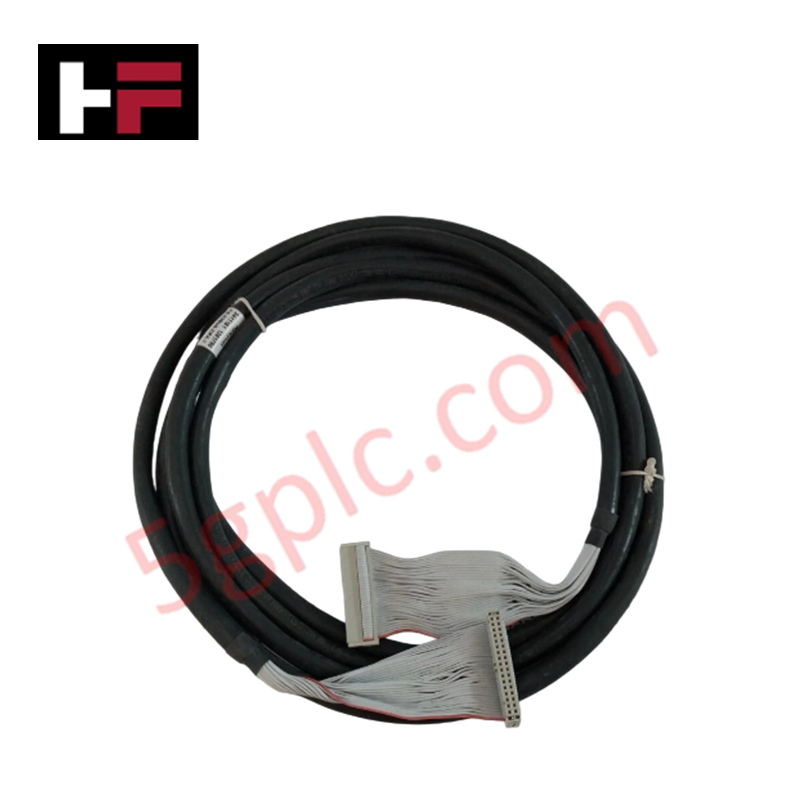
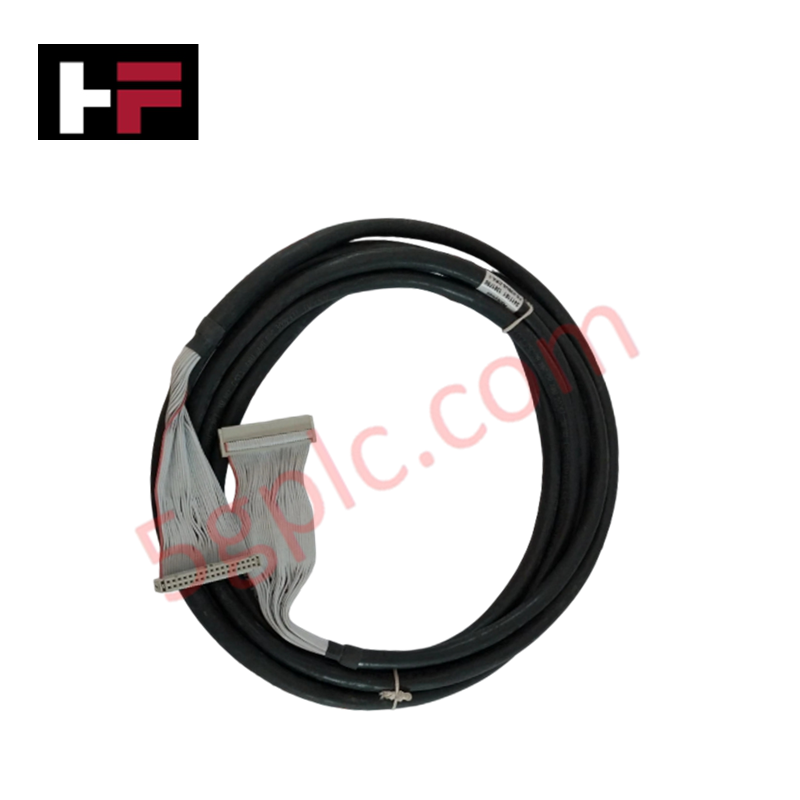



Tech & Buying Guide

Modern Industrial Automation: Transforming Safety and Efficiency in Mining Operations
Industrial automation has evolved from a simple manufacturing tool into the operational backbone of high-risk sectors. Modern mining operations increasingly rely on advanced control systems, programmable logic controllers (PLCs), distributed control systems (DCS), and artificial intelligence to address deep-underground hazards. By replacing manual labor in high-risk zones, factory automation technologies protect personnel while significantly boosting operational throughput.

Step-by-Step System Cabinet Health Check Guide for PLC and DCS Infrastructure
