Product Details
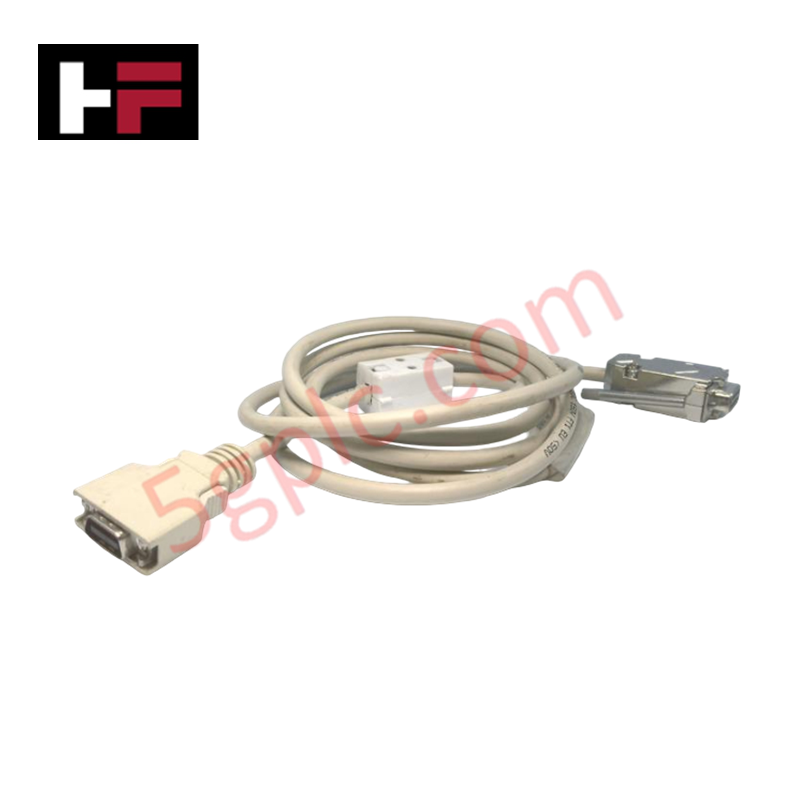
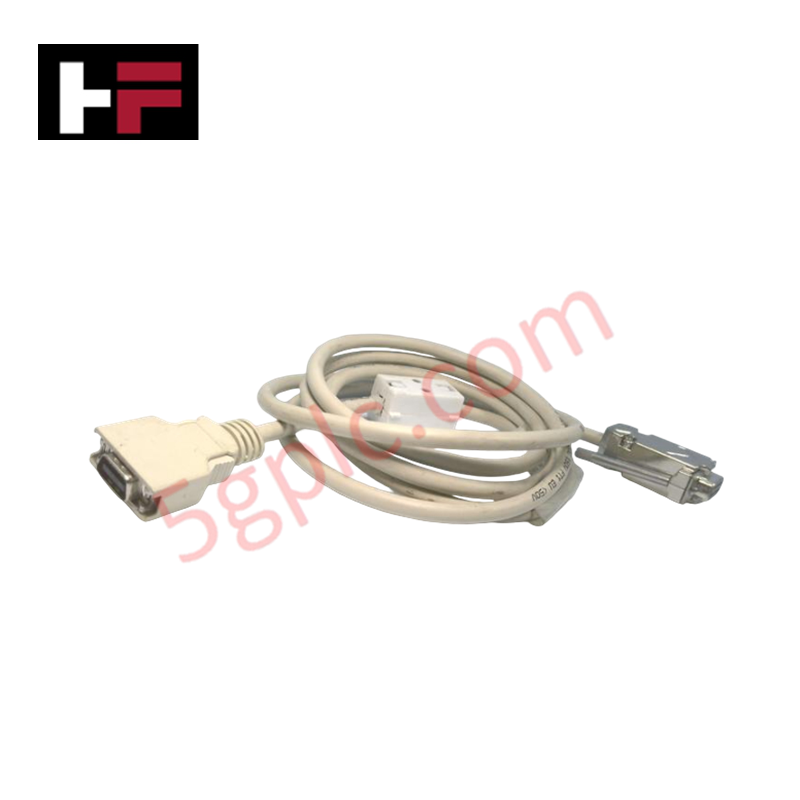
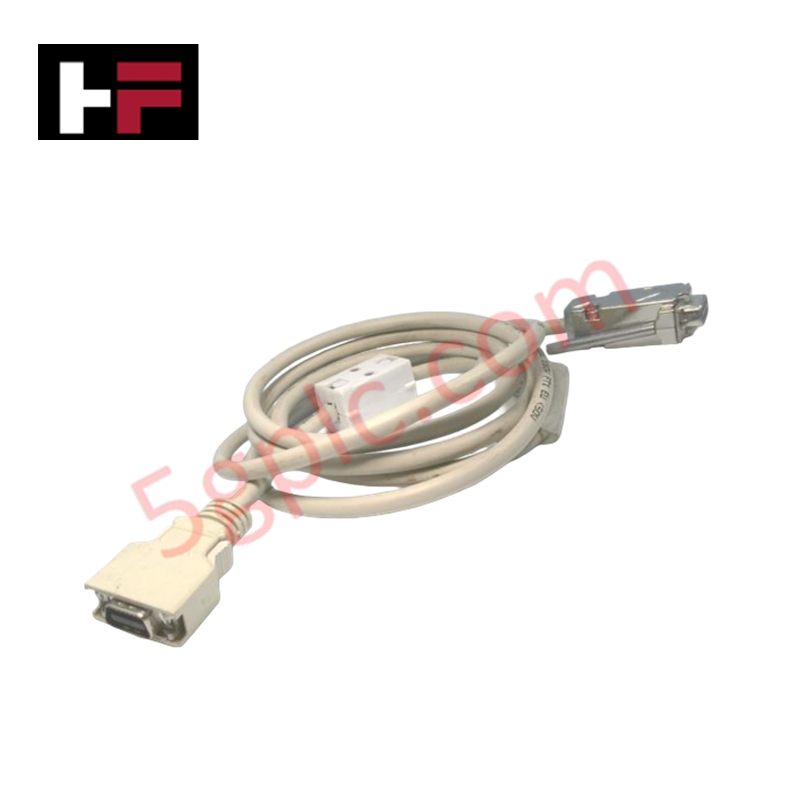
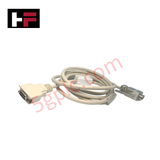
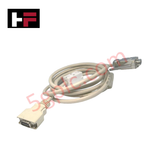
Configured for high-integrity serial and network communication in Experion PKS and TDC 3000 platforms, the Honeywell 51305739-100 (51305739-100 Communication Cable Assembly) provides direct physical/electrical execution. It interconnects controller nodes, field I/O modules, and network interface units using shielded twisted-pair conductors to maintain differential signal transmission fidelity while mitigating electromagnetic noise injection within DCS control panels.
Hardware Specifications
| Parameter | Specification |
|---|---|
| Model | 51305739-100 |
| Brand | Honeywell |
| Origin | USA |
| Weight | 0.5 kg |
| Dimensions | 1-3 m customizable length |
| Operating Temp | -20 to 60 deg C |
| Power Consumption | Passive cabling component (0 W) |
| Assembly Type | Communication Cable Assembly |
| Conductor Structure | Shielded twisted-pair (STP) |
| Termination Type | Honeywell proprietary industrial-grade connectors |
| Humidity Tolerance | 5% to 95% RH (non-condensing) |
| System Compatibility | Honeywell Experion PKS, TDC 3000 Systems |
Channel-to-Channel Isolation & Loop Signal Protection
In distributed control system architectures, maintaining noise rejection and channel-to-channel isolation across inter-module buses is required to prevent data corruption. The shielded twisted-pair construction provides low attenuation and balanced differential signaling, preventing noise coupling from nearby high-voltage wiring. This shielding configuration prevents interference on adjacent 4-20 mA HART loop protocol connections and digital fieldbus networks routed through shared cabinet raceways.
Frequently Asked Questions
Q: Does the cable shield bond directly to chassis ground through the connector body?
A: Shield continuity is routed through the internal drain conductor to the metallic shell of the proprietary connector, establishing chassis grounding upon insertion into the module receptacle.
Q: Can this communication assembly be disconnected while the host system remains online?
A: Disconnection is supported only when redundant communication channels are active; breaking a non-redundant primary cable link will disrupt real-time I/O scanning and controller loop updates.
Field Installation Guidelines
- Power off non-redundant target controller cards or remote expansion racks before installing or replacing the cable assembly.
- Maintain a minimum static bending radius of 8 times the overall outer cable diameter during cabinet installation to preserve conductor impedance and foil shielding wrap integrity.
- Route the cable through dedicated low-voltage communication wireways, maintaining a physical clearance of at least 300 mm from AC power mains and motor drive conductors.
- Align the proprietary connector keyways with the chassis socket prior to applying axial force to prevent pin deformation.
- Secure all strain-relief screws or locking latches firmly to prevent connector loosening under operational plant vibration.
Additional Information
- 100% Genuine Parts: All products are original and authentic, ensuring reliable industrial performance.
- 30-Day Refund Guarantee: Return any in-stock item within 30 days in original, unopened packaging for a full refund (excluding shipping and fees).
- 12-Month Warranty: Covers defects in materials or workmanship; excludes misuse, normal wear, or unauthorized modifications.
- Worldwide Shipping: We ship via USPS, UPS, FedEx, and DHL. Delivery times vary by country and may be subject to customs or import fees.
- Support & Contact: Technical and warranty assistance is available anytime. Contact us here: Contact.
- Purchase Guidance: Check product specifications and compatibility carefully before ordering to ensure proper application.




Tech & Buying Guide

Importance of Safety Barriers in PLC and DCS Control Systems

Static UPS vs. Rotary UPS: Technical Evaluation for Industrial Automation