












Product Details
Product Description
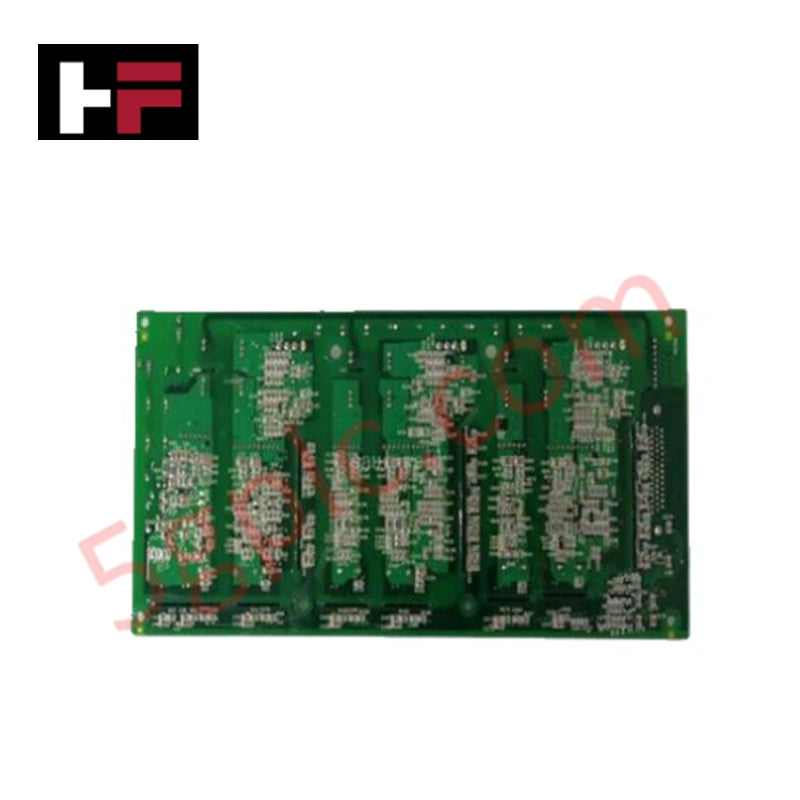
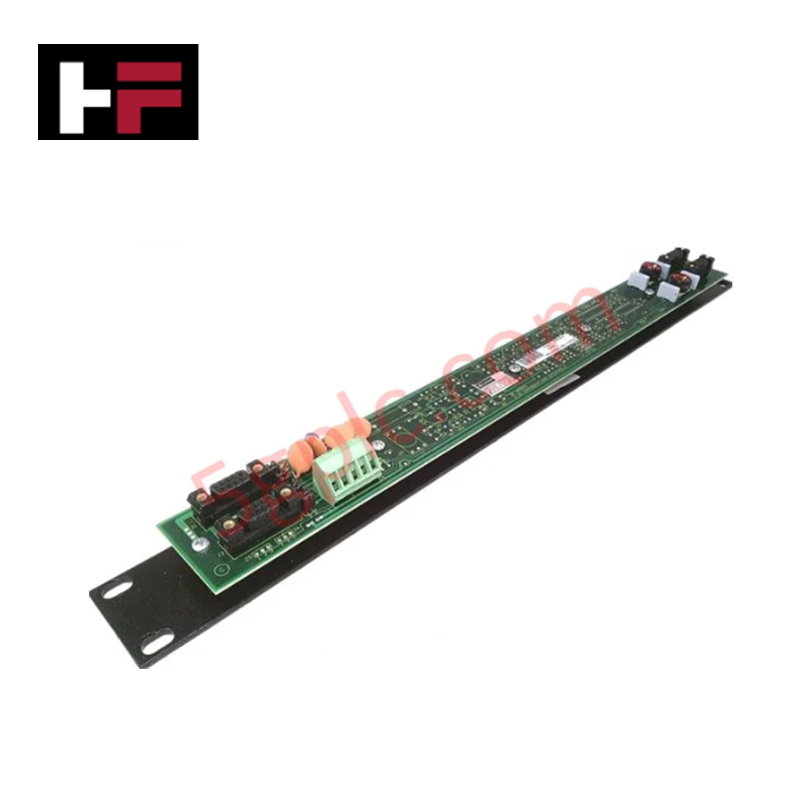
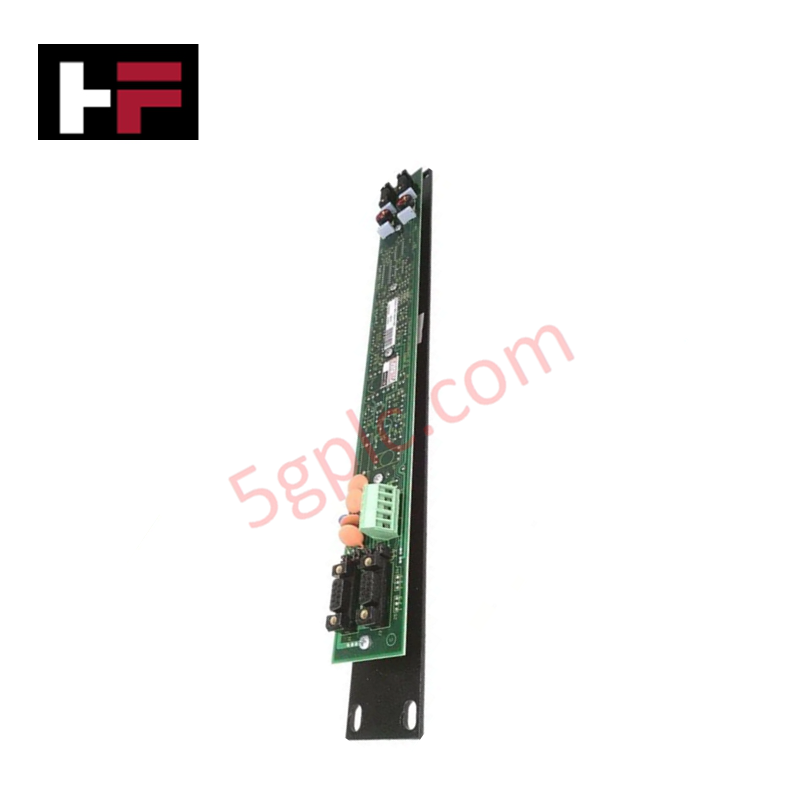
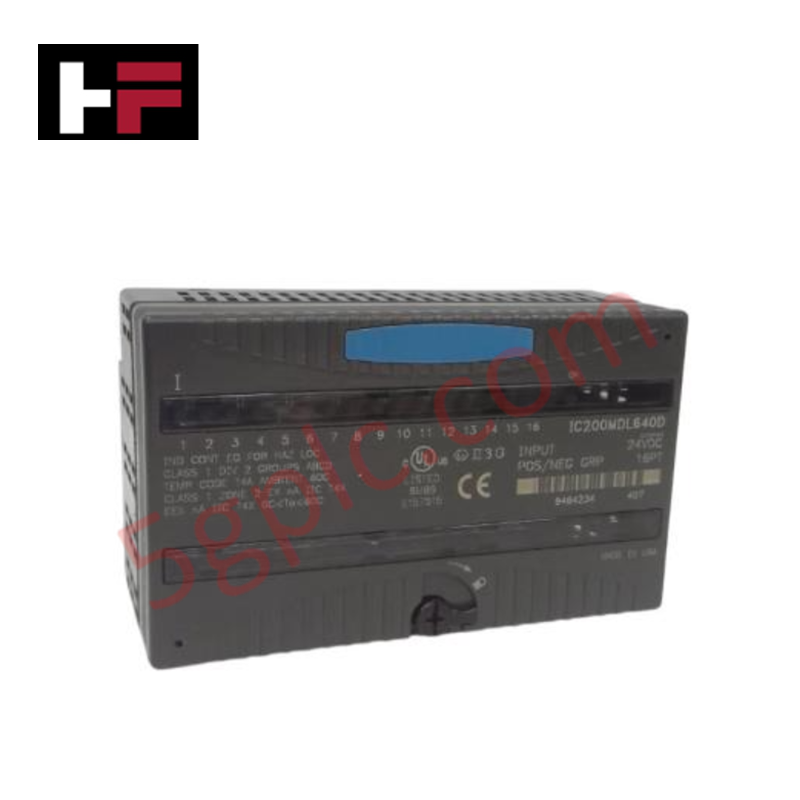
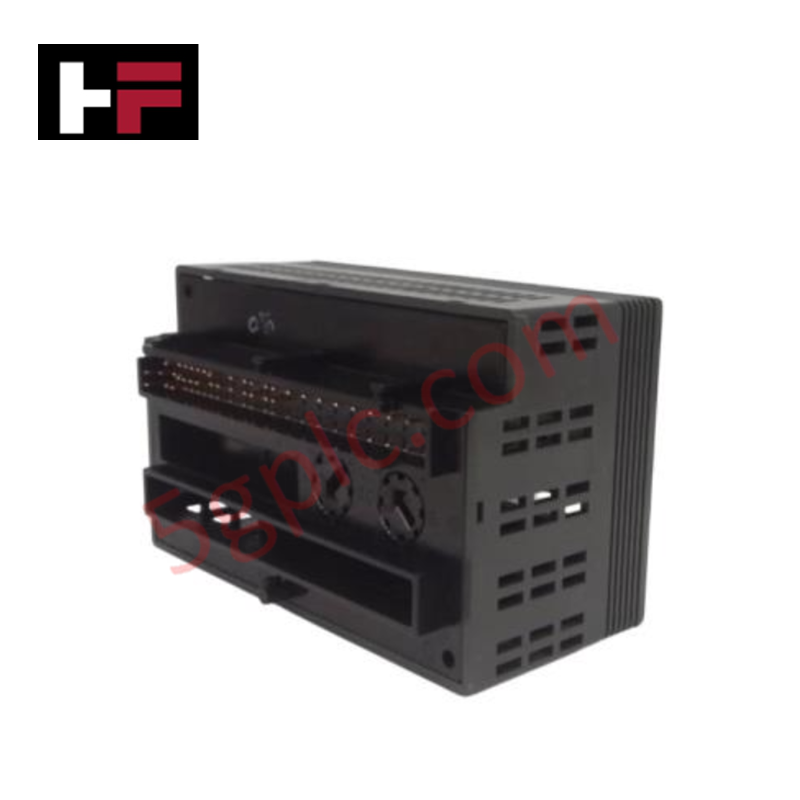
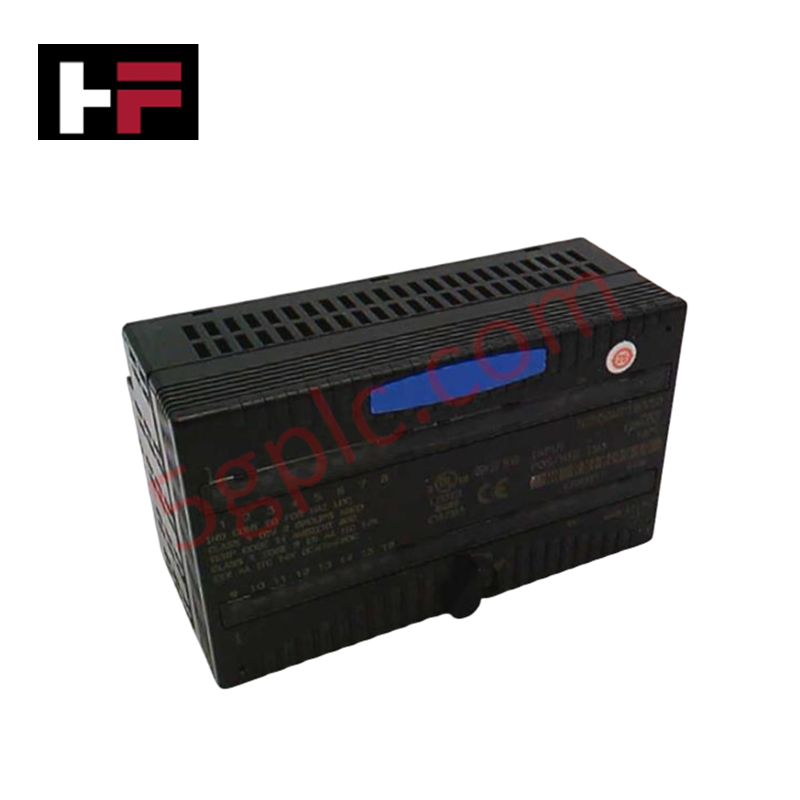
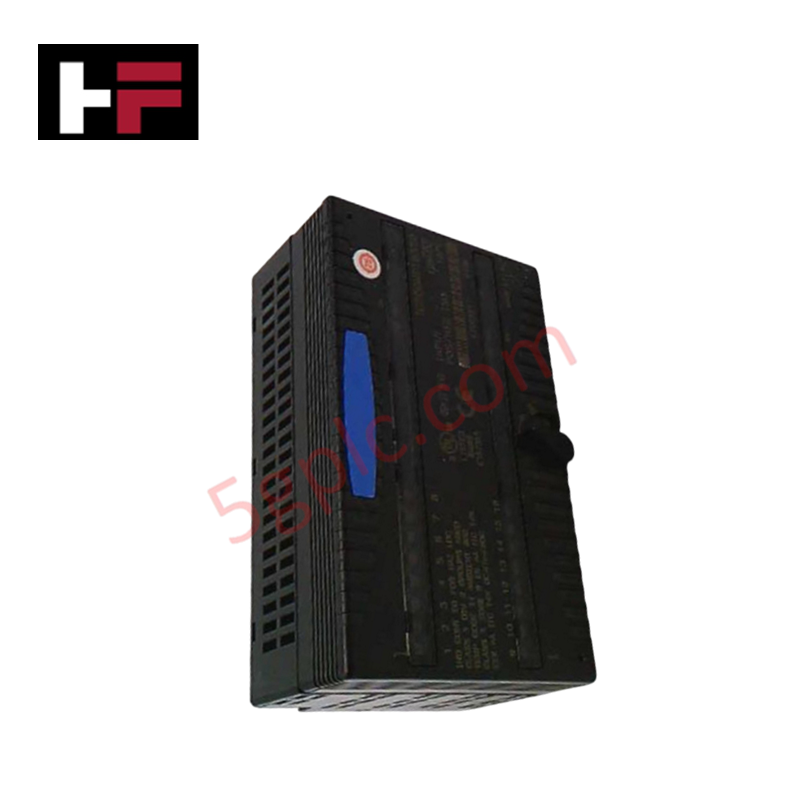
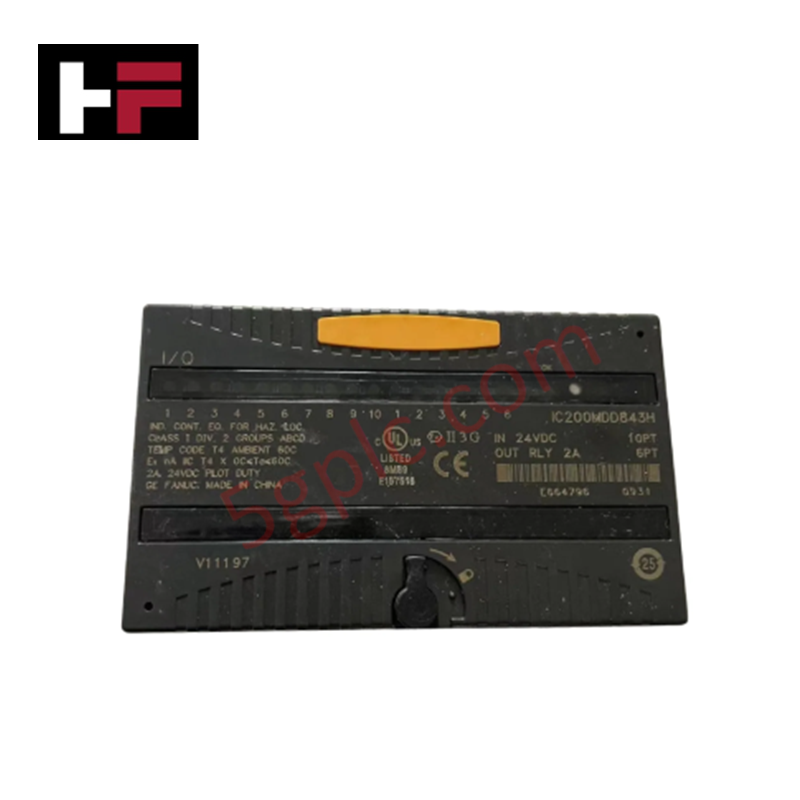
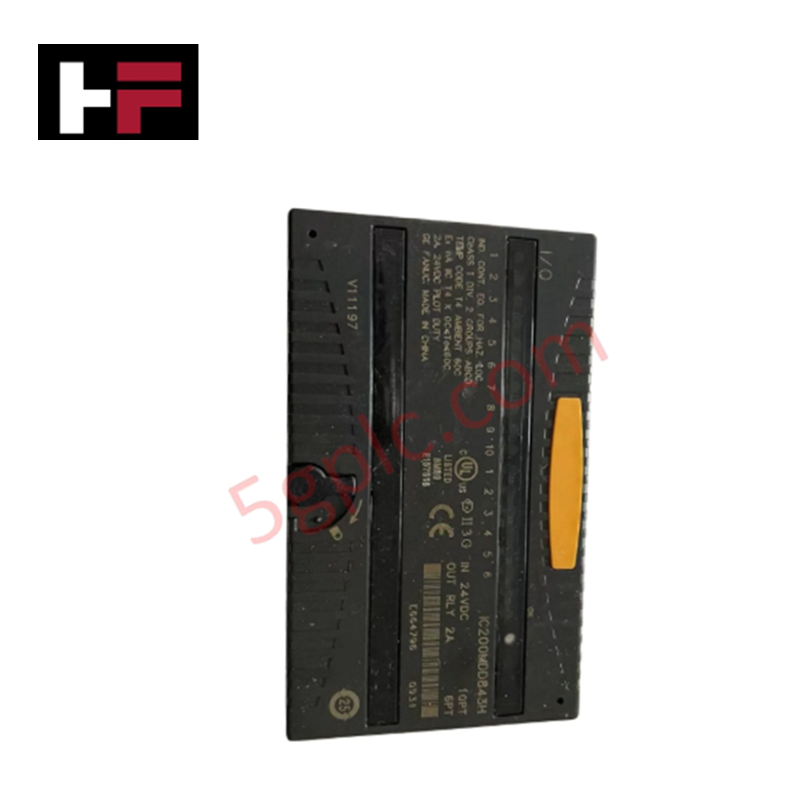
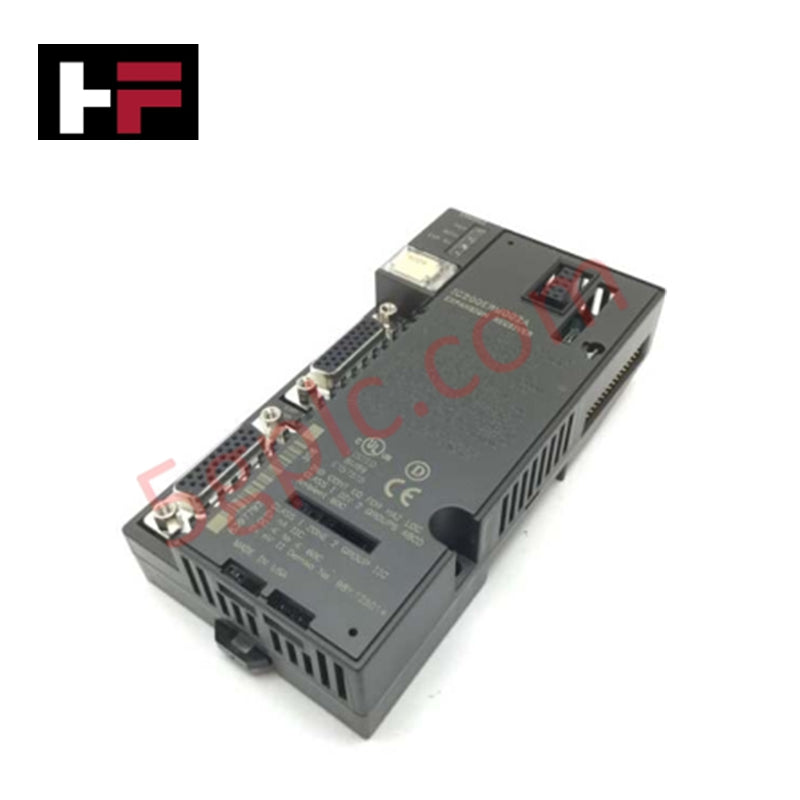
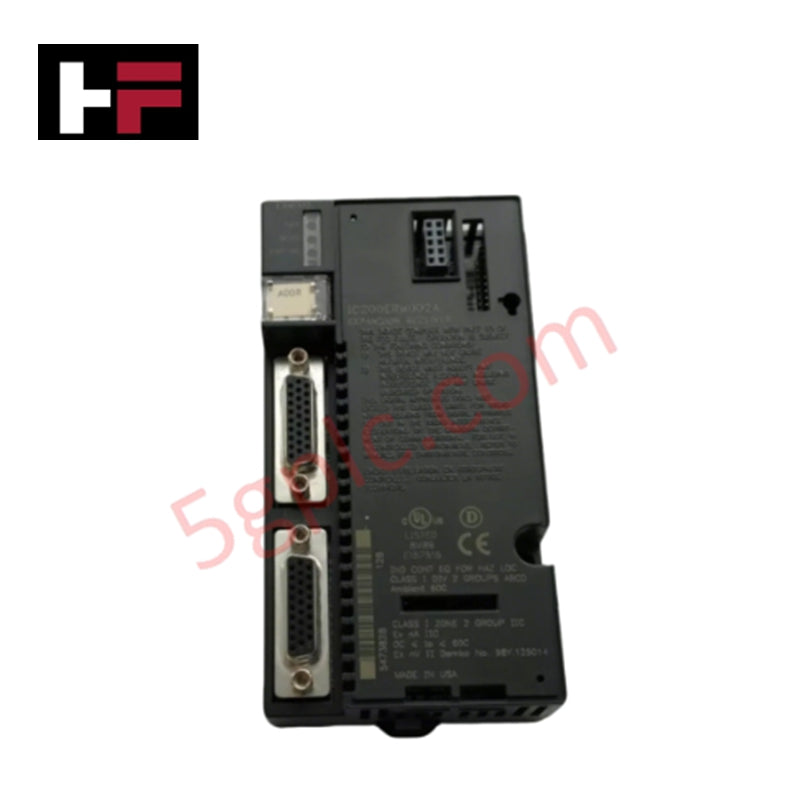
The IS210AEBIH3BEC Bridge Interface Card is a compact I/O board manufactured by GE Fanuc, designed for integration within wind turbine and industrial automation systems. This module plays a critical role in managing data communication and control, ensuring seamless operation across connected subsystems. Built with a robust design, it meets the reliability standards required for demanding industrial environments.
Technical Specifications
-
Model Number: IS210AEBIH3BEC
-
Manufacturer: General Electric (GE Fanuc)
-
Series/Family: Mark VIe Control System
-
Product Type: Bridge Interface I/O Board
-
Dimensions: 14.8 cm (L) × 10.3 cm (W) × 3.2 cm (H)
-
Weight: 0.24 kg
-
Country of Origin: United States
-
Applications: Wind turbines, industrial automation systems
-
Role: Facilitates data input/output and ensures control within automation systems
-
Key Features:
-
Reliable data communication between system components
-
Supports integration with monitoring and control subsystems
-
Rugged construction for durability in harsh environments
Application Scenarios
-
Wind turbine control systems requiring efficient data exchange
-
Industrial automation platforms with distributed I/O requirements
-
Power generation systems needing robust communication modules
FAQ
Q: What is the primary function of the IS210AEBIH3BEC? A: It manages data input/output and ensures reliable communication between turbine control subsystems.
Q: Is this board suitable for non-turbine applications? A: Yes, it can be used in broader industrial automation systems requiring robust I/O communication.
Q: What makes this board durable for industrial use? A: It is designed with a rugged construction that meets reliability and durability standards for harsh environments.
Comparable Models
-
IS210AEBIH3BAA – Earlier revision with limited integration features.
-
IS210AEBIH3BFA – Enhanced version offering extended monitoring capabilities.
Additional Information
- 100% Genuine Parts: All products are original and authentic, ensuring reliable industrial performance.
- 30-Day Refund Guarantee: Return any in-stock item within 30 days in original, unopened packaging for a full refund (excluding shipping and fees).
- 12-Month Warranty: Covers defects in materials or workmanship; excludes misuse, normal wear, or unauthorized modifications.
- Worldwide Shipping: We ship via USPS, UPS, FedEx, and DHL. Delivery times vary by country and may be subject to customs or import fees.
- Support & Contact: Technical and warranty assistance is available anytime. Contact us here: Contact.
- Purchase Guidance: Check product specifications and compatibility carefully before ordering to ensure proper application.
Tech & Buying Guide

Essential Best Practices for PLC Wiring and Installation in Industrial Automation
Successful control system deployment begins with thoroughly reviewing manufacturer technical documentation. Controllers from major brands like Allen-Bradley, Siemens, and Schneider Electric feature unique terminal layouts. Engineers must verify voltage requirements before connecting power cables to prevent catastrophic equipment damage. Standard line connections require strict adherence to regional electrical codes and proper wire color coding. Furthermore, panel builders should always establish a robust low-impedance ground connection using at least 16-AWG copper conductor tied directly to the main plant grounding grid.
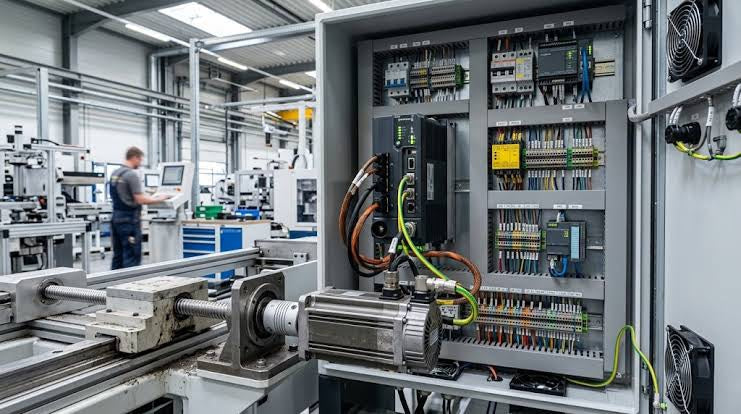
Demystifying Programmable Logic Controllers: Comprehensive Guide to PLC Classification and Selection in Industrial Automation
Modern industrial automation heavily relies on Programmable Logic Controllers (PLCs) to drive factory floor efficiency. Over my 15 years as an industrial automation expert working with DCS, TSI, and control systems, I have seen PLCs evolve into the central nervous system of modern manufacturing. Selecting the right controller requires a deep understanding of PLC types based on physical size, hardware architecture, and power supply configurations.
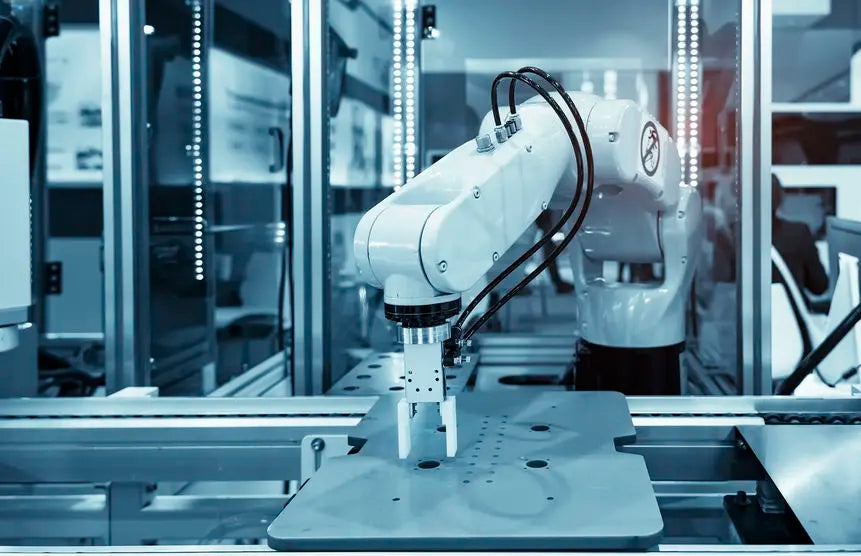
Comprehensive Guide to PLC Types in Modern Industrial Automation
Modern industrial automation relies on programmable logic controllers to govern critical factory operations. System integrators classify PLCs based on scale, hardware architecture, and power supply design. Understanding these core categories enables automation engineers to select the right control system architecture. Consequently, proper hardware selection optimizes performance while minimizing long-term operational costs.