










Product Details
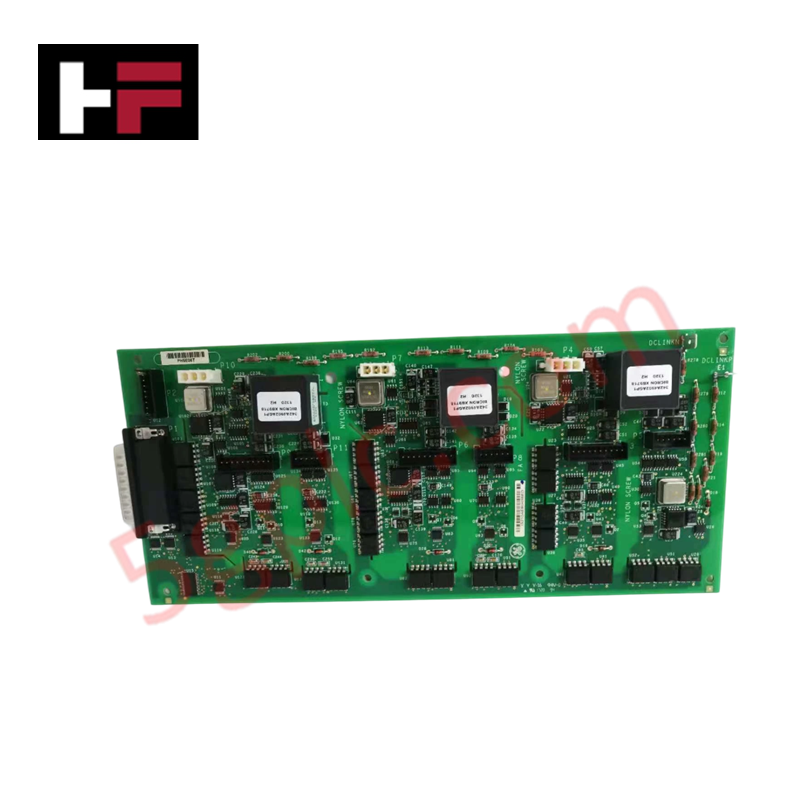
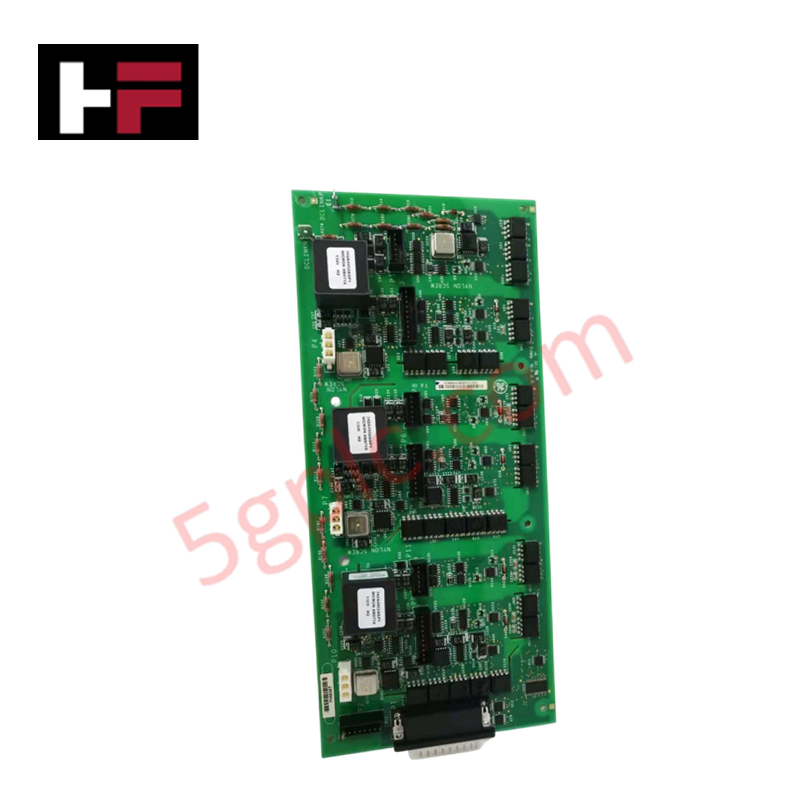
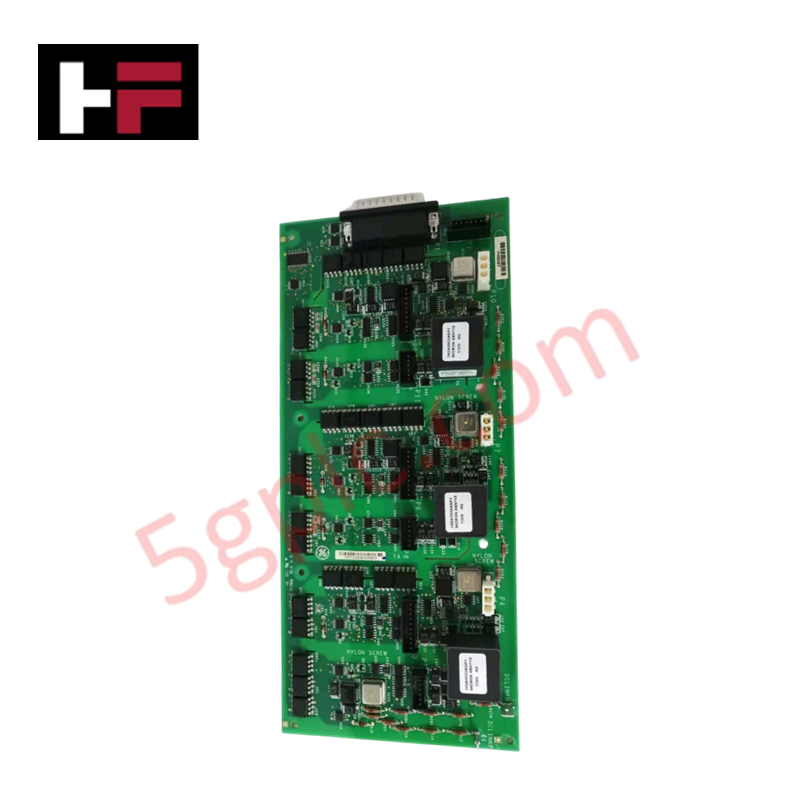
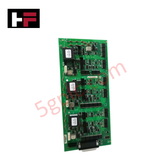
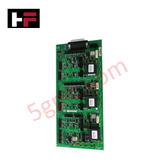
Configured for signal bridging in Mark VIe wind turbine control networks, the GE IS210AEBIH3B (IS210AEBIH3B Alternative Energy Bridge Interface) provides direct physical/electrical execution. This module functions as a specialized interface bridge, facilitating data communication and signal routing between wind turbine control components and the system backplane, utilizing conformal coating for environmental protection.
Hardware Specifications
| Parameter | Specification |
|---|---|
| Model | IS210AEBIH3B |
| Brand | GE Energy |
| Origin | USA |
| Weight | Not specified |
| Dimensions | Standard Mark VIe PCB form factor |
| Operating Temp | Industrial standard range |
| Power Consumption | Not specified |
| Product Type | Alternative Energy Bridge Interface |
Profinet / EtherNet/IP Deterministic Networks
The IS210AEBIH3B relies on consistent backplane bus communication velocity to manage signal bridging functions within the Mark VIe Wind series architecture. The board features an "IS210" special assembly designation, distinguishing it from standard "IS200" PCB assemblies, often associated with specialized grounding terminals or SCOM output configurations required for high-density wind turbine control applications. Deterministic performance is contingent upon correct firmware flash compatibility with the host controller. Proper I/O density scaling must be observed during system integration to prevent timing conflicts within the wind control logic scan cycle.
Frequently Asked Questions
Q: What is the significance of the conformal coating on this module?
A: The conformal coating provides a protective chemical insulator layer over all hardware components on the PCB. It is applied to increase resistance to humidity, dust, and corrosive airborne contaminants prevalent in turbine nacelle environments.
Q: Is this board physically interchangeable with a standard IS200 series board?
A: No. The IS210 designation indicates a special assembly version, which may include unique grounding circuitry or terminal configurations (such as SCOM outputs) not present on standard IS200 series boards. Verify hardware compatibility before attempting replacement.
Field Installation Guidelines
- Mounting: Ensure the board is properly secured within the designated slot in the Mark VIe control cabinet. Use appropriate ESD precautions during handling to avoid damage to sensitive surface-mount components.
- Grounding: Due to the special assembly nature of the IS210 series, verify all grounding connections, including the SCOM terminal if applicable, to ensure the board is correctly referenced to the system cabinet common.
- Signal Routing: Route communication and bridge signals away from high-voltage power cables to minimize electromagnetic interference. Utilize shielded cabling as specified by the Mark VIe installation documentation.
- Maintenance: Inspect the conformal coating during routine maintenance intervals for any signs of cracking or peeling. Do not clean the board with solvents that may degrade the protective coating or affect component solder joints.
Additional Information
- 100% Genuine Parts: All products are original and authentic, ensuring reliable industrial performance.
- 30-Day Refund Guarantee: Return any in-stock item within 30 days in original, unopened packaging for a full refund (excluding shipping and fees).
- 12-Month Warranty: Covers defects in materials or workmanship; excludes misuse, normal wear, or unauthorized modifications.
- Worldwide Shipping: We ship via USPS, UPS, FedEx, and DHL. Delivery times vary by country and may be subject to customs or import fees.
- Support & Contact: Technical and warranty assistance is available anytime. Contact us here: Contact.
- Purchase Guidance: Check product specifications and compatibility carefully before ordering to ensure proper application.


Tech & Buying Guide

Step-by-Step System Cabinet Health Check Guide for PLC and DCS Infrastructure

Top 5 Operational Advantages of HMIs in Modern Factory Automation
