












Product Details
Product Overview
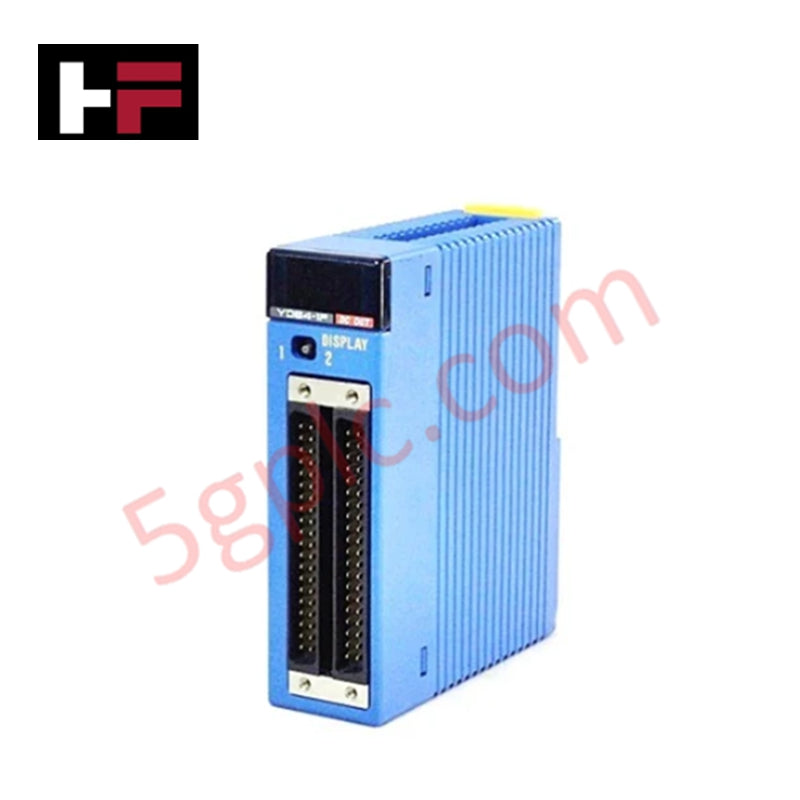
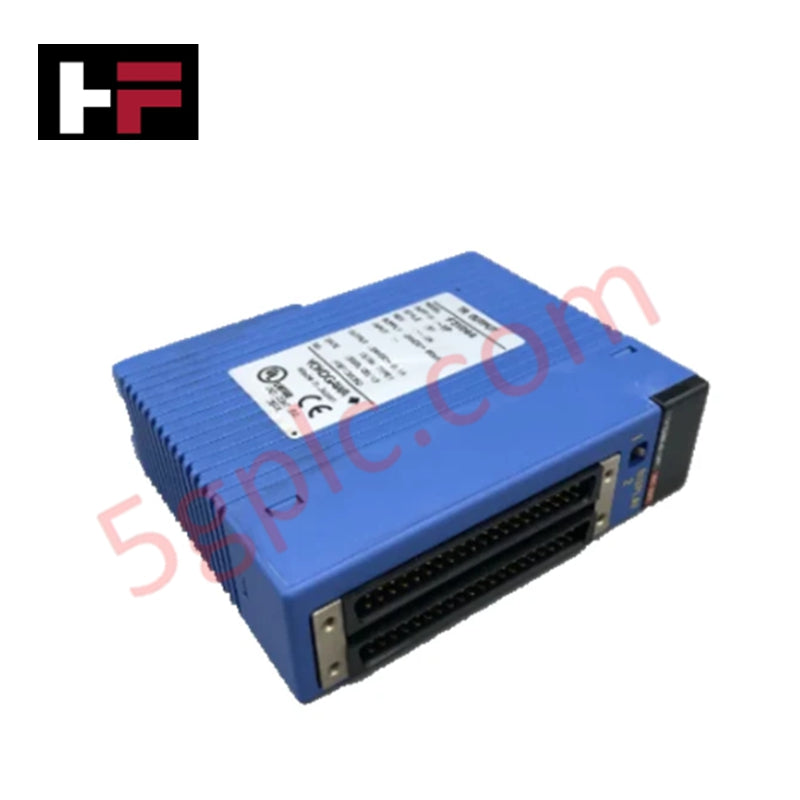
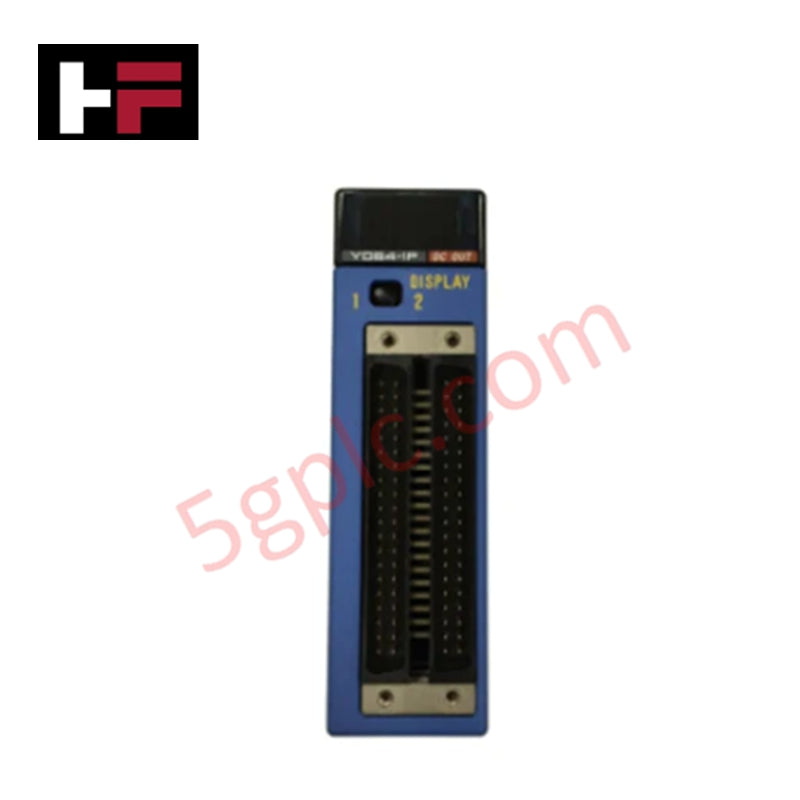
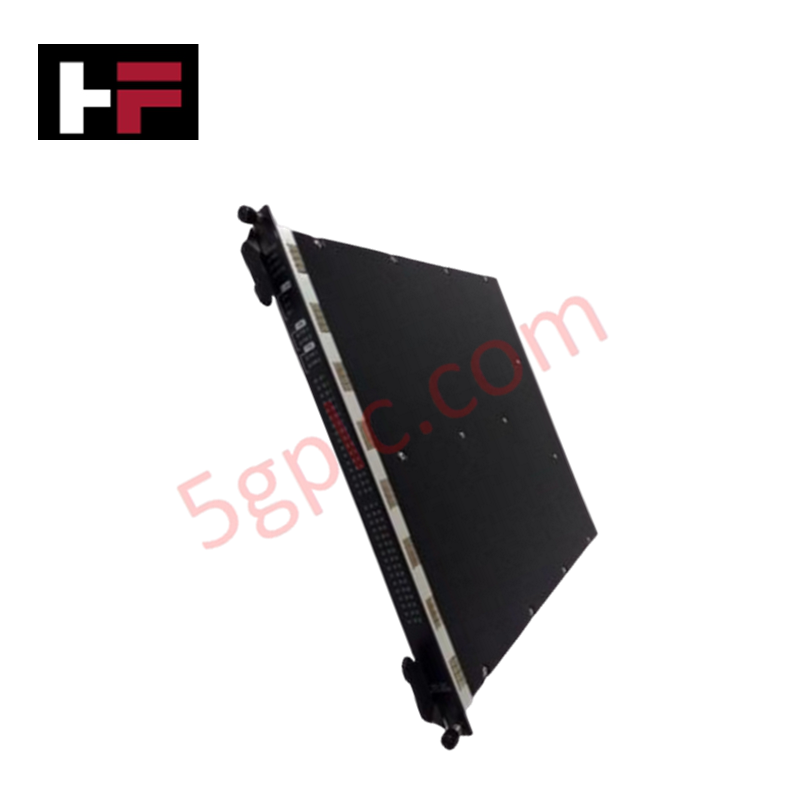
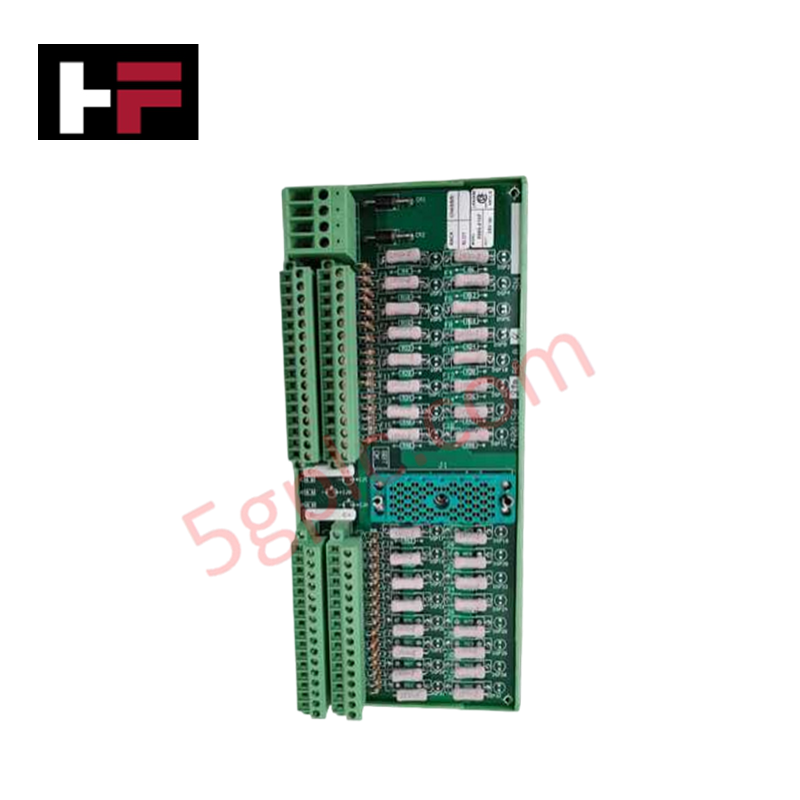
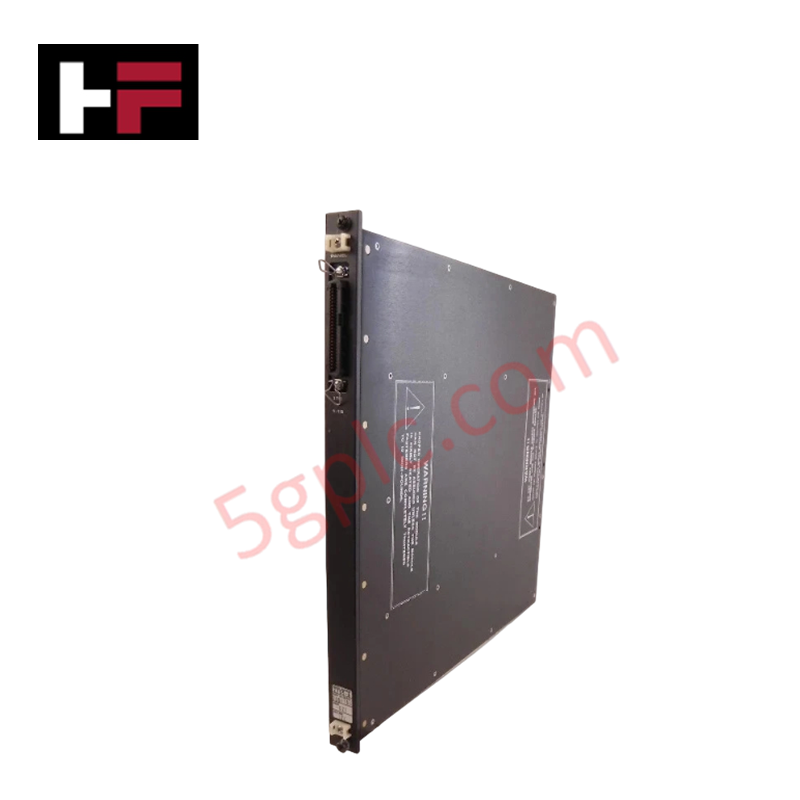
The Yokogawa F3YD64-1P functions as a high-density digital output solution for the FA-M3 range-free multi-controller series. This transistor output module manages 64 discrete points, allowing the PLC to drive extensive arrays of external relays, solenoids, and indicators simultaneously. By utilizing advanced photocoupler isolation, the module safeguards internal logic from field-side electrical surges. We supply this unit as 100% Brand New and original, ensuring peak switching performance and long-term hardware availability for your automation rack.
Technical Specifications
The F3YD64-1P delivers high-density switching capabilities within a compact footprint, optimized for modern control cabinets.
-
Manufacturer: Yokogawa Electric Corporation
-
Model: F3YD64-1P
-
Output Type: Transistor Output (Sink/Source depending on wiring)
-
Number of Points: 64 Points
-
Common Line Configuration: 8 points per common line
-
Isolation Method: Photocoupler isolation
-
Withstanding Voltage: 1500 V AC for one minute (external to internal)
-
Rated Load Voltage: 12 to 24 V DC
-
Operating Voltage Range: 10.2 to 26.4 V DC
-
Internal Current Consumption: 275 mA at 5 V DC
-
External Power Supply Requirement: 12 to 24 V DC (95 mA)
-
Weight: 0.13 kg
-
Dimensions: 2.89 cm x 8.32 cm x 10 cm
Engineering Advantages
The F3YD64-1P solves critical spatial and electrical challenges in complex industrial environments:
-
High-Density Space Optimization: Packing 64 output points into a module less than 3 cm wide significantly reduces the required DIN rail space. This allows engineers to design smaller control cabinets or increase functionality within existing enclosures.
-
Enhanced Circuit Protection: The 1500 V AC photocoupler isolation creates a robust barrier between field wiring and the PLC backplane. This prevents high-voltage transients from damaging the CPU, effectively minimizing system-wide downtime caused by field faults.
-
Simplified Wiring Logic: The "8 points per common" architecture balances high-density connectivity with ease of troubleshooting. Technicians can isolate specific groups of outputs for maintenance without disrupting the entire module's operation.
-
Efficient Thermal Management: The low-power transistor design minimizes heat dissipation during high-frequency switching. This stability prevents localized hotspots in the I/O nest, extending the lifespan of adjacent analog or communication modules.
FAQs
How do I connect 64 points to such a small module?
The F3YD64-1P utilizes high-density multi-pin connectors. You must use compatible Yokogawa signal cables and terminal blocks to break these points out for field wiring. This approach eliminates the bulk of traditional screw terminals on the module face.
Does the module require an external power supply?
Yes. While the module draws 275 mA from the PLC backplane for internal logic, the output circuits require an external 12 to 24 V DC power source (95 mA) to drive the field loads.
What is the advantage of photocoupler isolation over mechanical relays?
Photocouplers offer significantly faster switching speeds and infinite mechanical life. Unlike relays, transistors do not suffer from contact wear or arcing, making the F3YD64-1P ideal for high-cycle applications like pulse-width modulation (PWM) or rapid valve sequencing.
Additional Information
- 100% Genuine Parts: All products are original and authentic, ensuring reliable industrial performance.
- 30-Day Refund Guarantee: Return any in-stock item within 30 days in original, unopened packaging for a full refund (excluding shipping and fees).
- 12-Month Warranty: Covers defects in materials or workmanship; excludes misuse, normal wear, or unauthorized modifications.
- Worldwide Shipping: We ship via USPS, UPS, FedEx, and DHL. Delivery times vary by country and may be subject to customs or import fees.
- Support & Contact: Technical and warranty assistance is available anytime. Contact us here: Contact.
- Purchase Guidance: Check product specifications and compatibility carefully before ordering to ensure proper application.





Tech & Buying Guide

Human-Machine Interface Design: Essential Guide to HMI Selection, Visualization, and Control System Integration
Human-Machine Interfaces (HMIs) serve as the primary operational window into complex industrial automation systems. Modern HMIs convert raw machine data into clear graphical displays, enabling operators to oversee entire manufacturing processes in real time. Instead of relying on physical control panels full of hardwired switches, engineers program interactive screens using intuitive graphics, dynamic color coding, and responsive touch interfaces. Over my 15 years in control systems engineering, I have observed HMIs transform from basic display screens into sophisticated command centers that drive operational efficiency across DCS and PLC environments.

Understanding Safety Relays in Industrial Automation: Architecture, Operation, and Functional Safety
Standard electromechanical relays provide basic electrical isolation between low-voltage control circuits and high-power output loads. A traditional switching relay features a magnetic coil driving mechanical Common (COM), Normally-Open (NO), and Normally-Closed (NC) contacts. However, standard relays pose severe functional risks when deployed in critical safety interlock circuits. High current inrush or mechanical wear can weld contacts together permanently. If contact welding occurs in an emergency stop circuit, pressing the button fails to halt hazardous machinery movements. Consequently, global functional safety standards prohibit standard relays for critical machine guarding functions.

Mastering Wire Identification in Industrial Automation: The Power of Ferrules and Cross-Ferruling
Proper wire labeling forms the cornerstone of reliable control system installation and long-term maintenance. In complex industrial automation environments, technicians terminate thousands of conductor ends inside control panels, marshalling racks, and field junction boxes. Ferrules serve as individual tube-shaped sleeve markers slipped onto conductors before final termination. While technicians historically relied on pre-printed individual letter rings, modern control panel builders utilize automated ferrule printing machines. These thermal-transfer printers generate durable, single-sleeve heat-shrink tags directly matching approved wiring schematics, significantly accelerating cabinet assembly workflows.