











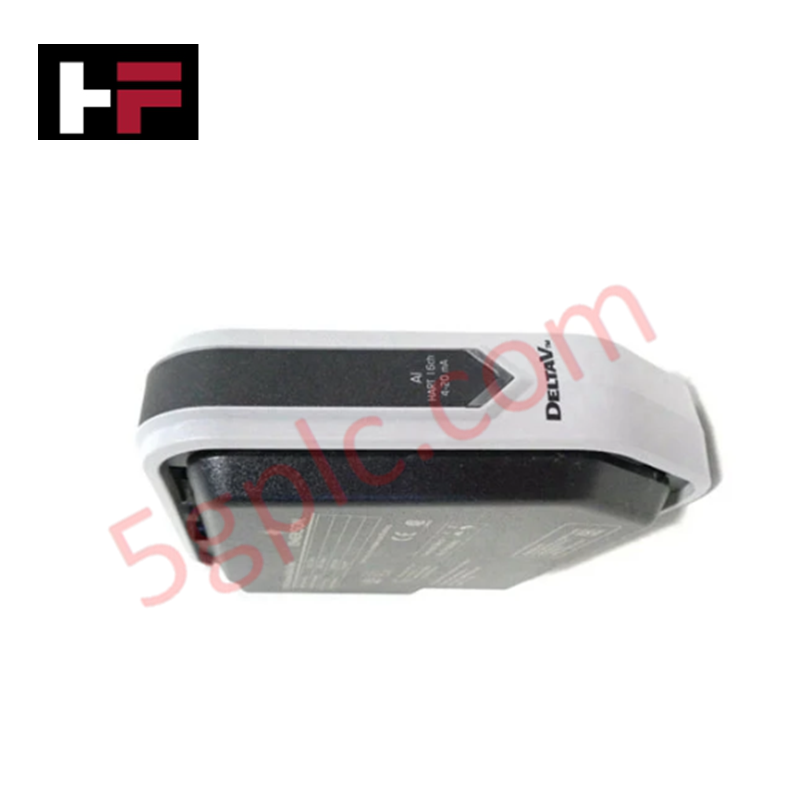




Product Details
The Emerson KJ3246X1-BA1, also cataloged as the KJ3246X1-BA1 Fieldbus Interface, operates as a dedicated hardware component for FOUNDATION Fieldbus communication and power management within DeltaV S-Series platforms.
Hardware Specifications
| Parameter | Specification |
|---|---|
| Model | KJ3246X1-BA1 |
| Brand | Emerson |
| Origin | Not specified |
| Weight | Not specified |
| Dimensions | Not specified |
| Operating Temp | -40 deg C to 70 deg C |
| Power Consumption | 12 VDC @ 300 mA (Local Bus) |
| Field Circuit Power | 28 to 30 VDC @ 400 mA/port |
Process Control: FOUNDATION Fieldbus Connectivity
The KJ3246X1-BA1 manages FOUNDATION Fieldbus communication by integrating protocol-specific power conditioning directly into the interface port. This design enables the module to serve as a power source for field-connected instruments while simultaneously facilitating bi-directional digital data exchange. The integrated power supply provides a regulated 28 to 30 VDC field voltage, ensuring stable operation for multi-device fieldbus segments. This architecture maintains strict adherence to the FOUNDATION Fieldbus physical layer specifications, ensuring interoperability between field devices and the DCS control network.
Frequently Asked Questions (FAQ)
Q: Can the field circuit power output be adjusted to accommodate different bus segments?
A: The field power output is fixed within the 28 to 30 VDC range as defined by the hardware design. It is intended for standard FOUNDATION Fieldbus segments; adjustments are not supported via software or mechanical configuration.
Q: How does the module handle short-circuit conditions on the fieldbus segment?
A: The KJ3246X1-BA1 incorporates current limiting on the field circuit outputs. In the event of a short-circuit, the module will restrict the current to protect the internal power components, though the specific trip timing is dictated by the hardware's inherent thermal and electrical response profile.
Field Installation Guidelines
- Mounting: Install the module onto the designated DeltaV S-Series carrier. Ensure the terminal block key position is set to D6 to match the module interface requirements and prevent incorrect module insertion.
- Grounding: Terminate the shield of the fieldbus trunk cable to the designated cabinet earth ground bus. Consistent shielding is necessary to prevent signal degradation and to comply with electromagnetic immunity standards.
- Wiring: Verify the field circuit polarity before connecting fieldbus devices. Use standard shielded twisted-pair cabling for fieldbus segments to minimize signal attenuation and maintain the integrity of the digital communication packets.
- Environmental: Ensure the cabinet housing maintains the module within the -40 deg C to 70 deg C operating temperature range and is sealed to satisfy ISA-S71.04-1985 Class G3 contaminant protection requirements.
Additional Information
- 100% Genuine Parts: All products are original and authentic, ensuring reliable industrial performance.
- 30-Day Refund Guarantee: Return any in-stock item within 30 days in original, unopened packaging for a full refund (excluding shipping and fees).
- 12-Month Warranty: Covers defects in materials or workmanship; excludes misuse, normal wear, or unauthorized modifications.
- Worldwide Shipping: We ship via USPS, UPS, FedEx, and DHL. Delivery times vary by country and may be subject to customs or import fees.
- Support & Contact: Technical and warranty assistance is available anytime. Contact us here: Contact.
- Purchase Guidance: Check product specifications and compatibility carefully before ordering to ensure proper application.




Tech & Buying Guide

Comprehensive Guide to Noise Types in Industrial Automation and Electronics

Mitigating Emergency Stop Spurious Trips in Industrial Control Systems
Emergency stop (E-Stop) pushbuttons serve as vital safety devices in factory automation and process control plants. Functional safety standards mandate normally-closed (NC) contact blocks to ensure fail-safe operation during wiring breaks or power outages. However, mechanical degradation over time can trigger unexpected spurious trips, halting production lines without an actual emergency. Understanding the underlying causes of mechanical contact failure allows automation engineers to implement robust, fault-tolerant safety circuits.
Redundant Automation Systems: Maximizing Uptime in Critical Control Applications
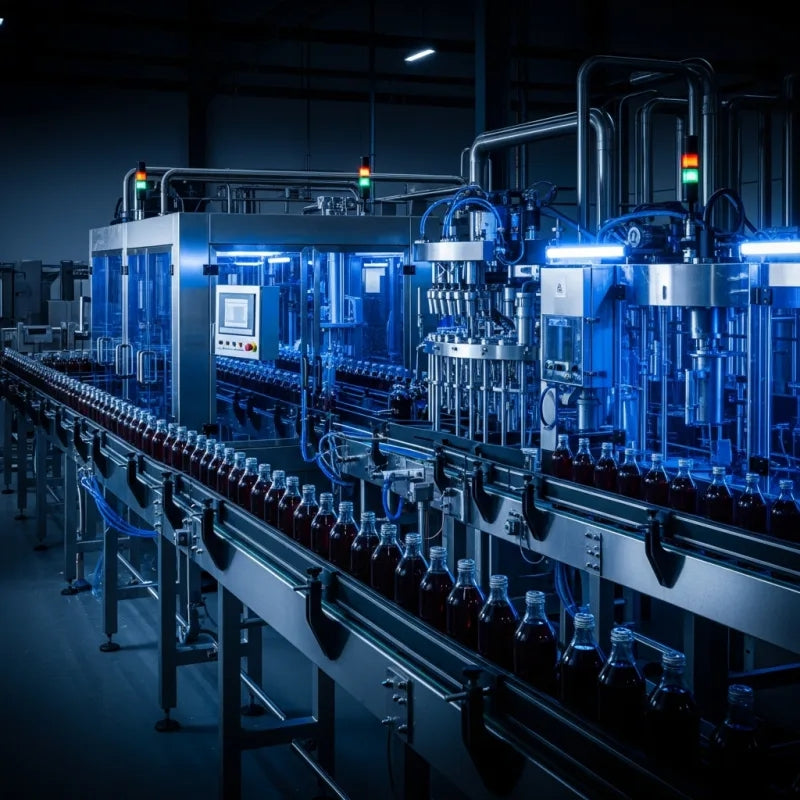
Industrial automation relies on continuous operational stability to prevent catastrophic downtime and financial loss. While standard dictionary definitions treat redundancy as superfluous, industrial engineers consider redundant control architectures indispensable for high-availability systems. Implementing backup hardware ensures seamless takeover during primary equipment failures, protecting critical infrastructure across manufacturing and process industries.