


Product Details
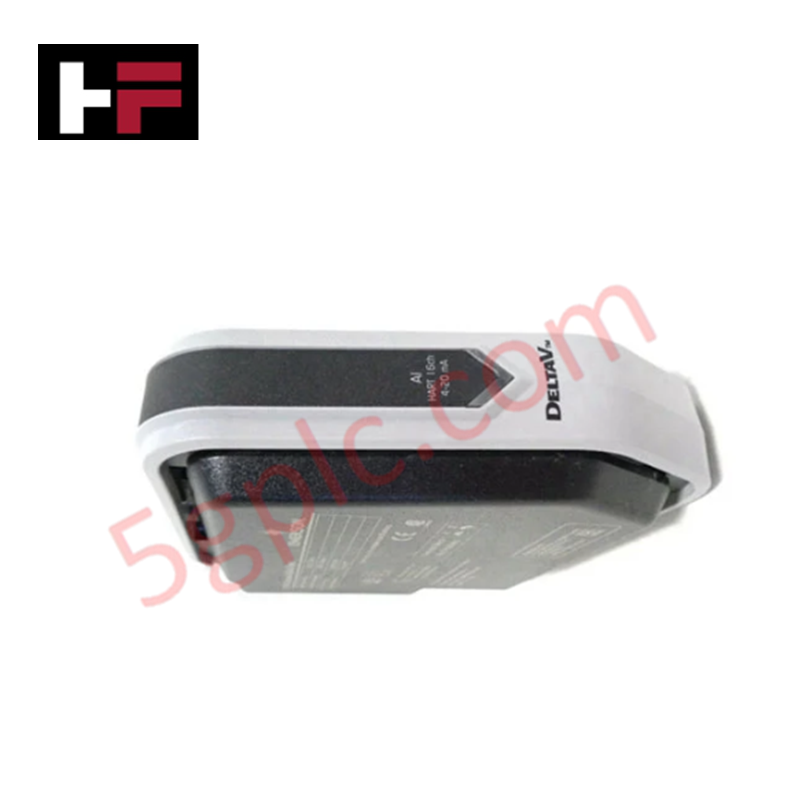
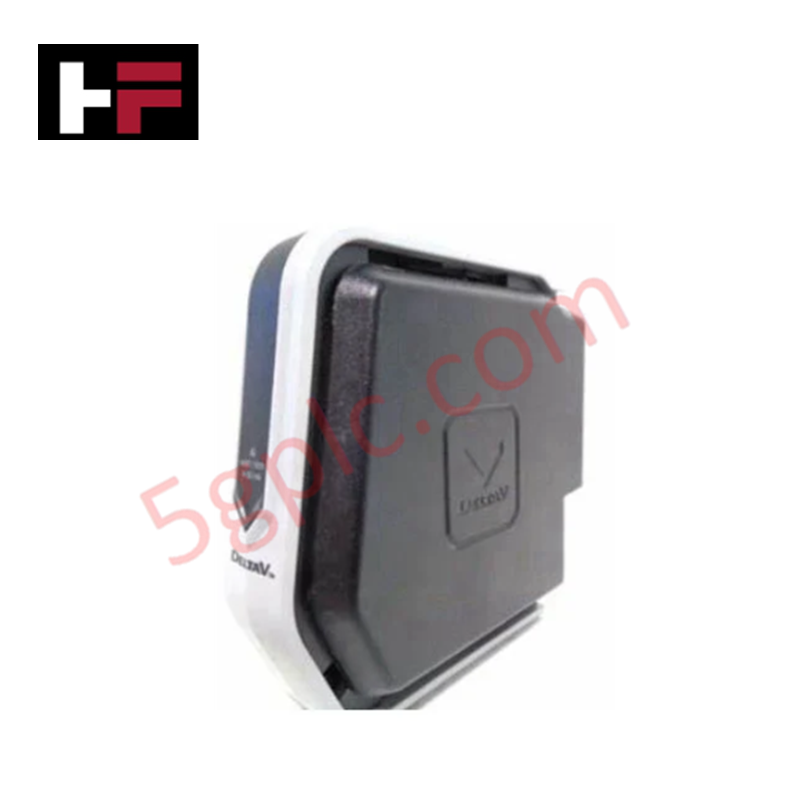
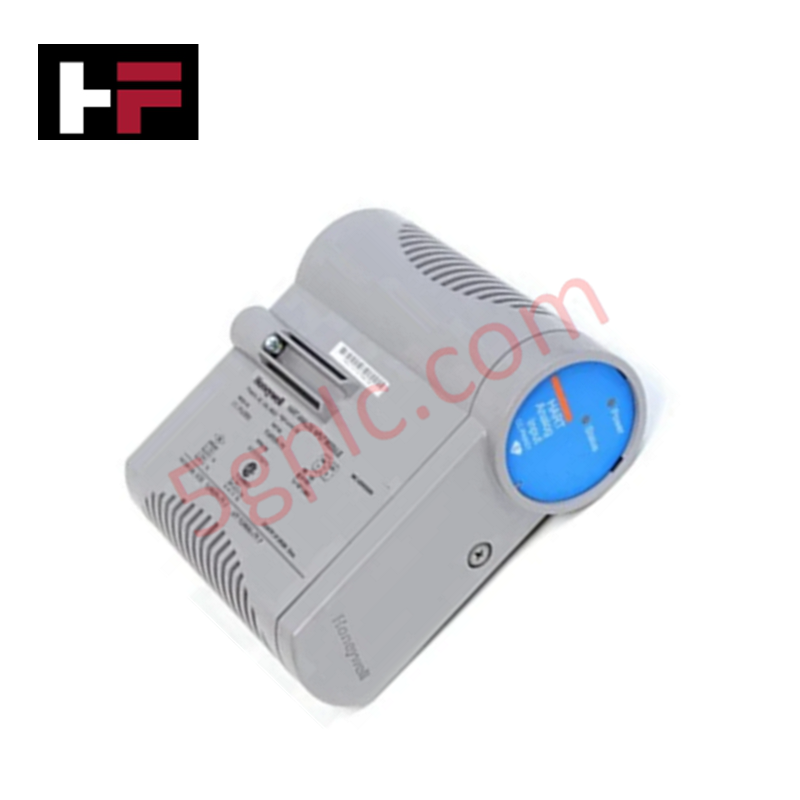
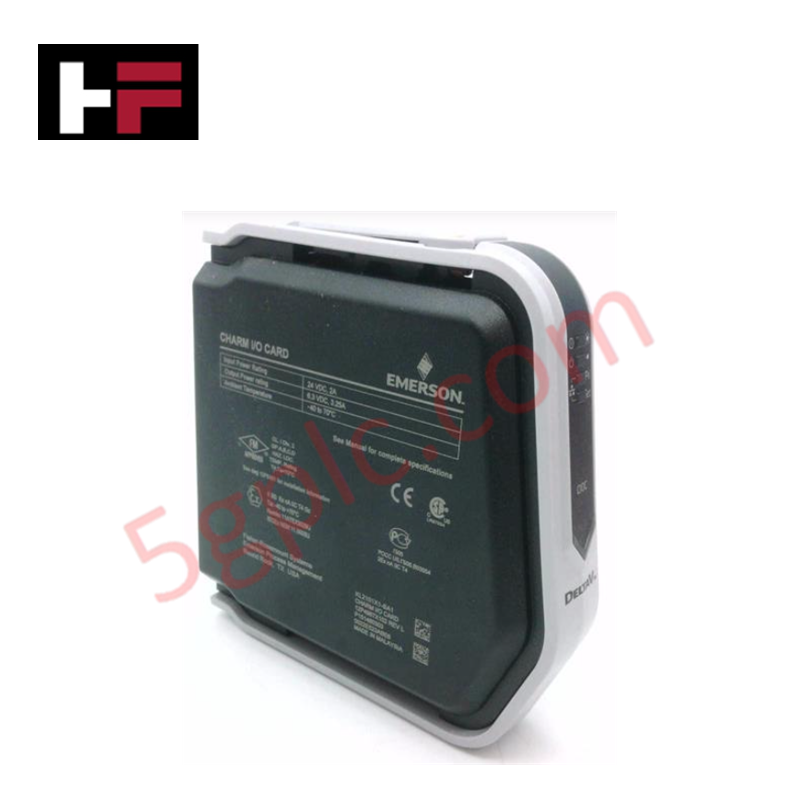
Configured for high-speed fieldbus synchronization in DeltaV distributed control architectures, the Emerson KJ3243X1-BK1 (KJ3243X1-BK1 Profibus DP Interface Card) provides direct physical/electrical execution. This communication module processes external cyclic and acyclic data frames from remote field instruments, mapping distributed network addresses onto the localized backplane system register configuration for central controller access.
Hardware Specifications
| Parameter | Specification |
| Model | KJ3243X1-BK1 |
| Brand | Emerson |
| Origin | USA |
| Weight | 0.35 kg |
| Dimensions | Standard DeltaV S-Series module footprint |
| Operating Temp | -40 deg C to +70 deg C |
| Power Consumption | 12 VDC at 600 mA (Local Bus Power) |
| Interface Network | Profibus DP (Decentralized Periphery) |
| Subassembly Coding | Terminal Block key position D3 |
| Shock Resistance | 10g 1/2 sine wave for 11 ms |
| Vibration Resistance | 1 mm peak-to-peak from 2 to 13.2 Hz; 0.7g from 13.2 to 150 Hz |
| Airborne Contaminants | ISA-S71.04-1985 Airborne Contaminants Class G3 |
| Relative Humidity | 5% to 95% non-condensing |
Distributed Process Fieldbus Connectivity
Mechanical execution of this S-Series network card utilizes integrated transceivers to govern data transport rates over industrial lines. The hardware layer establishes dedicated FOUNDATION Fieldbus / Profibus PA connectivity and Profibus DP protocol integration through localized channel-to-channel isolation barriers. This localized electronic separation stops ground potential shifts or transient electromagnetic interference generated along long external cable links from cross-talking into parallel instrumentation loops or corrupting backplane communication frames.
Frequently Asked Questions
Q: Does this Profibus DP communication interface card support live hot-swap replacement procedures?
A: Yes. The hardware contains localized power-limiting tracking paths that allow online insertion and extraction without de-energizing the main carrier rail or disrupting parallel processing modules on the network.
Q: What is the mechanical function of the designated D3 key configuration?
A: The D3 mechanical key profile secures physical alignment with the matching terminal block matrix, blocking the connection of incompatible hardware variants to prevent interface destruction.
Field Installation Guidelines
-
Carrier Track Alignment: Place the module interface guides squarely over the intended slot of the S-Series carrier baseplate. Apply steady force downward until the integrated retention clips lock onto the tracking rails.
-
Network Cable Termination: Attach the shielded twisted-pair Profibus cable lines to the matching terminal block. Torque all connection screws down to standard limits to avoid signal reflection losses from high contact resistance.
-
Shield Grounding Matrix: Ground all communication cable shield layers at the centralized marshalling panel common earth bus bar. This single-point grounding configuration suppresses external common-mode noise propagation across data channels.
-
Bus Termination Maintenance: Verify that active network termination resistors are switched to the on position strictly at the first and last physical nodes of the bus layout to ensure stable transmission line impedance.
Additional Information
- 100% Genuine Parts: All products are original and authentic, ensuring reliable industrial performance.
- 30-Day Refund Guarantee: Return any in-stock item within 30 days in original, unopened packaging for a full refund (excluding shipping and fees).
- 12-Month Warranty: Covers defects in materials or workmanship; excludes misuse, normal wear, or unauthorized modifications.
- Worldwide Shipping: We ship via USPS, UPS, FedEx, and DHL. Delivery times vary by country and may be subject to customs or import fees.
- Support & Contact: Technical and warranty assistance is available anytime. Contact us here: Contact.
- Purchase Guidance: Check product specifications and compatibility carefully before ordering to ensure proper application.




Tech & Buying Guide

Importance of Safety Barriers in PLC and DCS Control Systems

Static UPS vs. Rotary UPS: Technical Evaluation for Industrial Automation