Product Details
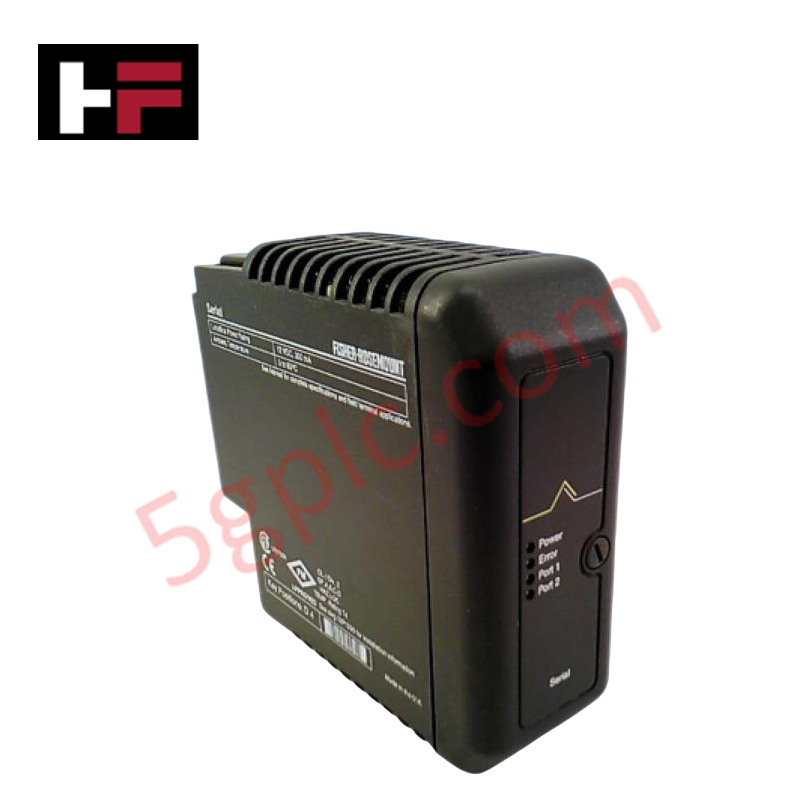
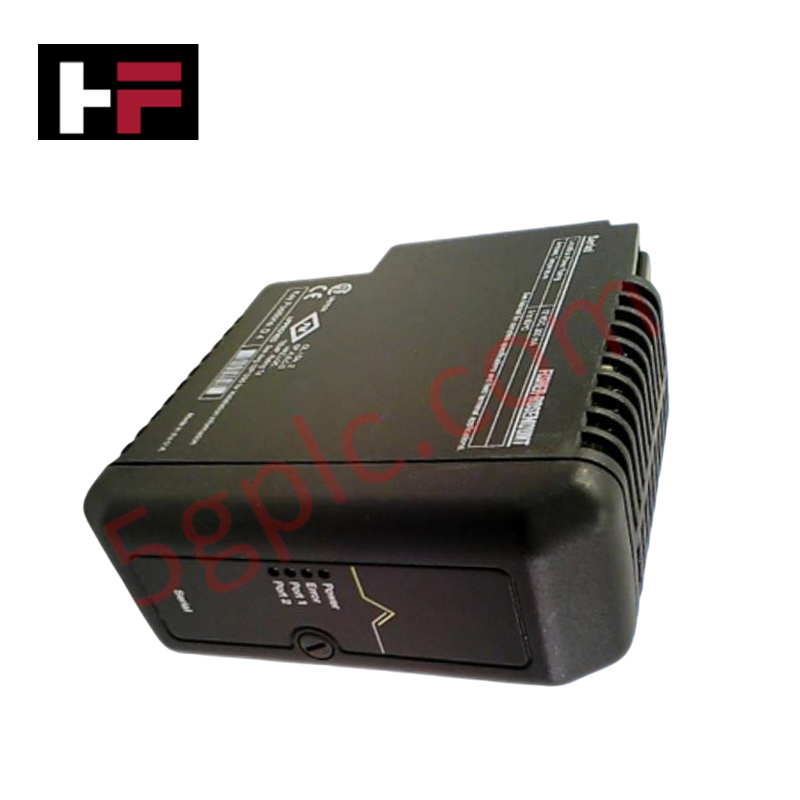
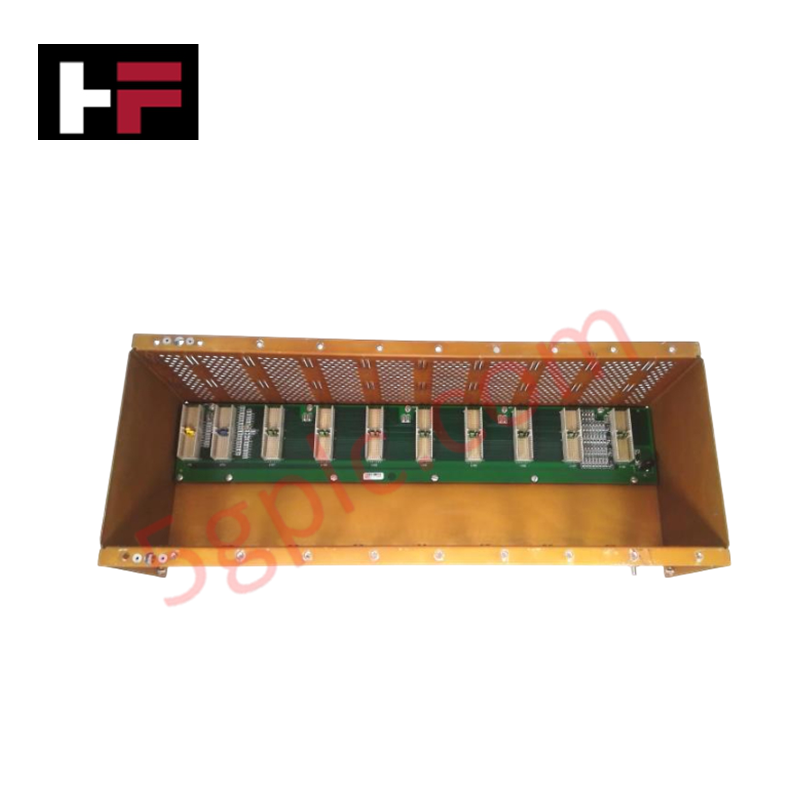
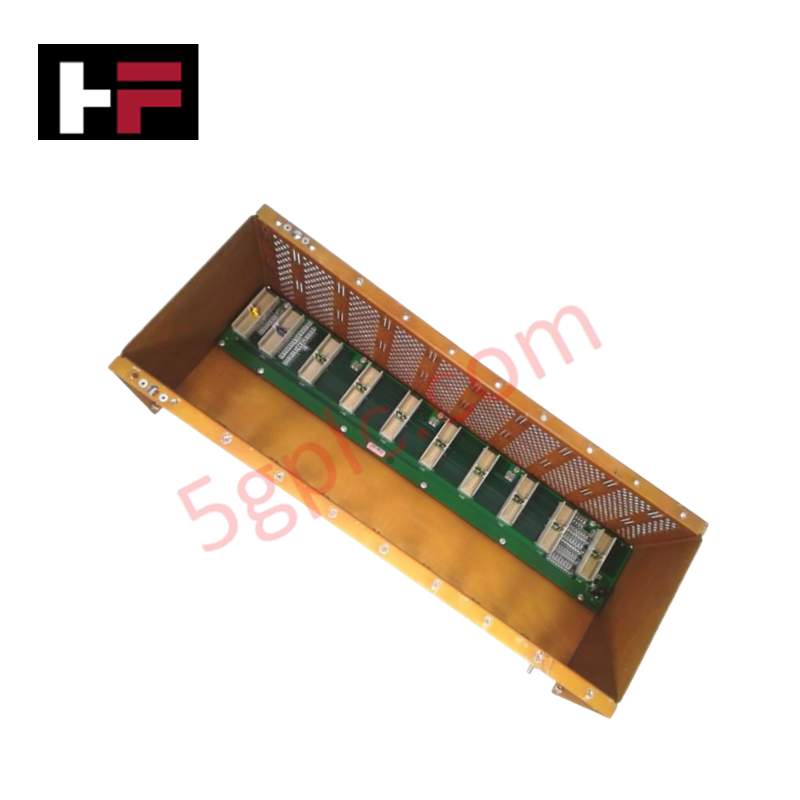
The Emerson KJ3003X1-BA1, also cataloged as the KJ3003X1-BA1 Serial Interface Terminal Module, operates as a dedicated hardware component for localized serial data distribution within DeltaV control systems. This connection hardware establishes direct physical paths to partition protocol signals across the bus infrastructure, coordinating real-time electronic bitstreams sent between modular network nodes and external communication loops.
Hardware Specifications
| Parameter | Specification |
| Model | KJ3003X1-BA1 |
| Brand | Emerson |
| Origin | USA |
| Weight | 0.40 lbs |
| Dimensions | Standard DeltaV marshalling terminal footprint |
| Operating Temp | -40 deg C to +70 deg C |
| Power Consumption | 12 VDC at 300 mA (Local Bus Power) |
| Interface Classification | Serial Interface Communication Track |
| Ingress Protection | IP 20 Rating |
| Airborne Contaminants | ISA-S71.04 Class G3 compliance |
| Relative Humidity | 5% to 95% non-condensing |
Channel-to-Channel Isolation and DCS Instrumentation Loops
Mechanical execution of this interface subassembly integrates channel-to-channel isolation parameters engineered to maintain continuous serial telemetry streams. The circuit matrix decouples each localized port line from parallel active field links, preventing common-mode voltage spikes or ground potential loops from inducing packet transmission faults. This design maintains data sync constraints over the 4-20 mA HART loop protocol routing lanes linked to the processing backplane framework.
Frequently Asked Questions
Q: Does this serial interface terminal support module hot-swap replacement under energized conditions?
A: Yes. The hardware accommodates active hot-swap procedures. The physical contact boundaries limit voltage deviations on the local bus rail during mating cycles, preventing active data links on adjacent cards from experiencing timeout errors.
Q: How is input current draw allocated across the module circuits?
A: The passive physical distribution traces route power derived from the local carrier baseplate, drawing a steady maximum current of 300 mA at 12 VDC to sustain active serial drive lines.
Field Installation Guidelines
-
Chassis Slot Placement: Place the terminal block directly onto the target baseplate carrier slot tracks. Apply continuous pressure until the mechanical locking latch clips lock into place to prevent movement from vibration.
-
Shield Ground Tracking: Terminate all external twisted-pair serial shields at the centralized marshalling panel common ground bus bar. Using a single-point grounding layout prevents circulating earth currents from corrupting communication frames.
-
Cable Strain Management: Secure all incoming field serial lines inside structural terminal conduits. Provide adequate strain relief layout configurations adjacent to the screw terminations to prevent raw conductor fatigue.
-
Enclosure Atmospheric Controls: For industrial environments with high chemical concentrations, place this IP 20 hardware within a sealed cabinet with positive-pressure air flow, checking that humidity conditions remain non-condensing.
Additional Information
- 100% Genuine Parts: All products are original and authentic, ensuring reliable industrial performance.
- 30-Day Refund Guarantee: Return any in-stock item within 30 days in original, unopened packaging for a full refund (excluding shipping and fees).
- 12-Month Warranty: Covers defects in materials or workmanship; excludes misuse, normal wear, or unauthorized modifications.
- Worldwide Shipping: We ship via USPS, UPS, FedEx, and DHL. Delivery times vary by country and may be subject to customs or import fees.
- Support & Contact: Technical and warranty assistance is available anytime. Contact us here: Contact.
- Purchase Guidance: Check product specifications and compatibility carefully before ordering to ensure proper application.




Tech & Buying Guide

Importance of Safety Barriers in PLC and DCS Control Systems

Static UPS vs. Rotary UPS: Technical Evaluation for Industrial Automation