










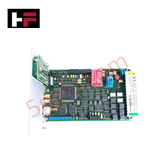
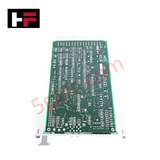
Product Details
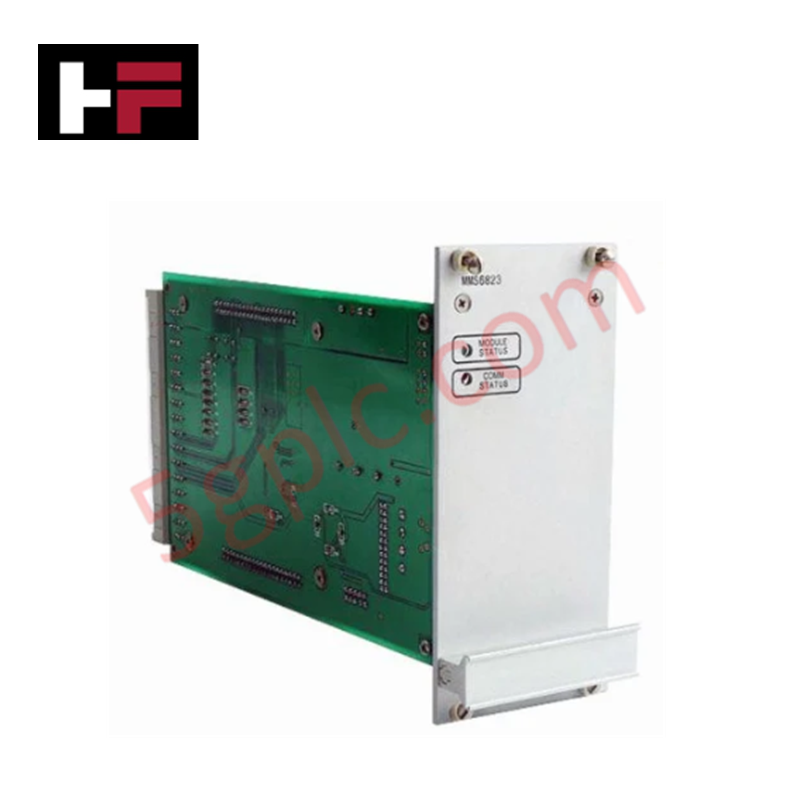
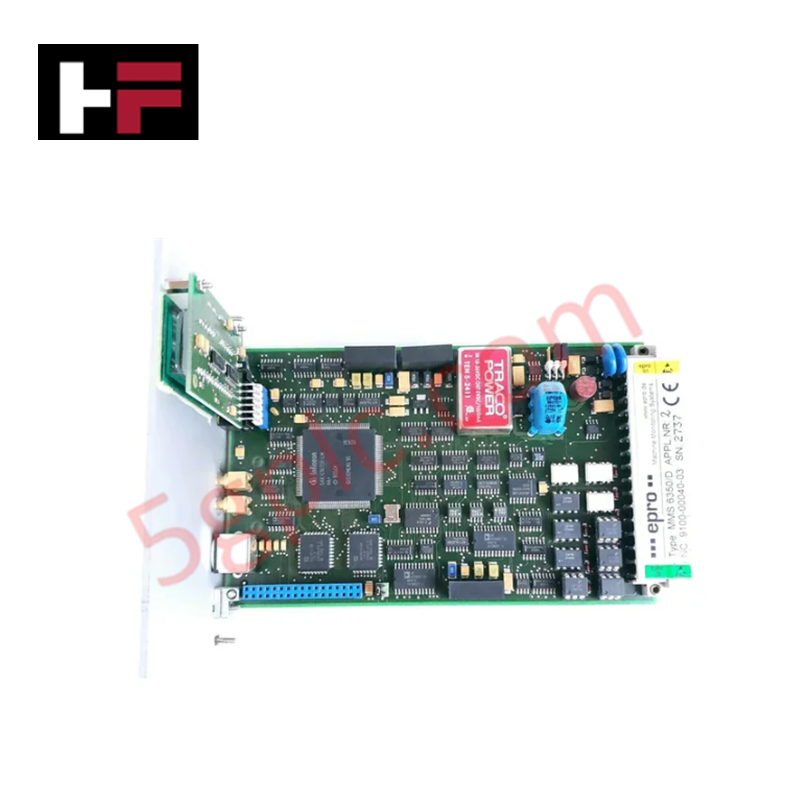
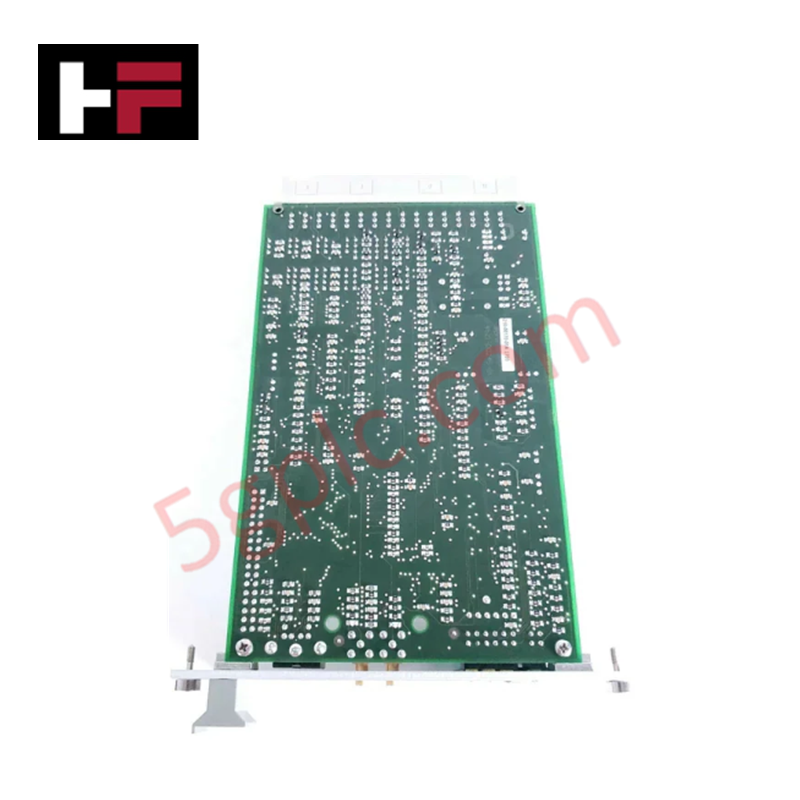
Configured for high-density signal acquisition in process control platforms, the Emerson EPRO MMS6823R (MMS6823R Analog Input Module) provides direct physical execution of multi-channel voltage and current input processing.
Hardware Specifications
| Parameter | Specification |
|---|---|
| Model | MMS6823R |
| Brand | Emerson EPRO |
| Weight | 0.28 kg |
| Dimensions | 6 cm x 19 cm x 13 cm |
| Operating Temp | Standard industrial range |
| Input Channels | 24 channels |
| Input Types | 0-10 V, 4-20 mA, 20 mA reverse |
Process Control and DCS Characteristics
The MMS6823R is designed to interface with field sensors requiring 4-20 mA HART loop protocol compatibility to ensure transparent diagnostic data transmission to the DCS. Each of the 24 channels features channel-to-channel isolation to prevent ground loop interference and signal cross-talk in dense wiring environments. In configurations involving thermocouples or resistive inputs, the module utilizes cold junction compensation (CJC) integrated into the field termination assembly to maintain millivolt-level measurement precision. The architecture supports continuous loop monitoring, providing immediate feedback on open-circuit or short-circuit conditions within the field-side analog loop.
Frequently Asked Questions
Q: Does the MMS6823R support hot-swap functionality?
A: Module replacement must be performed in accordance with the specific backplane power-down procedures defined in the system installation manual to prevent electrical damage to the bus interface or inadvertent logic triggers.
Q: How is signal conversion configured for different input types?
A: Configuration is managed via the system engineering software, which dictates the hardware shunt or internal multiplexer settings for voltage (0-10 V) versus current (4-20 mA) modes. Ensure correct jumpers are set on the terminal base prior to software configuration.
Field Installation Guidelines
- Inspect the backplane connectors for pin alignment and oxidation prior to module insertion.
- Ensure the module is seated fully into the rack guide rails until the locking clips engage.
- Terminate shielded signal cables at the corresponding field termination assembly, ensuring the cable shield is grounded at the designated common bus bar to maintain isolation.
- Route analog signal lines through dedicated, non-metallic conduits separated from high-current AC power cables to minimize induced noise.
- Verify loop current or voltage levels at the field termination points using a calibrated multimeter before completing software loop commissioning.
Additional Information
- 100% Genuine Parts: All products are original and authentic, ensuring reliable industrial performance.
- 30-Day Refund Guarantee: Return any in-stock item within 30 days in original, unopened packaging for a full refund (excluding shipping and fees).
- 12-Month Warranty: Covers defects in materials or workmanship; excludes misuse, normal wear, or unauthorized modifications.
- Worldwide Shipping: We ship via USPS, UPS, FedEx, and DHL. Delivery times vary by country and may be subject to customs or import fees.
- Support & Contact: Technical and warranty assistance is available anytime. Contact us here: Contact.
- Purchase Guidance: Check product specifications and compatibility carefully before ordering to ensure proper application.




Tech & Buying Guide

Mastering the Siemens PLC Scan Cycle: How the CPU Executes Automation Programs
Industrial automation relies heavily on programmable logic controllers (PLCs) to manage complex manufacturing processes. Many engineers dive straight into programming without mastering the underlying architecture. However, understanding how a PLC CPU executes a program ensures reliable system design. Therefore, mastering the scan cycle optimizes both performance and troubleshooting in modern control systems.

How to Connect to Siemens S7 PLCs: 5 Essential Communication Methods
Establishing a reliable hardware link between a programming terminal and a Siemens SIMATIC controller is essential for engineering workflows. Field engineers rely on distinct physical layers, ranging from legacy serial connections to high-speed Industrial Ethernet protocols. Modern factory automation environments prioritize fast data transfer and seamless driver integration. Selecting the correct connection method simplifies program downloads, online monitoring, and system troubleshooting in complex control systems.

Will PLCs Become Obsolete? The Future of Control Systems in Industry 4.0
Modern manufacturing is undergoing a rapid technological transformation driven by Industry 4.0 innovations. Technologies like Artificial Intelligence (AI), Machine Learning (ML), and the Industrial Internet of Things (IIoT) are dominating discussions across the factory automation sector. Consequently, many engineers wonder if these advanced digital tools will eventually replace traditional Programmable Logic Controllers (PLCs). However, evaluating the core physics of industrial operations reveals a very different reality for control systems.