










Product Details
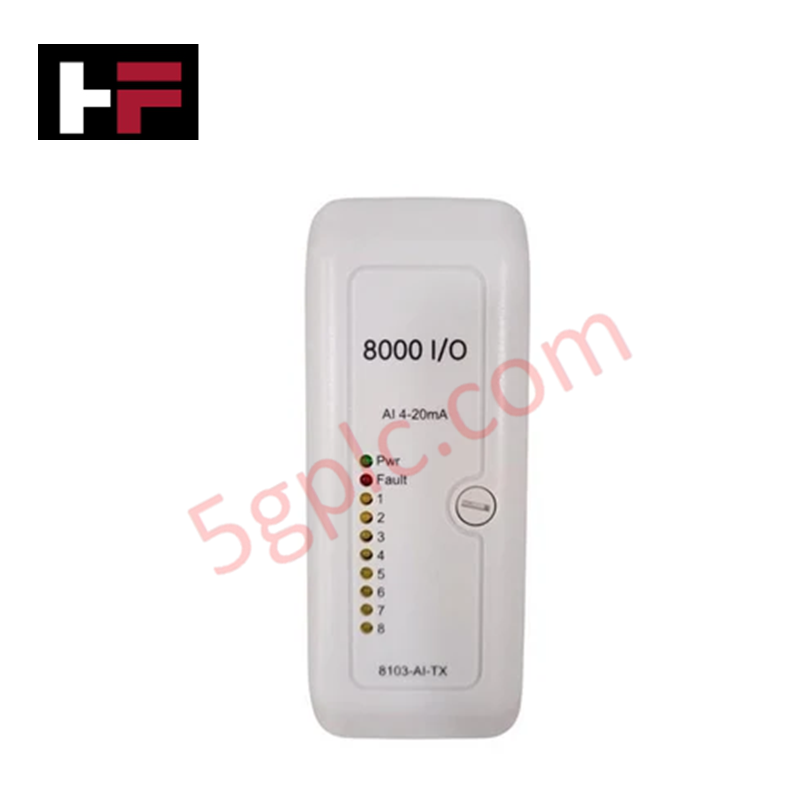
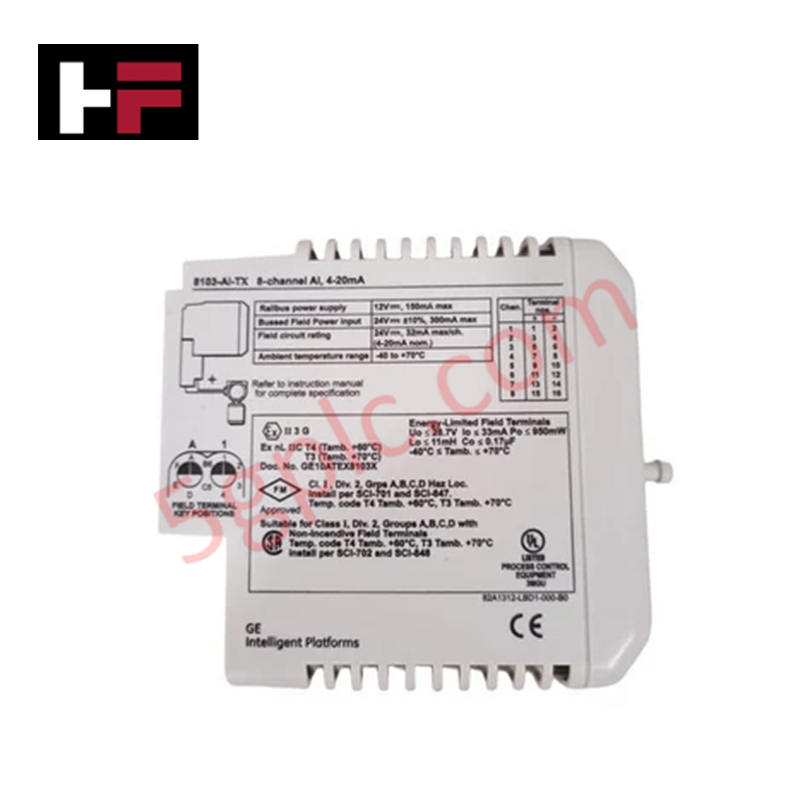
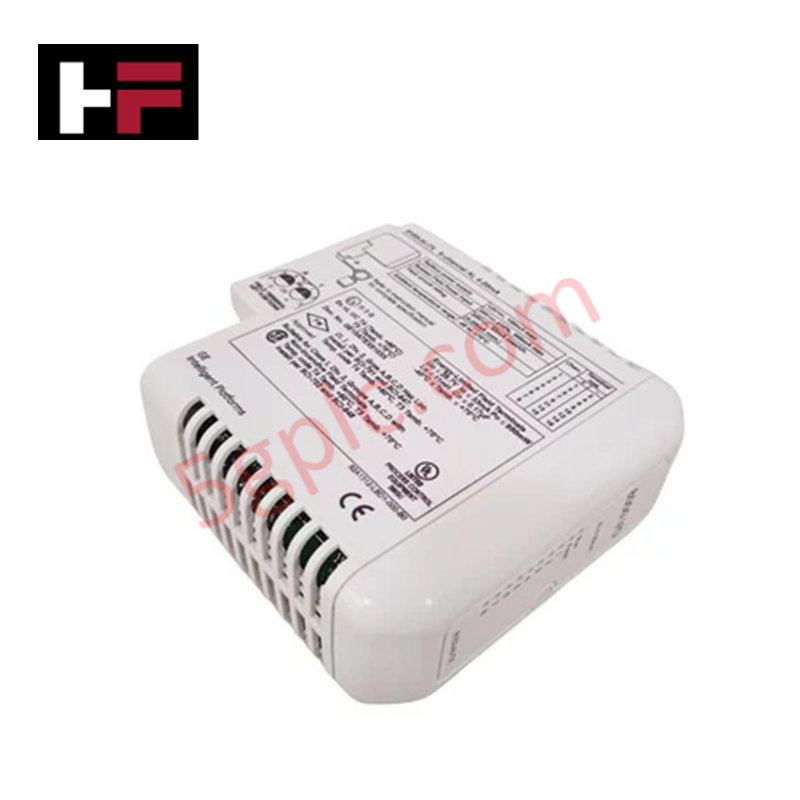
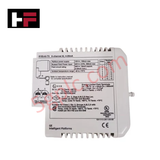
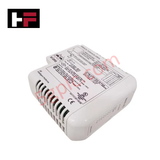
Configured for precise measurement and signal conditioning in PAC8000 systems, the Emerson 8103-AI-TX-04 (8103-AI Analog Input Module) provides direct physical/electrical execution. It digitizes 4-20 mA current loop signals across 8 independent channels while facilitating data exchange over backplane networks.
Hardware Specifications
| Parameter | Specification |
|---|---|
| Model | 8103-AI-TX-04 |
| Brand | Emerson |
| Base Model | 8103-AI |
| Origin | USA |
| Weight | Approx. 0.17 kg |
| Dimensions | 12 mm x 99 mm x 70 mm (W x H x D) |
| Operating Temp | -20 to 70 deg C (Standard), -20 to 55 deg C (Forced cooling) |
| Power Consumption | Max. 4 W |
| System Compatibility | PAC8000 and Emerson automation networks |
| Input Channels | 8-channel analog input |
| Input Signal Type | 4-20 mA |
| Supply Voltage | +24 V DC nominal (+18 to +31.2 V DC range) |
| Communication Ports | Ethernet RJ45 (10/100 Mbit), USB Type B (12 Mbit/s), Modbus RS485 |
| Ingress Protection | IP20 (IEC 60529) |
| Mounting Format | Standard DIN Rail |
4-20 mA HART Loop Protocol and Channel Isolation
The 8103-AI-TX-04 provides high-accuracy analog-to-digital conversion optimized for 4-20 mA current loops across process instrumentation. Channel-to-channel isolation architecture prevents ground loop currents and transient voltage spikes from propagating between field sensors and the PAC8000 backplane. The module maintains high signal integrity and low noise susceptibility to support transparent pass-through of dynamic loop data across connected transmitters.
Frequently Asked Questions
Q: Can the 8103-AI-TX-04 be replaced without removing power from the PAC8000 rack?
A: Yes. The module features hot-swap capability, allowing live removal and insertion under power without disrupting active communication or adjacent modules on the DIN rail backplane.
Q: What are the primary communication parameters for the onboard Modbus serial interface?
A: The Modbus interface operates over EIA485 physical layer standards at data rates of 9600 or 19200 Baud, using a 200 mV peak-to-peak signal level with a rated current of 1.6 mA.
Q: What is the maximum permitted cable distance for the Ethernet network port?
A: The onboard RJ45 Ethernet interface supports 10/100 Mbit transmission rates over standard twisted-pair cabling up to a maximum length of 100 m.
Field Installation Guidelines
- Snap the module firmly onto the standard 35 mm DIN rail inside an IP20-compliant enclosure, ensuring the carrier backplane connectors align fully before latching.
- Terminate 4-20 mA field sensor wiring to the corresponding 8 input channels, observing polarity constraints and maintaining wire strip lengths of 6-8 mm.
- Connect the primary power supply leads to the +24 V DC bus terminals, ensuring operating voltage remains within the +18 to +31.2 V DC tolerance window.
- Route signal cables separately from high-voltage power lines and VDR drives to minimize electromagnetic noise coupling.
- Bond the DIN rail assembly directly to the master protective earth (PE) bus using a low-impedance copper grounding jumper.
Additional Information
- 100% Genuine Parts: All products are original and authentic, ensuring reliable industrial performance.
- 30-Day Refund Guarantee: Return any in-stock item within 30 days in original, unopened packaging for a full refund (excluding shipping and fees).
- 12-Month Warranty: Covers defects in materials or workmanship; excludes misuse, normal wear, or unauthorized modifications.
- Worldwide Shipping: We ship via USPS, UPS, FedEx, and DHL. Delivery times vary by country and may be subject to customs or import fees.
- Support & Contact: Technical and warranty assistance is available anytime. Contact us here: Contact.
- Purchase Guidance: Check product specifications and compatibility carefully before ordering to ensure proper application.




Tech & Buying Guide

Demystifying Open Platform Communication (OPC): The Backbone of Industrial Interoperability
Interoperability remains a cornerstone requirement for modern smart factories and process automation. Open Platform Communication (OPC) bridges the gap between disparate hardware platforms, control systems, and visualization software. By establishing a universal communication standard, OPC allows field controllers, SCADA platforms, and enterprise software from different vendors to exchange real-time data seamlessly.

Understanding Siemens PLC Memory Cards: MMC, SMC, and SD Solutions in Industrial Automation
Memory management plays a pivotal role in maintaining control system reliability across modern manufacturing plants. Industrial control systems rely on specialized memory cards to store project logic, firmware updates, and retentive system data. Siemens uses several memory architectures, including Micro Memory Cards (MMC) and SIMATIC Memory Cards (SMC). Engineers must understand these hardware variations to ensure zero data loss and minimize downtime during maintenance routines.

Redefining Control Systems: The Rise of Flexible I/O Modules in Industrial Automation
Conventional input-output architectures often limit engineering agility and inflate long-term inventory costs. Today, Flexible Input/Output Modules (FIOM) are transforming how control system engineers design, commission, and maintain automation infrastructure. By allowing individual channel software configuration, FIOM technology bridges the gap between rigid hardware design and dynamic plant requirements.